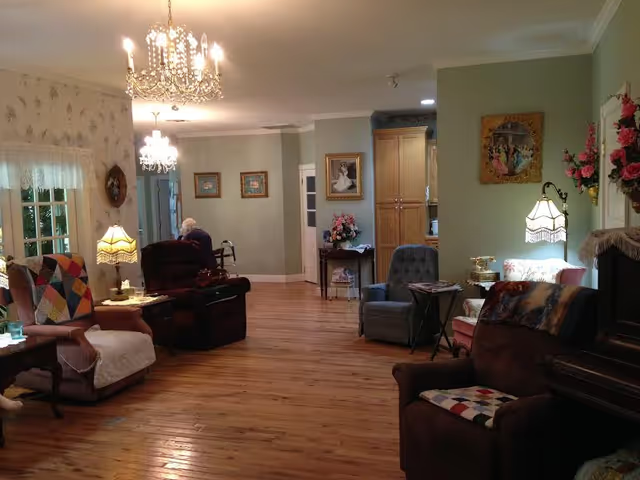
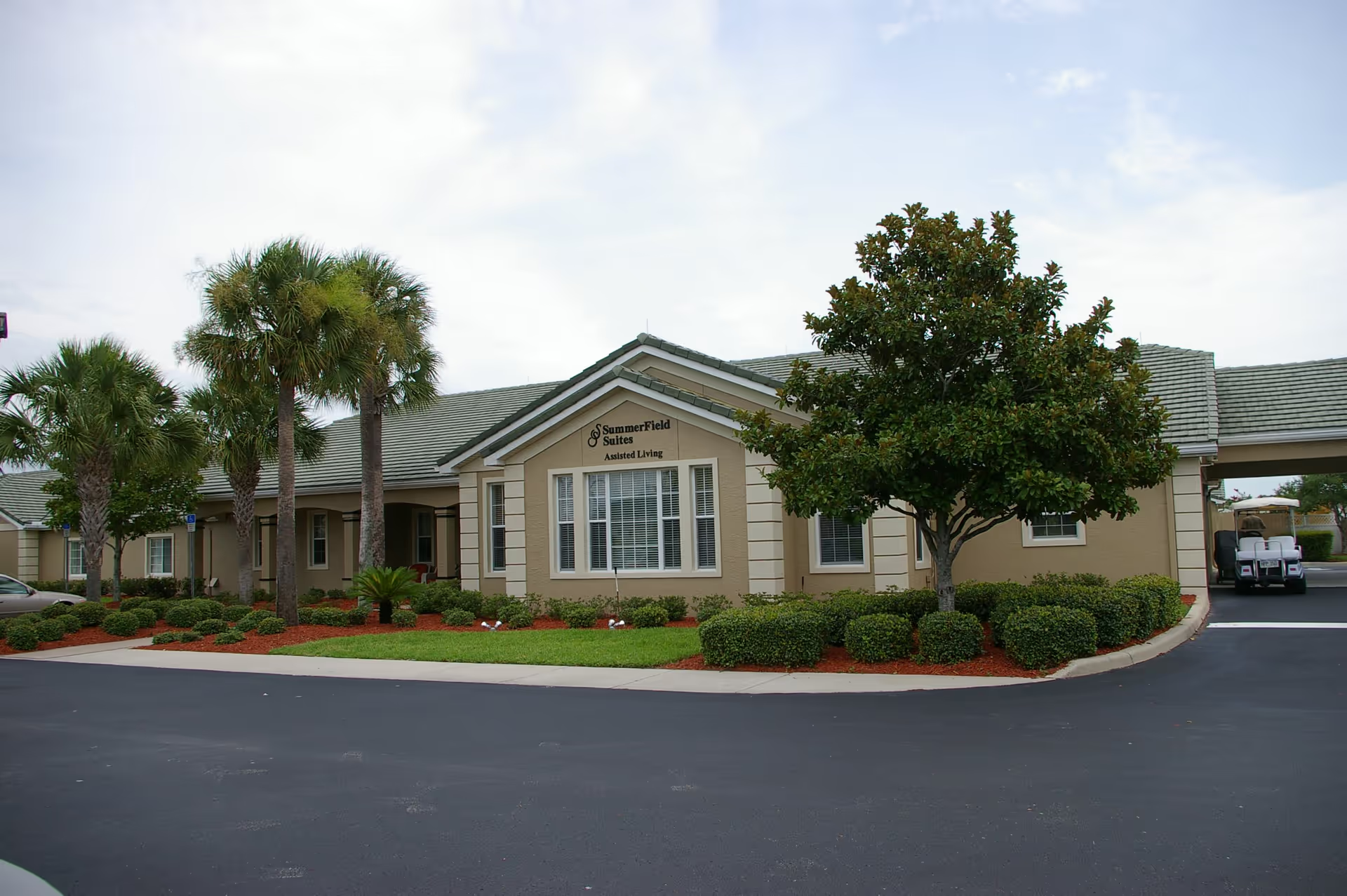
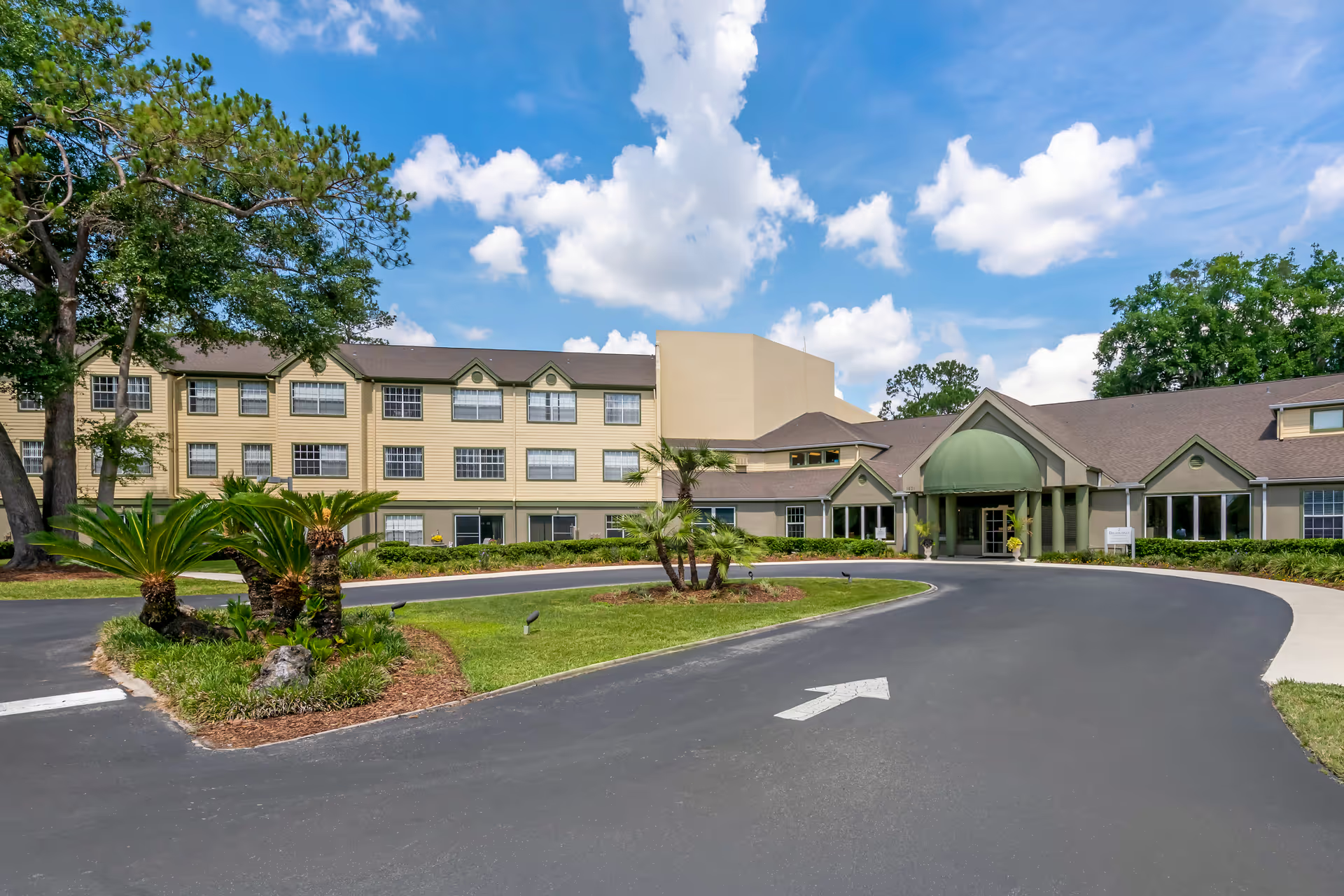
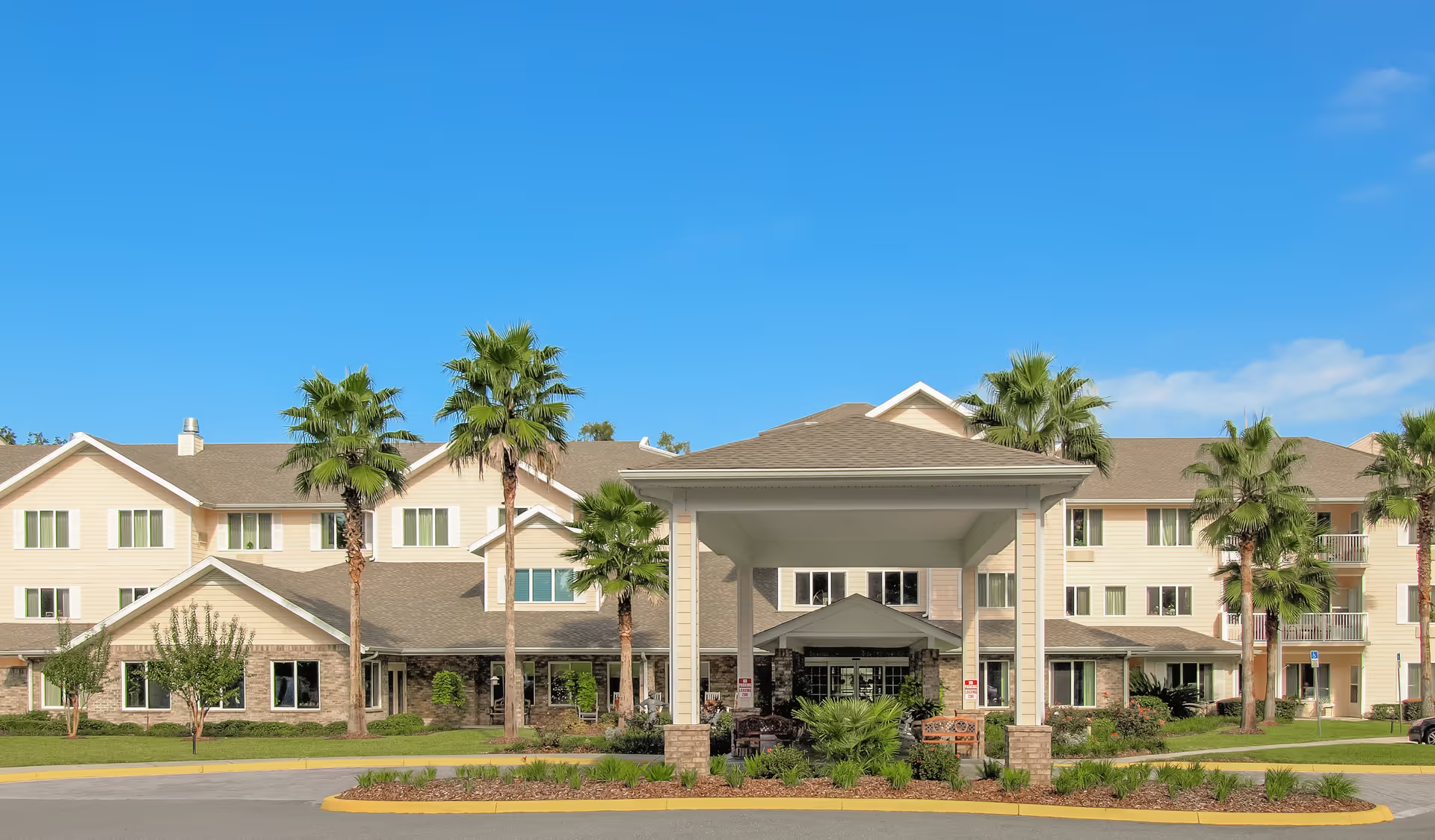
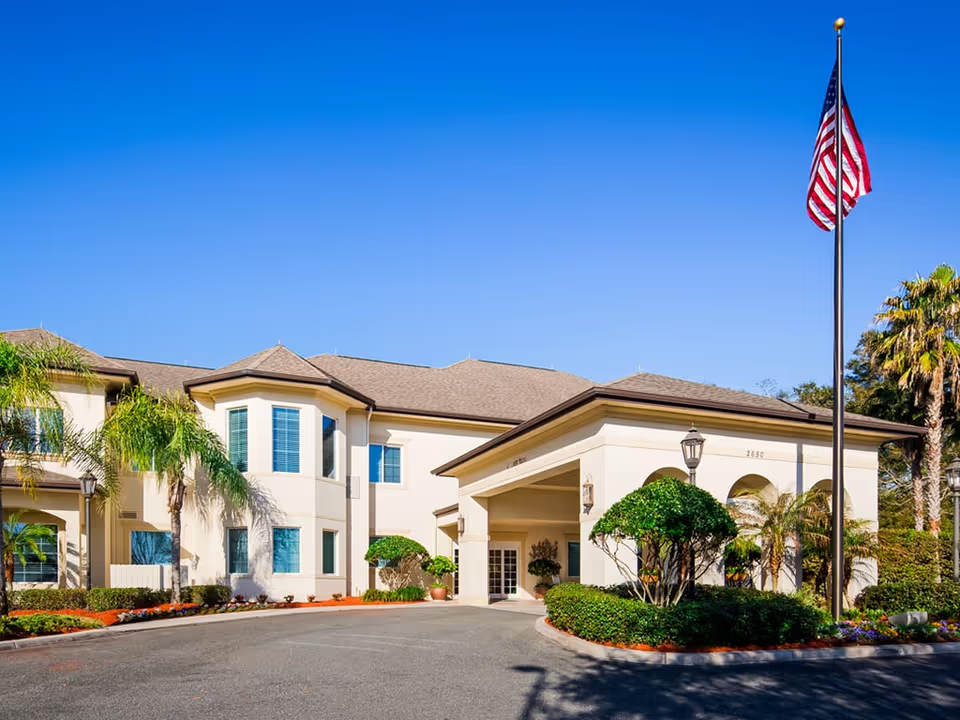
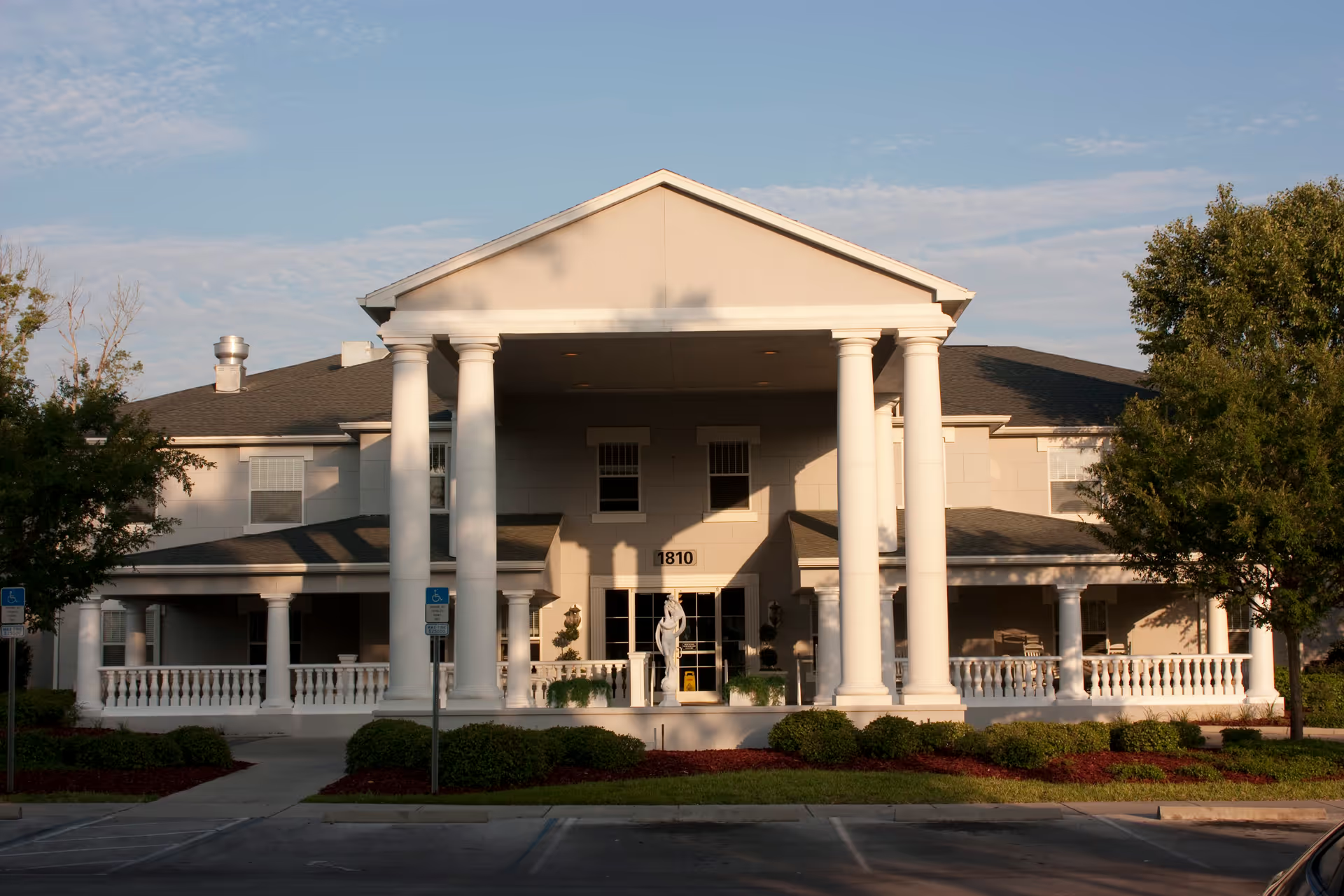
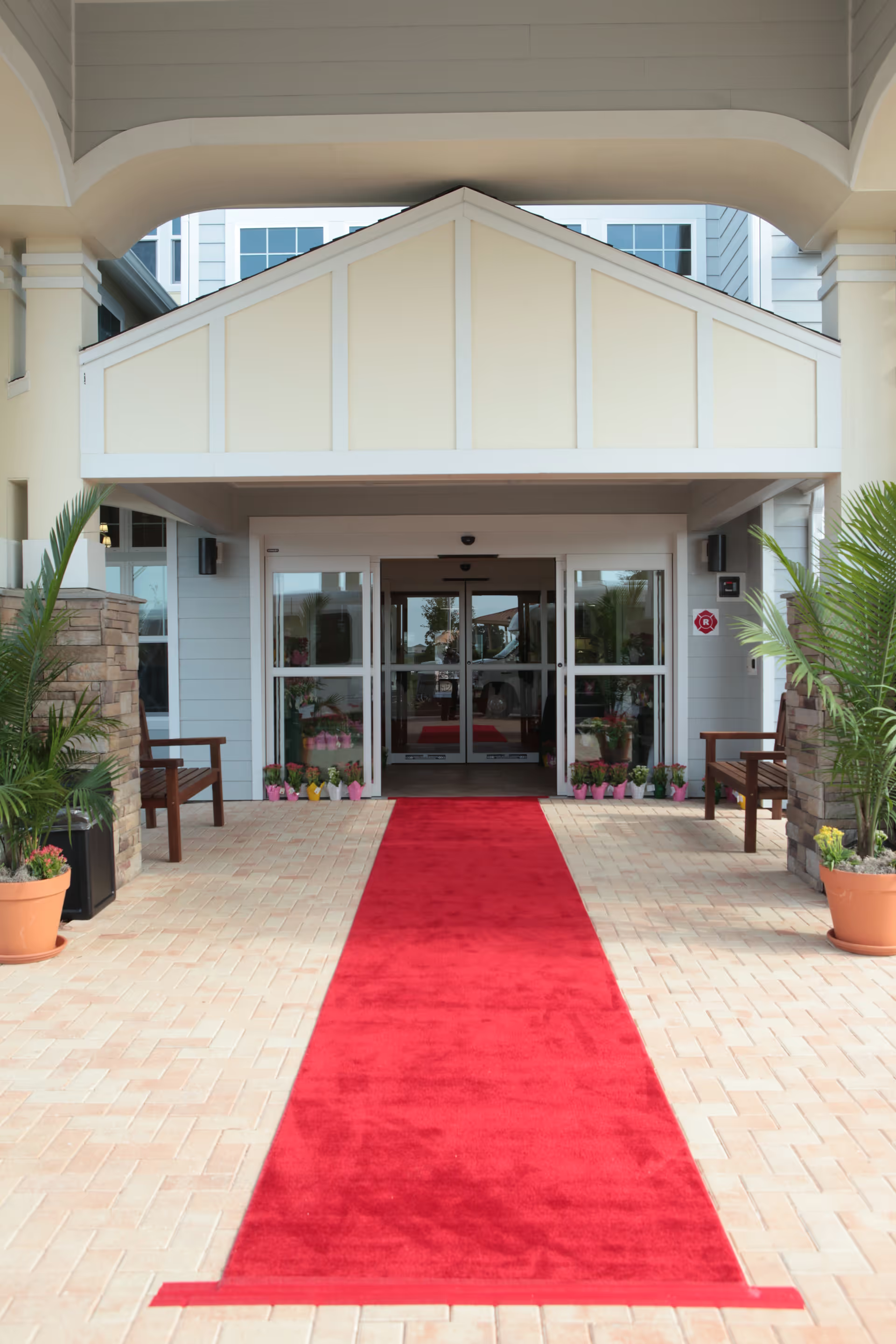
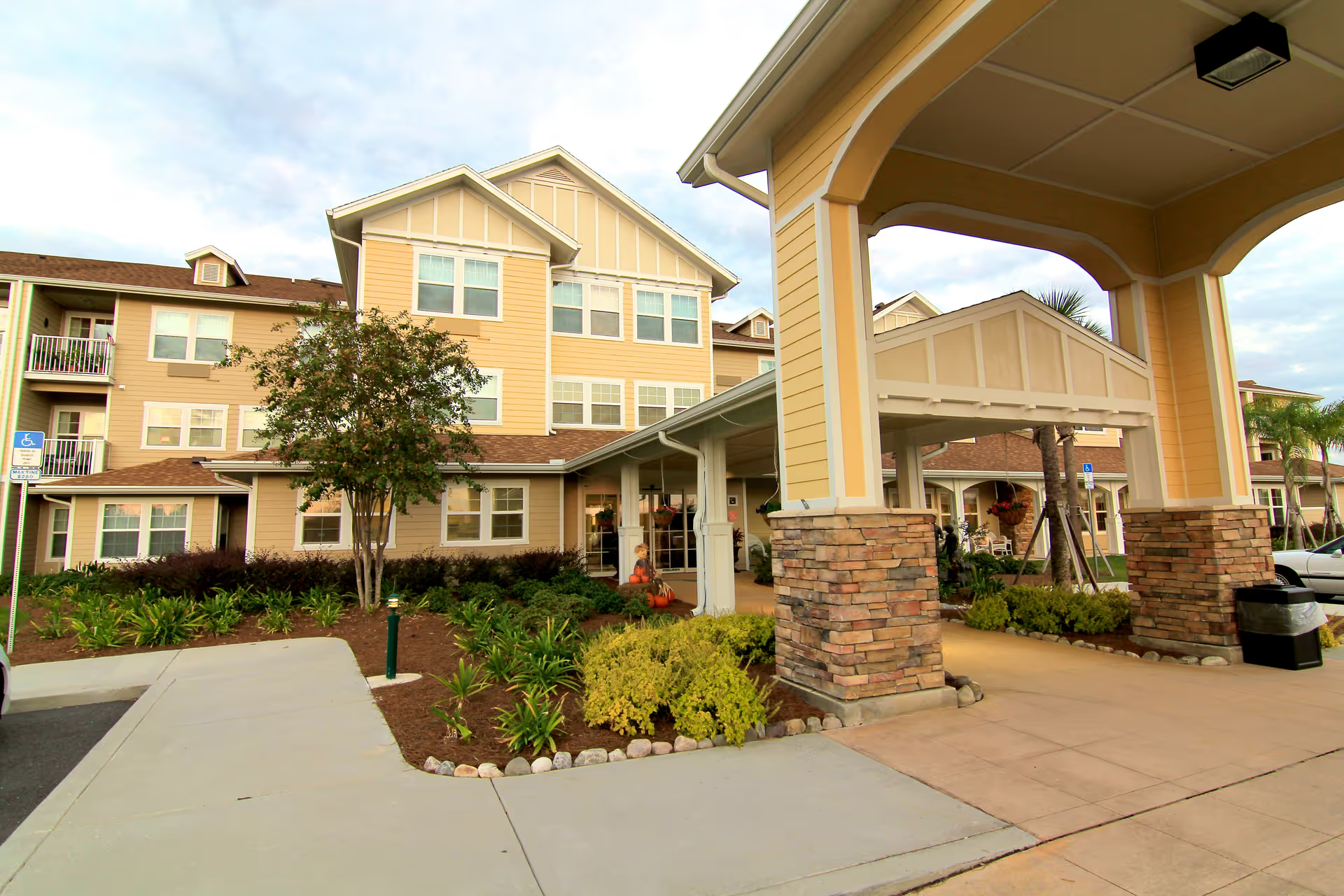
The reviews describe a facility with clear strengths alongside notable variability in day-to-day operations. Families consistently praise the caregiving culture: many accounts highlight compassionate, competent staff, accessible management (including an on-site owner and an available administrator), and admissions personnel who provide helpful information. Common areas such as a homey foyer and family visitation spaces are described as well maintained, and private and shared rooms are frequently characterized as bright and clean. Memory-care areas are noted for security features and safety-focused design.
Care quality and staffing emerge as mixed but critical themes. Numerous families describe attentive, nurturing caregivers and a sense that residents are treated like family; however, other comments point to inconsistent staff performance, limited responsiveness at times, and uneven nursing practices. These patterns suggest variability by shift or by individual staff member rather than a uniformly applied standard of care. Reviewers also highlighted concerns about personal-care scheduling, specifically bathing and assistance routines, which appear unreliable in some instances.
Dining and nutrition receive divergent assessments. Several reviewers praise nutritious, well-planned meals and reference dietitian or chef involvement and menu updates. Conversely, other accounts describe marginal or poor evening meals and lack of consistent culinary oversight. This indicates inconsistent meal quality and possibly uneven staffing or oversight across meal periods. Families should ask about current dining supervision, dietitian involvement, and sample menus during a visit.
Activity programming has improved in some reports, with creative, resident-aware offerings and active outings; other comments note limited activities or variability in availability. The presence of dedicated activity directors has been linked to better programming, suggesting that activity quality depends on staffing and leadership. Memory-care residents benefit from secure programming, but limited physical space and small dining areas can constrain group activities and progression to higher-acuity needs.
Facility condition is a mixed picture. Positive impressions of cleanliness and pleasant odor control coexist with sanitation concerns in some bathrooms and comments about an older, somewhat rundown appearance in parts of the building. Several reviews point to small rooms, shared bathrooms, and cramped dining spaces that would benefit from remodeling. There are also isolated but important maintenance issues noted, such as bed and furniture safety problems, indicating a need for more consistent maintenance protocols.
Management and transparency show strengths and weaknesses. The on-site owner and engaged administrator are repeatedly mentioned positively for accessibility and responsiveness. At the same time, there are concerns about fee transparency, expectations that families supply personal items, and requests for additional payments without visible improvements. These perceptions, along with variable service continuity—especially in the evenings—suggest families should request clear written policies on fees, included items, and staffing patterns.
Notable patterns across the reviews are variability and inconsistency: many positive attributes exist, but they do not appear uniformly across shifts, units, or time. Prospective residents and families would benefit from a focused tour that checks evening staffing, reviews current maintenance logs, inspects bathroom cleanliness, assesses activity schedules, and clarifies meal oversight and fee policies. For individuals with higher-acuity dementia needs, confirm available dedicated space and clinical capability before placement.