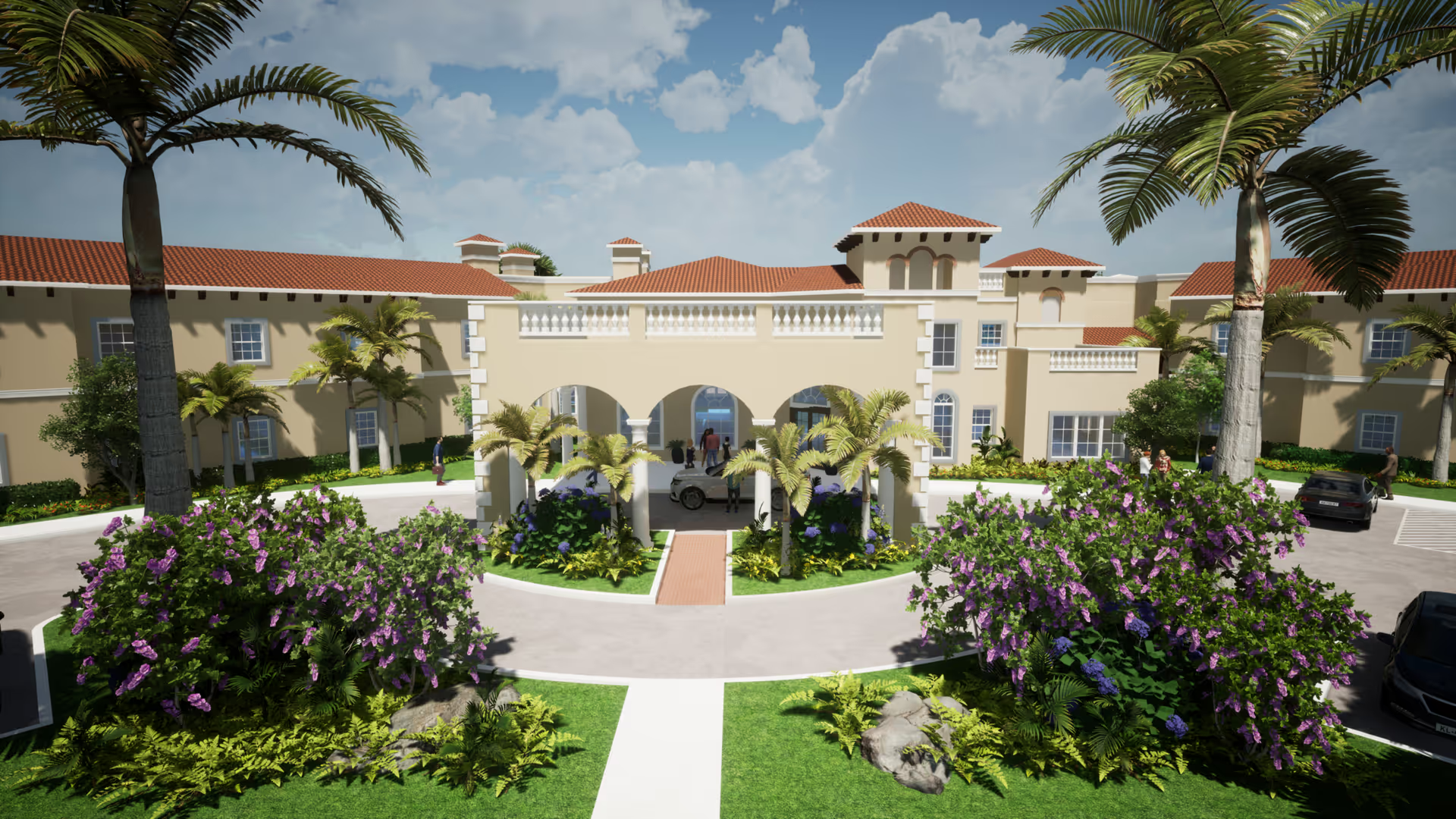
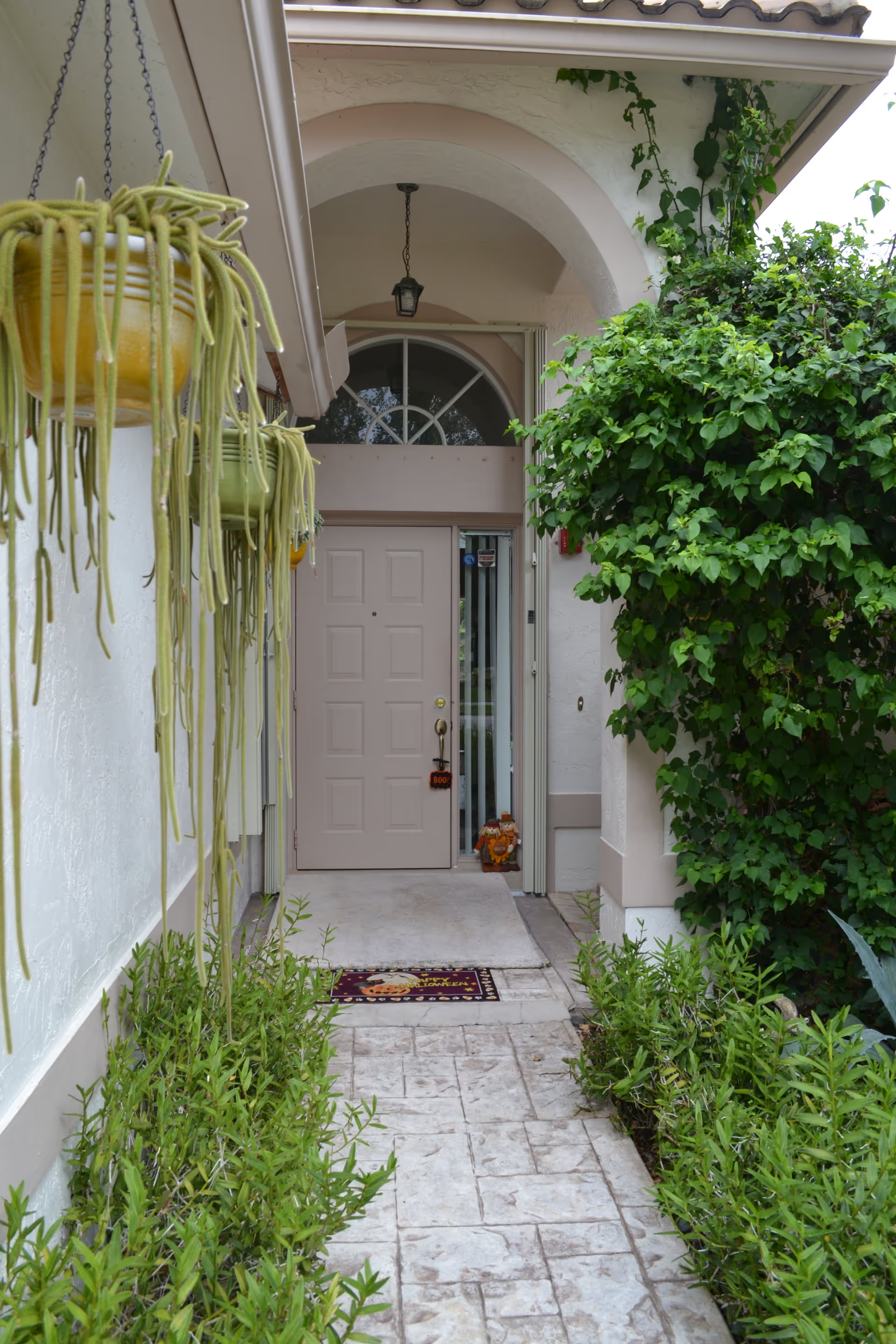
Sonata Boca Raton is consistently described as a small, home-like assisted living and memory-care community with a warm, domestic atmosphere and thoughtfully decorated common areas. Many families praise the close-knit scale, spacious accessible apartments, and an environment that feels more residential than institutional. The facility offers 24-hour security, on-site therapy services, proximity to a hospital, and a range of unit sizes that support different levels of care and needs.
Clinical and day-to-day care are frequently highlighted as strengths: reviewers emphasize attentive, compassionate nursing and caregiving staff, an engaged nursing leader, and accessible on-site management. Families value the community’s memory-care programming and the availability of therapy and rehabilitation services. Communication pathways such as direct lines to leadership and periodic updates during infection-control events have been noted positively, and the community implemented flexible visitation workarounds (video calls, window visits) and proactive testing during outbreaks.
Dining and programming are notable assets. The dining program is often described as high quality with menu-based offerings, homemade-style meals, and the ability to accommodate preferences and dietary needs. At the same time, reviewers consistently highlight a robust activities program — diverse daily offerings, live entertainment, religious services, exercise classes, and an active activities director — that supports social engagement and cognitive stimulation.
Several operational patterns temper the generally positive impressions. Staffing levels and turnover are recurrent concerns: families describe variability in caregiver availability, uneven performance during evening and overnight shifts, and the need at times to hire private aides to fill coverage gaps. Relatedly, responsiveness to call systems and timely assistance with personal care have been inconsistent in some accounts. Housekeeping and unit-level sanitation have been identified as uneven across units, and a subset of comments raise concerns about infection-control consistency and screening practices.
Management strengths (visible leadership, accessible directors, and long-tenured program staff) coexist with criticisms about transparency and post-incident communication. Some families report difficulty obtaining timely, detailed follow-up after clinical incidents and express frustration with billing surprises or increasing fees for add-on services. A few accounts describe barriers to admission for residents with higher-acuity dementia needs, signaling variability in placement policies.
Overall, Sonata Boca Raton appears to offer a warm, well-appointed, activity-rich setting with many families reporting excellent, compassionate care and an engaged leadership team. Prospective residents and decision-makers should weigh those strengths against documented operational variability — particularly around staffing consistency, unit-level housekeeping, infection-control adherence, and transparency about costs — and consider in-person follow-up questions about overnight staffing, sanitation protocols, incident reporting procedures, and how additional charges are structured.