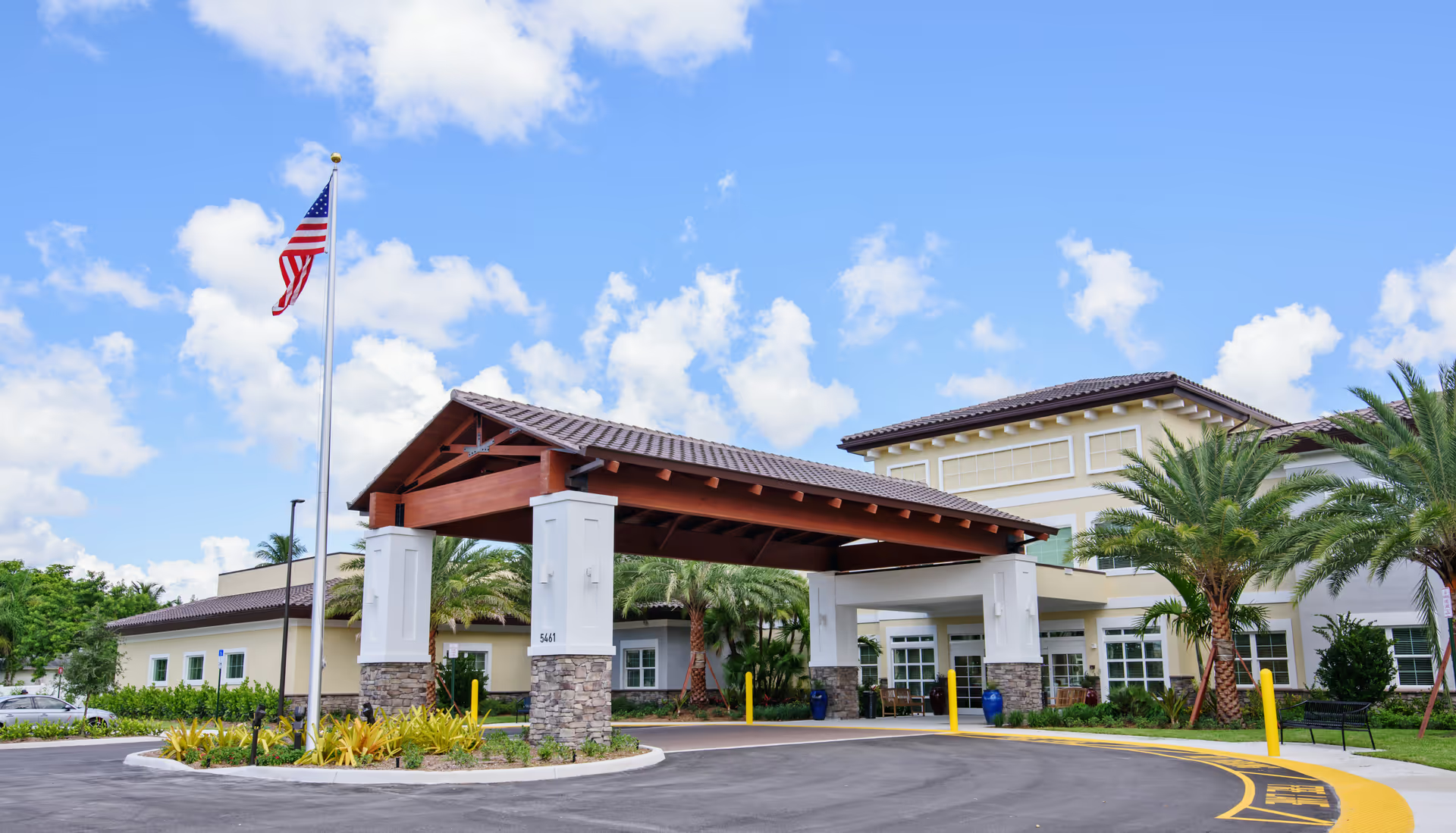
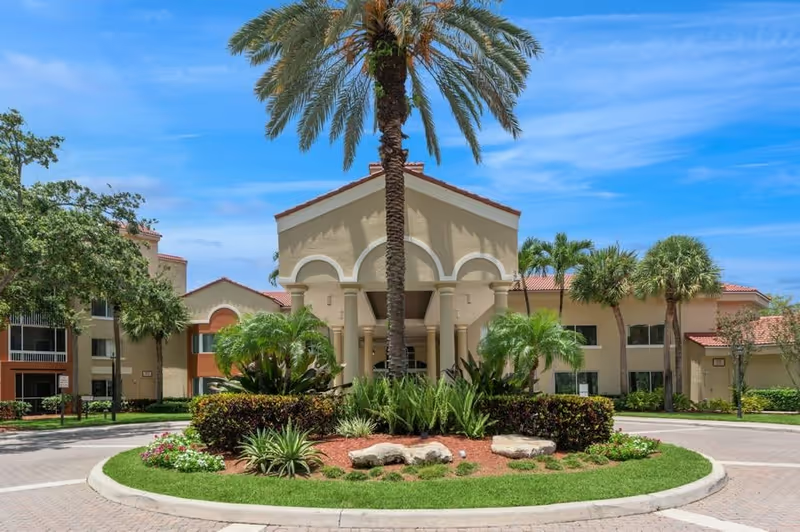
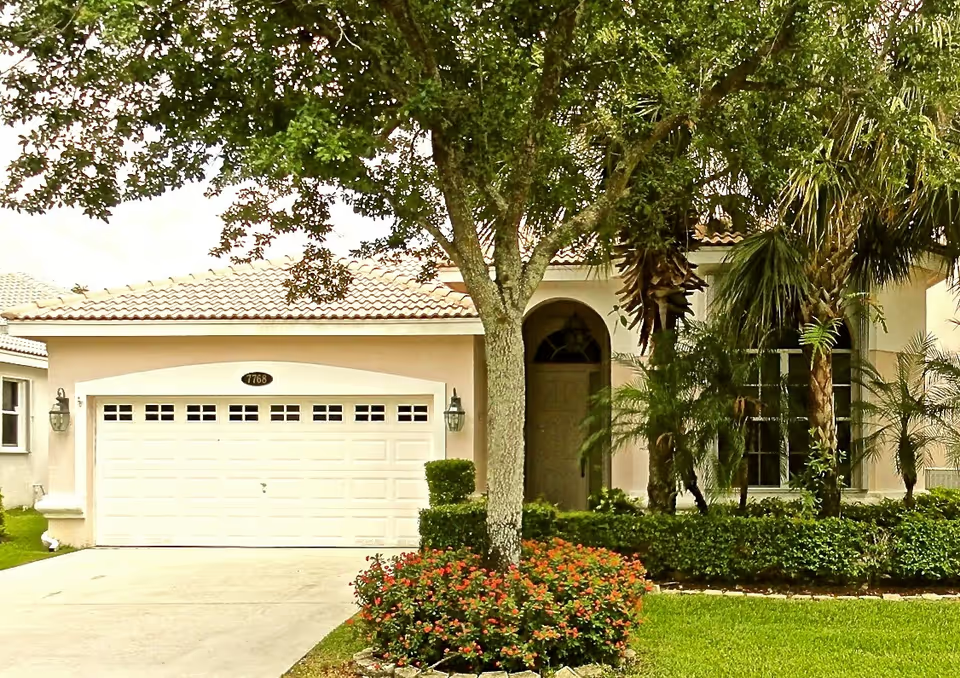
The aggregated feedback for The Elite Manor is strongly positive across interpersonal care, facility upkeep, and management responsiveness. Families emphasize consistent, attentive caregiving and describe the environment as homelike and peaceful. Cleanliness and general maintenance are repeatedly noted, as is the quality of homestyle dining. These patterns suggest a facility that prioritizes daily comfort, resident dignity, and an atmosphere intended to feel like a private home rather than an institutional setting.
Care and staff: Reviewers consistently highlight compassionate, patient, and respectful staff interactions. The facility's staffing model — frequently described as having a low staff-to-resident ratio — is associated with timely attention and a perception that individual needs are met. The administrator (identified as Petrenia/Petrinea in feedback) is described as accessible, knowledgeable, and responsive to family questions; that level of management involvement appears to reinforce positive family trust and satisfaction.
Dining and activities: Dining is characterized as homestyle and of good quality, contributing to resident satisfaction. What is less represented in the feedback is detail about the broader activities program or engagement schedule. Prospective families should inquire about structured social, recreational, and therapeutic programming to confirm alignment with a resident’s interests and cognitive/physical needs.
Facilities and sanitation: The facility is described as clean, well maintained, and welcoming, with reviewers noting the overall pleasant, peaceful atmosphere. Sanitation and odor control are raised positively through descriptors of a tidy environment. Visitors and families appear to find the physical space comfortable and attractive, reinforcing the home-like impression.
Management and communication: Management visibility and responsiveness are a recurring theme. Families report that administrators and staff are reachable and helpful, which appears to contribute to peace of mind and willingness to recommend the facility. Communication channels between staff and families are portrayed as effective for routine questions and care updates.
Notable patterns and guidance: The predominant themes are strong interpersonal care, cleanliness, supportive administration, and agreeable dining. Relative gaps in the aggregated feedback include limited detail on formalized activity programming, specialized medical or rehabilitative services, and explicit descriptions of emergency preparedness or shift-level staffing coverage. Prospective residents or their families would benefit from targeted questions during a tour: ask for an activity calendar, examples of rehabilitative or therapeutic services (if needed), staffing schedules for nights/weekends, and written emergency or infection-prevention protocols. These checks will help corroborate the positive impressions found in family feedback and ensure the facility meets any specific clinical or engagement needs.