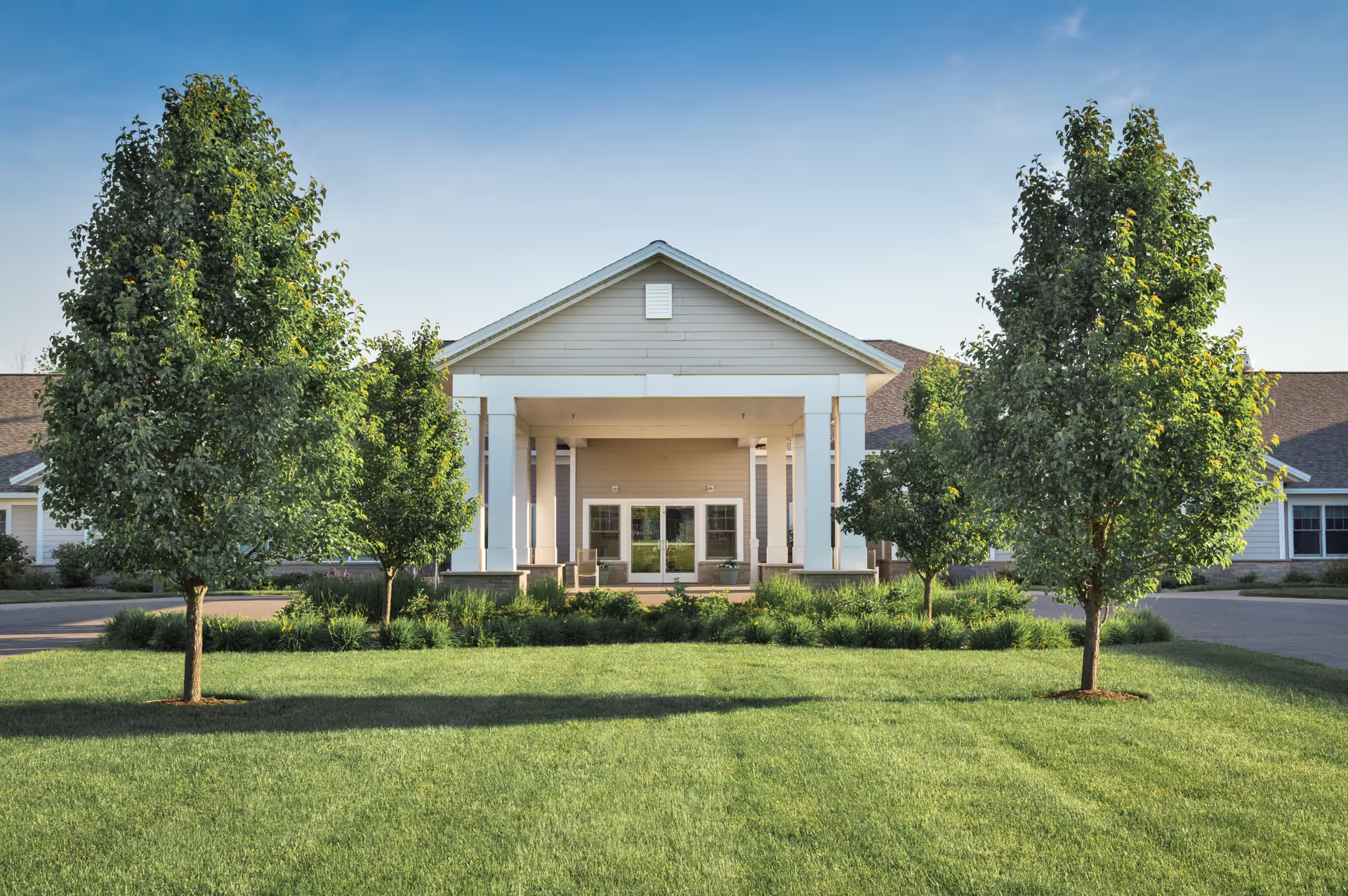
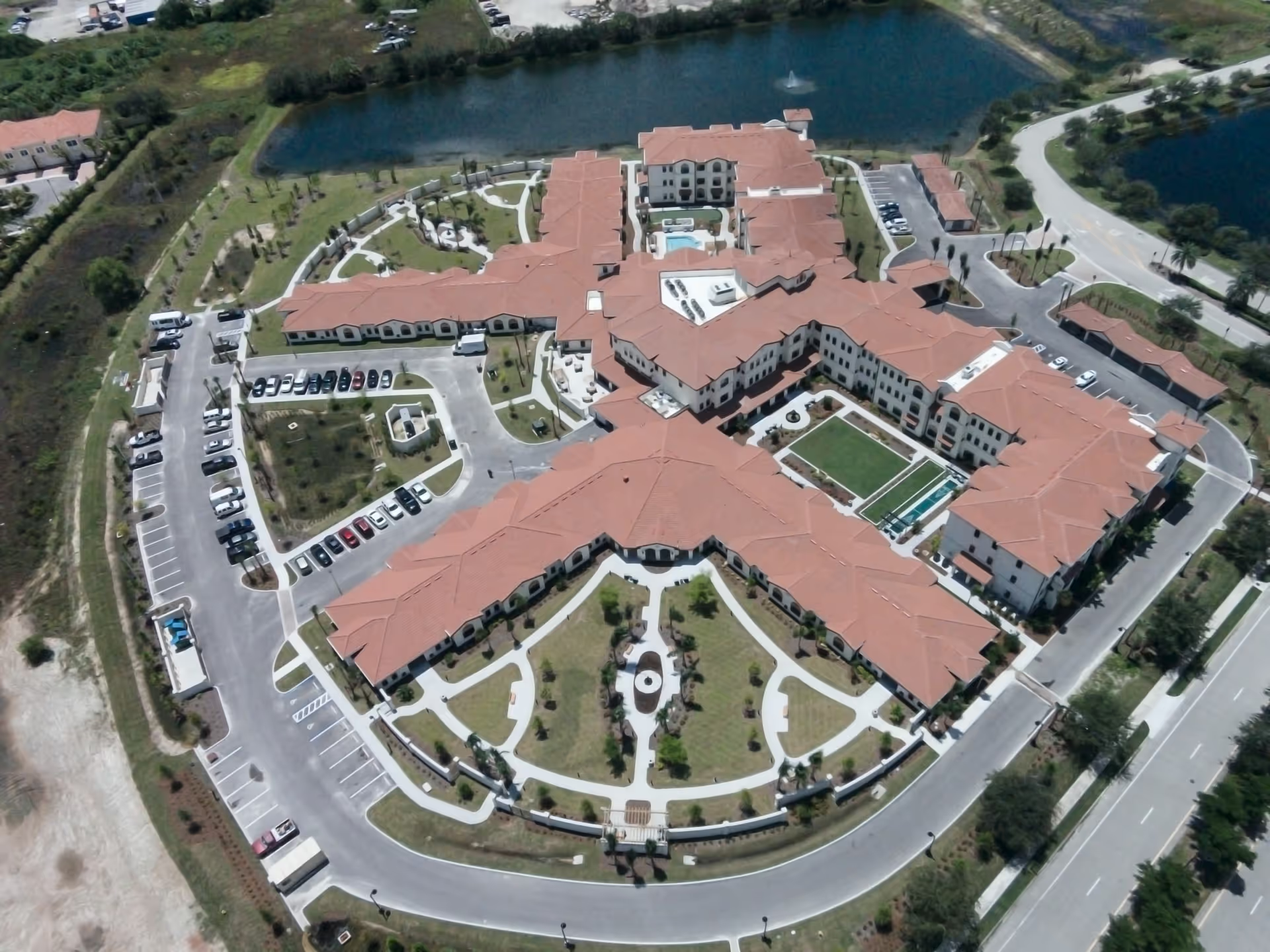
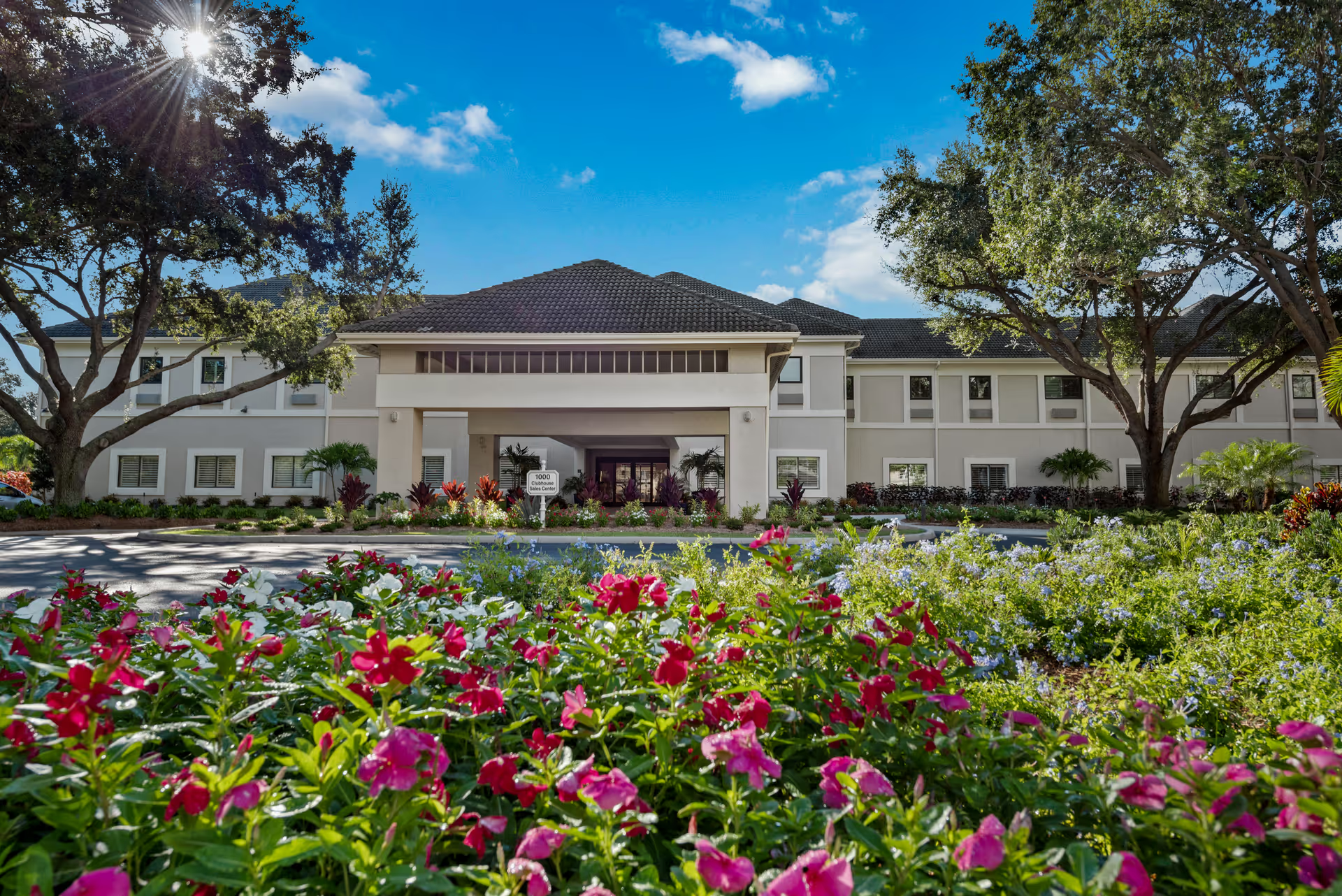
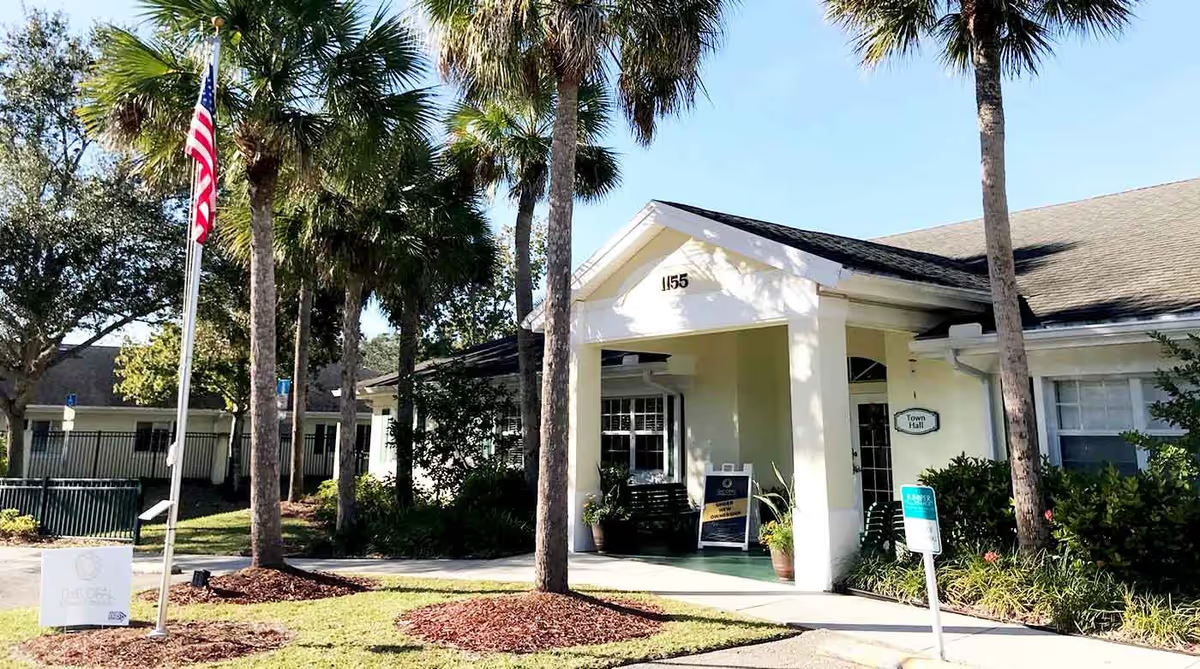
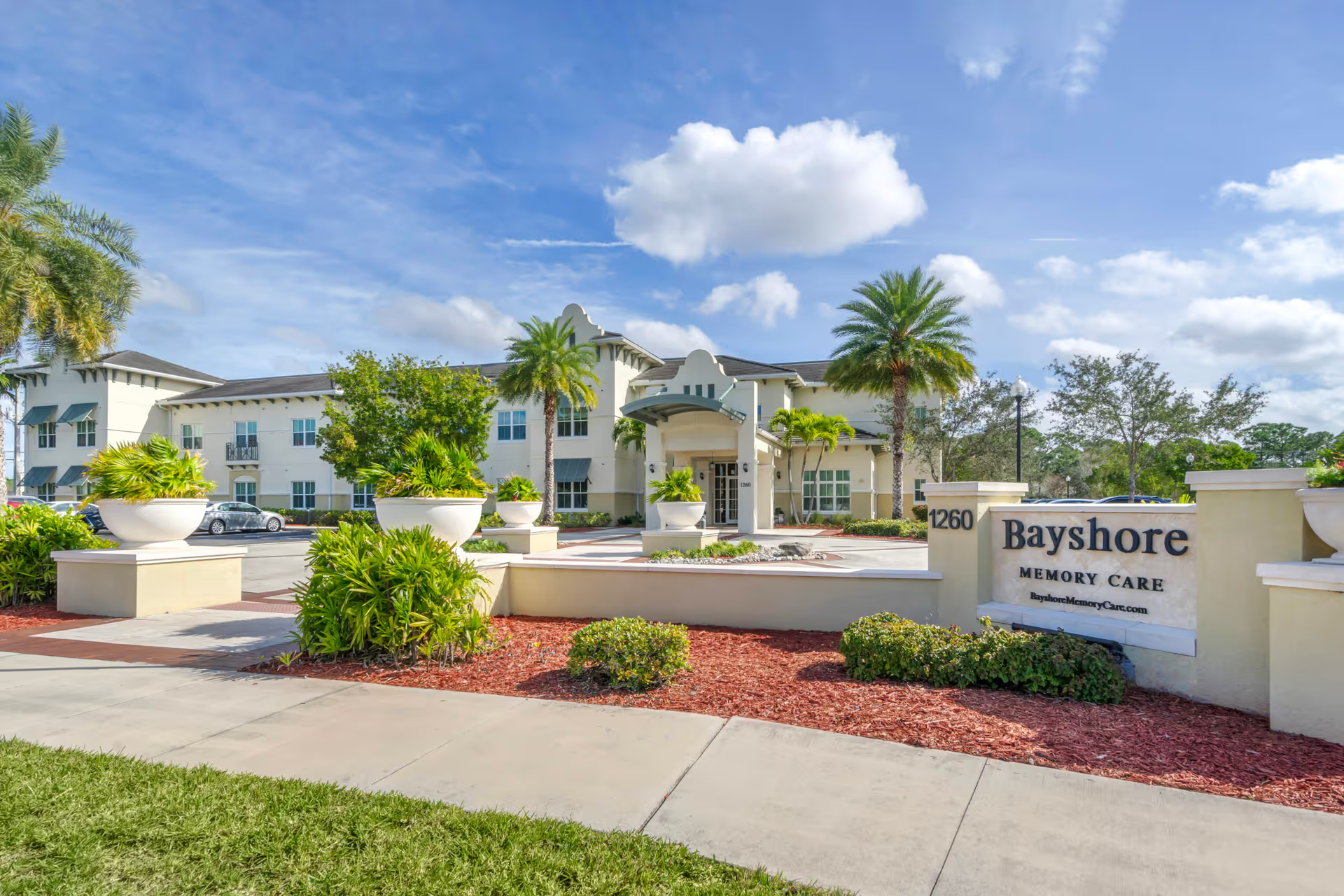
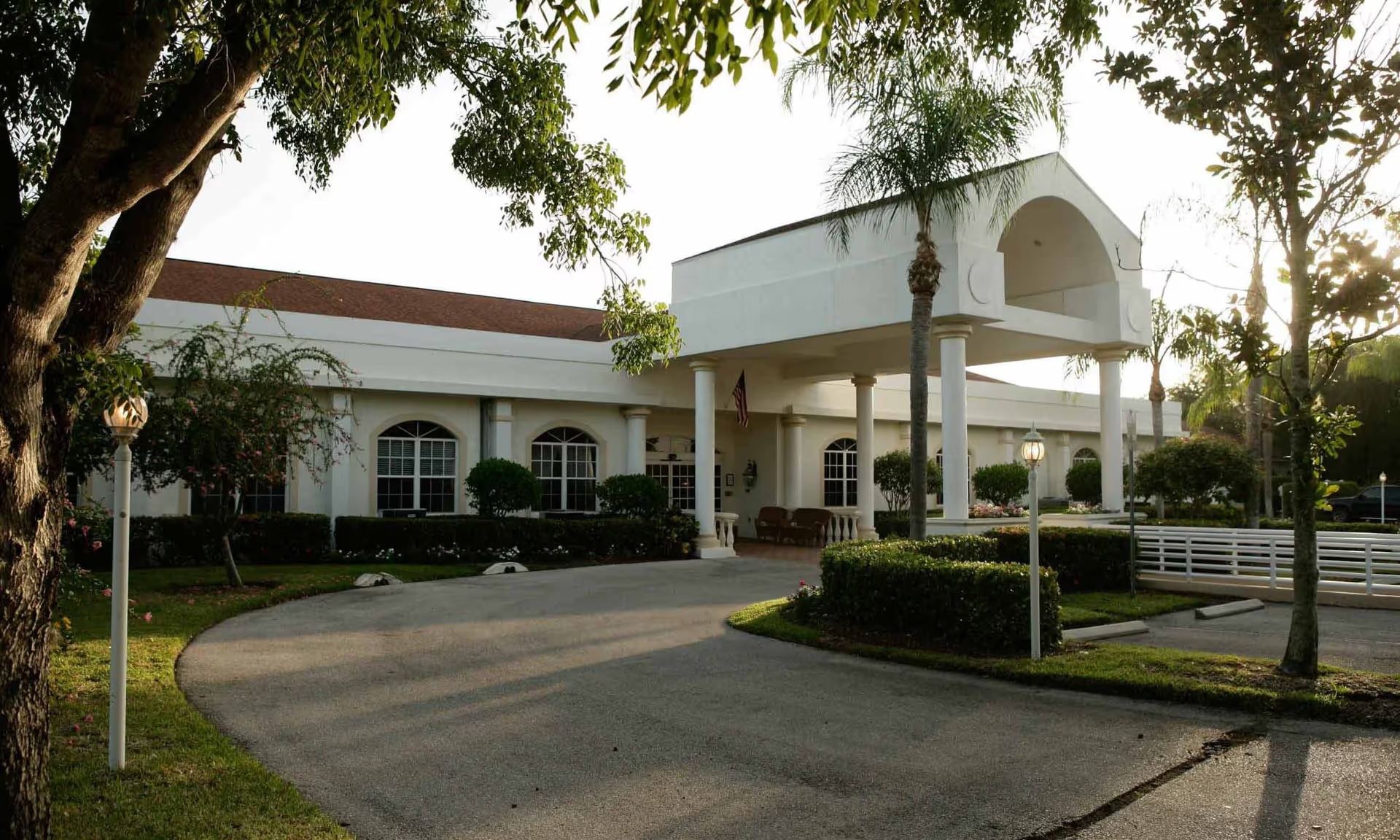
Renaissance at the Terraces presents as an upscale, well‑maintained senior community with notable strengths in facilities, amenities, and rehabilitation services. Reviewers consistently describe attractive interior and exterior spaces, including landscaped courtyards, hidden gardens, wide hallways, pools, and fitness areas. Dining rooms and cuisine are frequently praised as high quality, and the community offers social programming such as lectures and an on‑site outpatient medical office. Rehabilitation (OT/PT) support and private one‑on‑one care options are also highlighted as positive aspects.
Care quality and staffing show considerable variability. Many families report compassionate, attentive direct‑care staff and responsive physicians, while others describe inconsistent nursing skill and bedside manner. Several accounts indicate understaffing, frequent staff turnover, and situations where a single nurse is responsible for large caseloads. These staffing patterns appear tied to delays in basic care tasks, tardy medication administration, and uneven monitoring practices. There are also specific concerns about medication documentation and communication between nursing and families, which can create confusion around timing and administration of medications.
Safety and personal‑care practices are an area of mixed feedback. Positive notes about one‑on‑one attention and effective rehabilitation coexist with reports suggesting gaps in fall‑prevention measures, inconsistent room checks, and failures to reduce environmental risk (for example, issues with bed positioning and evening precautions). Families also described problems with in‑room communication systems (phones not functioning) and inconsistent handling or return of personal belongings and laundry. Sanitation and incontinence‑care follow‑through were raised by some reviewers as operational weaknesses rather than universal conditions.
Dining and activities are generally praised for quality and variety, but the service model has operational shortcomings for some residents: meal delivery can be disorganized or slow, and coordination between dining staff and nursing can be uneven. The community’s programmatic offerings, elegant public spaces, and availability of medical and rehabilitative services are clear strengths, but logistical execution around mealtimes and staffing coverage affects day‑to‑day resident experience.
Management and cost issues also recur. The community is positioned at a higher price point, and several families expressed concern about escalating rent and fees alongside operational inconsistencies. Some reviewers found management responsive when issues were raised, while others experienced resistance or delayed resolution; a leadership transition was mentioned as a contributing factor to variability in coordination. Policies around guests and overnight stays are reported to be restrictive by some families, which may matter for visitors and those who want frequent overnight guests.
For prospective residents and families: the facility offers strong amenities, excellent common spaces, and good rehabilitative care, but operational reliability—especially around nursing coverage, medication management, communication with families, and linen/belongings handling—appears uneven. When evaluating this community, ask specific questions about staffing ratios and shift coverage, fall‑prevention protocols, medication administration and documentation procedures, laundry and personal‑property policies, guest/overnight rules, and examples of how management resolves care concerns. A daytime and evening visit, and direct discussion with nursing leadership and current families, will help clarify whether current operational practices meet your expectations.