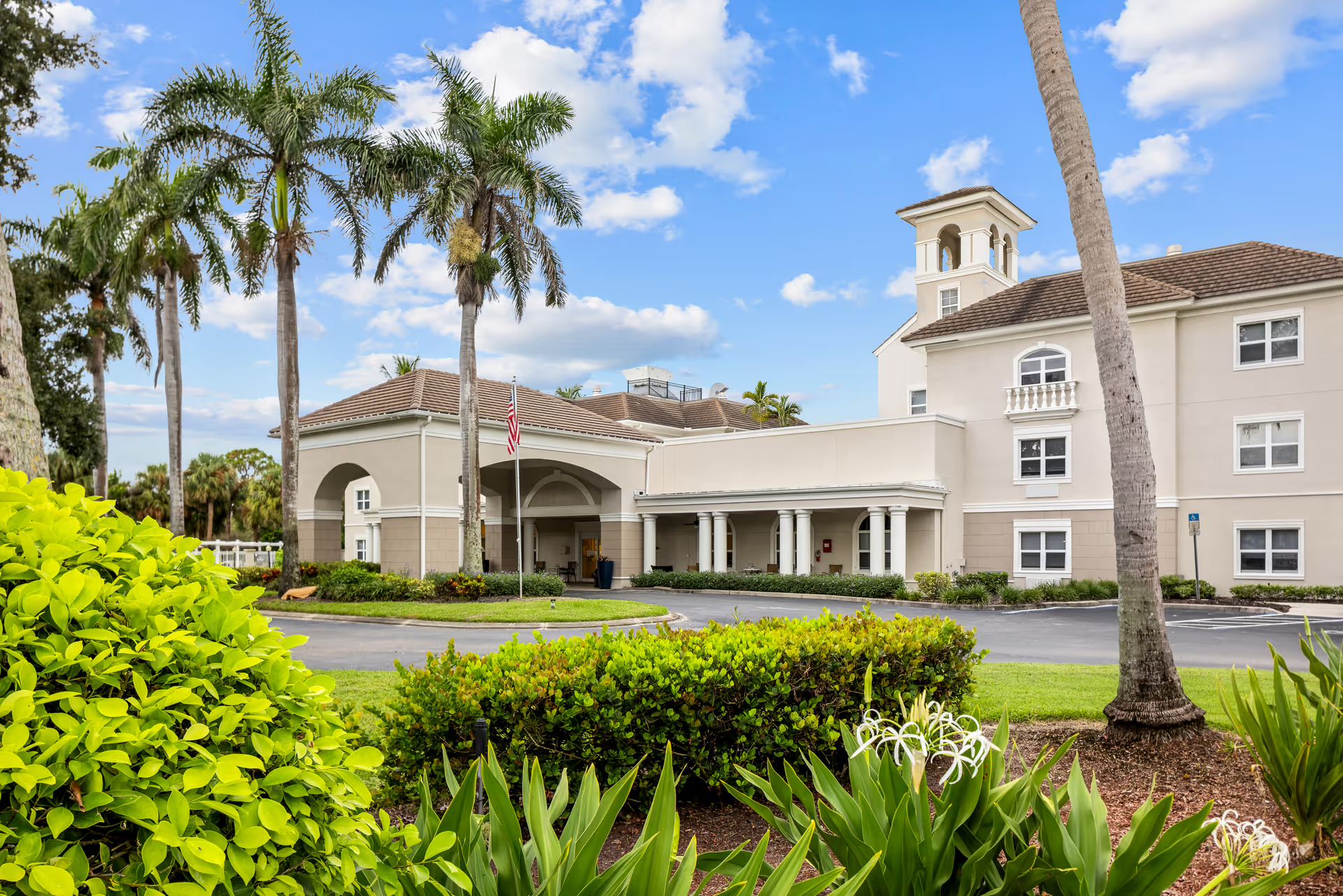
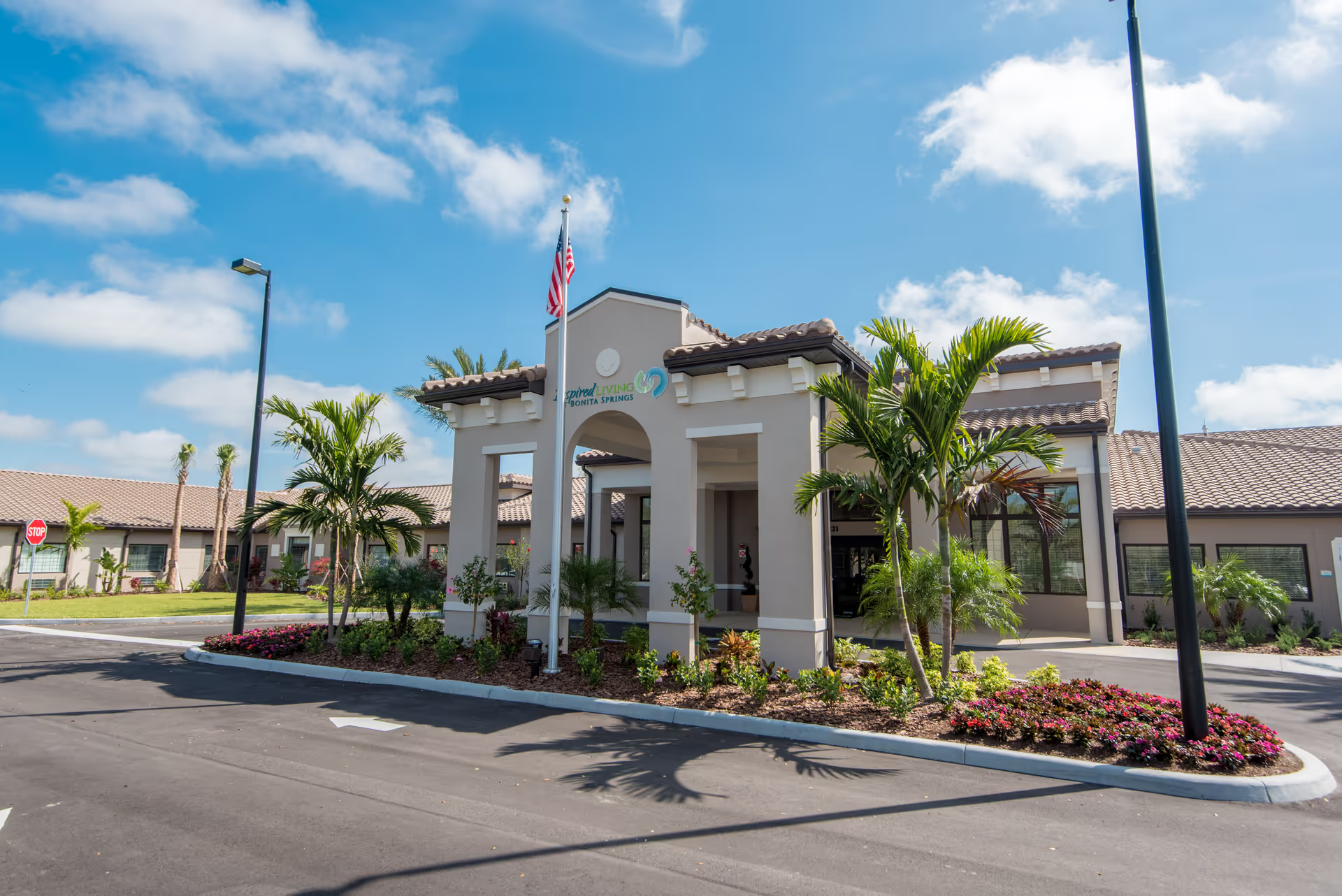
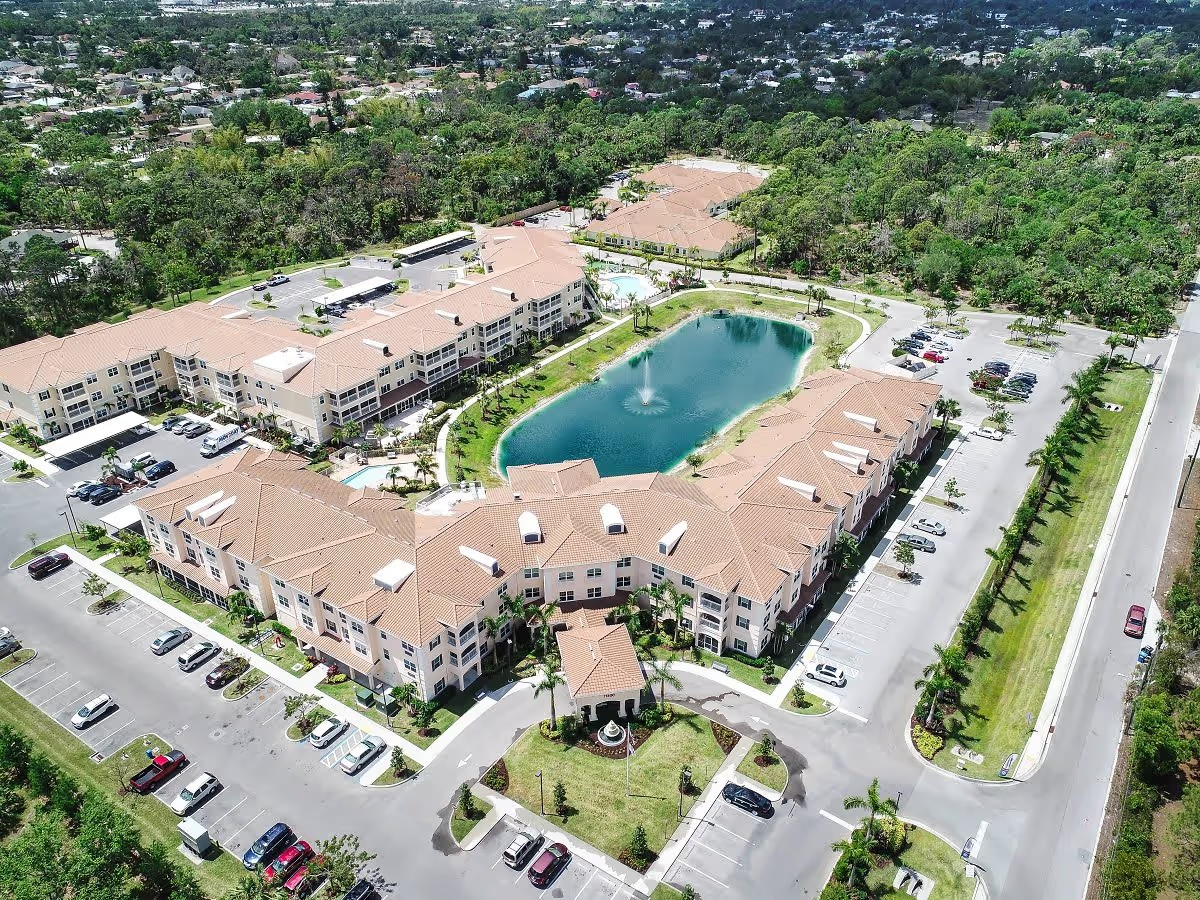
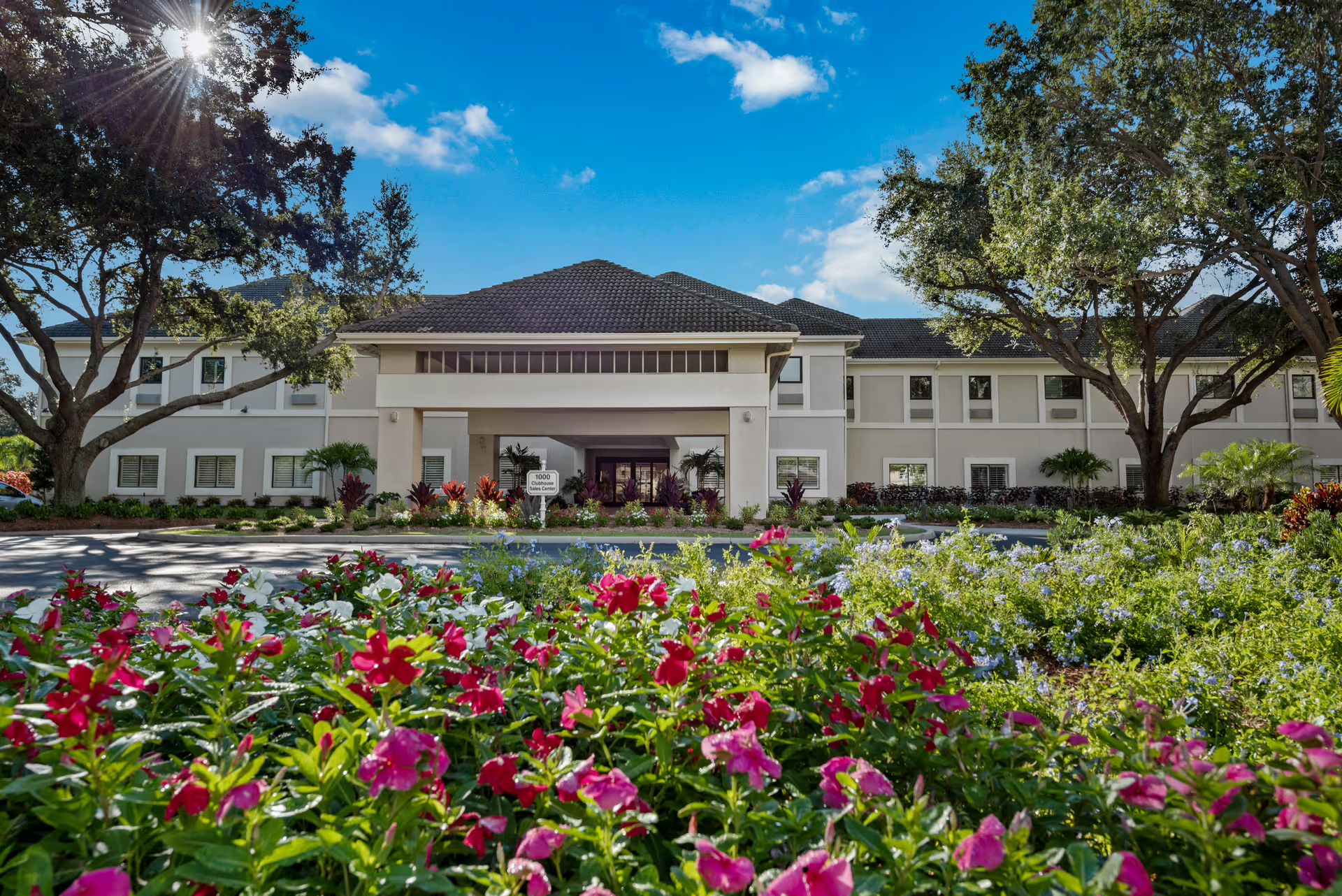
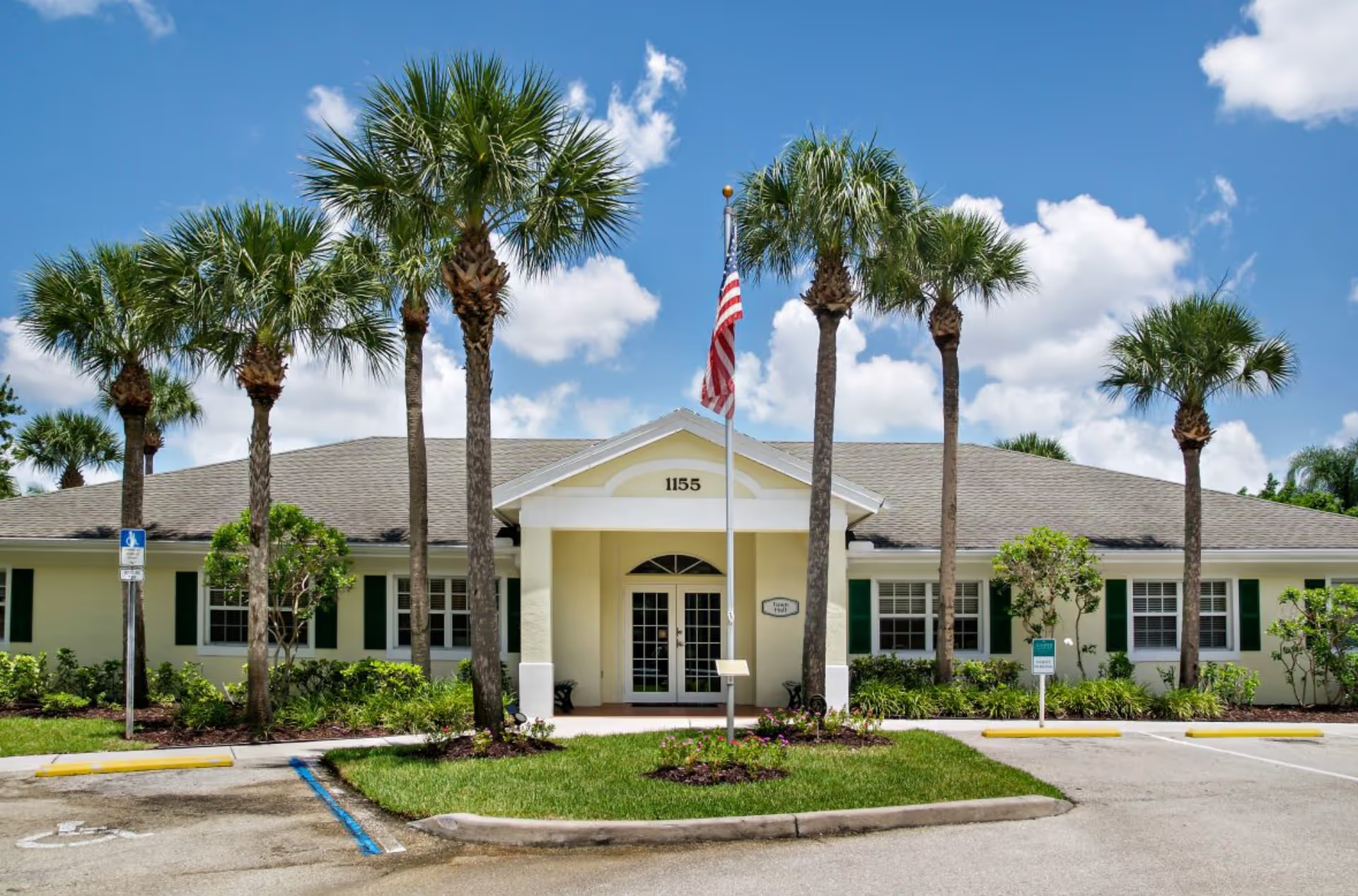
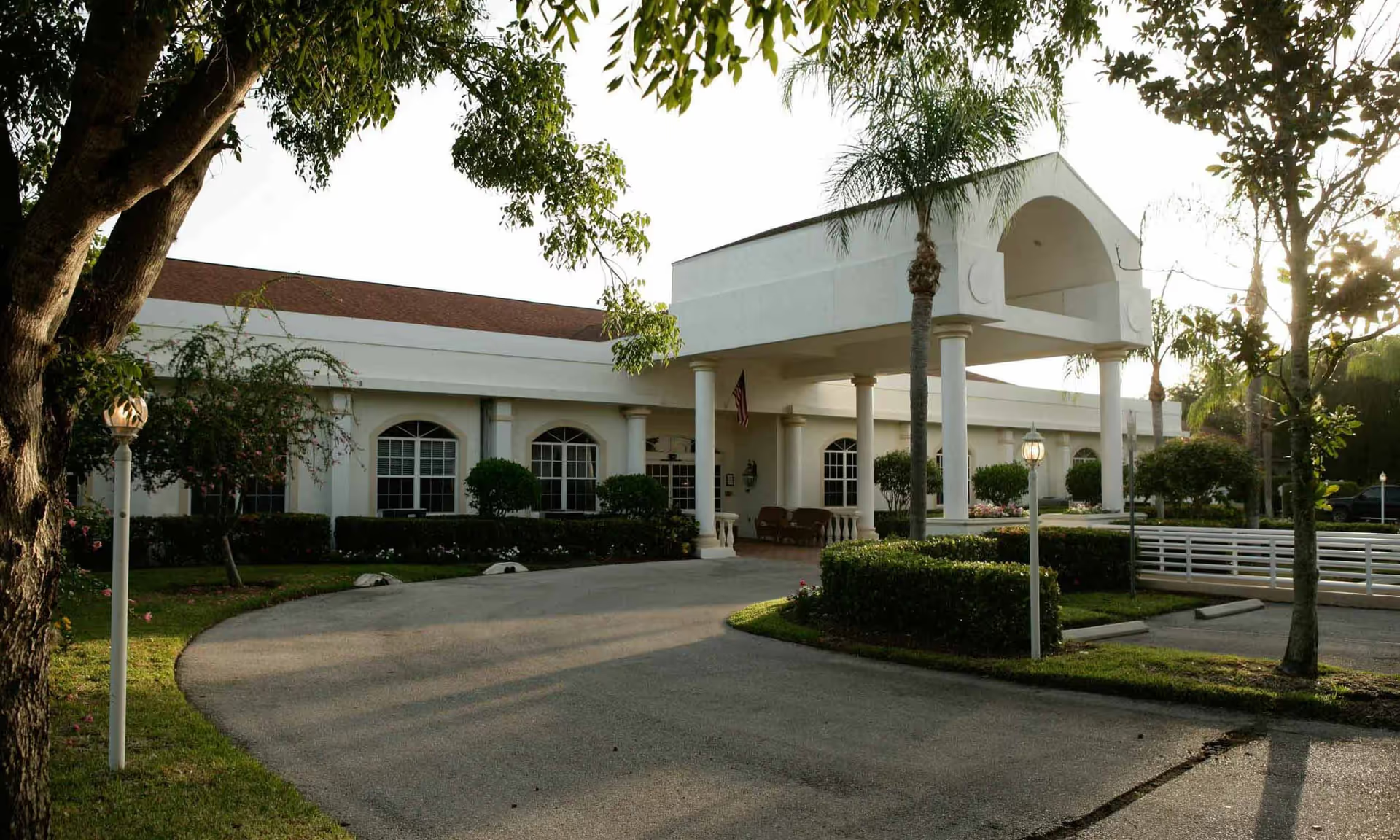
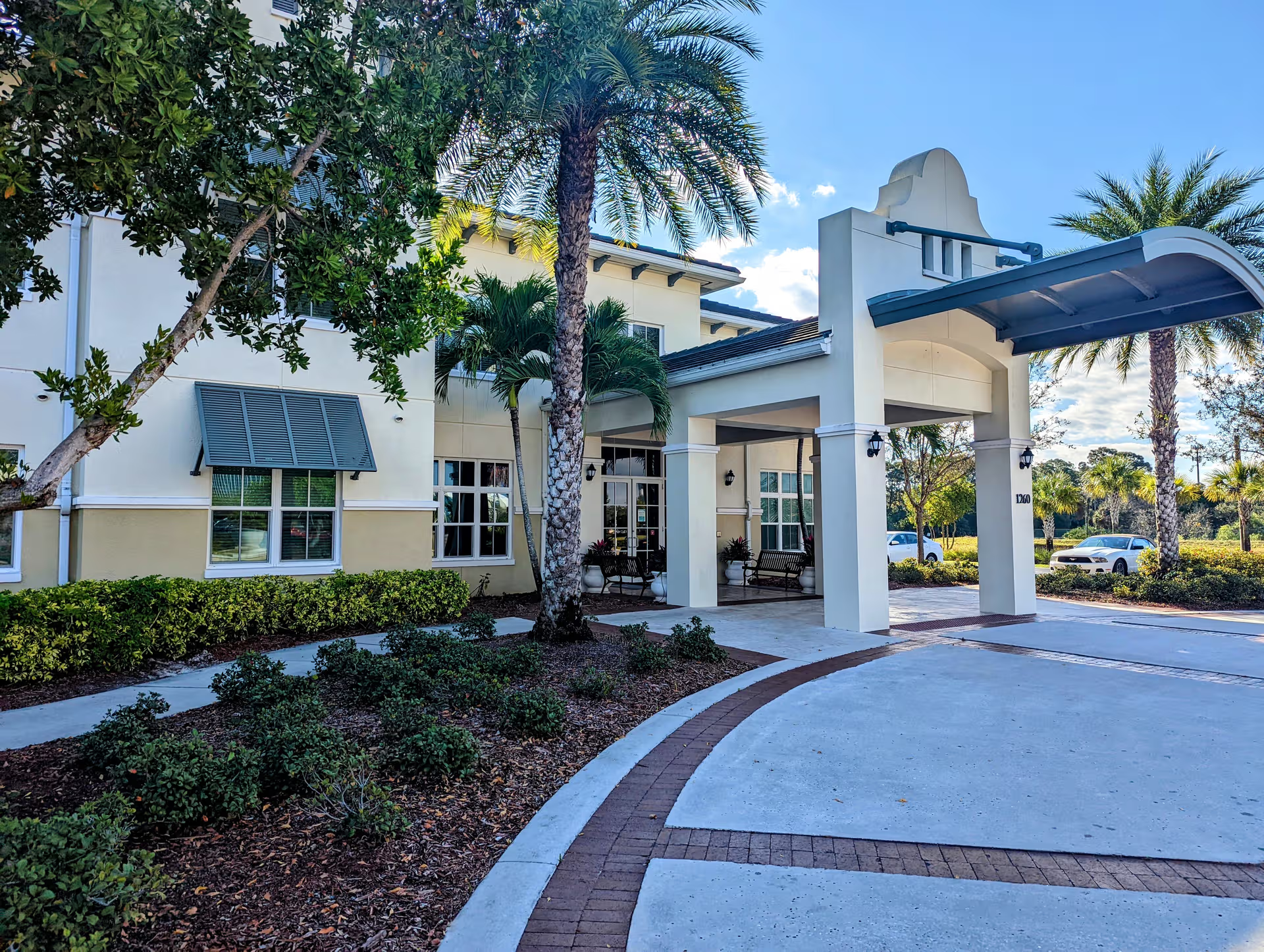
American House Coconut Point presents a largely modern, resort-style campus with a wide variety of amenities and apartment-style living. Many families and residents praised the physical environment: new or recently renovated interiors, attractive outdoor courtyards, a movie theater, multiple pools (including accessible pool access), fitness and spa spaces, and convenient proximity to shopping and medical services. The community model spans independent living, assisted living, and memory care in one building, which is appealing to families seeking continuity of setting.
Care and staff performance are described in mixed terms. A substantial portion of feedback highlights warm, compassionate, and attentive caregivers, plus several individual staff members and leaders who drew repeated positive mention for above-and-beyond service. At the same time, reviewers consistently flagged operational instability: high staff turnover, inconsistent staffing levels (especially nights), and instances of delayed responses to call buttons. These patterns have produced variability in the day-to-day resident experience, including delays in assistance and concerns about medication administration and clinical coordination. Families should specifically evaluate staffing ratios, night coverage, and medication management protocols when touring.
Dining and household services are another area of divergence. The community offers chef-led menus with daily changes and a number of reviewers praised portions and variety. Conversely, other accounts describe inconsistent meal quality, cold or late meal delivery, and occasional failures to meet specific dietary needs (for example diabetic accommodations). Housekeeping and maintenance were often praised for cleanliness and responsiveness, but there are also isolated sanitation and pest-control concerns and inconsistent handling of laundry and personal items; prospective families should ask about pest management, laundry processes, and kitchen oversight.
Activities and therapy offerings are strong relative to many peers: reviewers cite a robust calendar of games, pool therapy, exercise classes, billiards, bridge, Wii bowling, and frequent scheduled social events. On-site physical, occupational, and speech therapy were reported as available, and many residents described active social lives and regained independence. Activity availability has at times been constrained by pandemic-related or startup operational changes; expect program schedules to vary and confirm current offerings during a visit.
Management and communications show notable variability. Several administrators and front-desk staff received high praise for helpfulness and clear onboarding, while other reviewers described difficulty reaching management, inconsistent follow-through on family communications, and frequent leadership turnover that correlated with uneven service. There are also financial and contractual points to confirm in advance: move-in fees, month-to-month lease terms, extra charges for medication distribution, and the facility’s policies for transfers if a resident’s care needs exceed the community’s capabilities.
Patterns to note: experiences at this campus are polarized—many families describe a well-run, caring community that delivers good value and strong social and recreational programming, while a distinct set of accounts points to operational weaknesses that affect safety, timeliness of care, and meal reliability. Recommended steps for prospective residents and families include direct observation of staffing levels during different shifts, testing call-button response, reviewing medication-administration and emergency protocols, inspecting memory-care areas closely, asking for recent pest-control and sanitation documentation, and confirming specific dietary accommodations in writing. These targeted checks will help determine whether the community’s strengths line up with a prospective resident’s clinical and social needs.