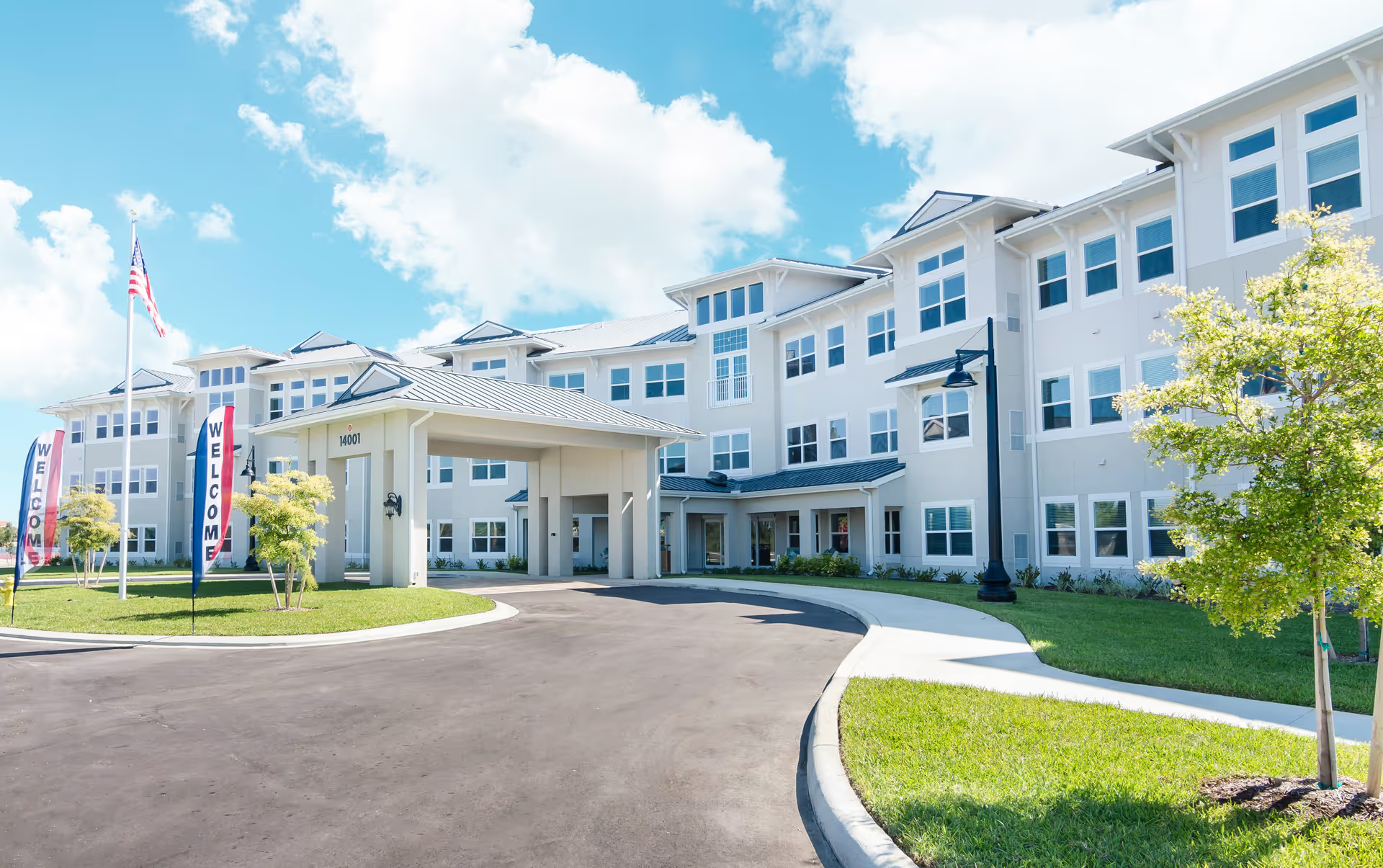
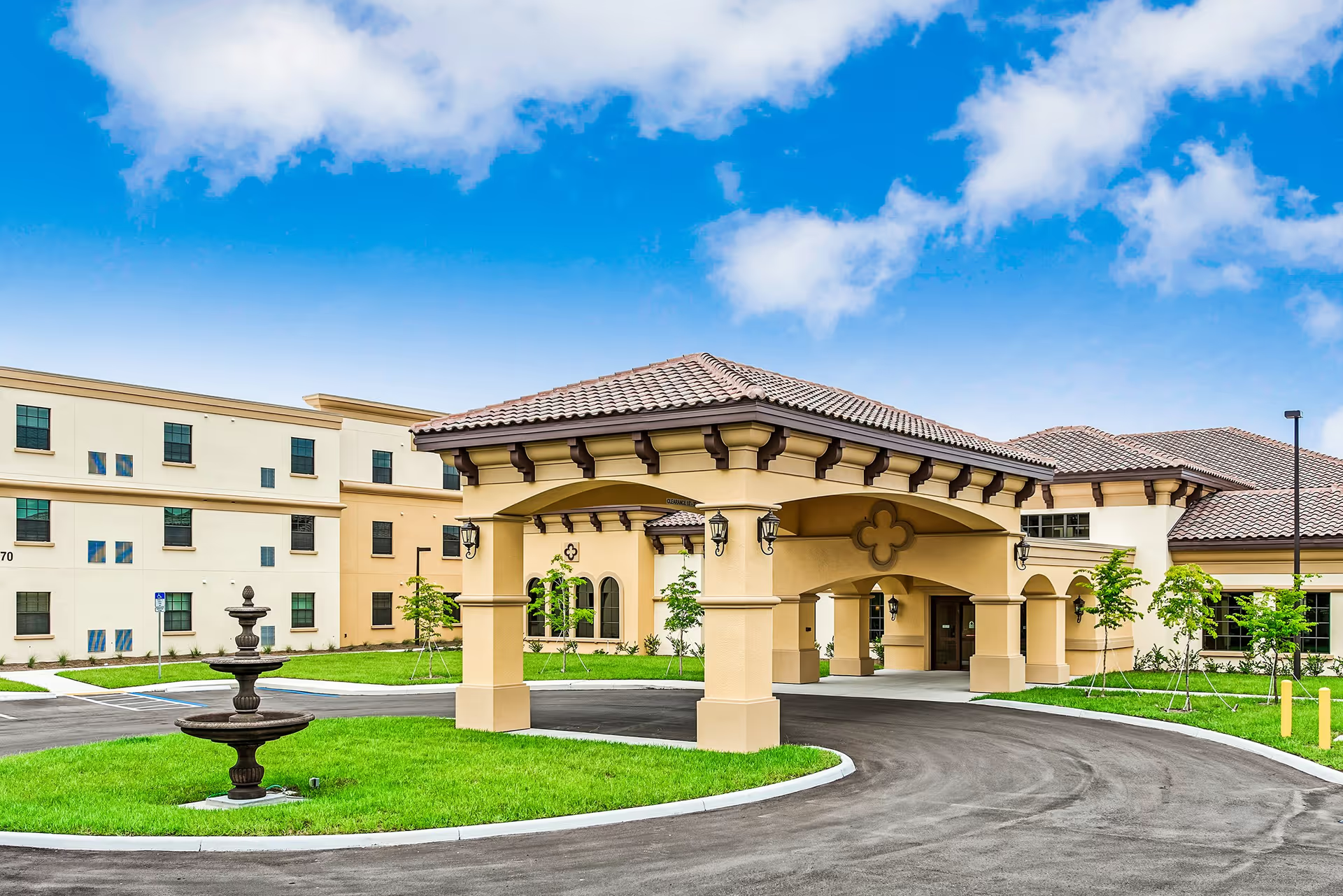
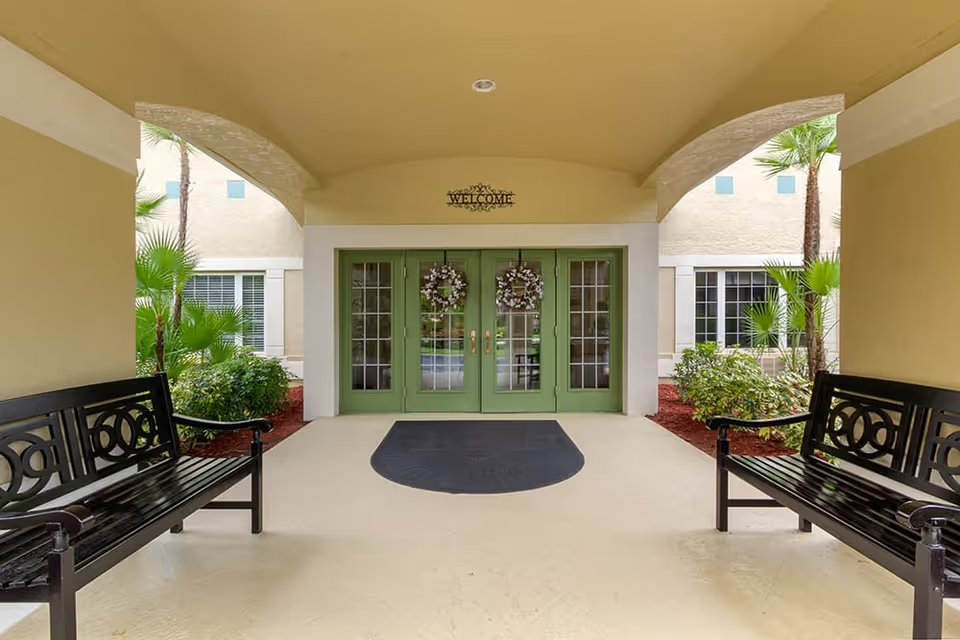
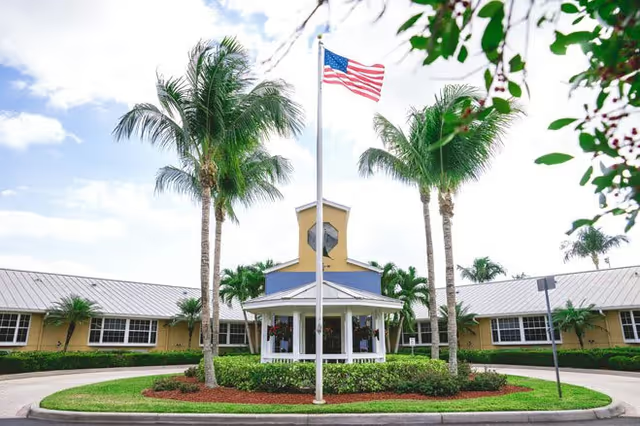
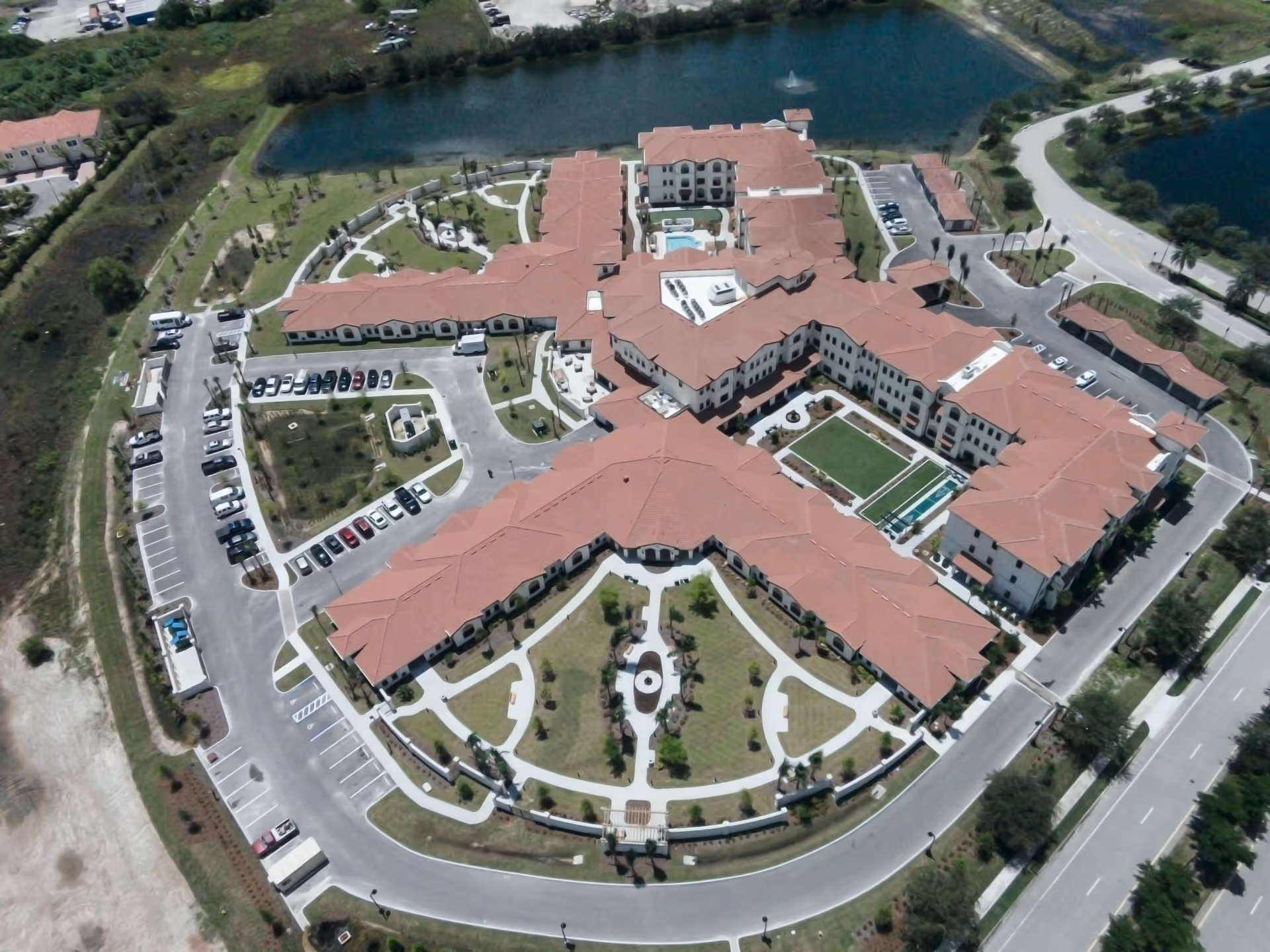
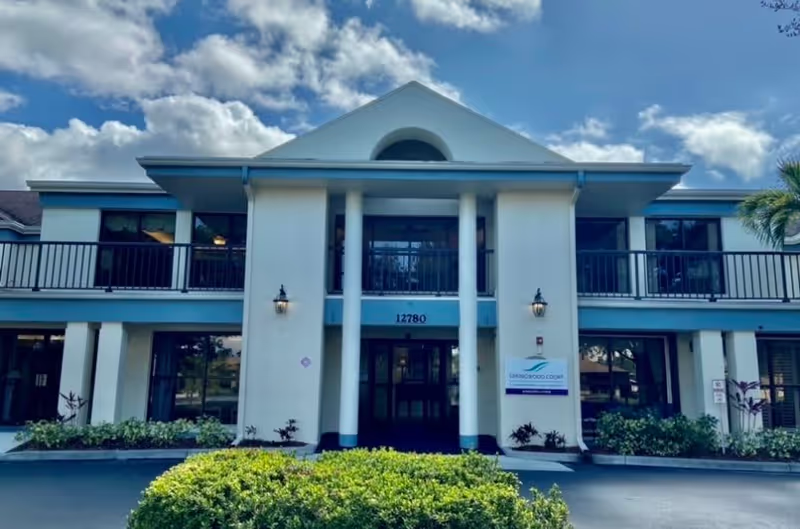
Canterfield Senior Living elicits a broadly positive response for its physical plant, therapeutic services and many members of its caregiving team, while also showing recurring operational weaknesses that families should evaluate during a tour. The community's most consistent strengths include a new, well-maintained facility with upscale finishes, climate-controlled suites, attractive common areas (theater, courtyard, dining room), and secure memory-care spaces. Several reviewers highlighted the availability of comprehensive therapy services (PT/OT/ST), a capable short-term rehab program, and many amenities that support social engagement and quality of life.
Staff and care quality are often described as compassionate and person-focused. Numerous accounts praise caregivers who know residents by name, an engaged activities team that runs a varied calendar, and leadership or admissions staff who facilitate quick move-ins and ongoing family communication (weekly updates and photos were noted). The community is also frequently commended for hospice integration and individualized memory-care approaches that many families felt improved their loved ones’ quality of life.
Despite these strengths, a pattern of operational issues appears across reviews. Staffing levels and coverage are inconsistent, with particular concerns about weekend staffing and occasions when response times lag. This contributes to reports of variable staff conduct and morale, and to uneven supervision and higher turnover. Some families described lapses in personal-care routines and sanitation tasks, along with concerns about transfer-handling and mobility-safety practices; these point to training and process gaps rather than facility design. There are also multiple accounts indicating inventory-control weaknesses that have led to missing personal supplies.
Dining and activity offerings are generally praised for presentation and variety, but several reviewers noted variability in meal quality and limited menu options or fresh produce at times. The activities program is an overall strength—especially where a dedicated director is in place—but participation levels and encouragement can vary between shifts and units. Construction around the campus and unfinished external surroundings were noted as intermittent disruptions during the community’s early occupancy phase.
In summary, Canterfield presents as a modern, well-appointed community with many dedicated staff members and robust therapy and activity offerings. Prospective residents and families should weigh those positive attributes against recurring operational traits: inconsistent staffing and supervision, occasional sanitation and transfer-safety concerns, inventory-control gaps, and variability in dining. When considering this community, ask targeted questions about current staffing ratios (including weekend coverage), infection-control protocols, transfer and mobility training, inventory policies for resident supplies, and recent turnover rates; arrange multiple visits at different times of day to observe consistency of care and activity engagement.