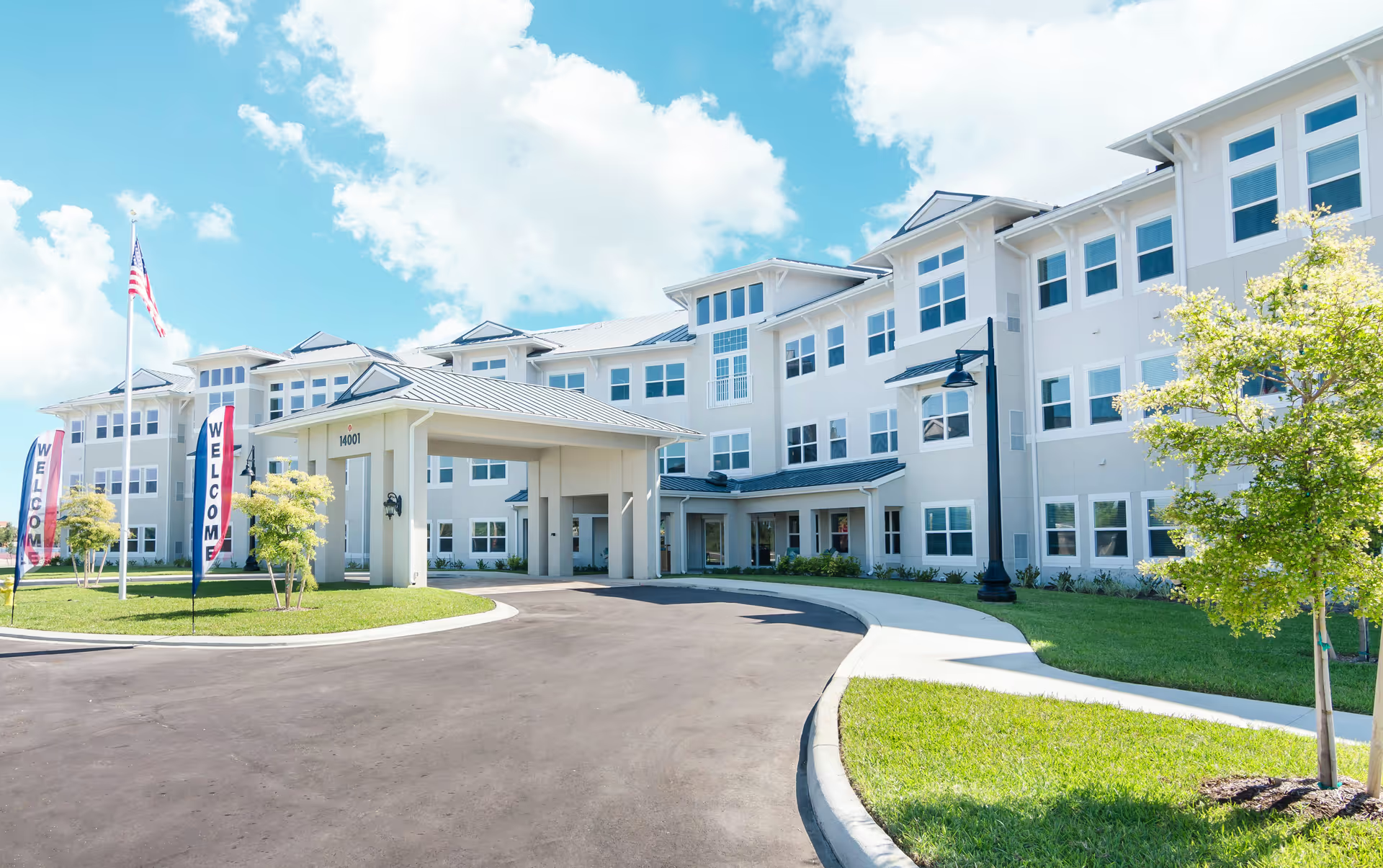
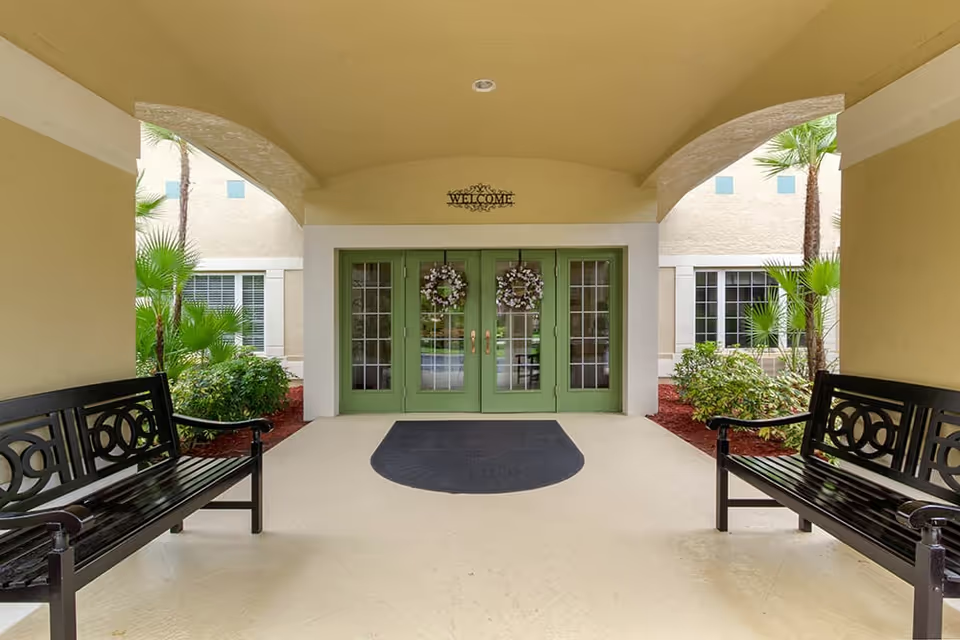
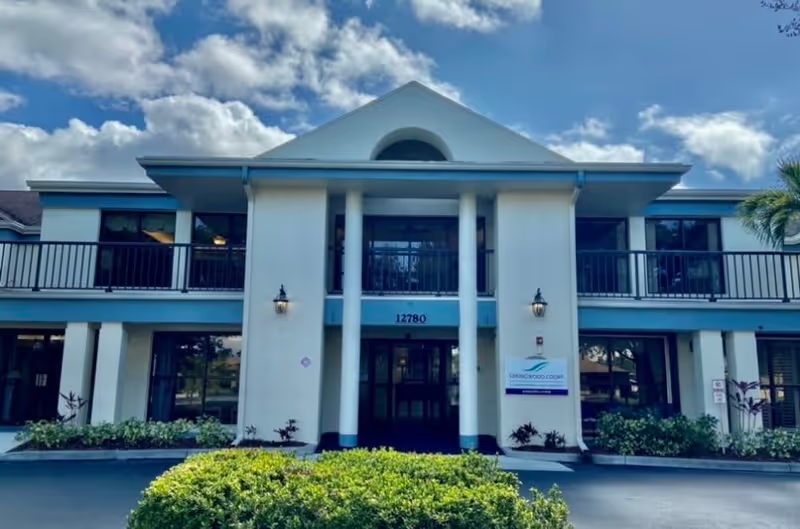
Discovery Commons Cypress Point presents as a modern, boutique senior living community with many strongly positive attributes alongside a cluster of operational concerns. Reviewers consistently praise the staff culture and leadership: caregivers, nursing personnel, executive leadership and several individual team members receive repeated commendation for being compassionate, accessible and hands-on. Many families describe a welcoming, family-like atmosphere, smooth admissions and transition processes, and visible administrative engagement that contribute to a strong sense of resident-centered care.
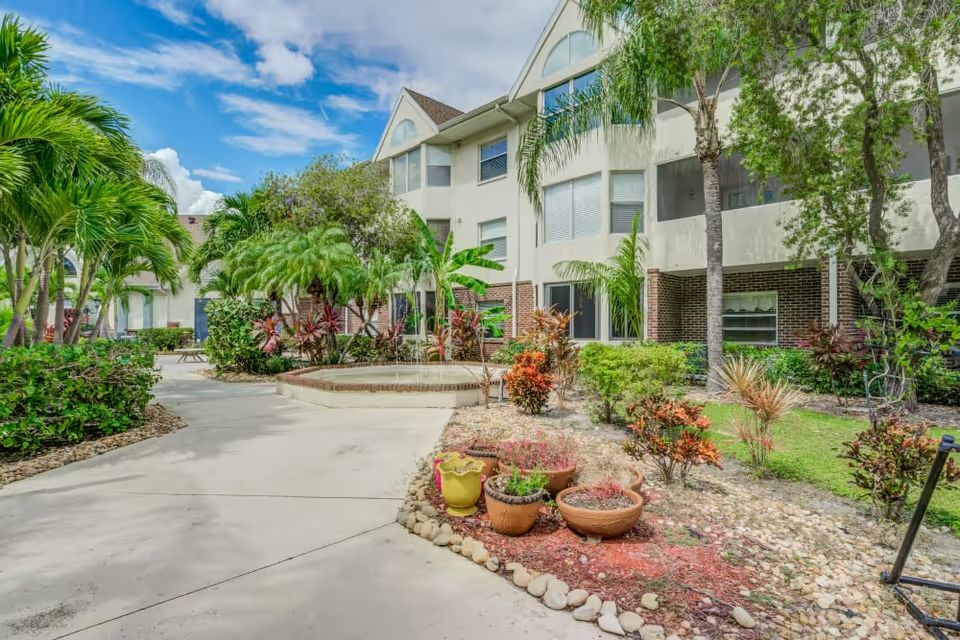
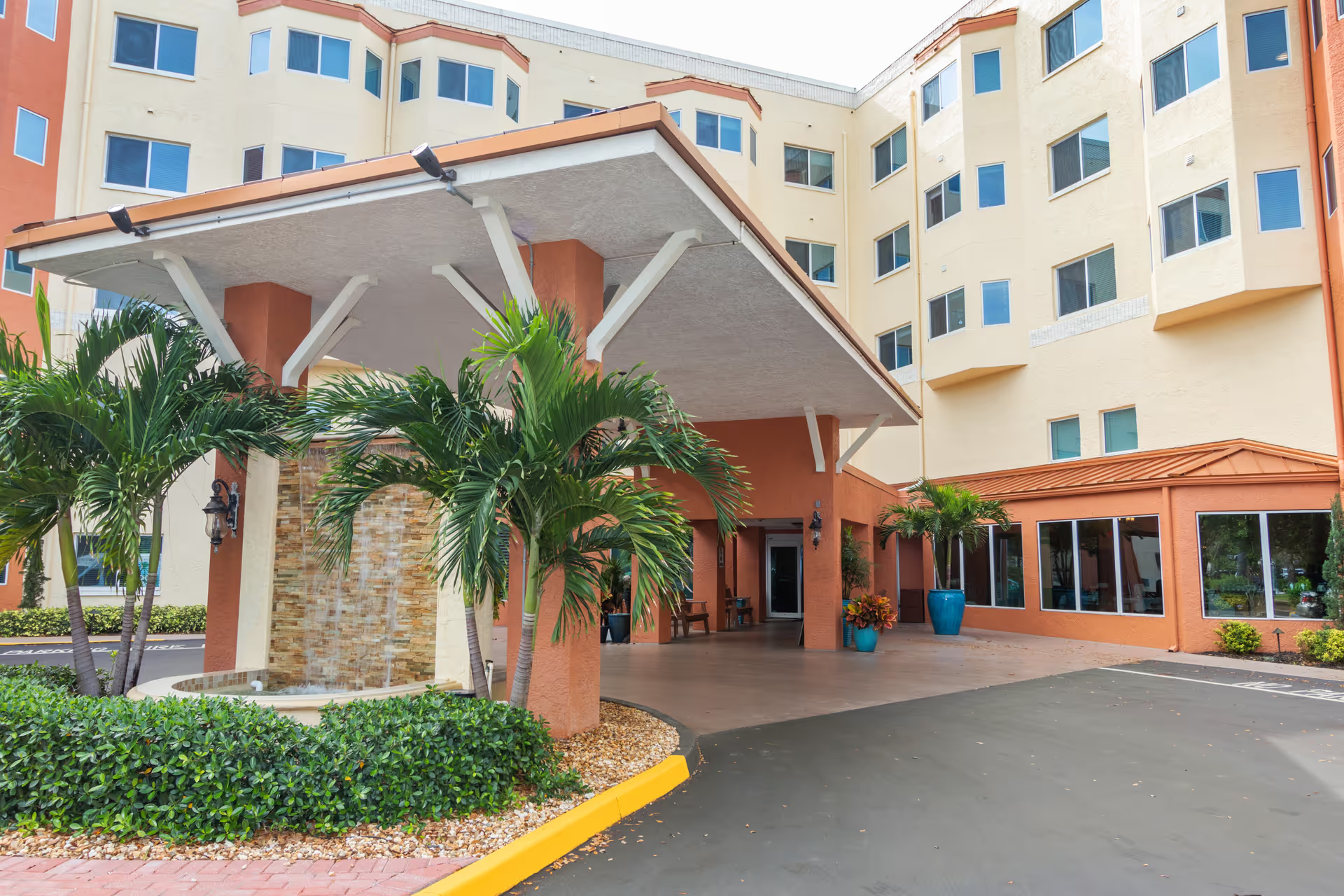
Dining and lifestyle are prominent strengths. The community offers restaurant-style dining with extended hours, chef-driven menus and a variety of meal options; the dining room is noted as bright and social. Activities and engagement programming are extensive — exercise, creative classes, outings, holiday and birthday celebrations, therapy dog visits and memory-care programming — and are frequently cited as contributing to residents’ social connections and quality of life. The property itself is described as clean, newly renovated or new in many areas, with bright common spaces, comfortable apartments and accessible amenities shared between assisted living and memory care.
At the same time, a subset of reviews raises operational concerns that prospective families should explore directly. Staffing and scheduling inconsistencies appear as a recurring theme: reviewers describe variable staff responsiveness, occasional scheduling errors, and signs of staffing strain related to low census or staff-hours adjustments. Related clinical concerns include inconsistent care coordination and medication-management practices; a few reviewers characterized these as significant enough to affect outcomes. Sanitation and incontinence-care practices were also identified as a problem area in some accounts, as were intermittent lapses in meal-service execution (cold meals, menu items unavailable, or portions of service oversight).
Management performance is presented as mixed: many reviewers praise responsive leadership and specific administrators, while others report difficulty reaching clinical leadership, delays in problem resolution, or frustration with price increases and perceived value for room size. Memory-care operations are generally viewed positively with secure units and flexible visitation/sign-out processes, but the community may be less suitable for residents requiring higher-acuity nursing care.
Overall, the pattern is polarized: a substantial number of families report very positive experiences centered on compassionate staff, strong dining and engaging activities in a well-maintained environment; a smaller but notable subset reports operational weaknesses that affect day-to-day care. Recommended due diligence for prospective residents includes observing staffing levels during different shifts, reviewing sanitation and incontinence-care protocols, asking about medication-administration safeguards and incident reporting, sampling a mealtime to assess service consistency, and discussing current staffing ratios and recent turnover or schedule changes with leadership.