Merrill Gardens at Barkley Place earns frequent commendation for its resident-focused culture and extensive social programming. Reviewers commonly highlight staff qualities — described as compassionate, personable, and long-tenured — and many families emphasize that staff know residents by name, facilitate introductions, and provide strong support during transitions. The community offers on-site clinical supports (physical and occupational therapy, LPN presence, and lab services) and an assisted-living option that residents can transition into, which contributes to a perception of continuity of care for independent-living residents.
Dining and activities are central strengths. Multiple comments praise chef-prepared meals, varied menus, white-tablecloth dining, and an engaged dining experience. The activity program is broad and active: exercise classes, gardening, Wii bowling, card games, movie nights, outings, volunteer and church transportation, and an ambassador program to help new residents acclimate. These structured opportunities are associated with faster social adjustment for many residents and are repeatedly cited as a reason families recommend the community.
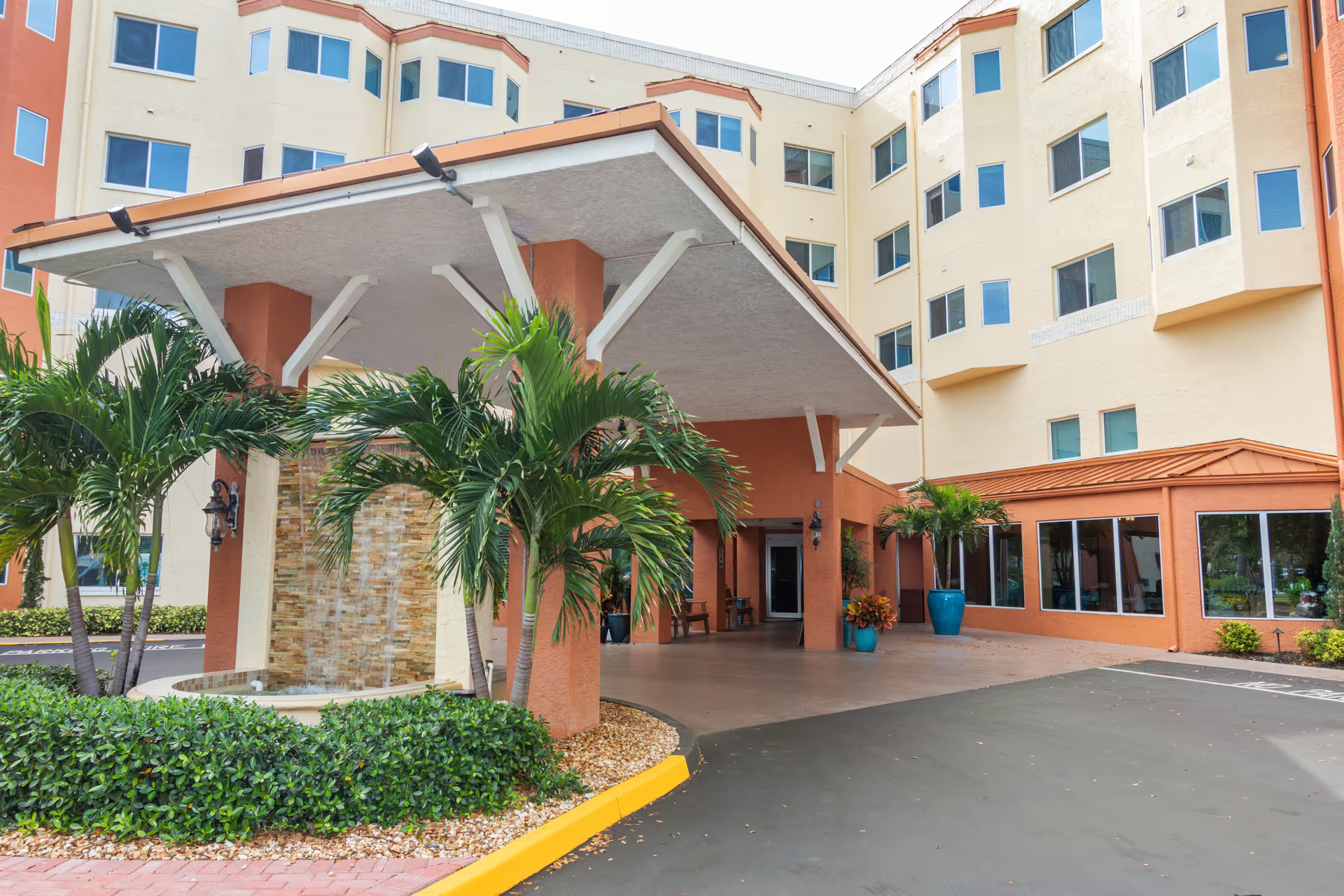
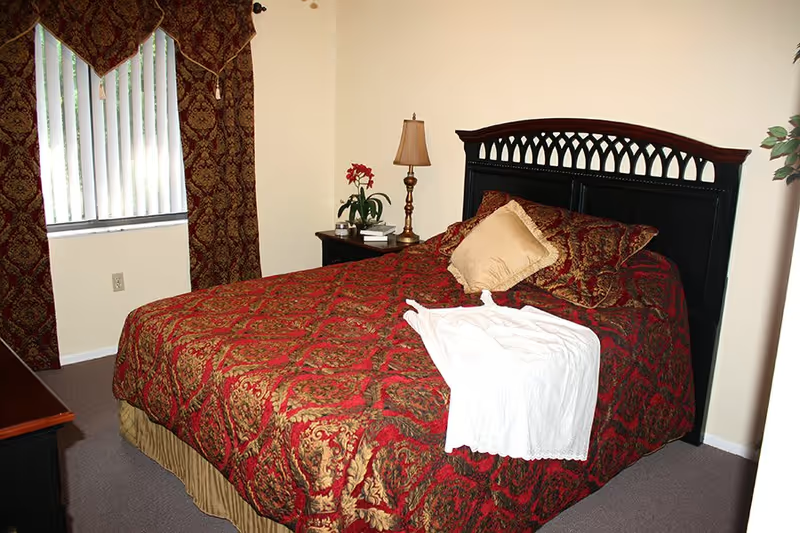
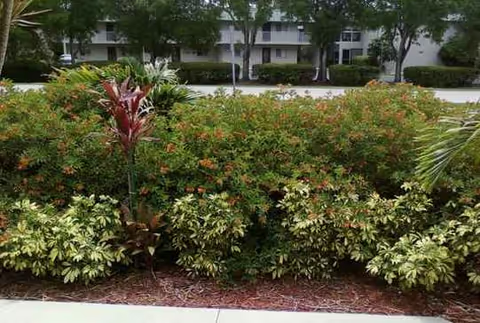
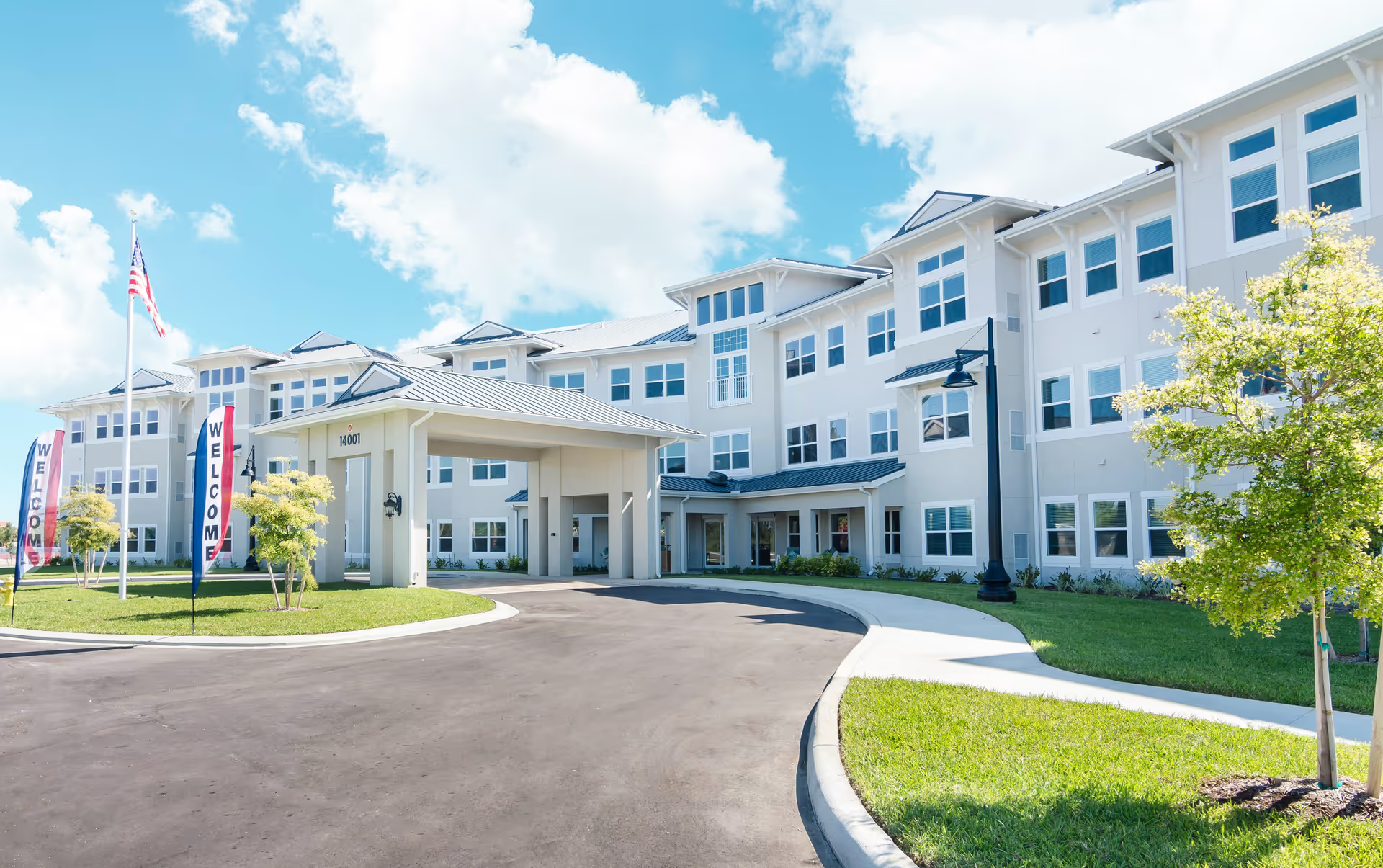
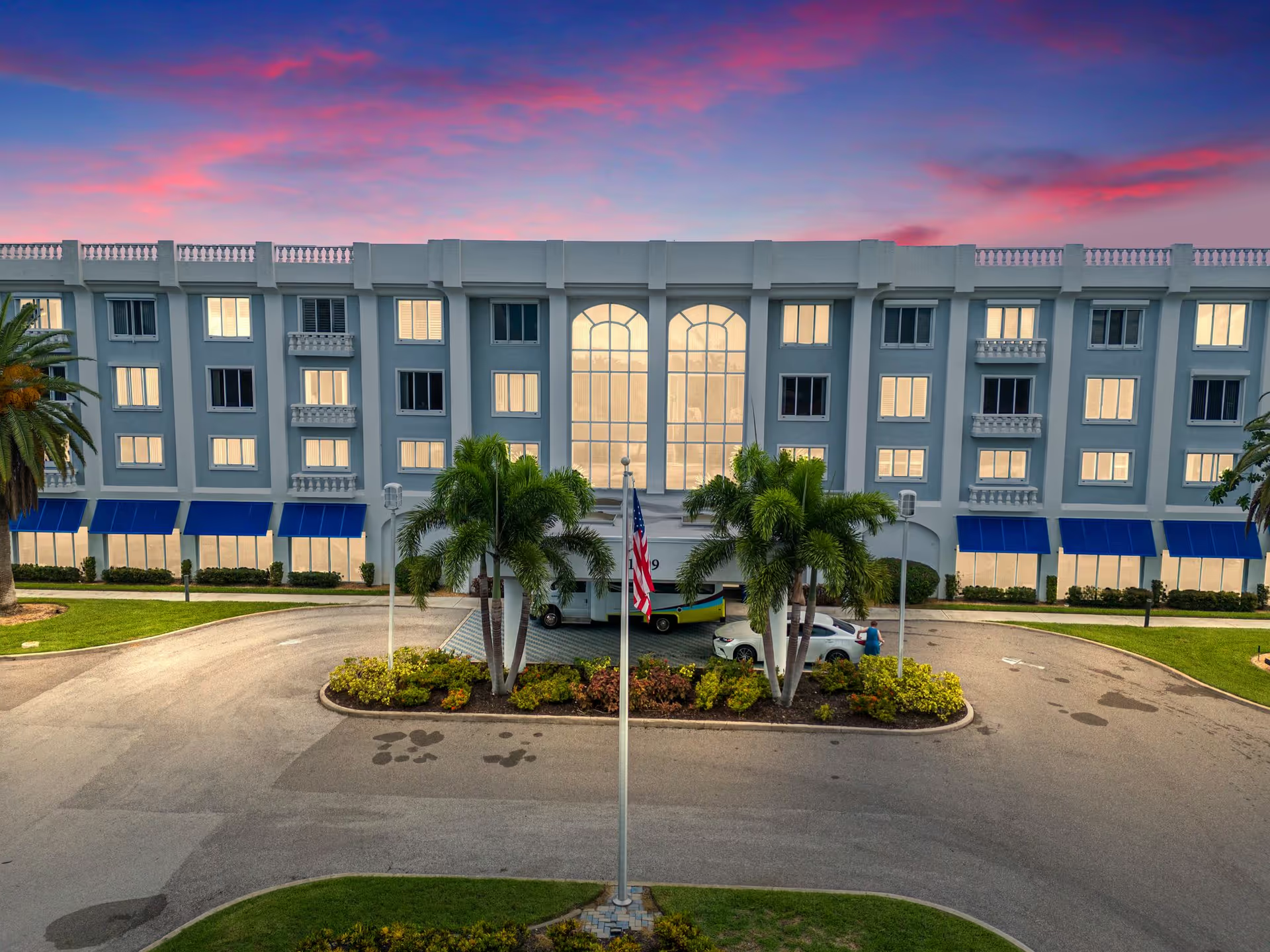
Facility amenities are substantial for the neighborhood scale: an indoor pool, gym/fitness room, library, salons, multiple common rooms, and attractive landscaping. Grounds and outdoor seating are frequently described as pleasant and well-used. Apartment configurations range from studios to one-bedrooms with full kitchens; many residents report hotel-like, bright units that feel home-like. The community’s location near medical services, shopping, and churches is also noted as convenient.
There are recurring operational patterns that prospective residents should evaluate in person. Several reviewers describe uneven building maintenance and cosmetic upkeep — peeling paint, touch-up needs, and occasional outdoor furniture or trash issues — as well as intermittent in-unit problems such as HVAC leaks, dishwasher failures, or mold concerns. These point to variability in maintenance responsiveness and reliability of appliances. Accessibility and bathroom-safety features were flagged in a subset of comments, suggesting that unit-by-unit review of grab bars, shower size, and flooring condition is advisable.
Service consistency is another mixed area. While many families praise timely communication (especially during storms) and described a smooth move-in process, others noted staffing shortages that affect dining-service speed, meal temperature and portion consistency, and slower-than-expected maintenance follow-up. There are also notes about uneven housekeeping quality and occasional pest-control and sanitation concerns that warrant direct inquiry. A few reviews raise questions about clinical coordination or clarity of care levels; those planning for higher-acuity needs should confirm nursing structures and transfer protocols in writing.
Overall, Barkley Place appears to be a community with strong interpersonal strengths — engaged staff, active programming, and useful on-site clinical supports — paired with the trade-offs of an older, evolving facility where maintenance, food-service consistency, and occasional staffing variability can affect day-to-day experience. For prospective residents and families, recommended next steps are an in-person visit at mealtime, inspection of the specific apartment unit and bathroom accessibility, discussion of maintenance response times and staffing levels, and clarification of the assisted-living transition pathway and clinical staffing model.