The Palms of Fort Myers receives consistent praise for its caring staff, broad programming, and amenity-rich campus. Reviews emphasize a warm, home-like atmosphere created by attentive nursing and care aides, many of whom are long tenured and singled out by name. Families and residents frequently describe smooth admissions and move-in support, effective transition planning, and staff who proactively personalize care. The community model—offering independent living, assisted living and memory care in one campus—is a recurring strength for families seeking continuity of services.
Dining and activities are central features of life at The Palms. The community offers restaurant-style dining and many reviewers praise chef-driven menus, large dining rooms, and frequent social meals. At the same time, dining is a polarized area: other reviewers cite inconsistent meal quality, management and service variability, repetitive menus, and occasional missing or incorrect items. The activities program is robust and diverse, with on-site music, exercise classes, arts, day trips and regular social events that support resident engagement and an active social culture.
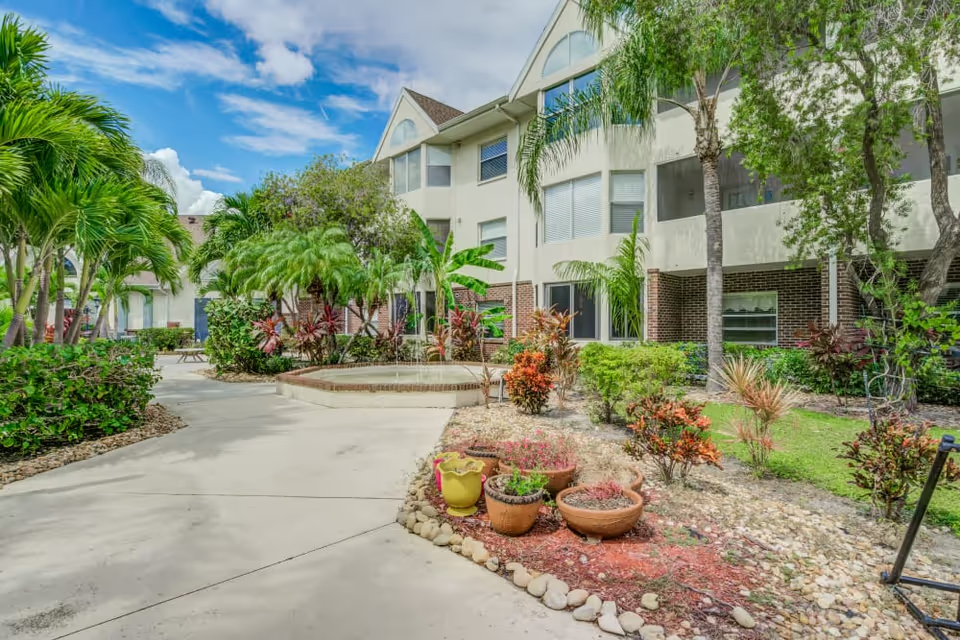
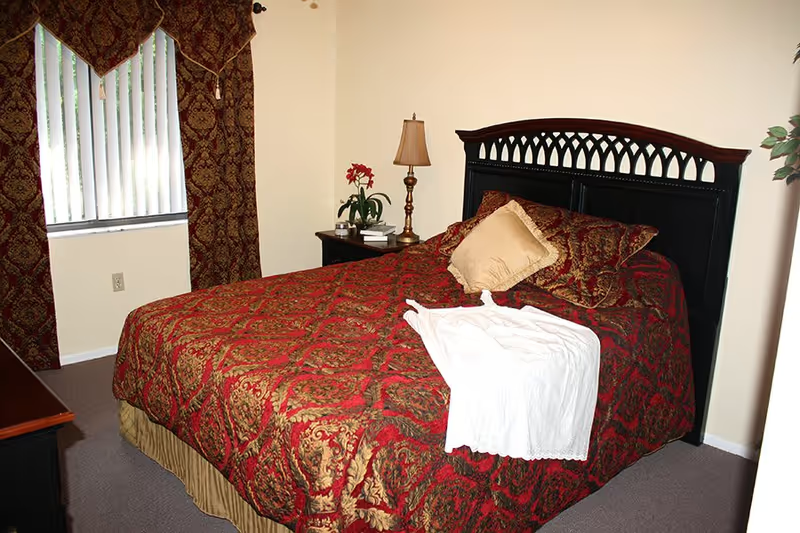
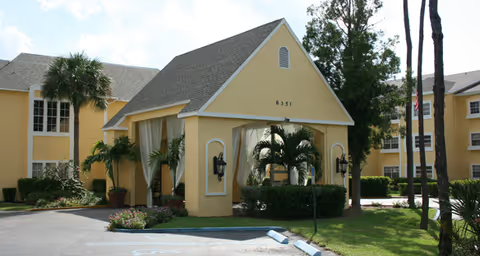
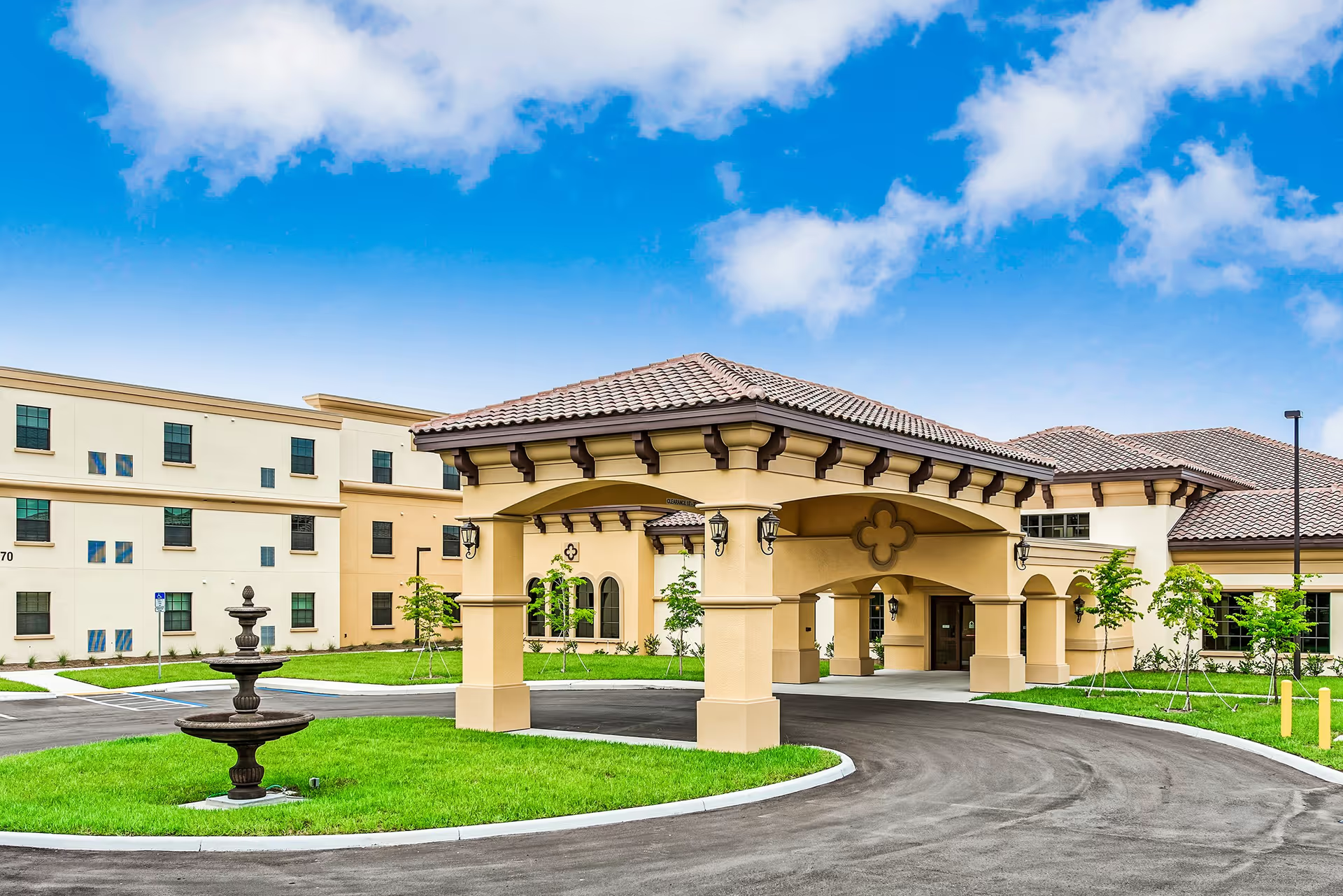
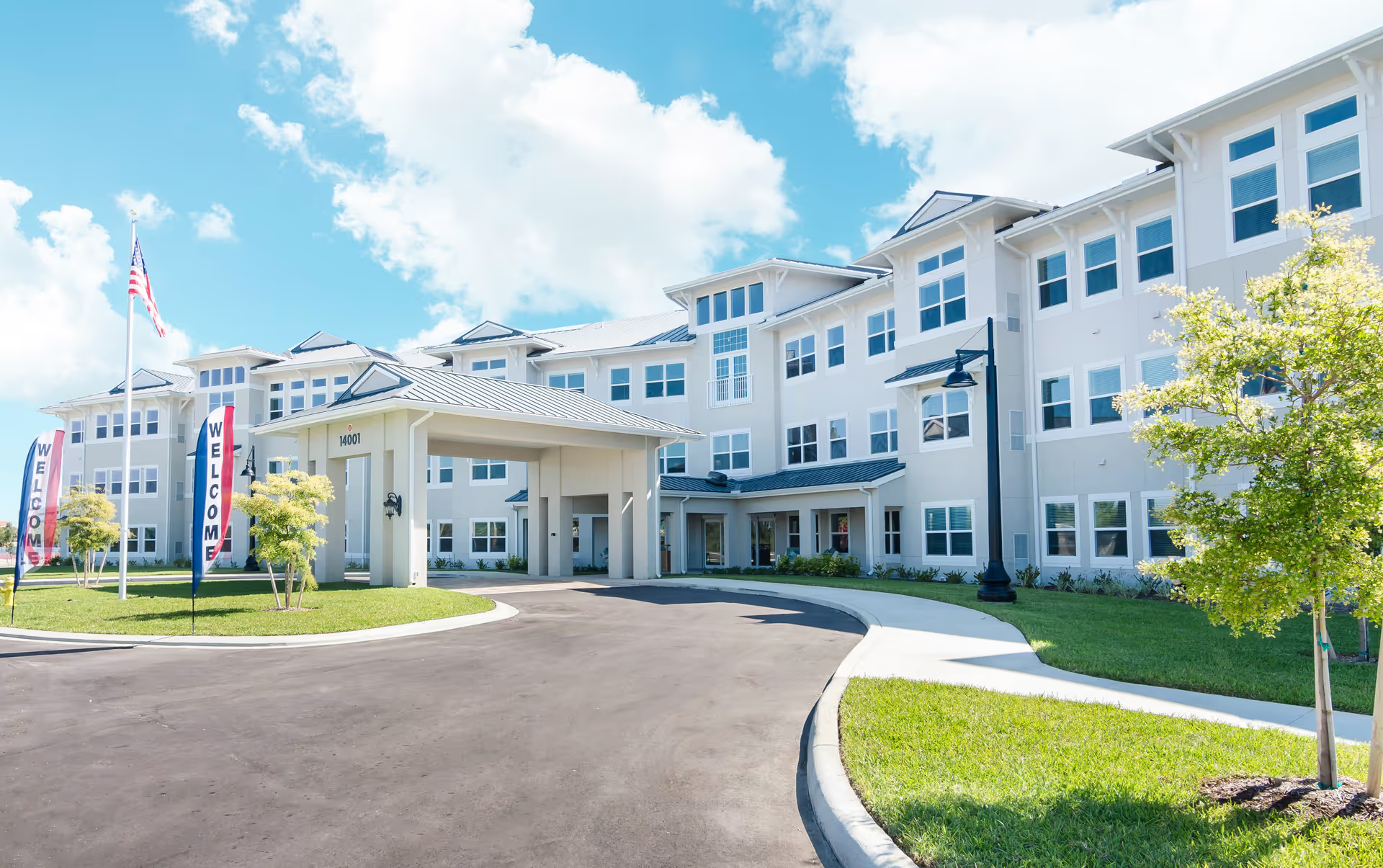
Facilities and amenities generally rate highly. Many comments note bright, well-maintained common areas, private and spacious apartment-style residences with living rooms and kitchenettes, attractive landscaping, and useful amenities such as a pool, fitness center, salon, theater and transportation service. The campus also garners positive attention for hurricane preparedness and generator backup. That said, reviewers point to some structural and operational drawbacks: older building sections, circulation constraints (notably elevator wait times), and location aspects that are less scenic for some prospective residents.
Operational and management patterns are mixed. Admissions and move-in coordination are often described as professional and supportive, and leadership is frequently accessible to families. Conversely, multiple reviewers identify operational weaknesses: inconsistent staff coverage and responsiveness at times, communication breakdowns (including phone and voicemail reliability), billing and refund processing errors, and occasional maintenance or housekeeping lapses. Unit availability and waiting lists are common and can lengthen move-in timelines.
Care quality is generally portrayed as compassionate and attentive, with positive accounts of medication management, nursing follow-up, and individualized support; families report peace of mind in many cases. However, there are also concerns about variability in staffing levels and responsiveness, and a small number of serious allegations about care lapses have been raised that would merit direct follow-up by families and regulators. Memory-care protocols are described as structured, but some families noted restrictive policies for outdoor access that may affect resident autonomy.
In summary, The Palms of Fort Myers appears to be a large, well-appointed community with strong social programming, capable admissions processes, and a staff base many families trust. Prospective residents should weigh the facility’s clear strengths—amenities, activities, and a caring workforce—against operational considerations such as dining consistency, administrative reliability, occasional staffing variability, and availability. For families with specific clinical or service concerns, a focused conversation with management about staffing ratios, dining management, communication procedures, and any outstanding serious-care allegations is advisable before making a placement decision.