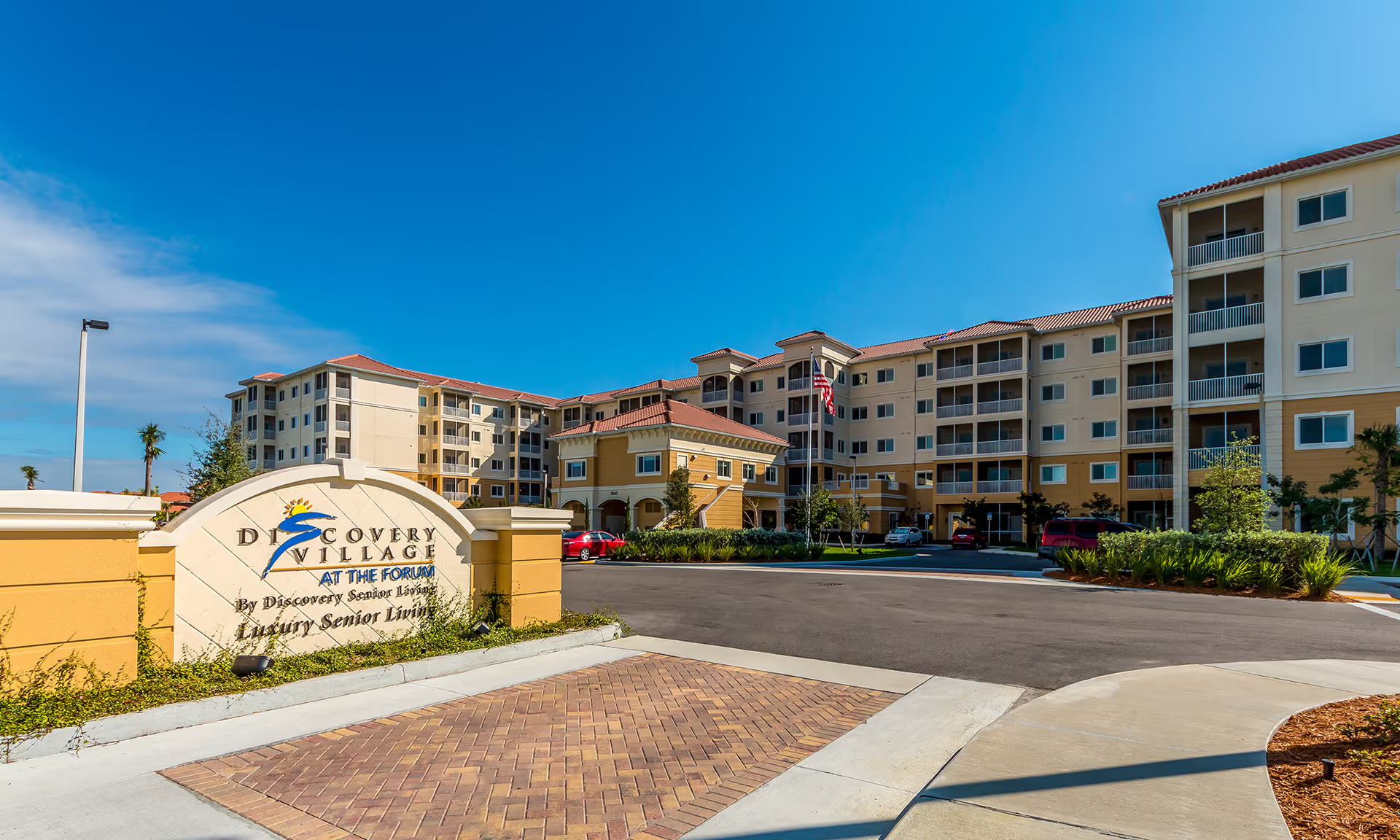
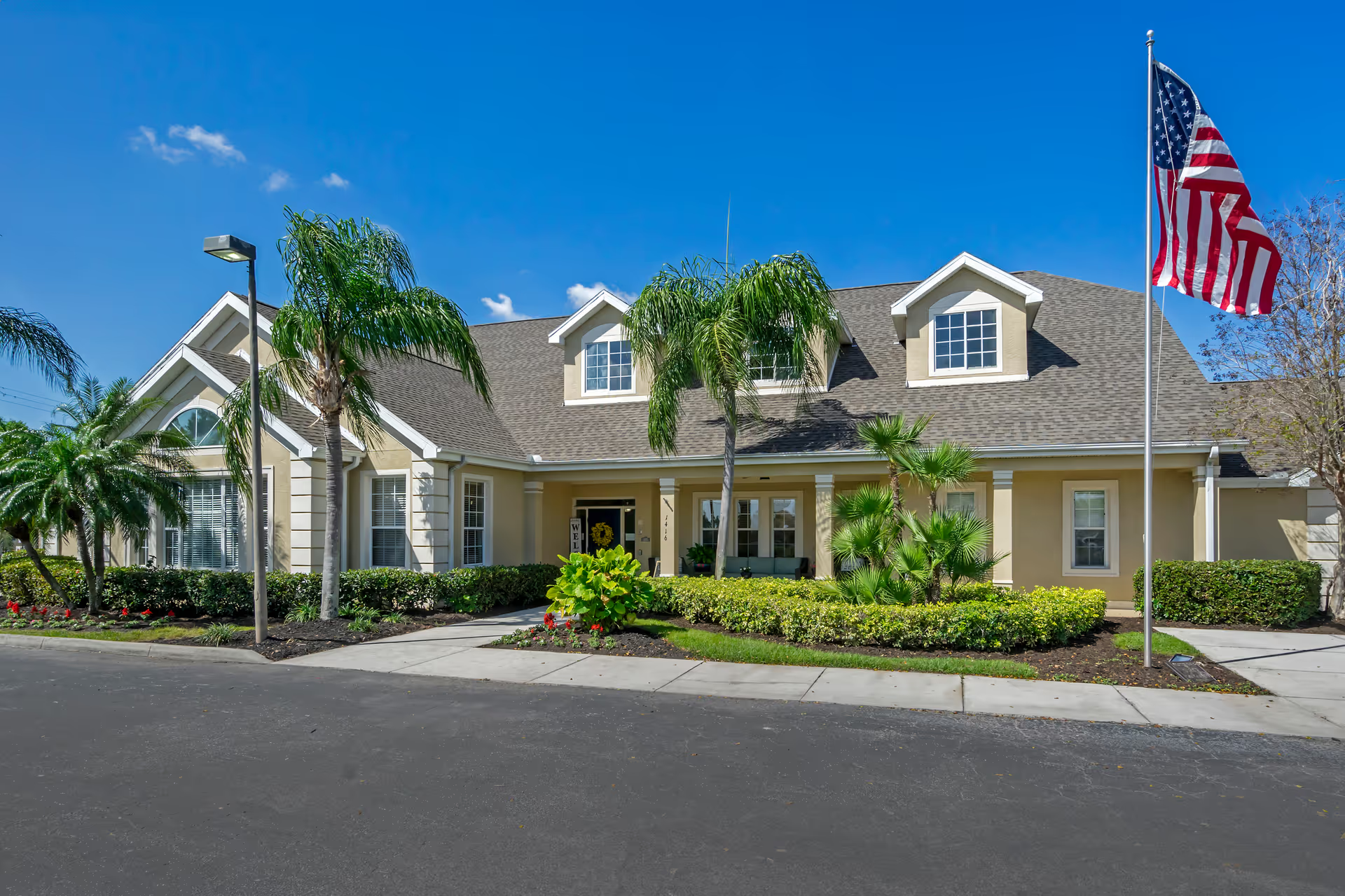
Calusa Harbour is consistently described as a large, riverfront retirement community with strong amenities, a resort-like dining model, and a very active social calendar. Strengths repeatedly cited include waterfront views, well-appointed common areas, weekly housekeeping, an on-site salon/library/fitness center, and broad transportation services for shopping and medical appointments. Many families praise the front-desk presence, security staffing, maintenance responsiveness, and a sales/onboarding team that eases move-in. Independent-living residents and visitors commonly describe a family-like atmosphere and plentiful activities (arts, classes, outings, games, live music), which contribute to high satisfaction for residents who are largely independent and socially engaged.
Care quality and staffing present a mixed picture. Numerous reports praise individual caregivers, CNAs, and nurses for compassion and personal attention; however, there is a recurring pattern of staffing shortfalls and inconsistent aide availability that affects responsiveness to call buttons and timely assistance. Clinical concerns raised across accounts include medication-management and documentation gaps, as well as inconsistent follow-through during transitions of care. Memory-care and Alzheimer’s-specific training are identified as an area needing improvement; families of residents with cognitive impairment expressed particular caution about secure dementia practices and staff preparedness. There are also operational concerns about emergency response times and how clinical incidents are communicated to families.
Dining is a hallmark of the community for many residents: restaurant-style service, chef-prepared menus, and multiple dining venues receive a great deal of praise. At the same time, reviewers describe variability in meal temperature, portioning, and menu continuity following changes in kitchen leadership or recipes. Prospective residents should note that while cuisine quality is often strong, day-to-day consistency and visitor meal pricing have been cited as uneven.
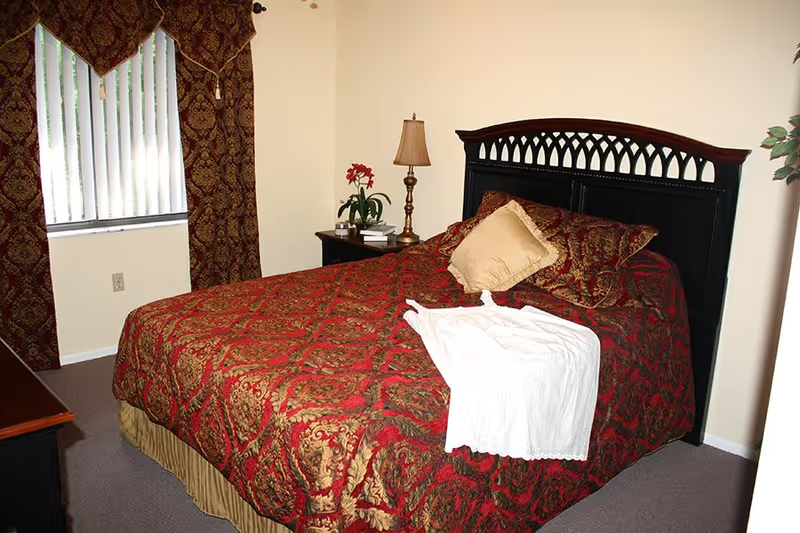
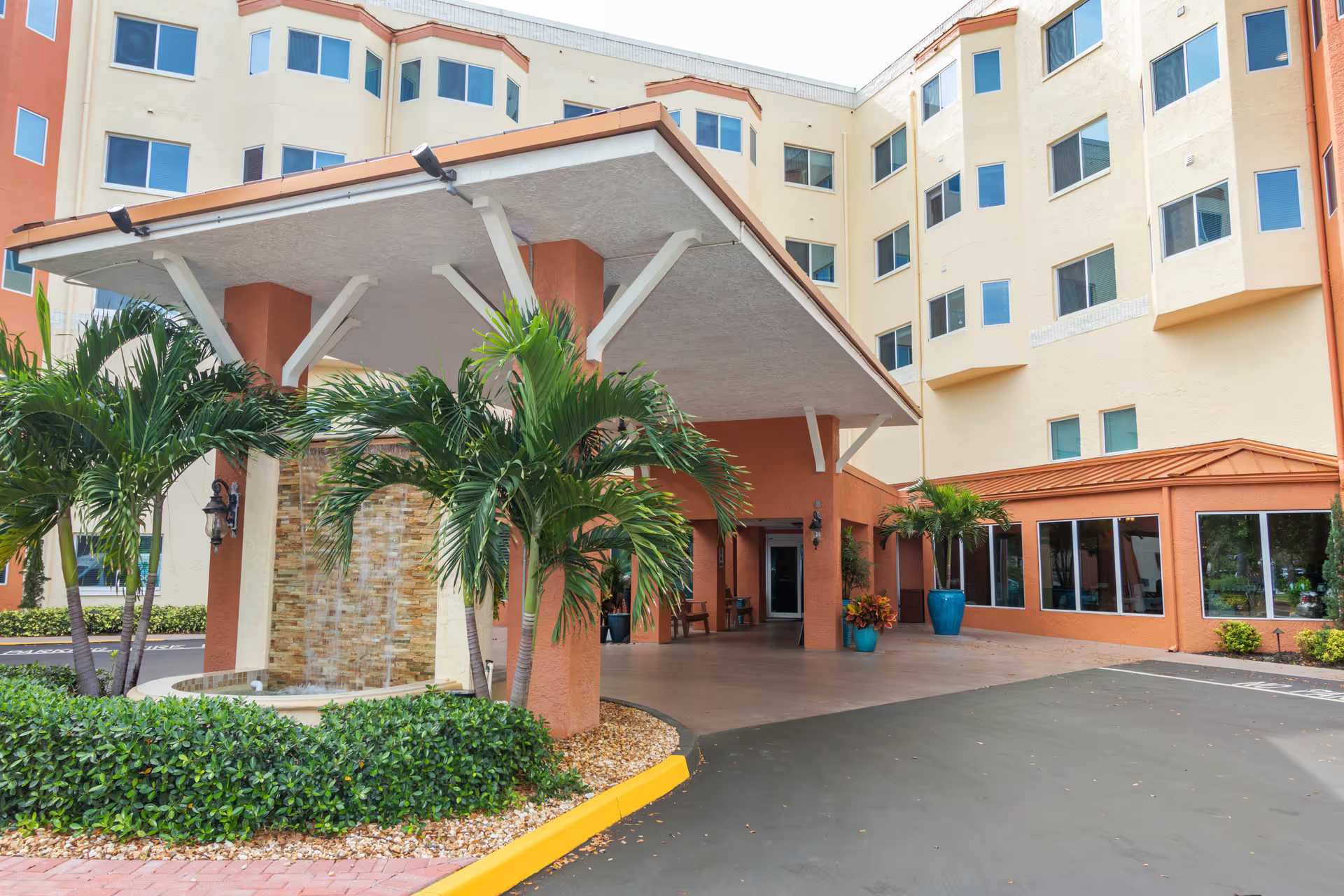
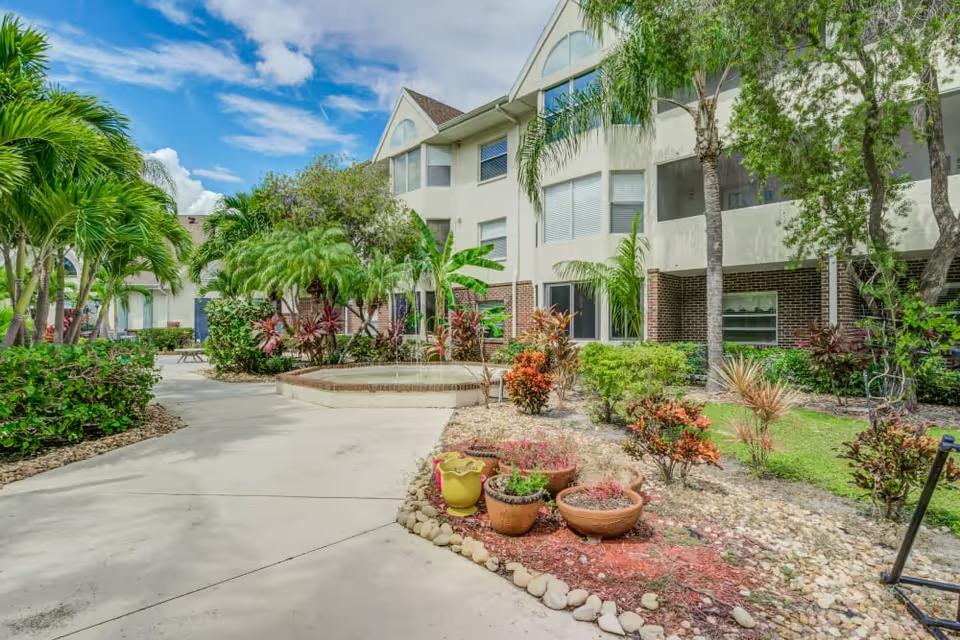
Facility features are generally well regarded: a mix of studio, one-bedroom, and larger apartments; scenic terraces and lanai spaces; and ongoing renovations that many find attractive. The building’s high-rise configuration creates particular operational demands — several reviewers highlighted elevator capacity and reliability as a meaningful inconvenience for residents, especially during peak times or when elevators are out of service. Cleanliness is generally praised, though some reviews mention localized sanitation or odor-control concerns in specific areas.
Management and administrative patterns are variable. The sales and admissions experience is often described as helpful and personalized, and disaster coordination (notably during hurricanes) received commendation. Conversely, families reported inconsistent communication with business-office staff, opaque billing practices, and disputes over care-level fees and bed-hold policies. There are also accounts indicating personal-property tracking weaknesses and financial/accounting issues that prospective residents should review closely with administration prior to move-in.
Notable patterns for prospective residents and families: assess the fit by distinguishing independent-living strengths from assisted/memory-care capacities; verify staffing ratios and on-shift supervision during your typical visit times; review medication-administration policies, emergency-response protocols, and documentation practices; confirm billing schedules, fee structures, and property-inventory policies in writing; and ask about elevator contingencies and recent renovation timelines. Overall, Calusa Harbour offers extensive amenities, a vibrant social environment, and a pleasing waterfront setting, but families considering assisted or memory-care services should perform careful due diligence around clinical processes, staffing stability, and administrative transparency.