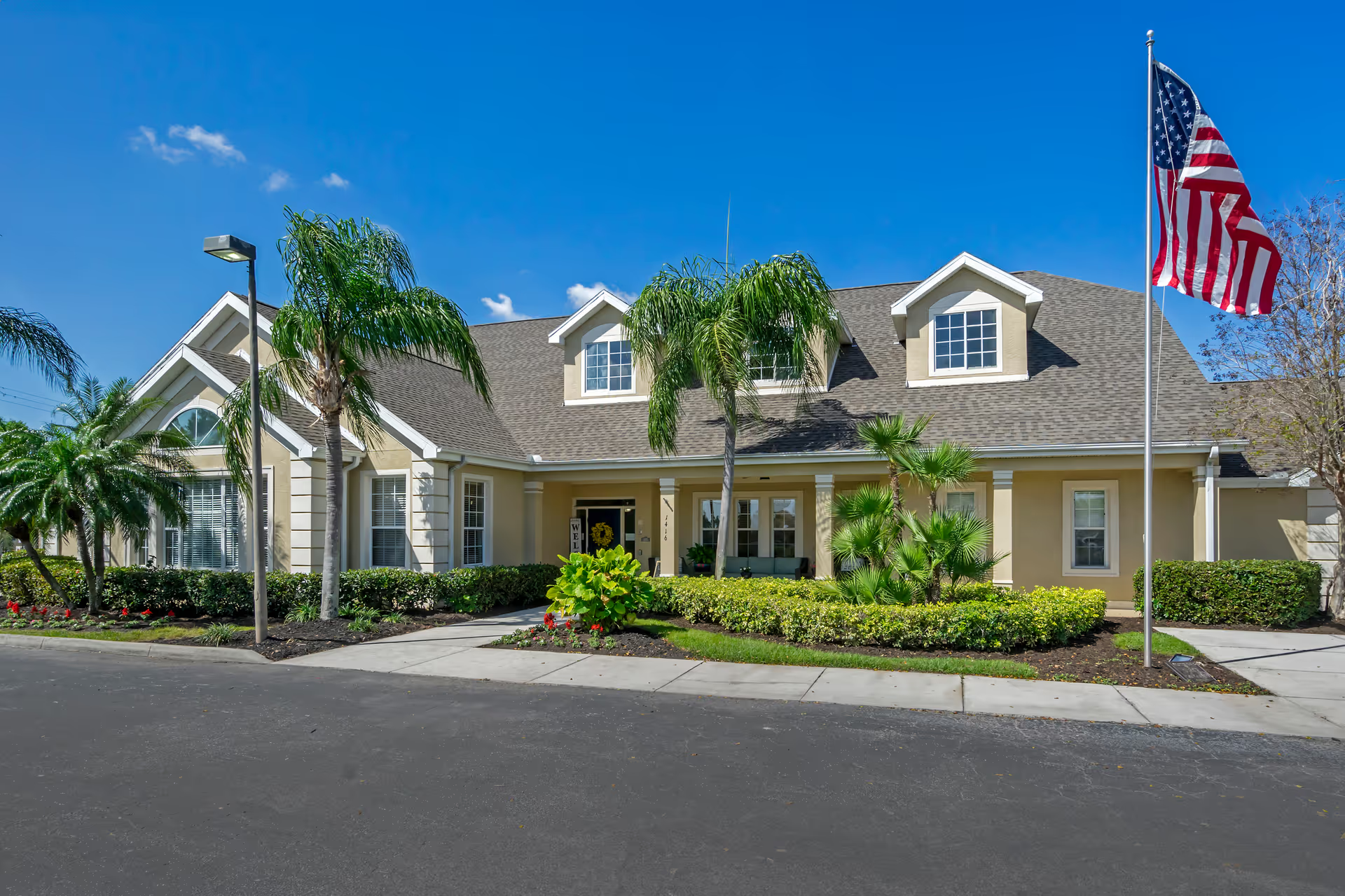
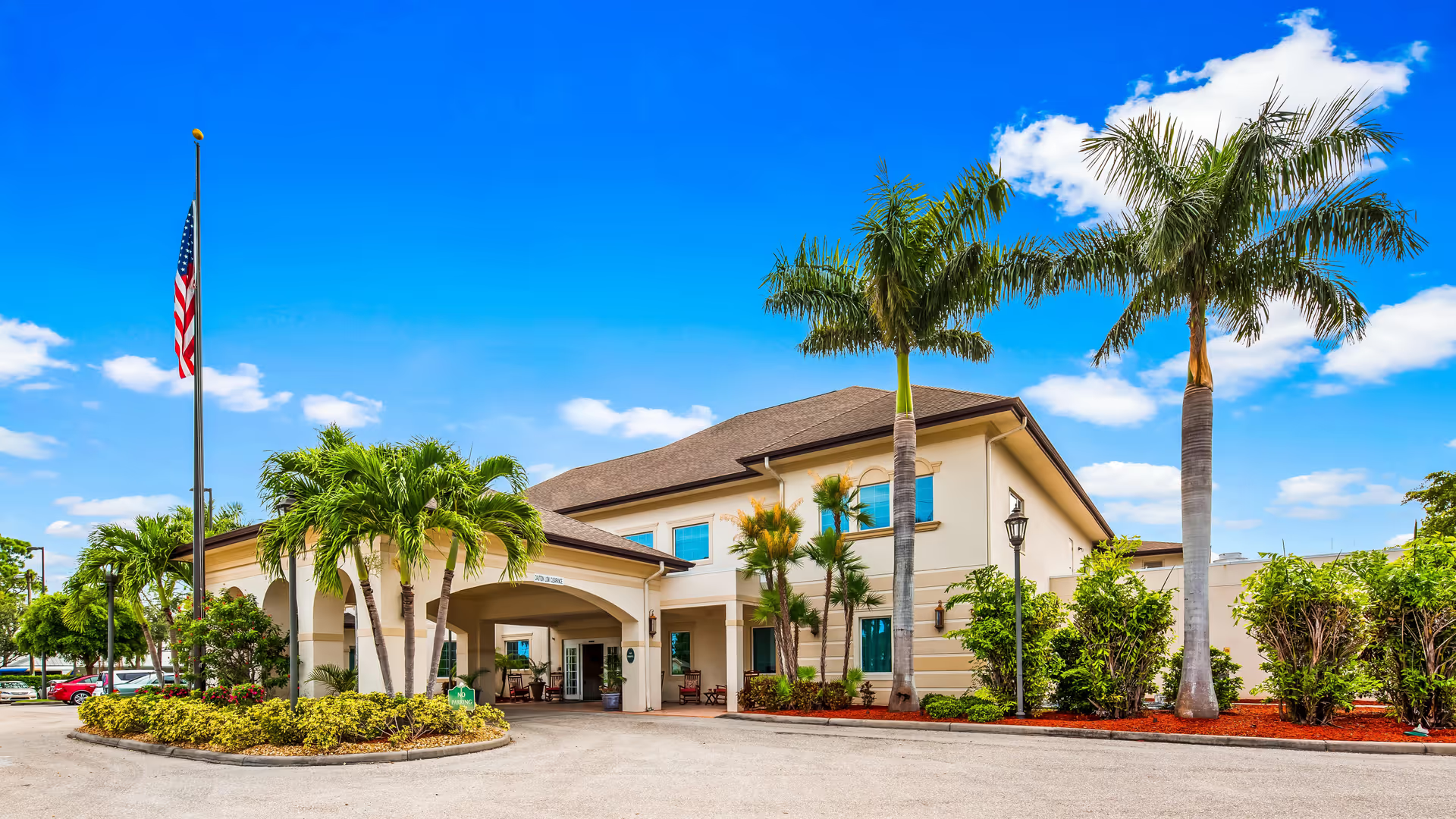
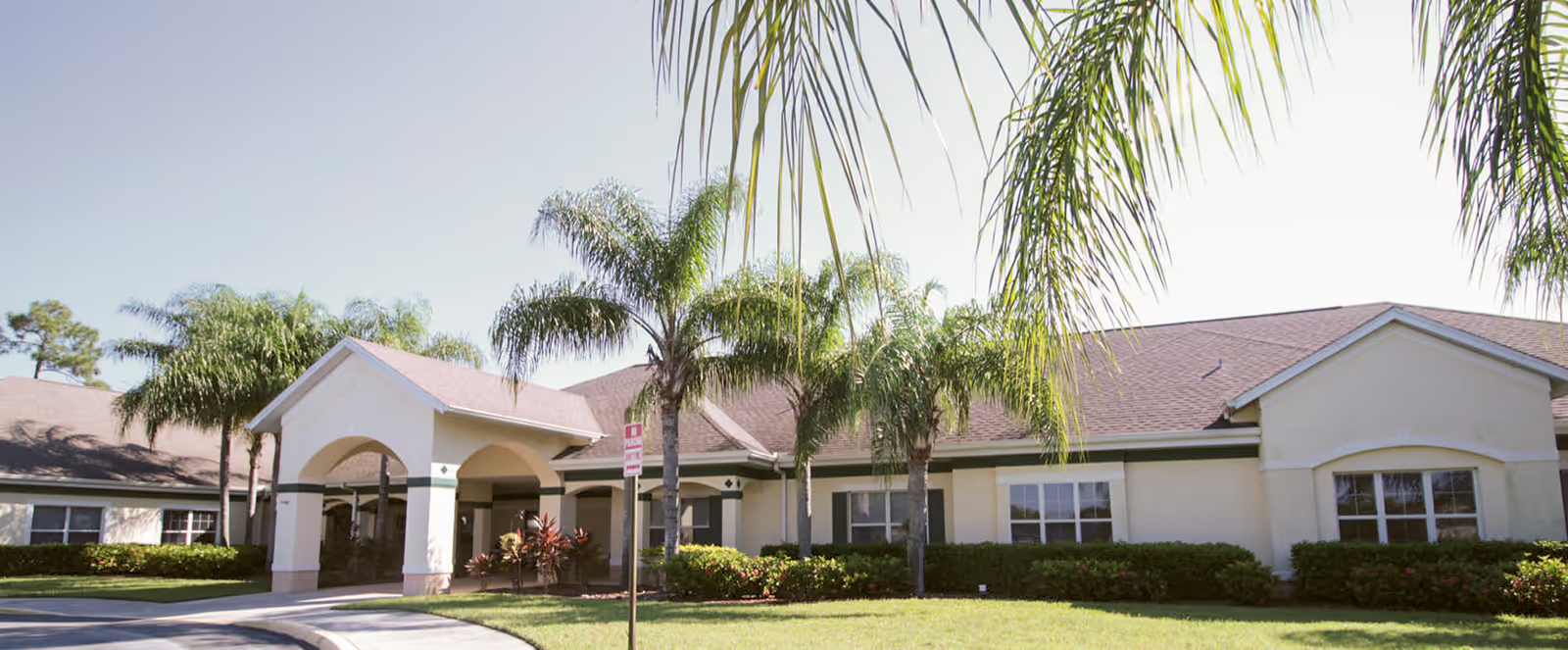
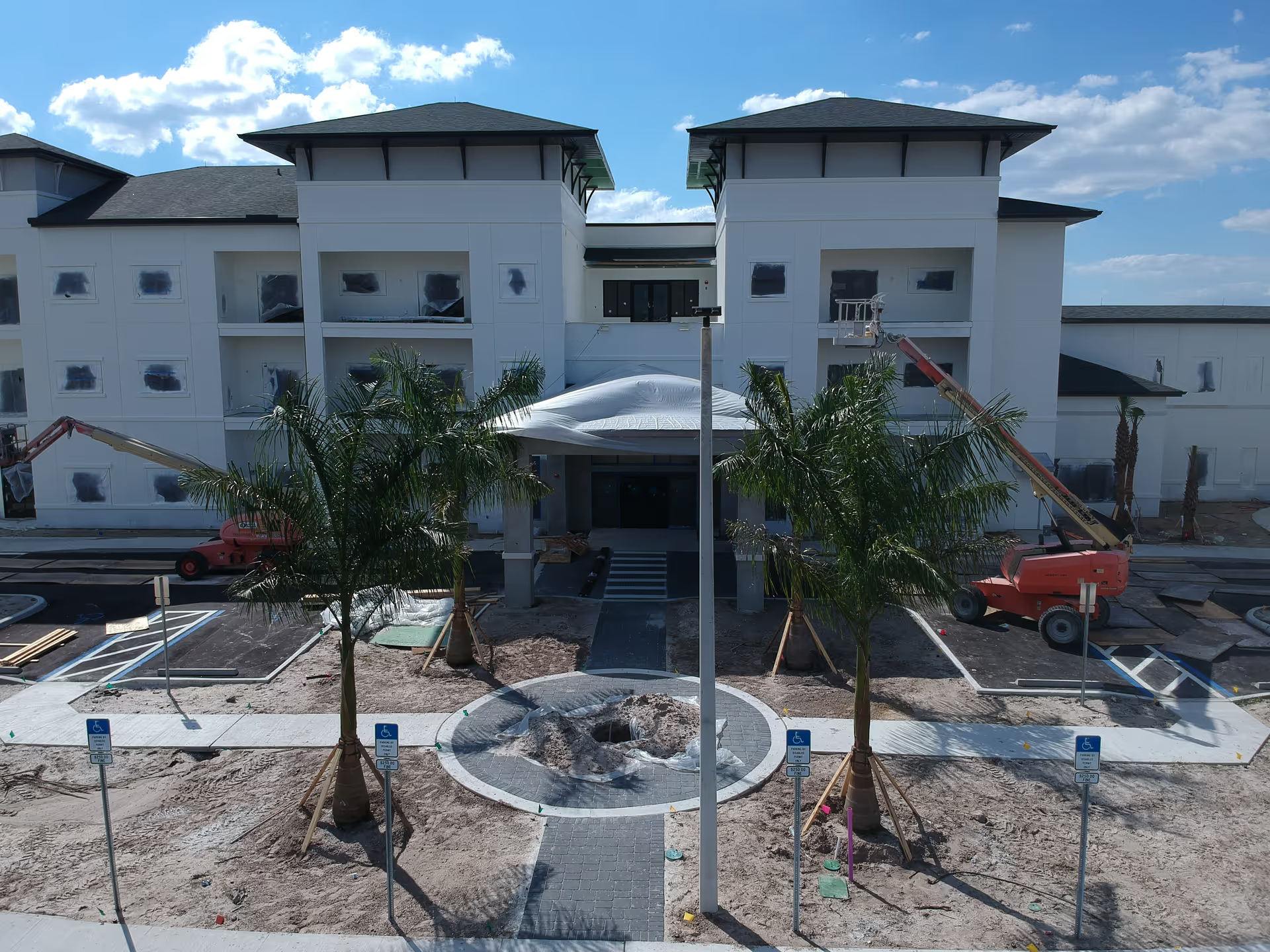
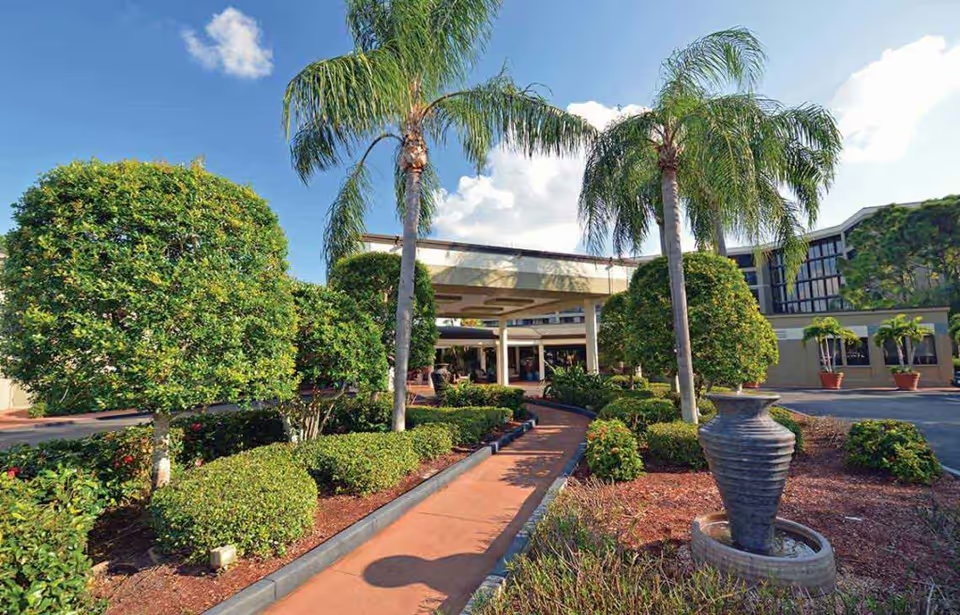
Overall impression: Atrium at Liberty Park presents as a modern, resort-style assisted-living community with a strong emphasis on hospitality, amenities, and social engagement. The building is frequently described as clean, well maintained and attractively appointed; common areas and specialty spaces (art room, movie theater, salon, library, billiards room, outdoor garden) support a wide range of resident interests. Many families and residents praise the facility's welcoming atmosphere and the sense that staff and leadership take pride in the community.
Care and clinical services: Clinical support is a clear strength for many residents. Reviewers emphasize compassionate caregivers, attentive nurses, and on-site therapy services (physical, occupational, speech) that assist recovery and mobility. Memory-care programming is frequently singled out for attention to safety and detail. That said, reviewers also describe variability in day-to-day care delivery: a number of comments point to differences between individual staff members, occasional slow alert responses, and concerns about night coverage and monitoring in memory-care areas. Families considering the community should inquire specifically about nighttime staffing, handoff practices, and protocols for medication changes and fall-prevention follow-up.
Staff and management: Staff are commonly described as friendly, professional, and engaging; executive leadership and activity directors receive particular praise for approachability and responsiveness. Several positive accounts note strong teamwork and proactive management. Counterbalancing that, there are recurrent operational critiques: inconsistent family communication about clinical changes, variability in front-desk/customer-service tone, and occasional coordination gaps between departments. These suggest that while leadership is visible and often effective, internal communication and consistency across shifts remain areas for ongoing improvement.
Dining and nutrition: Dining is widely cited as a highlight—restaurant-style service with an on-site chef, flexible menu choices, and three meals a day plus snacks are frequently commended. Many reviewers describe the food as fresh and varied and note pleasant dining-room experiences. Conversely, other reviewers describe intermittent quality issues such as repetitive menus, some cold or reheated items, or bland offerings on occasion. Prospective residents should ask for sample menus, meal-variation plans, and details on how dietary accommodations and meal-temperature quality are monitored.
Activities and social life: The activity program is broad, creative, and high-energy, featuring exercise classes, games, entertainment, field trips, and themed events. Staff-designed creative stations and special events are noted as contributing to strong resident engagement and a lively community culture. A common critique is that programming tends to emphasize large-group activities; residents who prefer or require more individualized or small-group programming may wish to confirm availability of tailored activity options.
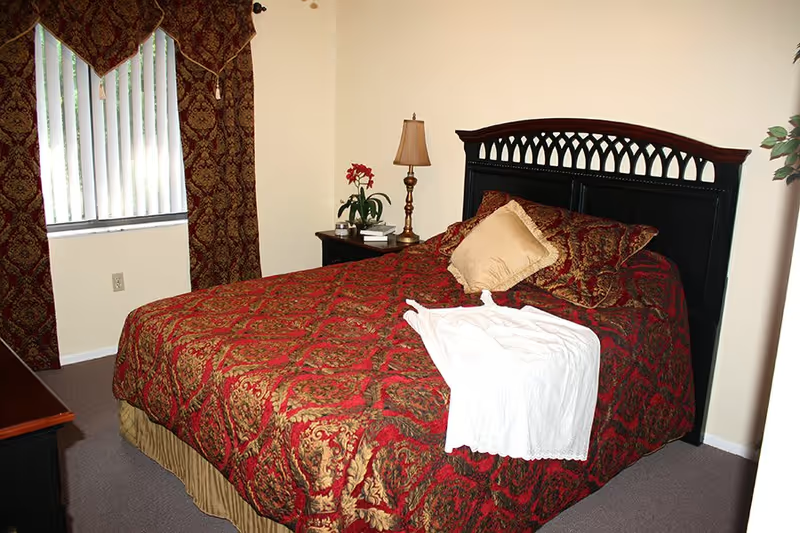
Facilities, safety, and logistics: The building’s physical safety features—backup generators, hurricane-resistant construction, emergency location necklaces, and locked supply areas—are frequently noted as positives. Suites are described as spacious and hotel-like, with optional furnishings and regular housekeeping. Operationally, some reviewers raised concerns about shower accessibility (no lift options; water containment during showers) and about personal-item tracking or missing belongings in isolated cases. There are also occasional reports of move-in delays or scheduling/coordination challenges during admissions that could add stress to transitions.
Notable patterns and recommendations: The overall pattern in the reviews is of a community that excels in hospitality, engagement, and visible clinical supports, but that experiences intermittent operational inconsistencies—particularly around communication, staffing coverage across shifts, and certain logistical processes (move-in coordination, item tracking, and some aspects of dining quality). Prospective residents and families would benefit from focused questions during a tour: confirm overnight staffing ratios and monitoring practices, review medication-change and family-notification protocols, inspect bathing and accessibility options in the specific apartment under consideration, request sample menus and meal-temperature monitoring procedures, and verify contract/fee policies and any recent pricing adjustments. These targeted checks will help align expectations with the community’s strong hospitality profile and identify whether the facility’s operational practices meet the prospective resident’s clinical and lifestyle needs.