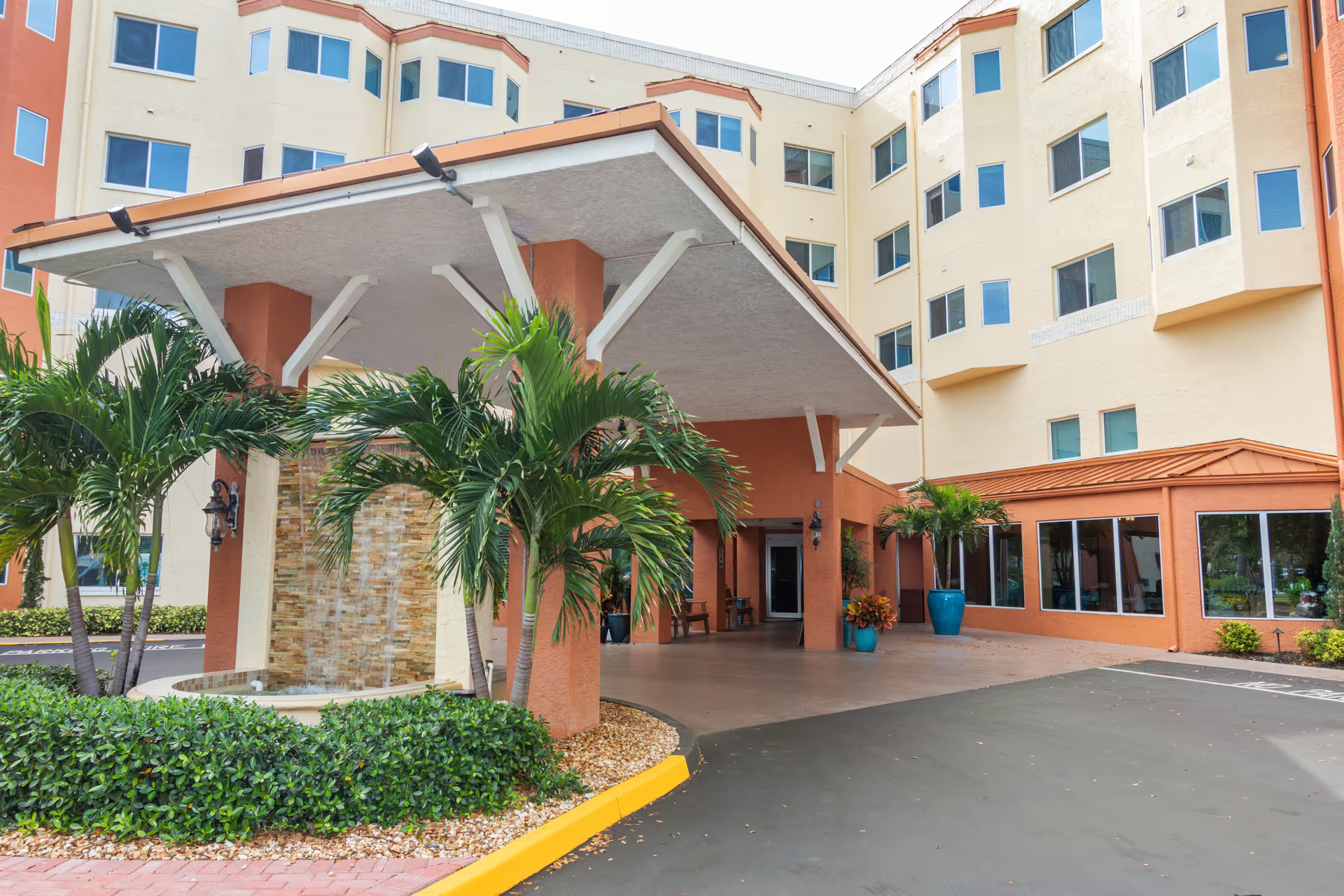
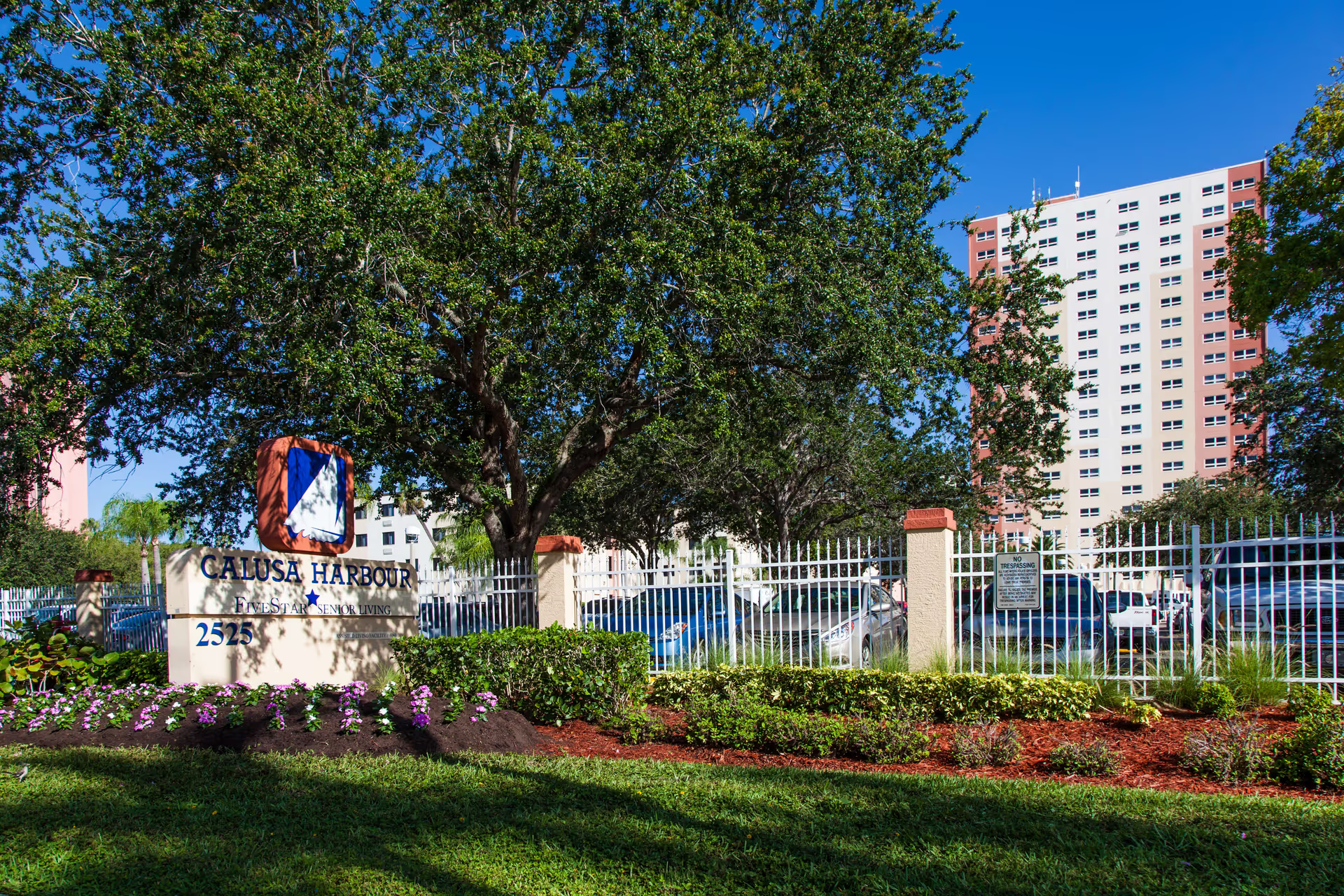
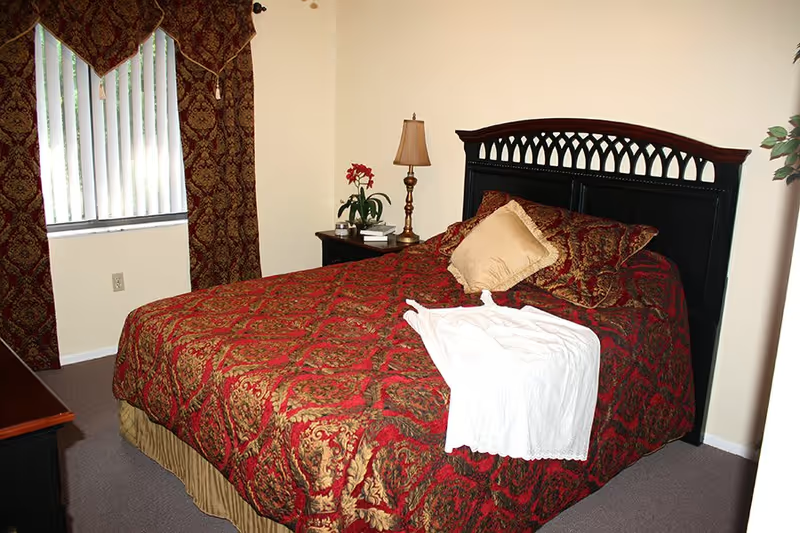
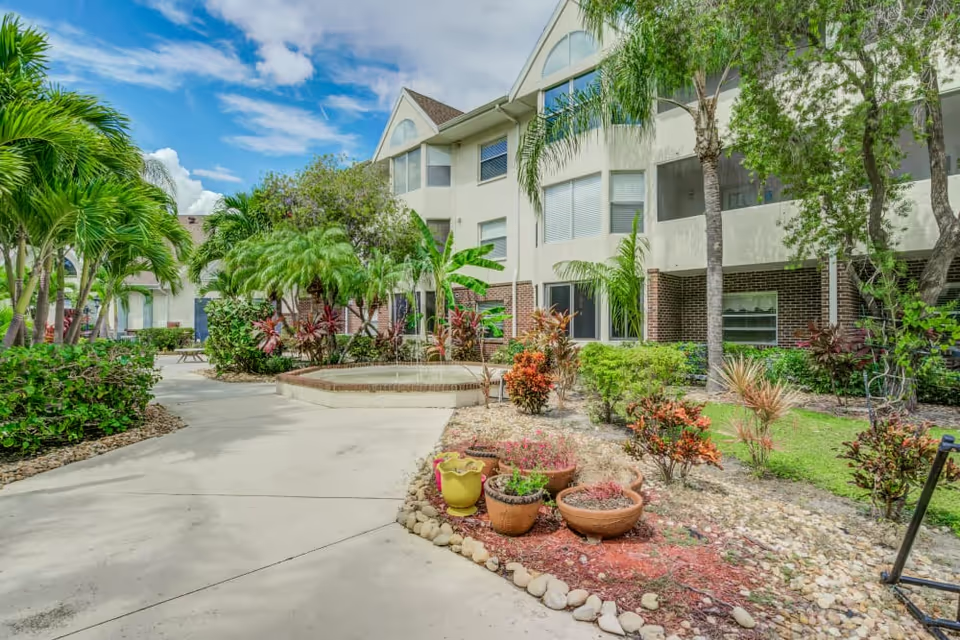
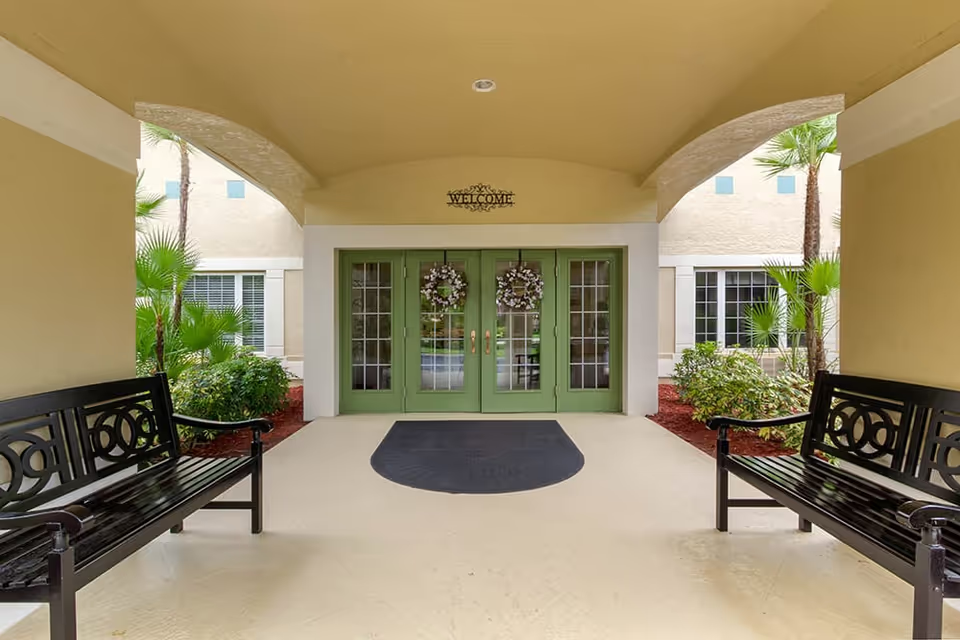
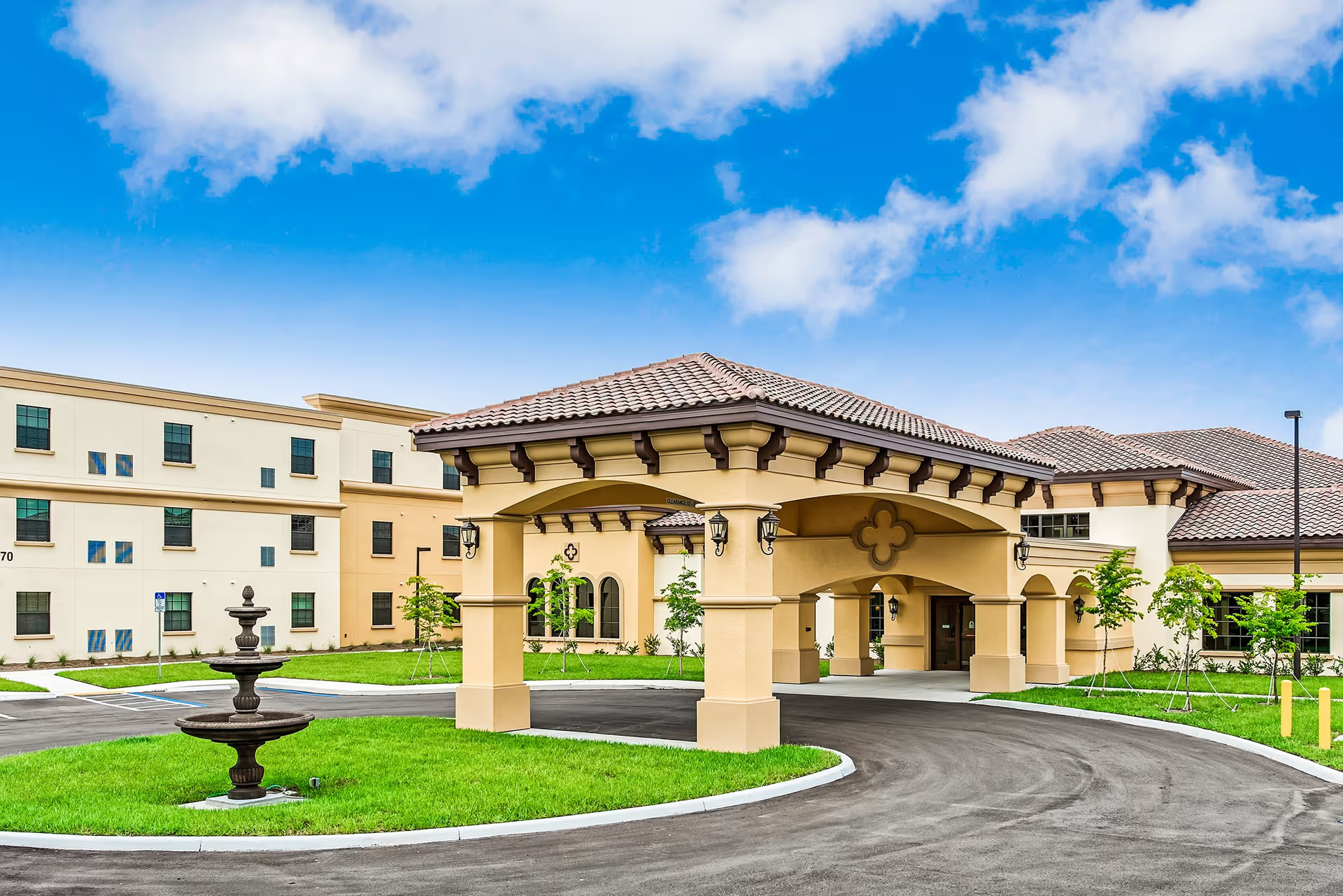
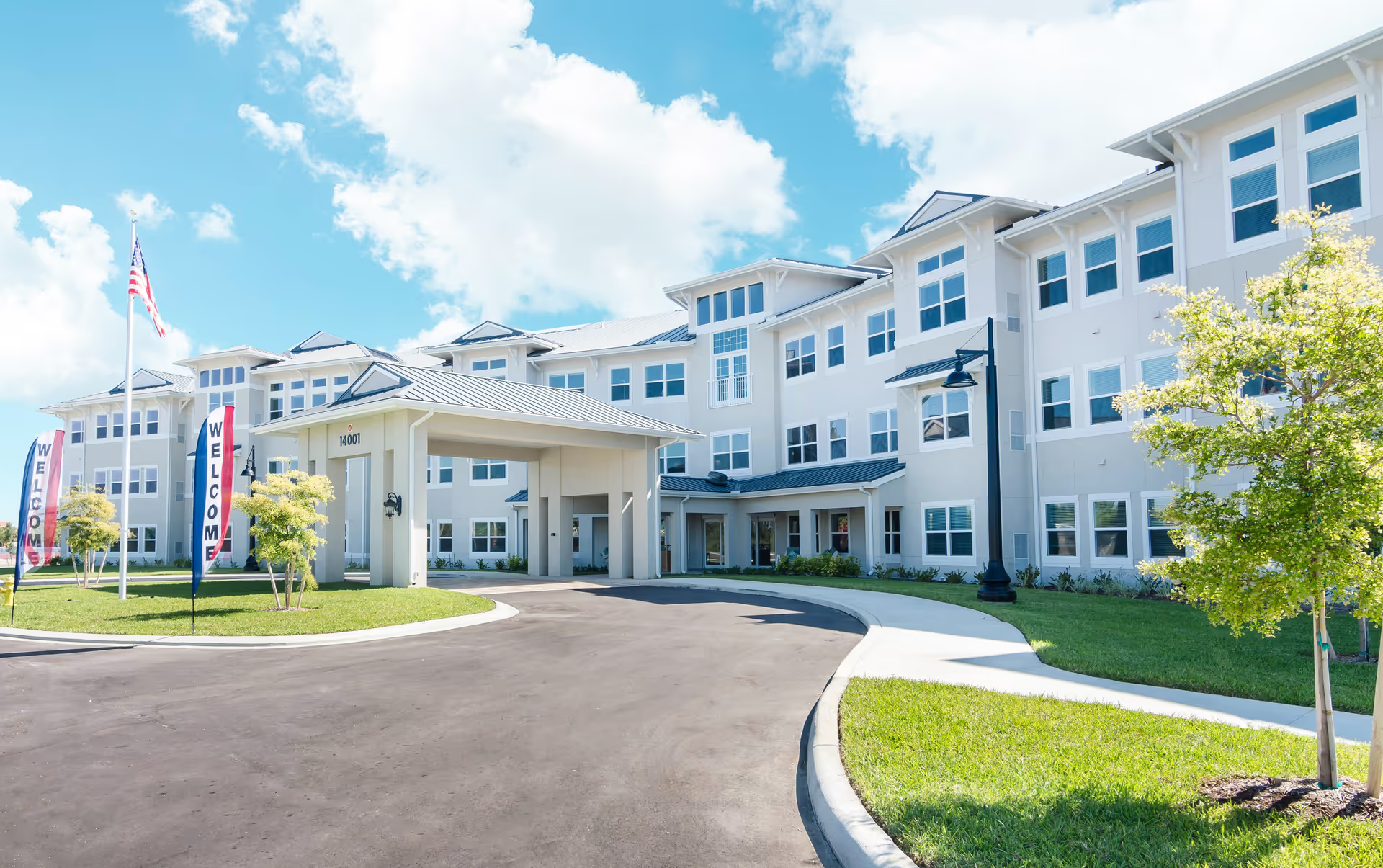
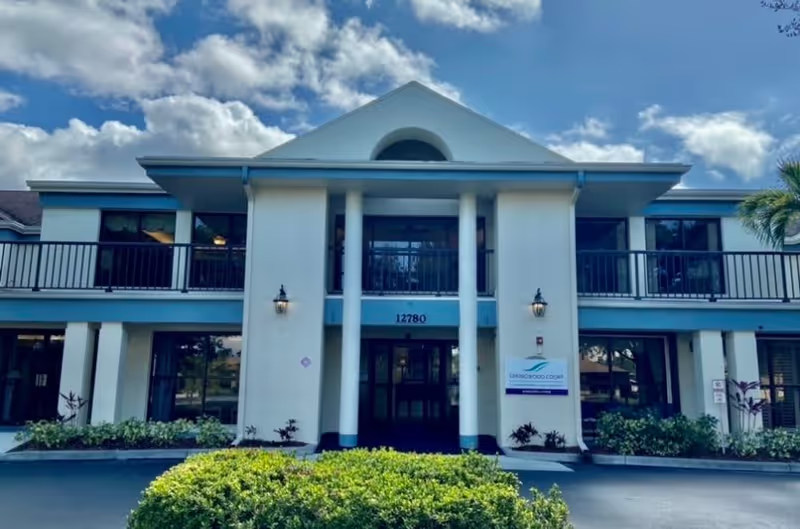
Discovery Village at the Forum is consistently described as a clean, modern, hotel‑like community with broad amenities and an active social calendar. Reviewers praise the physical environment: bright common areas, well-maintained grounds, and apartment features such as full or kitchenette-style kitchens, walk-in showers, and in‑unit laundry. On-site offerings commonly cited include a heated pool, salon, movie theater, chapel, dining room, fitness classes, and regular transportation for shopping and medical appointments. The facility’s atmosphere is frequently characterized as welcoming and socially engaging, with many residents participating in diverse activities from arts and crafts to group exercise and outings.
Direct-care staff and resident-facing employees receive substantial positive feedback for compassion, attentiveness, and efforts to create a family-like culture. Multiple accounts single out particular staff members for strong advocacy and admissions/placement support, and reviewers note engaged memory-care teams and available clinical resources such as on-site nursing, physician visits, and therapy services. Housekeeping, linen service, and general facility cleanliness are also recurring strengths, and the community’s all-inclusive pricing approach and variety of apartment sizes are seen as good value by many families.
At the same time, a consistent theme across reviews is variability in operational performance. Reviewers describe inconsistent staffing levels and relatively high turnover among both direct-care and management personnel; these patterns are connected to several service gaps such as uneven personal-care attention, intermittently cold or delayed meal service, and interruptions in promised daily services. Dining is often praised for menu variety and presentation, but there are repeated notes of inconsistent execution and periodic quality concerns. Families also describe occasional billing or administrative errors and uncertainty about internal communication pathways, which has contributed to frustration during administrative transitions.
Clinical-response concerns appear in multiple accounts: delayed attention to urgent health needs, problems with call-button response reliability, and uneven continuity of care across shifts or temporary staff. A limited number of reviewers described more serious outcomes tied to these operational gaps; these items suggest the importance of clarifying staffing levels, emergency-response protocols, and clinical escalation procedures before moving a loved one in. Leadership engagement is portrayed variably — some reviewers commend specific directors and frontline leaders for responsiveness, while others note periods of disengagement and slower follow-through during management changes.
For prospective residents and families, the overall pattern is one of a high-quality physical environment and robust activity/dining programs combined with operational variability driven by staffing and management continuity. Recommended vetting steps include asking for current staffing ratios, turnover metrics, typical response times for call systems and clinical incidents, examples of recent administrative corrections (billing, maintenance), and how the community supports continuity in memory-care or higher-dependency cases. An in-person tour, meeting with nursing leadership, and observing a mealtime are useful ways to assess whether the facility’s operational consistency matches the strong amenity and culture that many reviewers describe.