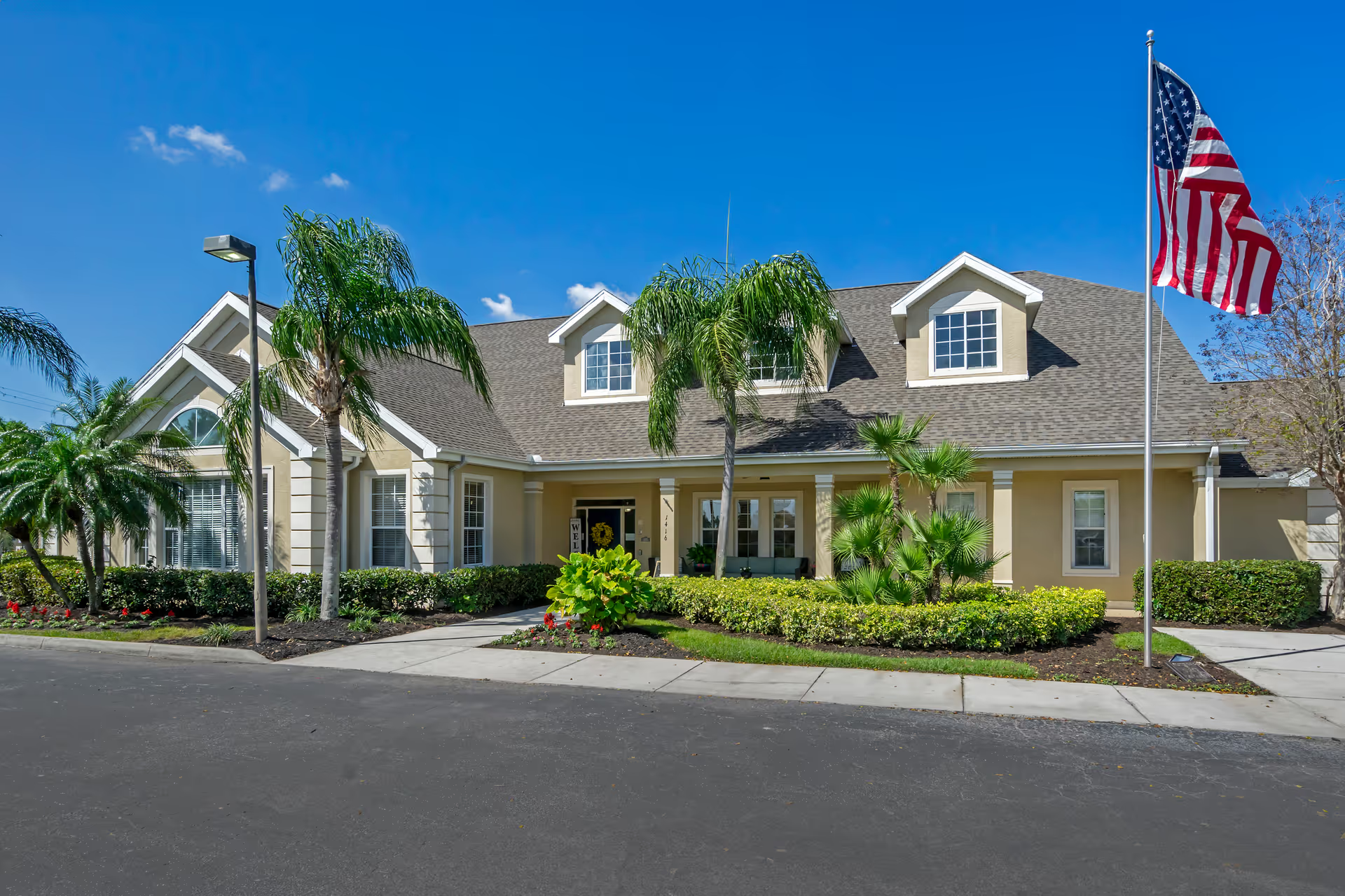
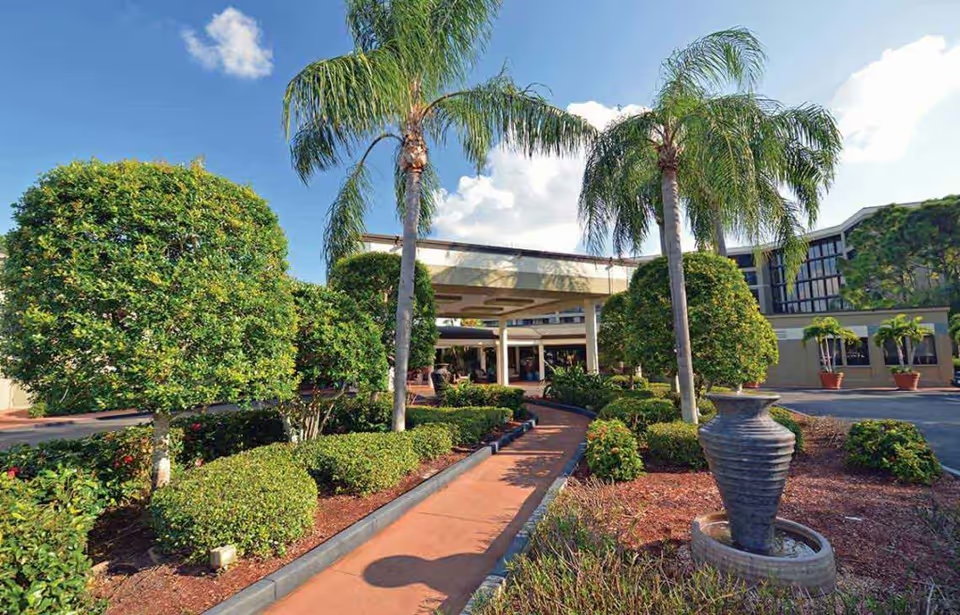
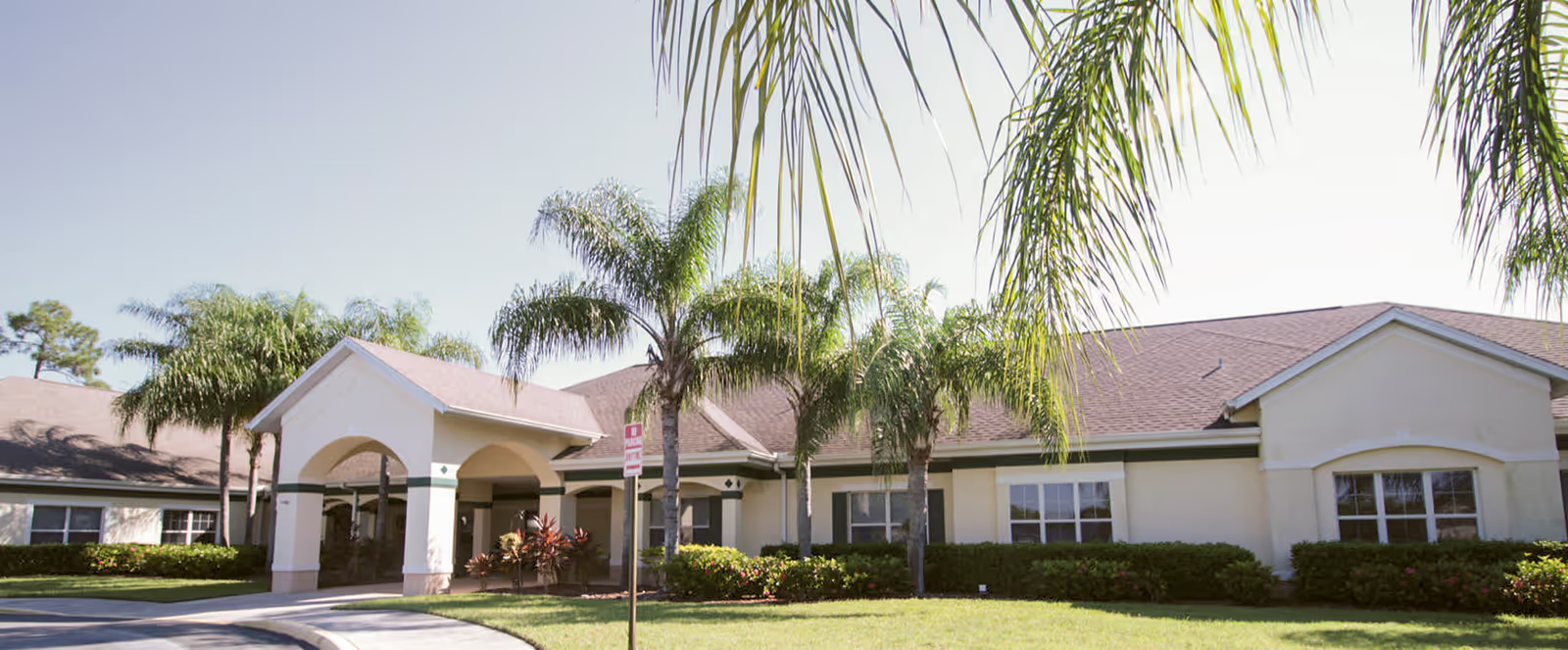
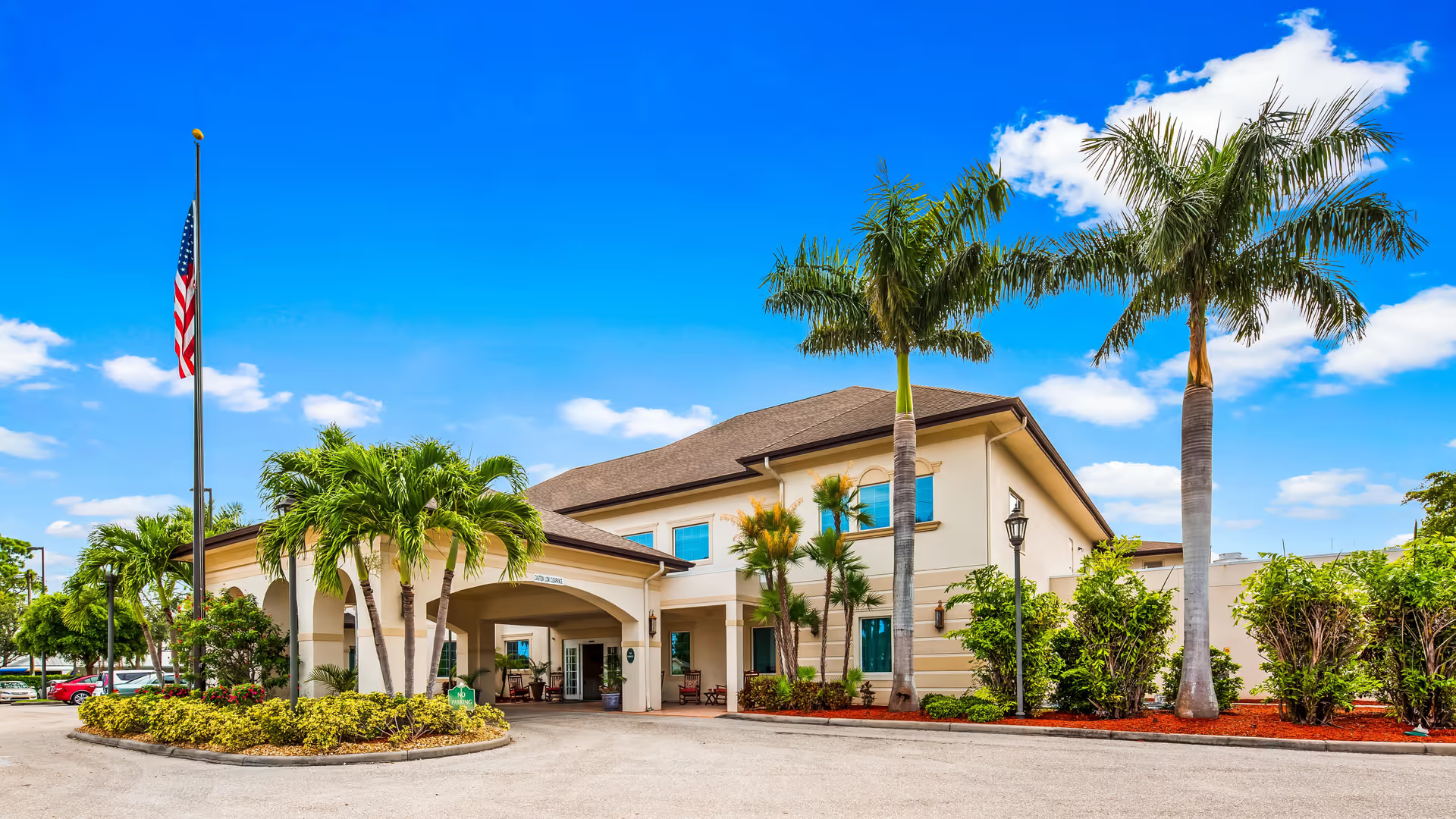
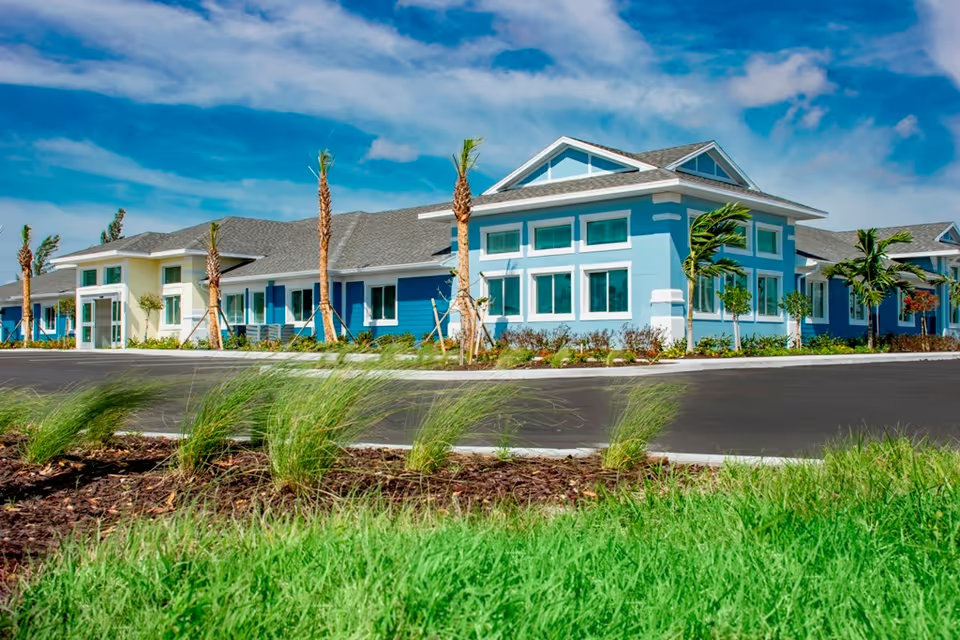
Highpoint at Cape Coral is frequently described as a new, upscale community with extensive amenities and a resort-like feel. Reviewers consistently praise the facility’s cleanliness, attractive common areas, and an array of built-in features such as a pool, theater, gym, courtyards, and library. Many families and residents note that move-ins are managed smoothly, maintenance staff are responsive, and the overall atmosphere is social and welcoming.
Care and staffing receive mixed-but-often-positive commentary. Numerous accounts highlight compassionate nursing staff, caring aides, and attentive front-desk personnel who know residents by name. At the same time, there are recurring concerns about staff continuity and coverage: turnover, shift absences, and role changes have been linked to gaps in service and uneven resident experiences. There are also isolated but significant clinical concerns cited, including delays in medication administration and follow-up; prospective families should inquire directly about current staffing ratios, medication-review protocols, and on-shift clinical coverage.
Dining and meal service elicit divergent impressions. Many reviewers compliment restaurant-style presentations, desserts, and dietary accommodations; others describe variability in food quality, menu shortages, and inconsistent service at meal times. Several reviewers pointed to limited vegetarian or plant-based options and occasional overcooked vegetables. Meal-service reliability (timing, stocked continental breakfast items, availability of daily specials) and menu variety appear to fluctuate, so confirming current menus and special-diet capabilities is advisable.
Activities and social programming are strong selling points for many residents. The community offers a broad calendar — live music, classes (painting, line dancing), outings, exercise classes, and intergenerational events — which contributes to high resident engagement. Memory care services are well-staffed and described as caring, but programming for higher-functioning memory-care residents is sometimes perceived as insufficiently challenging; ask about activity plans tailored to different cognitive levels if memory care is a consideration.
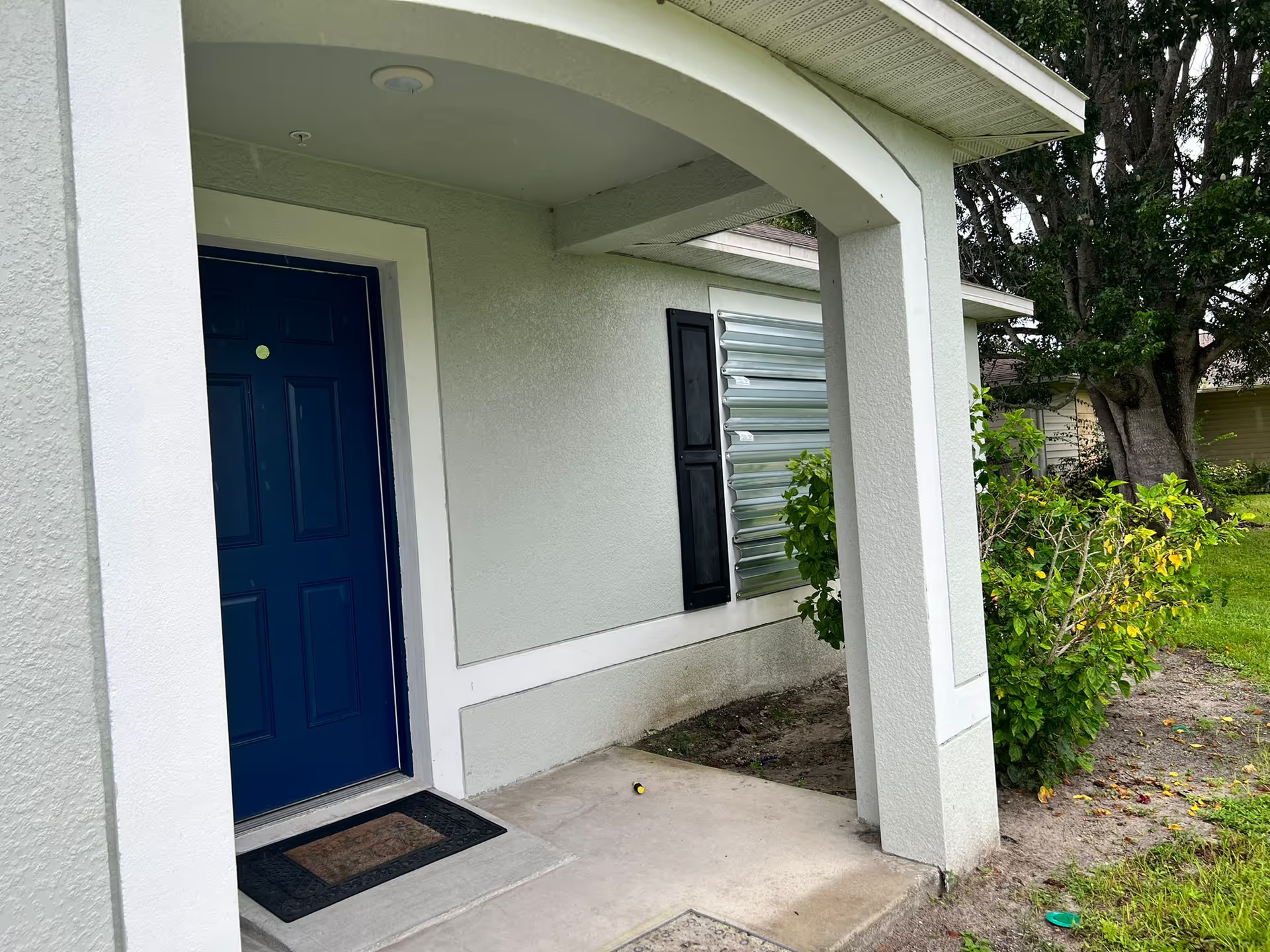
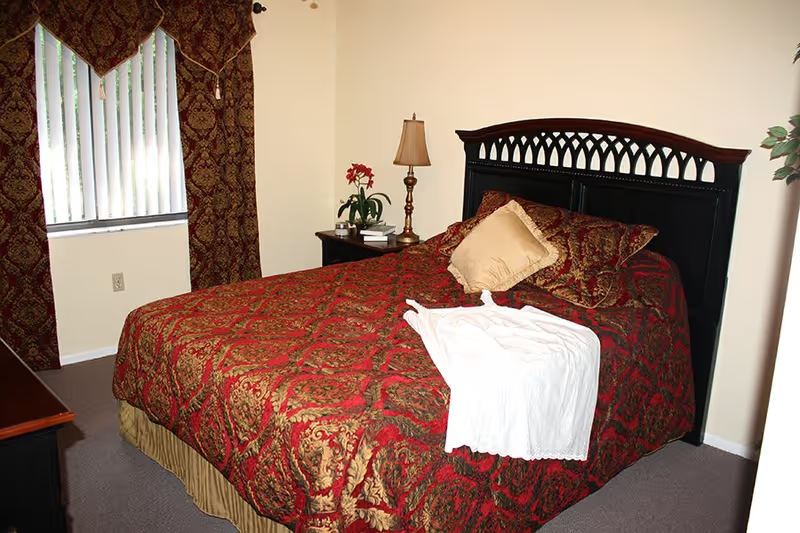
Facility design and operations show both strengths and limitations. Units and common spaces are generally well-kept and modern, with security features and included utilities. However, several reviewers describe small apartment footprints, awkward layouts (narrow living rooms, washer/dryer placement), and accessibility challenges such as heavy doors or unusable emergency doors for mobility devices. There are also reports of construction or renovation noise during transition periods and occasional elevator or transportation vehicle downtime that can affect access to services and outings.
Management and administrative practice present a mixed picture. Many families commend individual staff members and specific leaders for helpfulness and seamless transitions. Yet some reviewers report inconsistent communication, opaque billing or fee increases, and administrative responsiveness gaps during management changes. A limited number of reviews detail serious administrative or clinical incidents; prospective residents should request current policies on family communication, incident reporting, billing practices, and recent inspection or survey results.
Practical suggestions for prospective families: schedule a meal to assess current dining quality and menu options, tour the specific unit types to confirm layout and usable space, ask for documentation on staffing levels and turnover, review medication-management and clinical escalation protocols, and obtain a clear written explanation of fees, increase policies, and transportation availability. These targeted questions will help determine whether Highpoint’s strong amenities and community culture align with individual care needs and expectations.