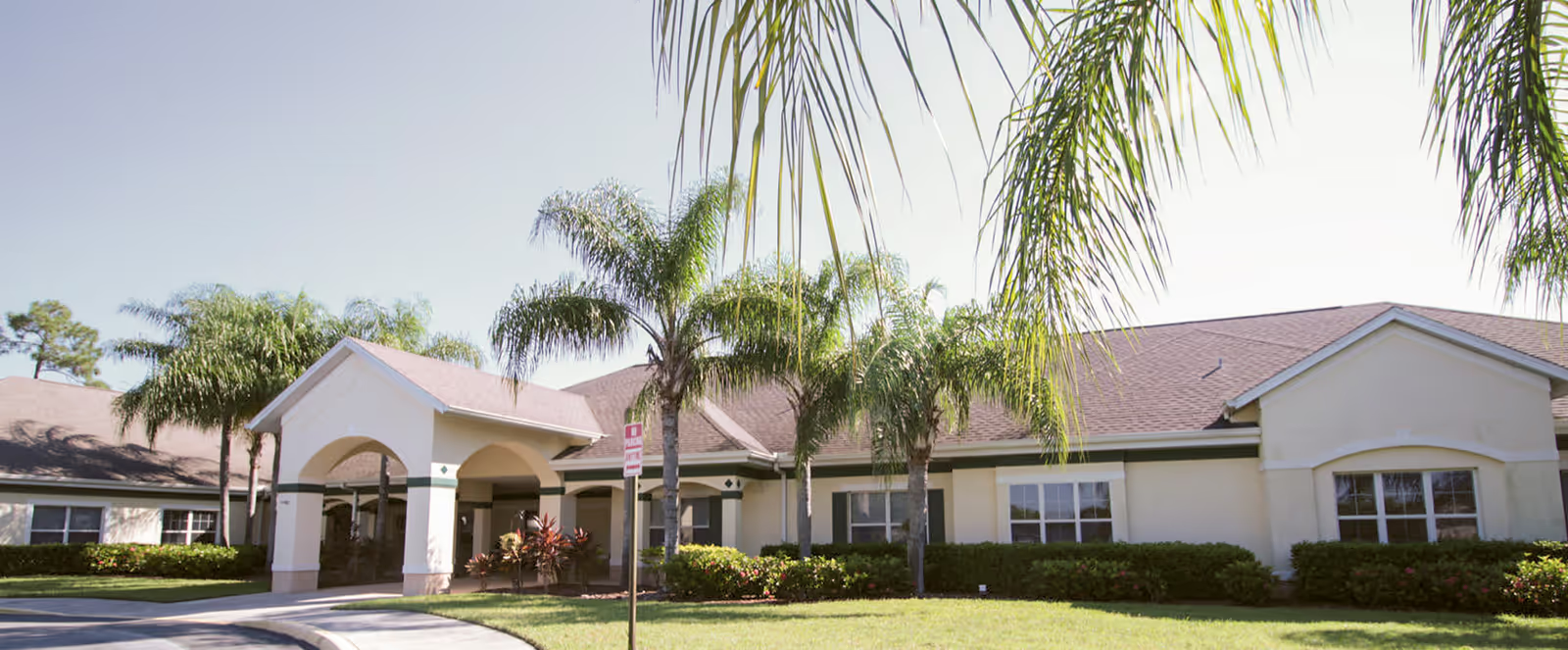
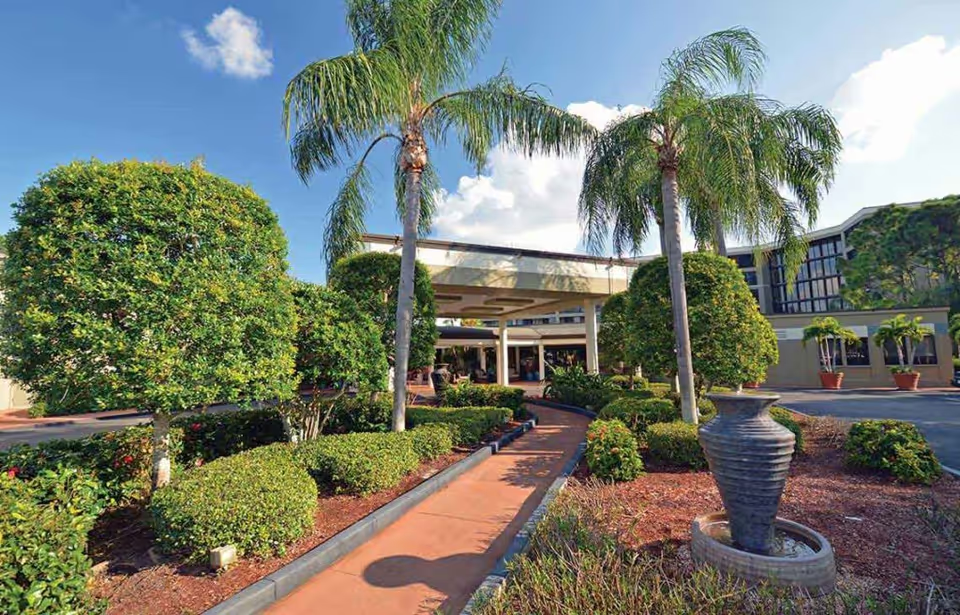
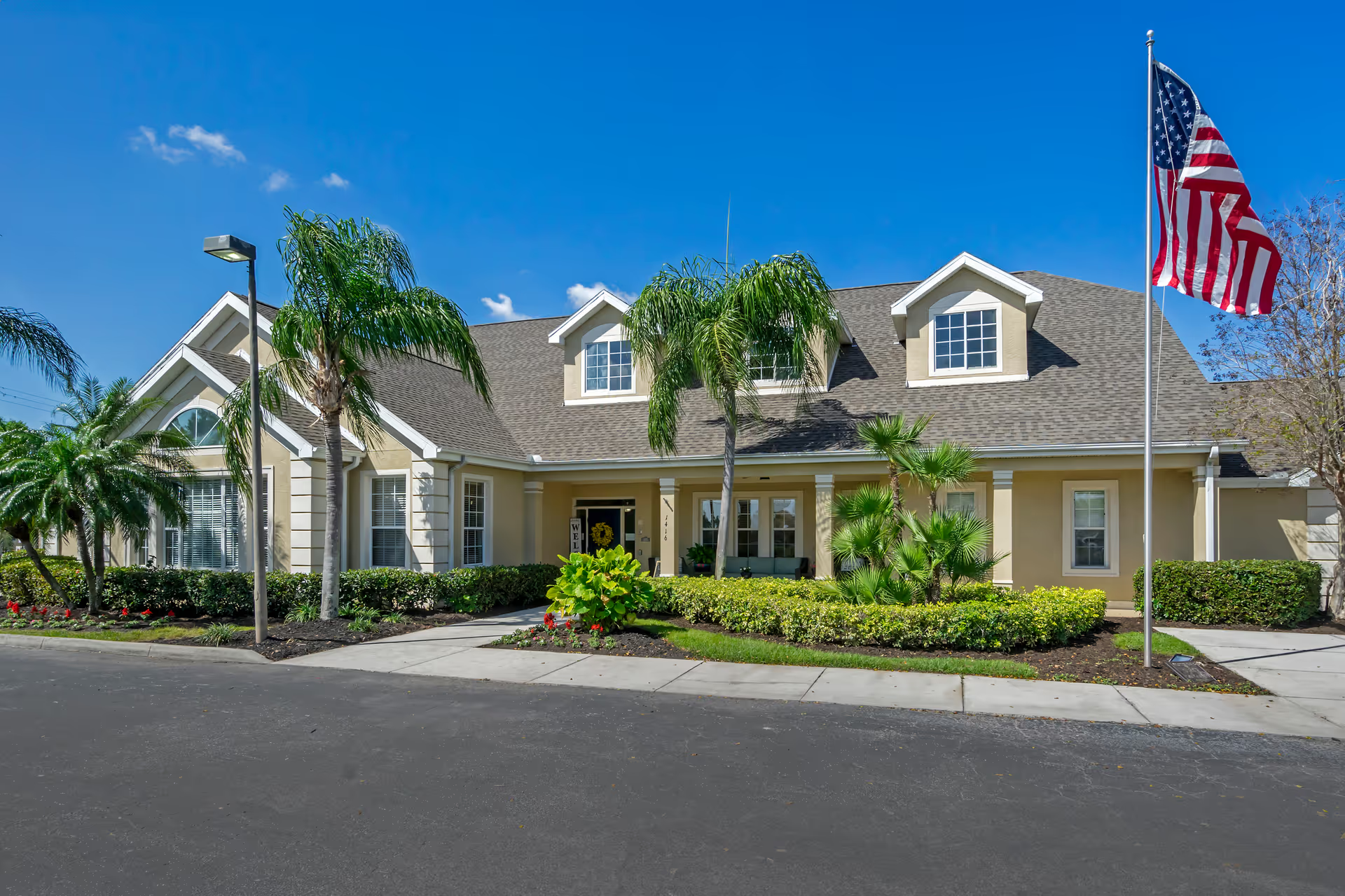
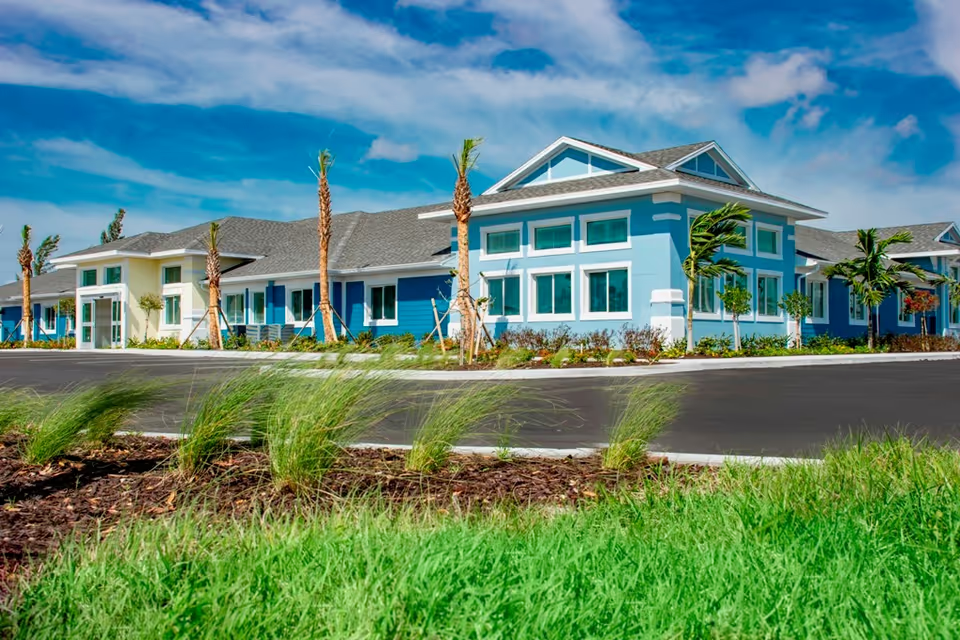
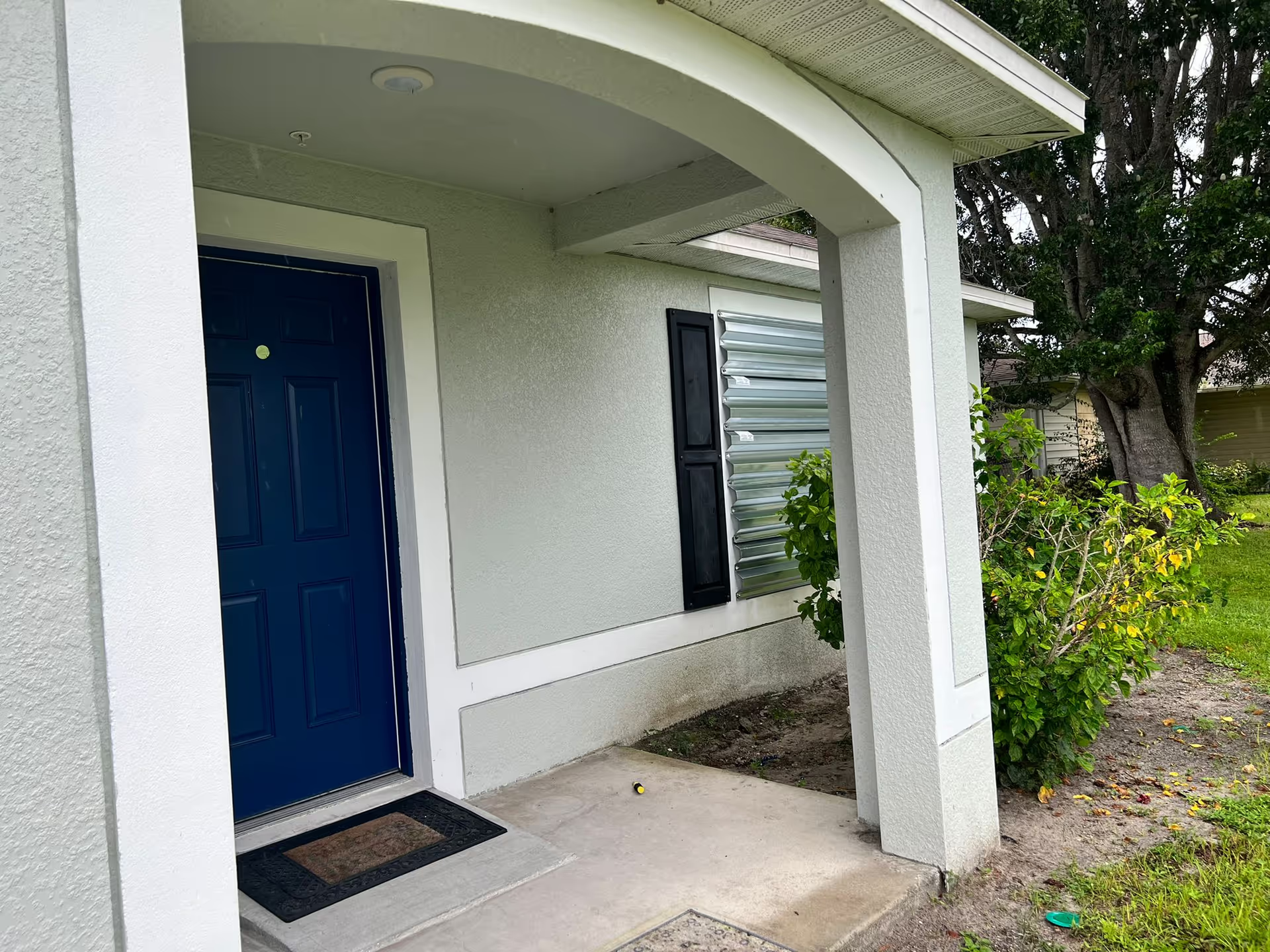
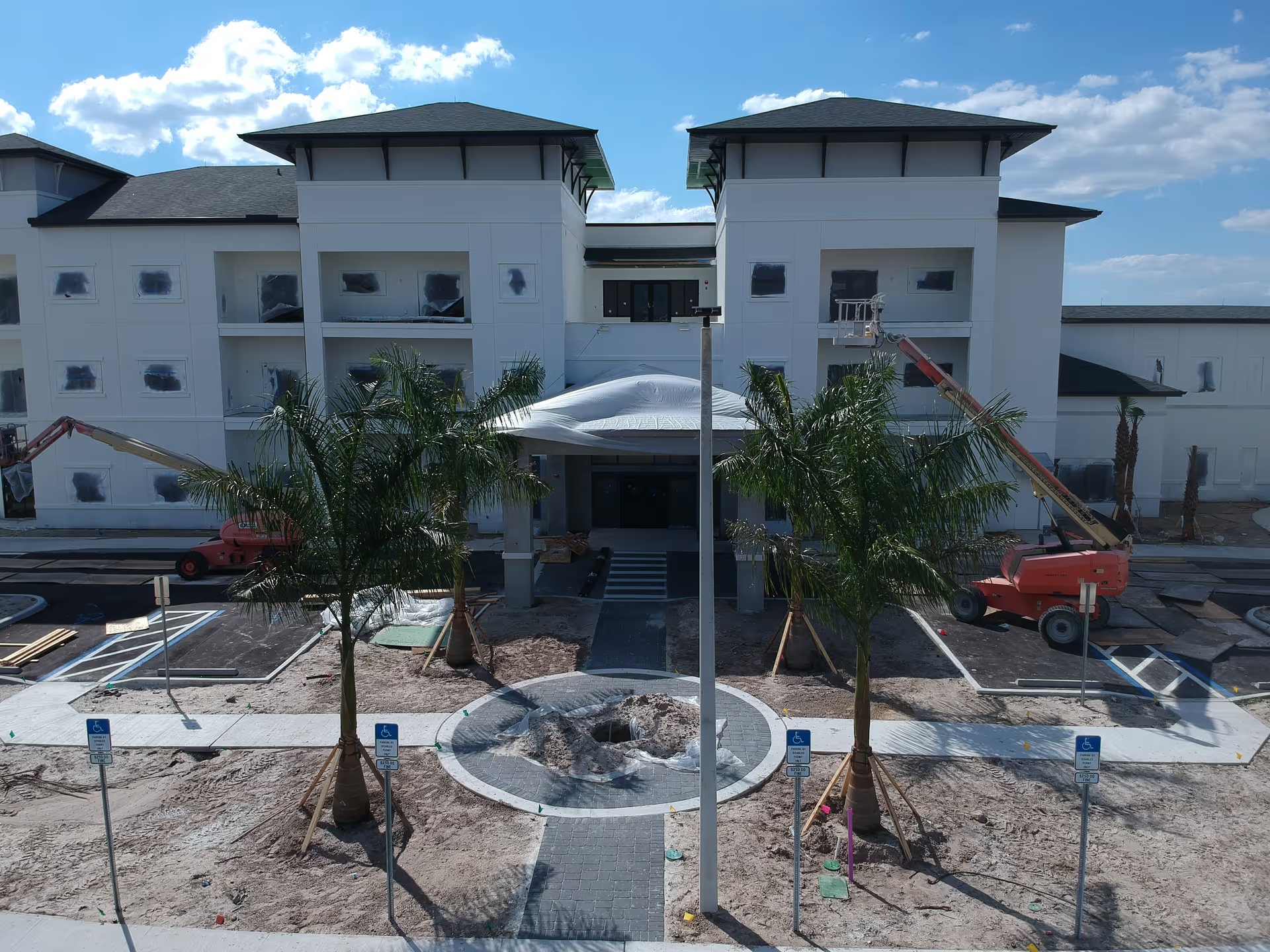
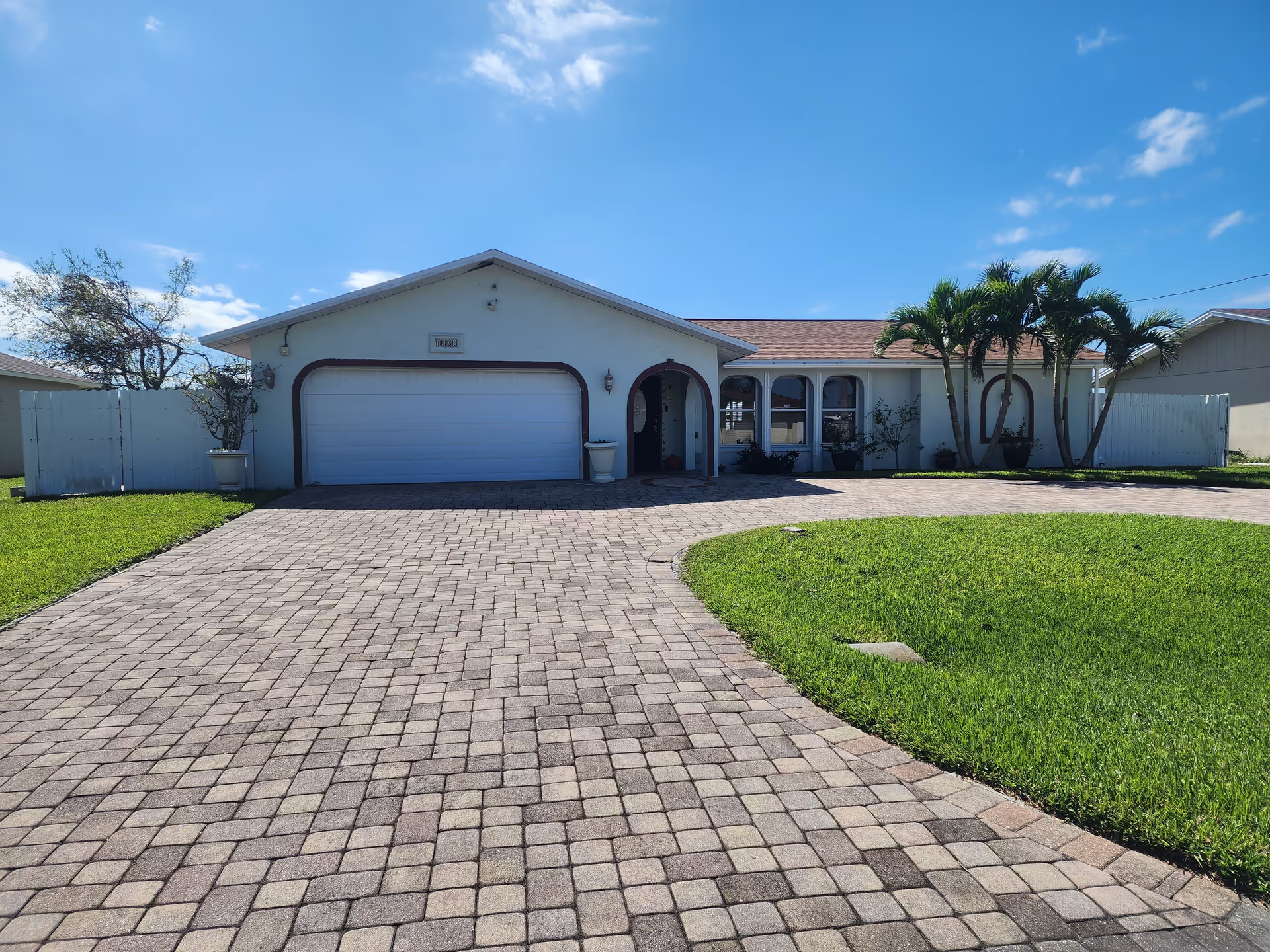
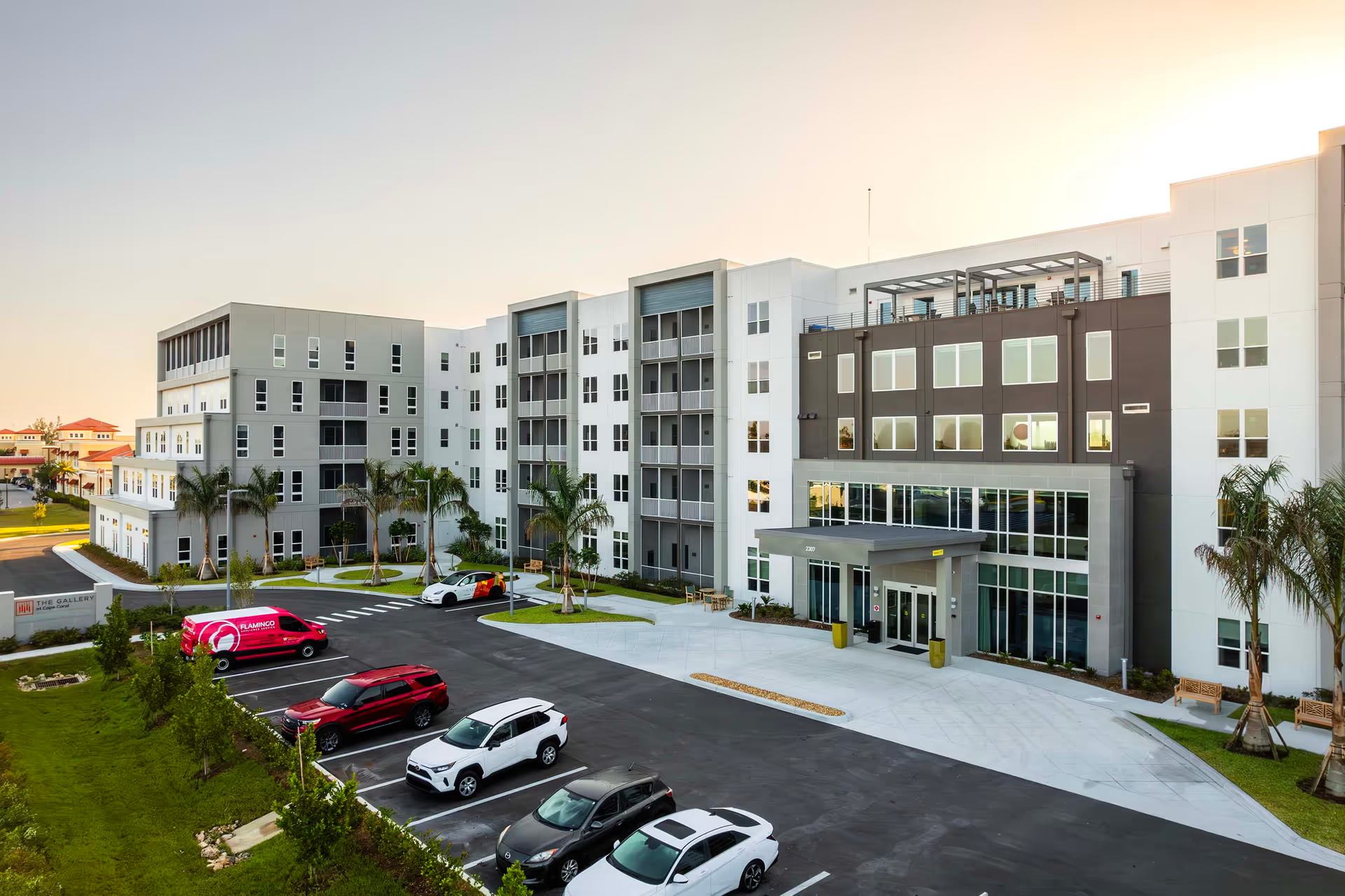
The Windsor of Cape Coral is described overall as a clean, well-appointed senior living community with a resort or hotel-like aesthetic and a broad set of services. Reviewers consistently highlight the facility’s attractive interiors, accessible courtyard and common spaces, library, cafe, and apartment layouts with kitchenettes. The community’s preparedness measures, including generators and coded security entry, and an on-site continuum of care (assisted living, Reflections memory care, therapy services, and hospice coordination) are frequently noted as strengths for families seeking an all-in-one option.
Care quality is generally portrayed as a strong point: many families praise compassionate, attentive caregivers, responsive nursing staff, and staff who facilitate appointments, medication distribution, and coordination with external providers such as the VA and hospice. There are numerous positive remarks about rehabilitation services (PT/OT) and successful hospital transitions. At the same time, reviewers describe operational patterns that can undermine care continuity—periodic staffing shortages or turnover, inconsistent medication-administration practices, and variability in direct-care performance (for example, missed checks or delayed assistance). These are framed as process and staffing weaknesses rather than universal failures.
Dining and social programming receive substantial positive attention. The community offers restaurant-style dining, menu variety, and an active Life Enrichment calendar with crafts, music, outings, exercise, and frequent social events. Several comments emphasize that the activities and dining help residents regain or maintain engagement and independence. That said, perceptions of food quality and meal service are mixed: while many praise the chef and variety, others describe occasional blandness, portioning issues, or service lapses. Families should plan to assess meal consistency during a visit.
Facility amenities and atmosphere are repeatedly called out as distinguishing features. The public areas and apartments are typically described as clean, well-maintained, and bright, contributing to a friendly, family-like environment. Memory-care programming (Reflections) is recognized as a valuable on-site option, though expectations differ: some families find the memory unit well-suited and intimate, while others note a need for more individualized stimulation in certain cases. Safety features and disaster-preparedness measures are also strengths noted by reviewers.
Management and operational patterns show a mix of responsiveness and areas for improvement. Several accounts praise prompt problem resolution and hands-on admissions and activity staff. Conversely, recurring themes include administrative turnover, inconsistent communication with families (particularly around clinical orders or external lab/testing coordination), and concerns about billing transparency and fine-print policies (additional charges, supply expectations, second-occupant rules). Prospective residents and families are advised to review contractual details carefully and ask clarifying questions about fees, consent practices, and what items are resident responsibilities.
Bottom line: The Windsor of Cape Coral presents as a high-amenity, socially active community with many strengths in staff compassion, facilities, and available clinical services. However, there are recurring operational issues—staffing stability, communication, medication and personal-care consistency, and fee transparency—that prospective residents should explicitly evaluate during tours and contract discussions. Direct observation of meal service, staffing patterns on different shifts, and clear written answers about ancillary charges and clinical protocols will help families determine whether the community’s strengths align with a particular resident’s care needs.