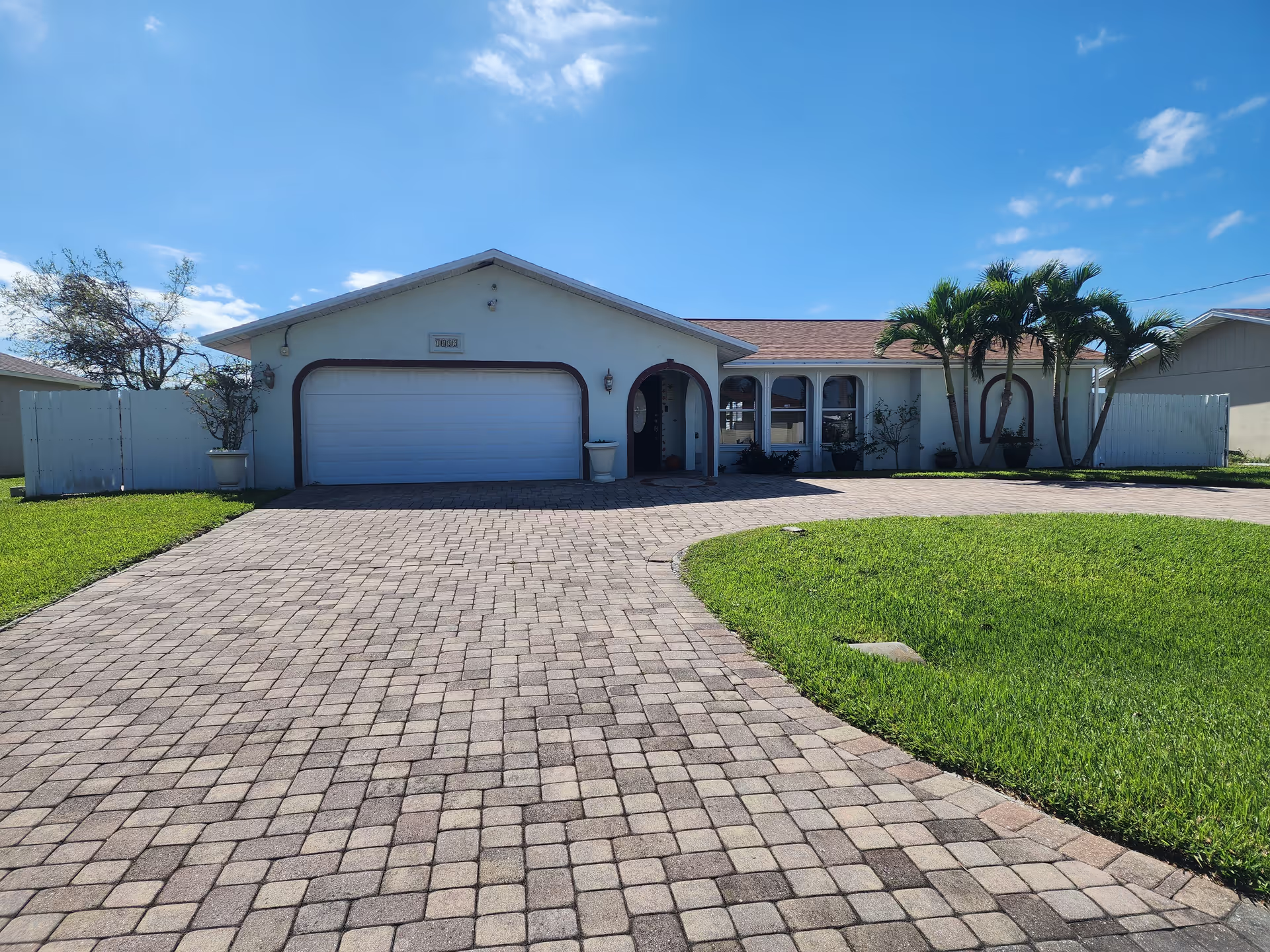
ALF Sunshine Love Cape Coral is consistently described as a small, home-like assisted living option that emphasizes personalized, attentive care. Reviewers praise the facility's intimate scale—maximum five residents—which allows staff to deliver one-to-one attention, maintain detailed family communication, and support transitions such as discharge from hospice. Cleanliness, organization, and a peaceful aesthetic (open-concept rooms, plentiful windows, decorative features) are recurring strengths, and many accounts frame the community as calming and restorative after stays elsewhere.
Staffing and management are central to the facility's positive reputation. Caregivers are characterized as warm, proactive, bilingual, and owner-engaged; families commonly note timely updates and hands-on management. The facility offers in-house physical therapy and basic healthcare support, and reviewers highlight collaborative end-of-life care with hospice providers. The overall tone of comments indicates respectful staff–resident interactions and a high level of personal attention to dignity and well-being.
Dining and daily living receive favorable mention. Meals are described as home-cooked with organic options and a well-stocked pantry, suggesting attention to nutrition and meal continuity. Activity offerings and the atmosphere are portrayed as abundant and soothing — reviewers reference tranquil decor, separate living areas for privacy, and recreational programming that fits the small-house model.
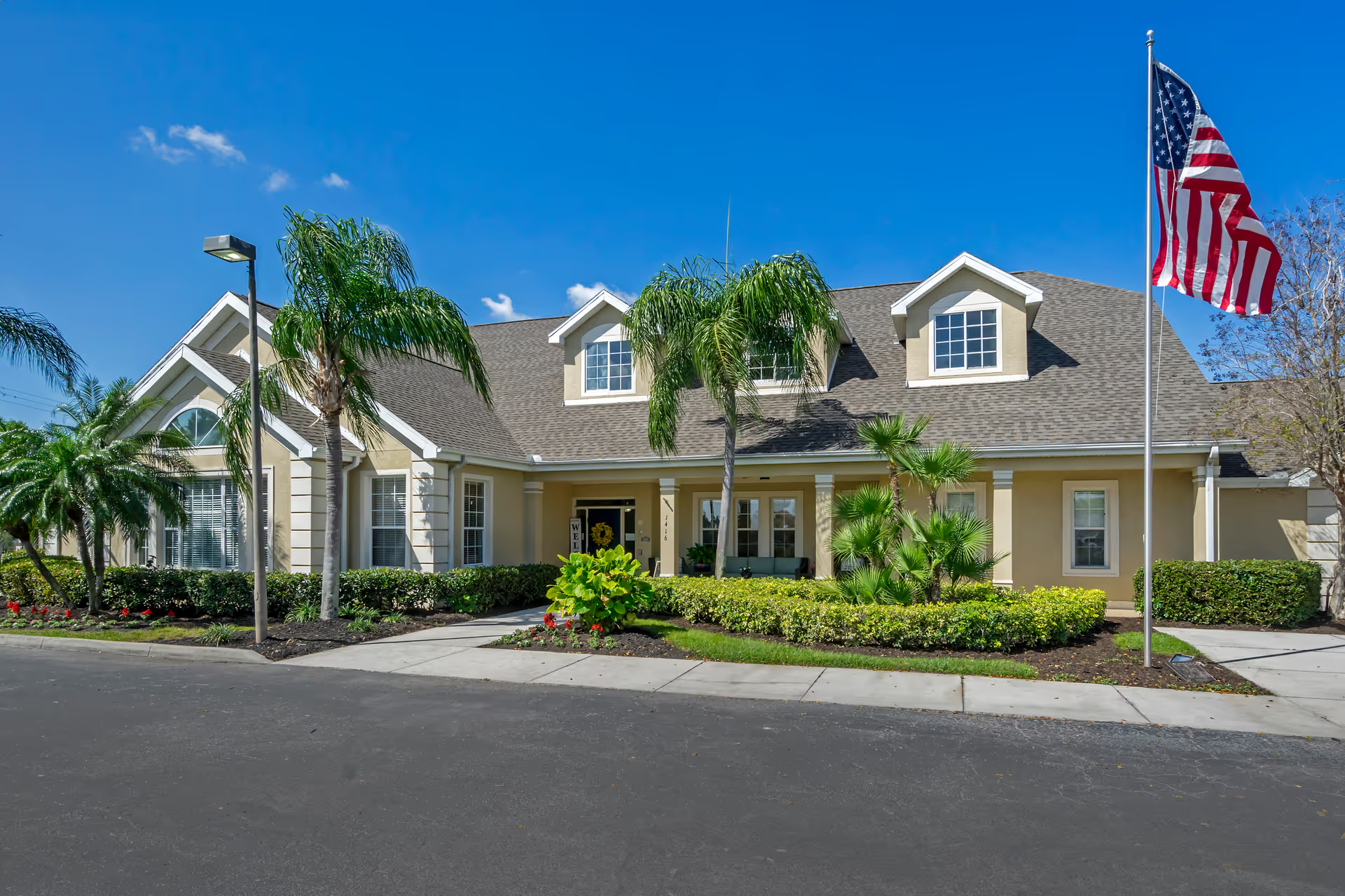
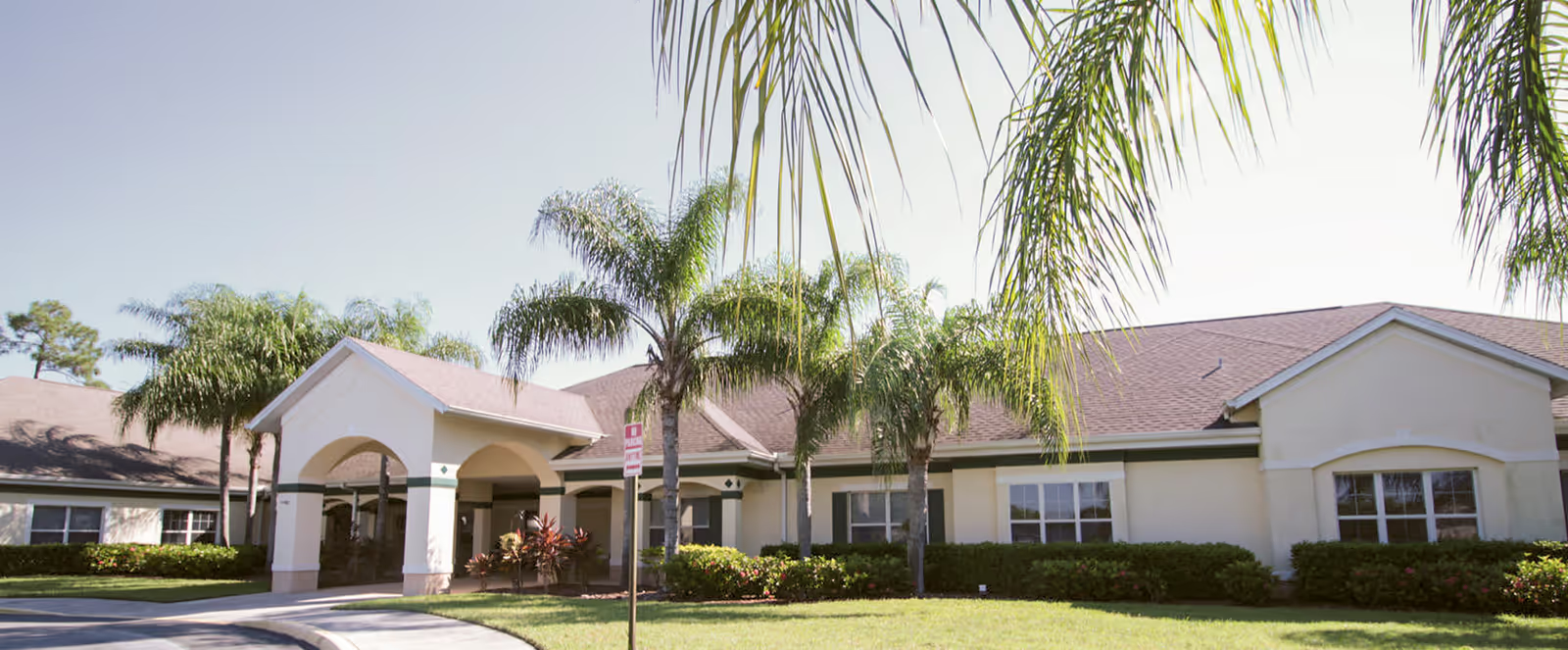
The physical plant and safety features are notable positives. The property is consistently described as well maintained and exceptionally clean. Practical safety measures, such as an on-site generator and proximity to the fire department, are highlighted alongside a safe, comfortable neighborhood location convenient for family visits.
Potential trade-offs reflect the small-house operational model rather than specific incidents. Limited capacity can constrain availability and reduce social diversity; families seeking a larger peer group should factor that in. The community provides in-house therapy and basic medical oversight but may not have the breadth of on-site higher-acuity clinical services found in larger assisted-living or skilled-nursing settings, so prospective residents with intensive medical needs should verify clinical capabilities. The small staff footprint that supports an intimate setting can also create coverage constraints during staff absences or peak demand periods. Additionally, the facility's current resident composition is described as all-female, which may affect suitability for male applicants.
In summary, the facility is portrayed as a clean, well-managed, highly personal assisted-living home with strong staff engagement, comforting décor, and good family communication. It is well suited to individuals seeking a small, home-like environment with attentive caregivers and hospice compatibility. Prospective residents and families should confirm clinical availability for higher-acuity needs, check current bed availability given the limited capacity, and confirm resident-mix preferences before making placement decisions.