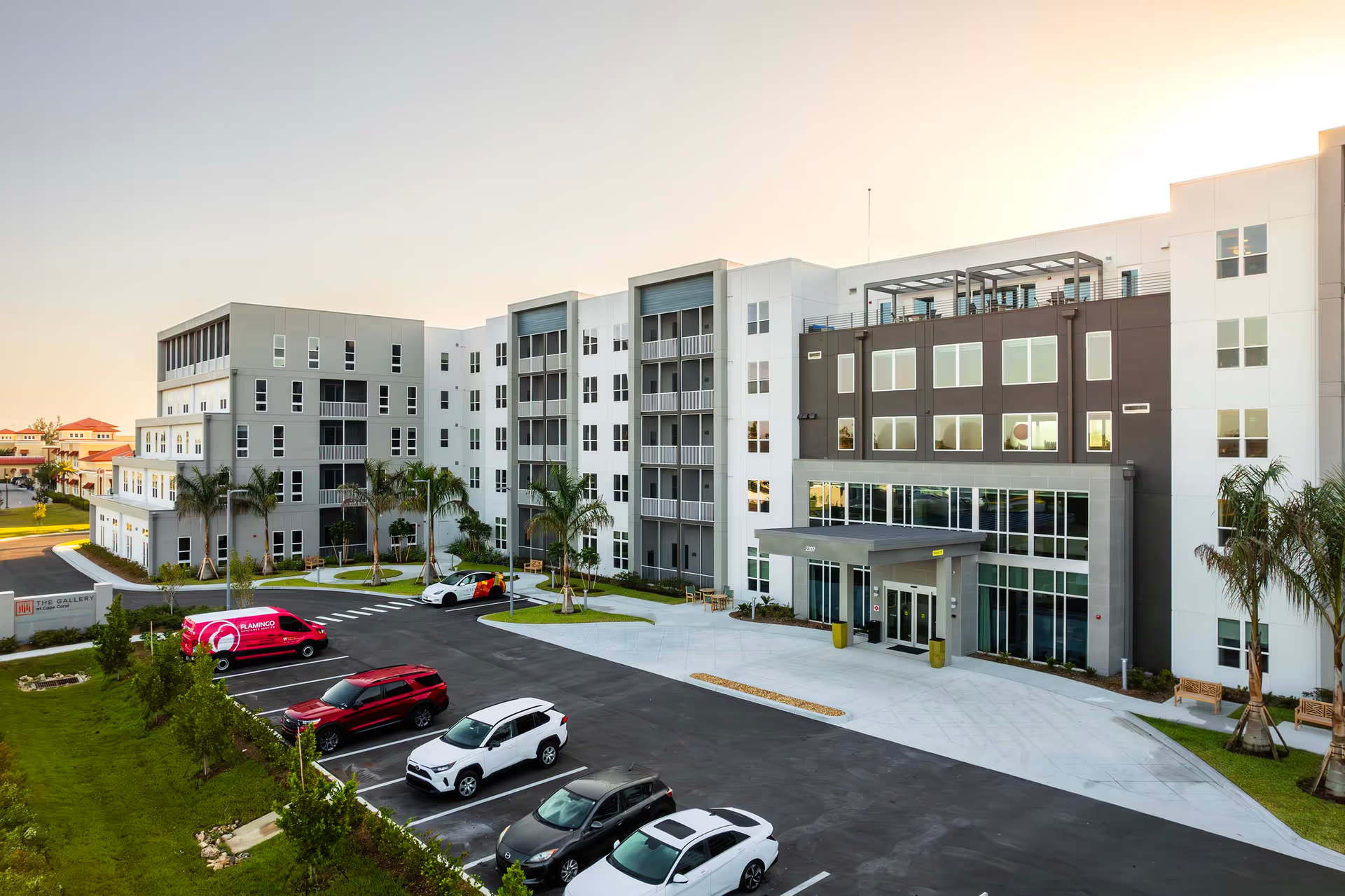
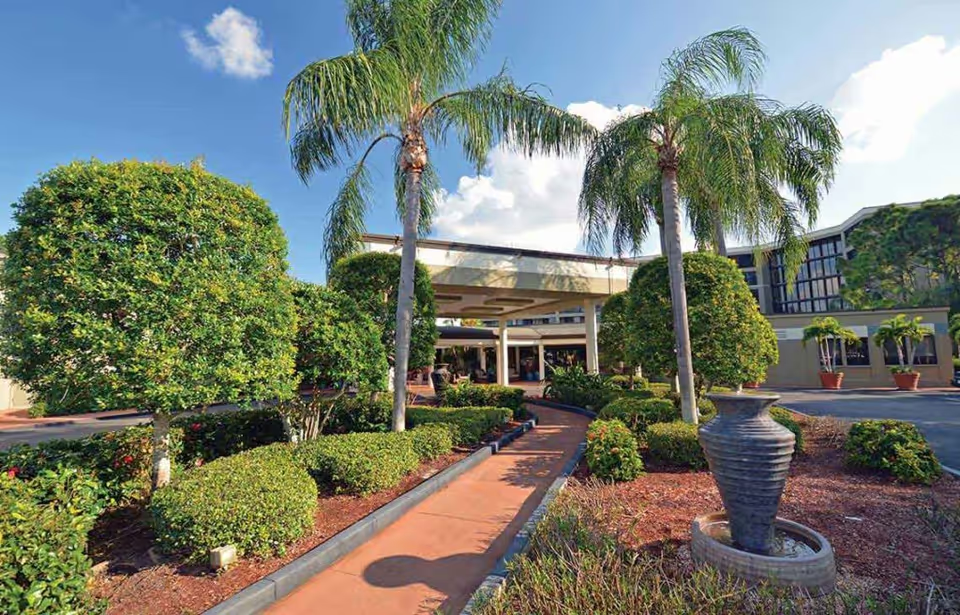
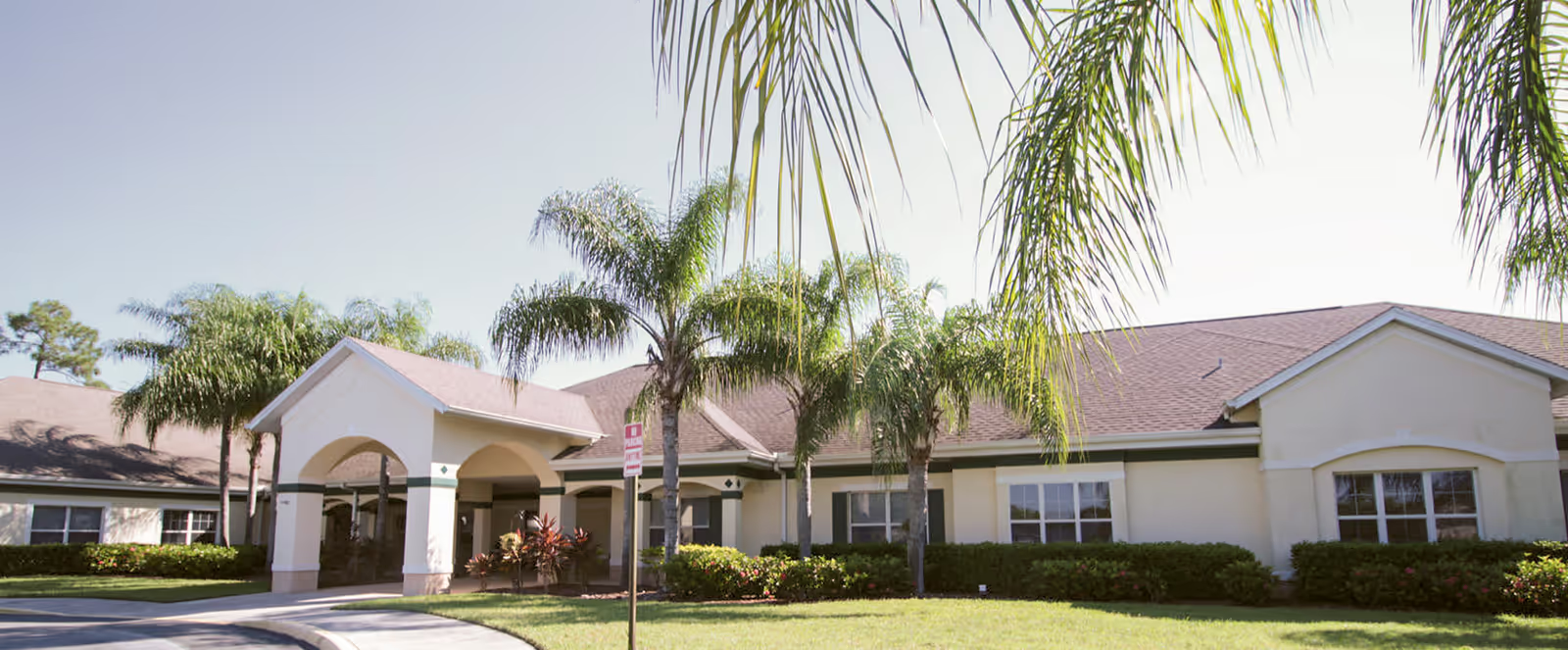
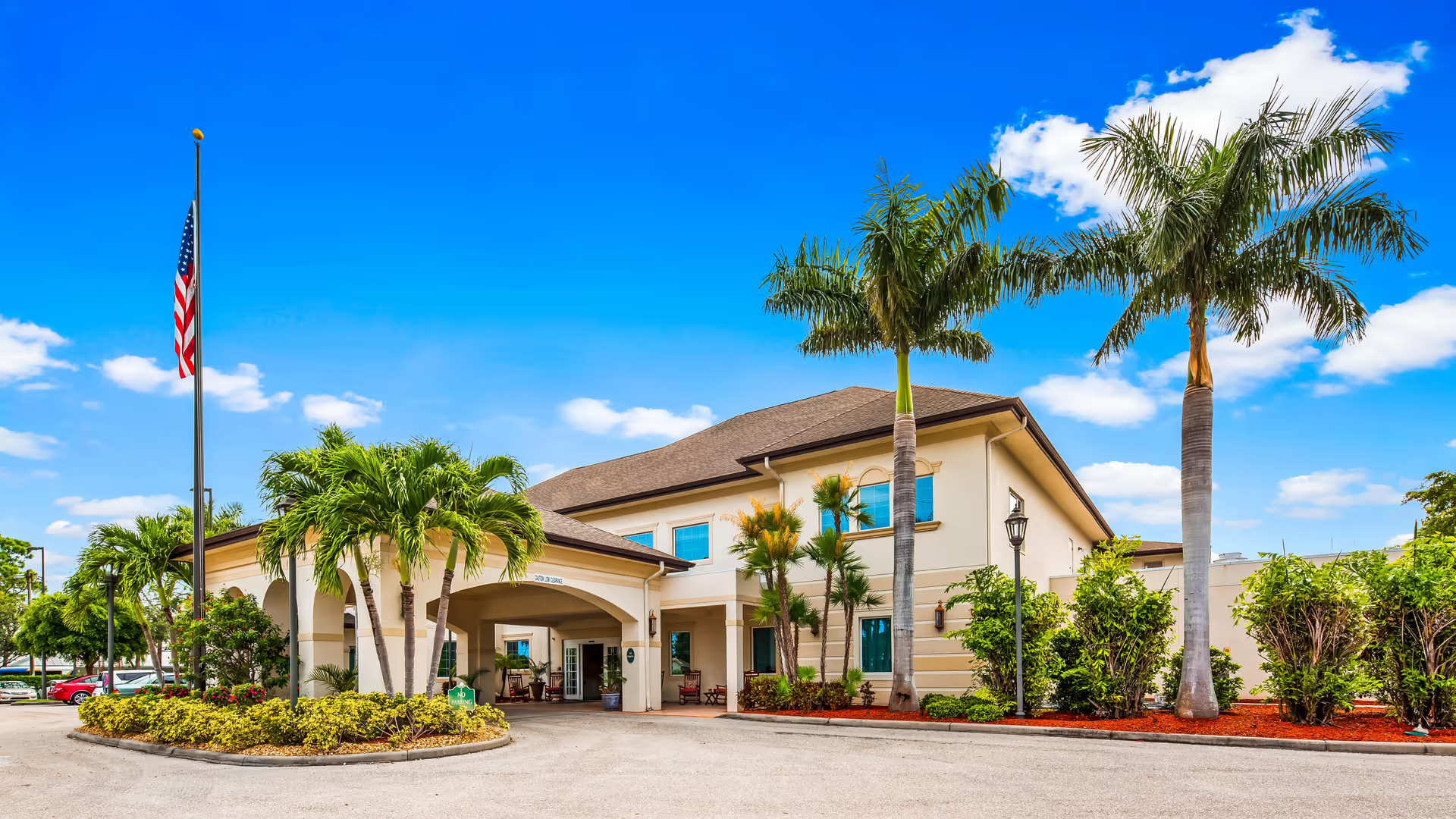
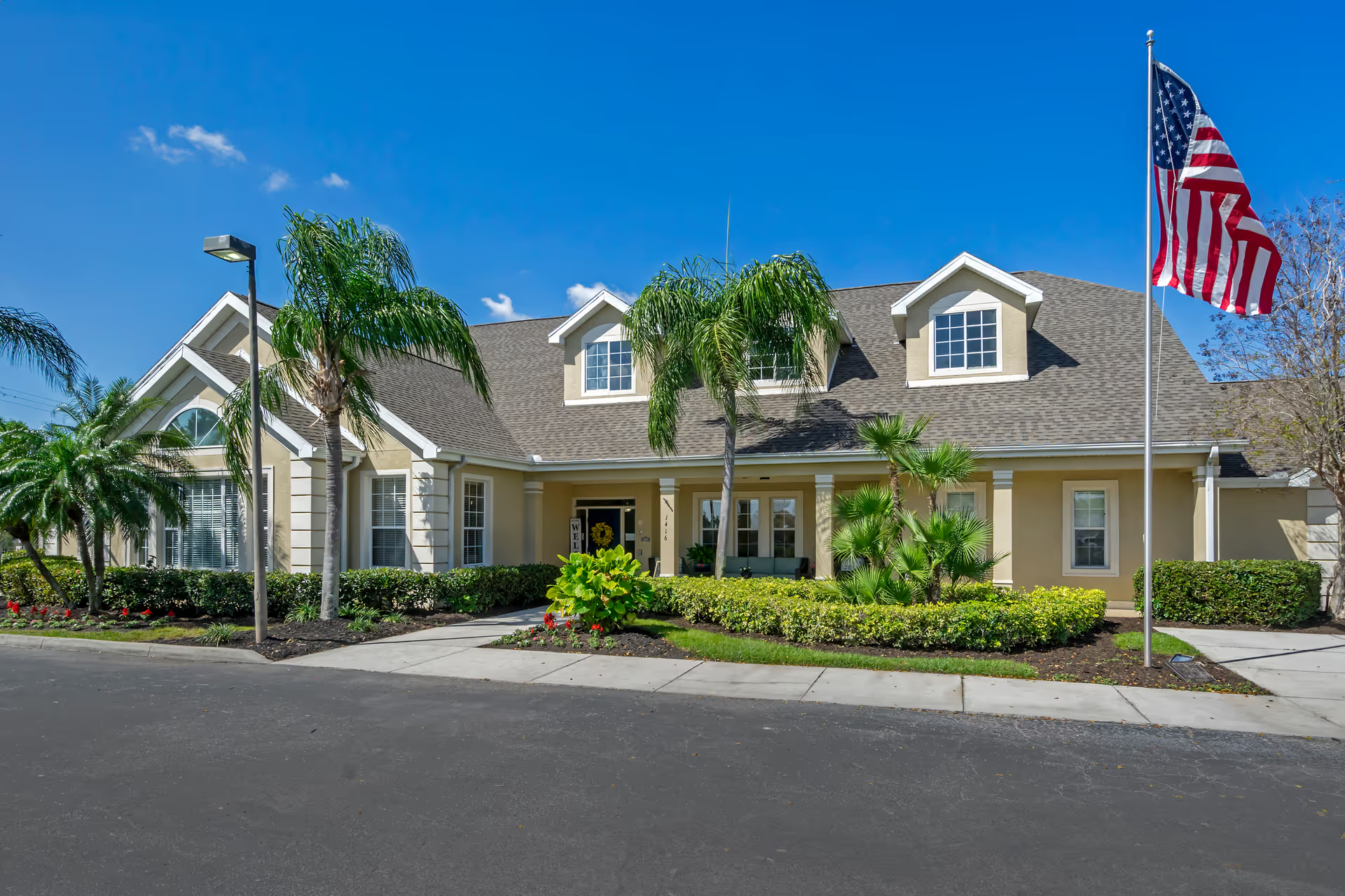
Hampton Manor of Cape Coral receives many positive remarks for its physical environment, activity offerings, and the demeanor of direct caregivers. The building is described as clean, modern and either brand-new or recently refreshed, with resort-style courtyards, pool access, private patios, and a range of on-site amenities such as a movie theater, game room and putting green. Admissions and tour interactions are frequently characterized as warm and helpful, and families regularly cite a welcoming admission process and supportive move‑in assistance.
Care quality and staff behavior are central themes with a mixed but mostly favorable tone. Numerous families praise compassionate, attentive staff who create a family-like atmosphere and provide round‑the‑clock coverage and specific clinical supports such as CPAP assistance. The secured memory-care unit and examples of consistent bathing assistance are positive signals for residents with cognitive or personal-care needs. At the same time, a pattern of operational weaknesses emerges: communication can be inconsistent across shifts, staffing levels are described as variable or stretched thin, and there are reports of medication-administration and monitoring gaps. These operational issues have, in isolated cases described by families, contributed to serious outcomes and led some families to transfer residents elsewhere. Prospective residents should inquire specifically about clinical staffing levels, incident-response protocols, and medication safeguards.
Dining and programming are another area of contrast. Many reviews highlight restaurant-style dining, made-from-scratch meals, and an active food service team; others describe uneven meal quality, limited accommodation for special diets, and menu variability. The activities program is widely praised: a dedicated activities director runs exercise classes, bingo, arts and crafts, day trips and frequent entertainment, contributing to high resident engagement. Families consistently cite a robust calendar of social and recreational options, though a few express a desire for even more adult-focused programming or additional seating in outdoor courtyards.
Management and facility policies show variability in family experience. Admissions staff and certain named employees receive strong positive mention for responsiveness and kindness, but there are recurring comments about leadership inconsistency, communication shortfalls with families, and at least one mention of licensing or documentation questions. Amenities marketing also appears to warrant verification during a tour: pool heating, courtyard seating and mobility-device policies (motorized wheelchairs/scooters) were exceptions for some families relative to expectations. Cost is sometimes described as above average, with value tied to consistent delivery of services.
Overall, Hampton Manor presents as a well‑appointed, active community with many attributes families value: cleanliness, social programming, and caring frontline staff. The primary patterns to watch are operational—consistency of staffing, handoffs, clinical monitoring and medication management, and predictable delivery of advertised amenities. Families touring the community should observe shift changes, ask for written policies on staffing ratios, incident escalation and medication administration, confirm dietary accommodations, and verify amenity details and mobility-device rules to ensure the community’s day-to-day practices align with their priorities.