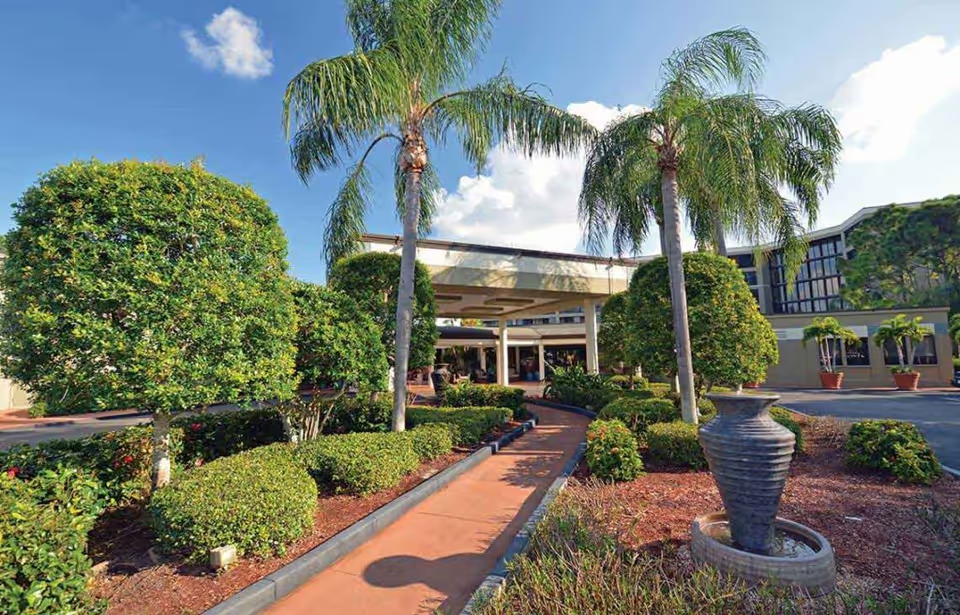
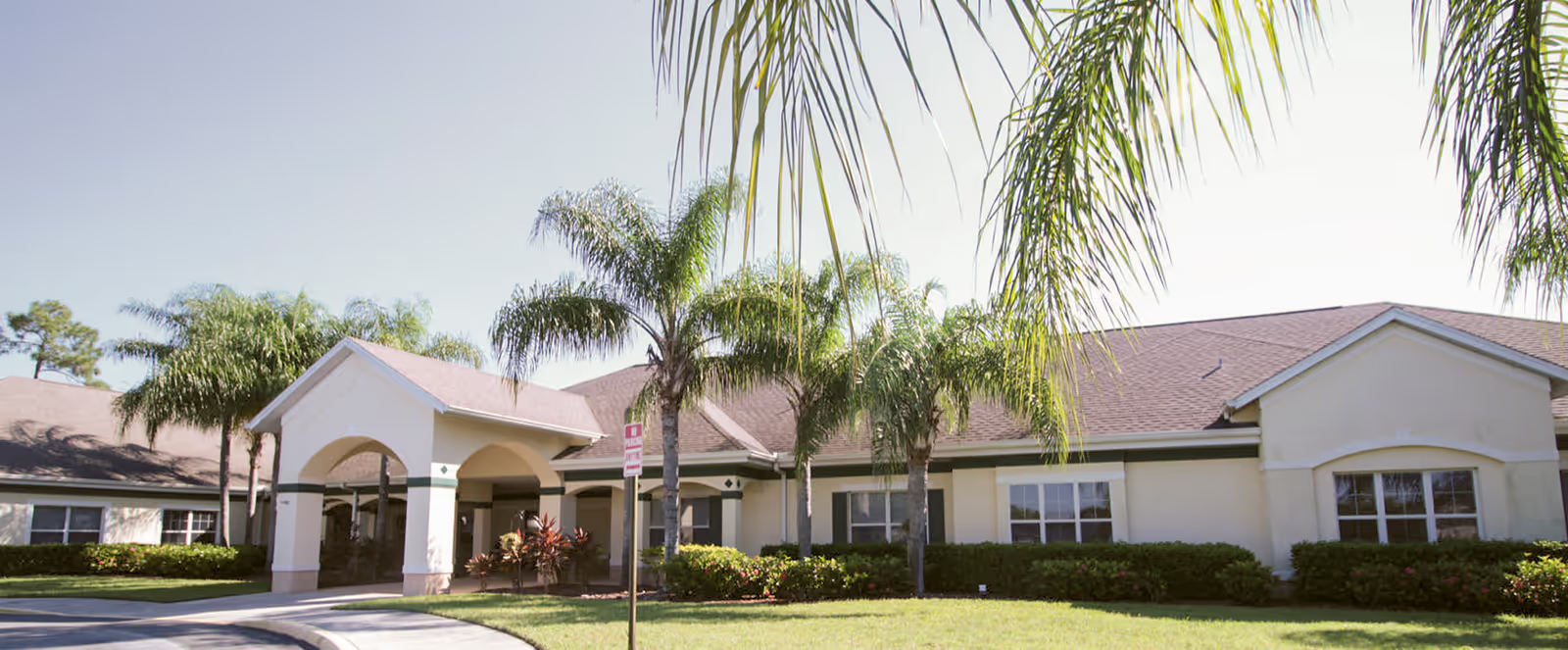
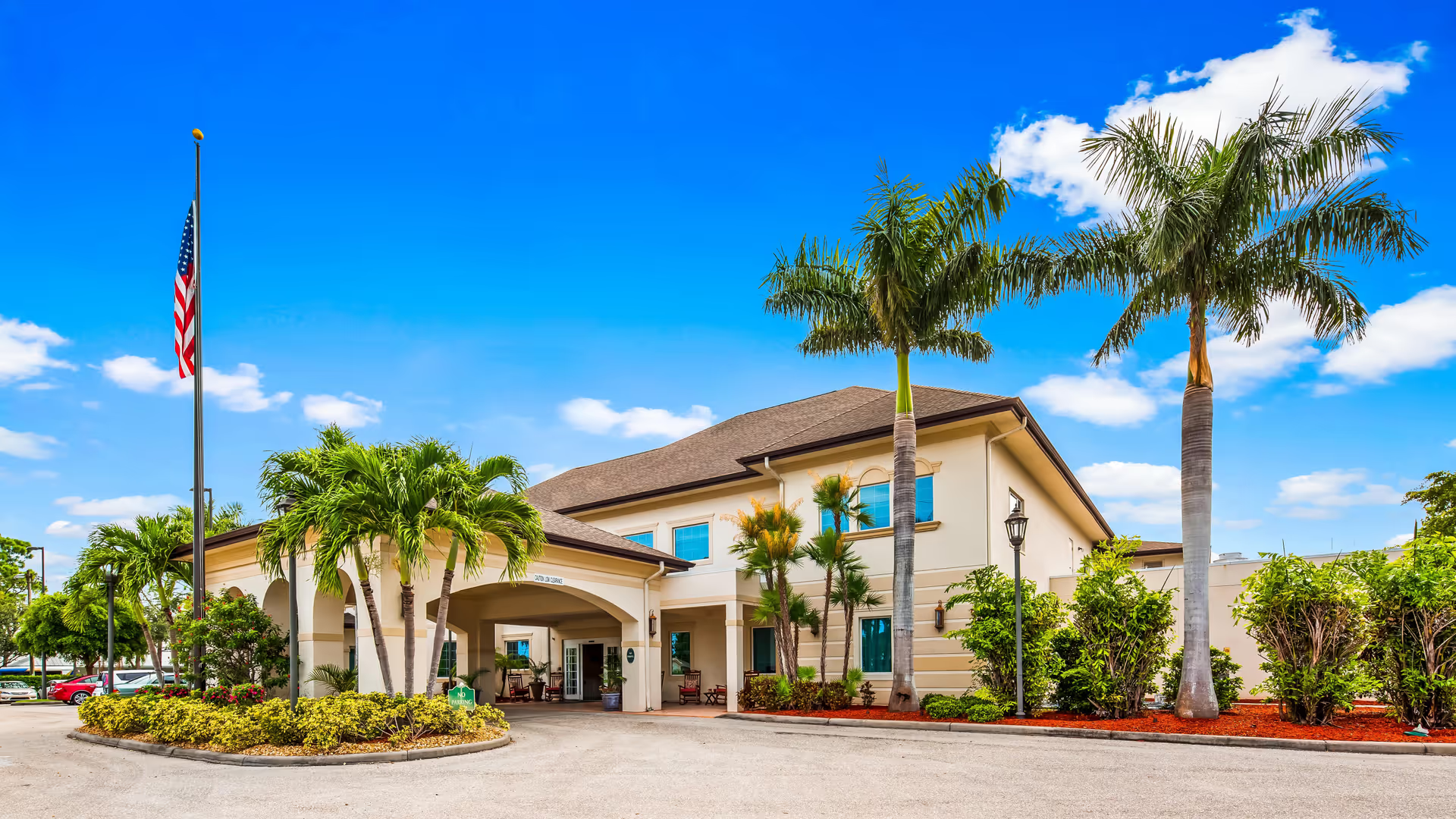
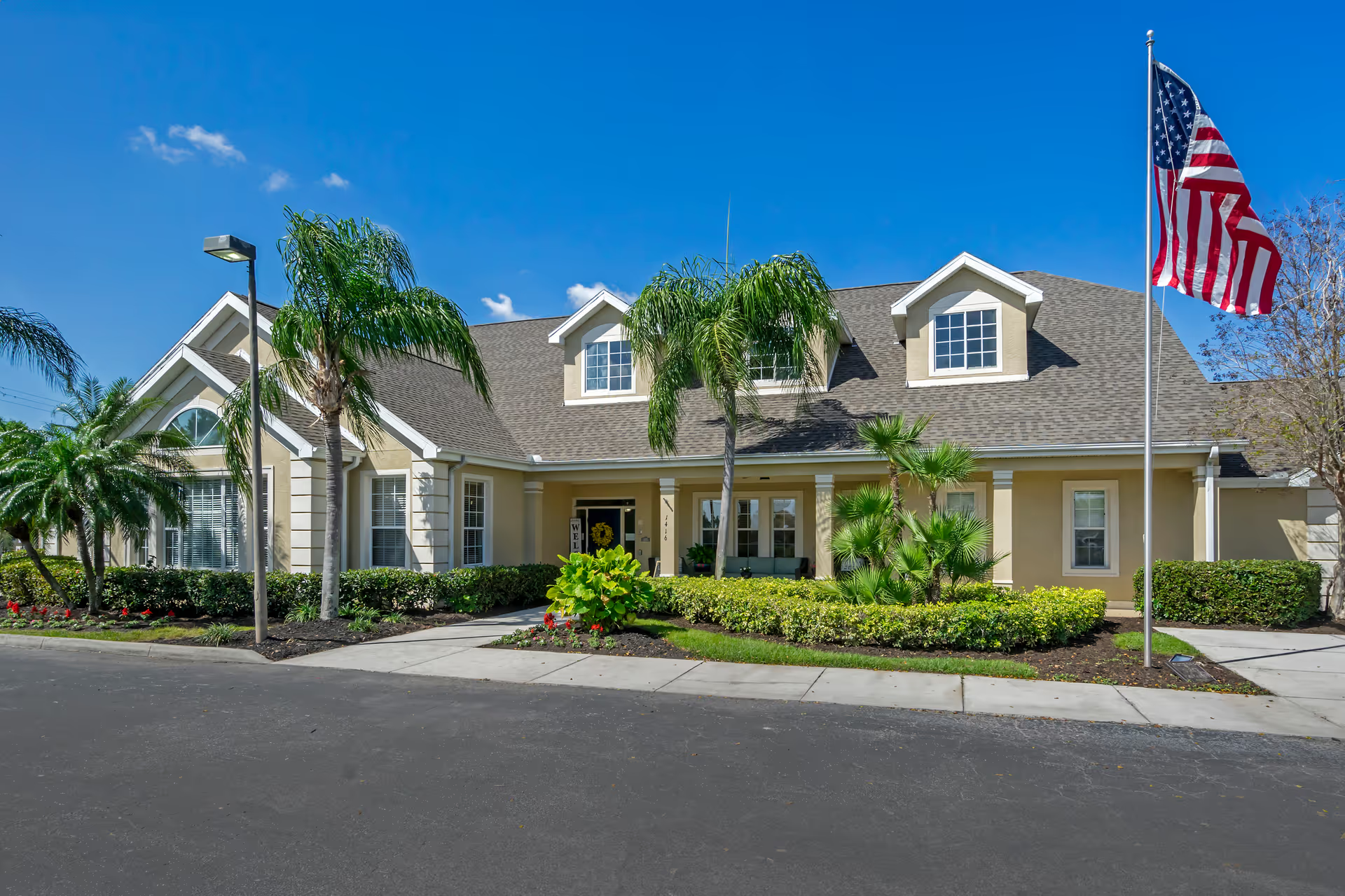
The Gallery at Cape Coral presents as a modern, well-appointed senior living community with many strengths in daily life-enrichment, dining, and therapeutic care. Families and residents praise a compassionate caregiving culture, visible clinical staff, and strong rehabilitation services. The life-enrichment program is a frequent highlight: reviewers describe a steady schedule of events, live music, trips, themed meals and parties, group fitness including water aerobics, and pet-therapy offerings that contribute to a lively, social atmosphere. Dining is often described as restaurant-style with varied menus and specialty offerings, and maintenance teams are noted to be responsive and personable.
Care quality receives mixed but largely positive comments: many accounts emphasize attentive nurses, quick emergency response, and individualized attention from caregivers who learn resident preferences. Therapy and rehab outcomes are commonly described as beneficial. At the same time there are recurring operational concerns that prospective families should evaluate: staff turnover and variable training create inconsistent experiences across shifts; gaps in shift-to-shift communication were associated with missed or delayed routines; and medication-management or documentation delays were described in multiple accounts. Several families specifically raised incontinence-care delays and inconsistent personal-care routines and cleanliness issues in particular areas, which indicate variability in day-to-day caregiving practices.
Memory care is an area with divergent experiences. Some families report structured, engaging memory-care activities and hands-on stimulation, while others describe limited engagement, difficulty managing advanced behavioral-health needs, and inconsistent reporting about incidents. This pattern suggests the unit can work well for many residents but may have limited capacity for residents with severe sundowning or complex behavioral presentations; prospective families should ask about behavioral-health protocols, staff training specific to dementia care, and escalation pathways for acute behavioral events.
Management and administration present a mixed picture. Positive notes include visible leadership, strong admissions support, clear hurricane preparedness, and regular family communication in many cases. Conversely, reviewers raised concerns about leadership turnover, variable customer-service interactions at the front desk, and a lack of upfront clarity on fee structures, care-level evaluations, and ancillary charges. Laundry-service inconsistencies and occasional lapses in housekeeping or odor control were described often enough to be considered operational patterns rather than isolated events.
In summary, The Gallery at Cape Coral offers a contemporary, activity-rich environment with strong culinary and therapy programs and many staff who provide compassionate, resident-centered care. However, operational variability—especially around staffing stability, training, documentation/medication processes, memory-care capacity for complex behaviors, laundry and sanitation consistency, and fee transparency—appears repeatedly. Prospective residents and families would be well advised to tour the community, ask for details on staffing ratios and training, review written fee and care-level policies, inquire about memory-care behavioral supports, and observe a mealtime and activity period to confirm the experience aligns with their expectations.