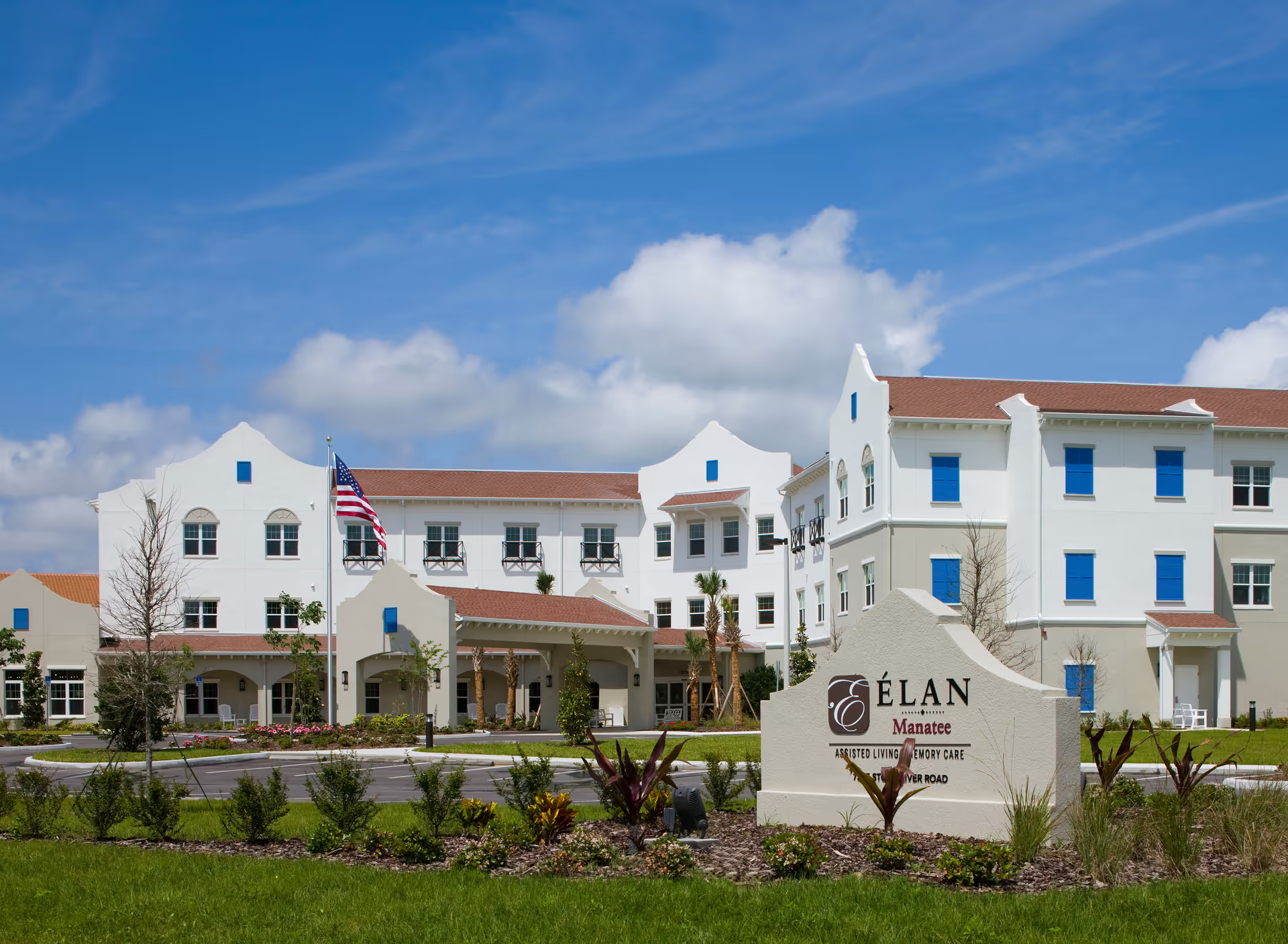
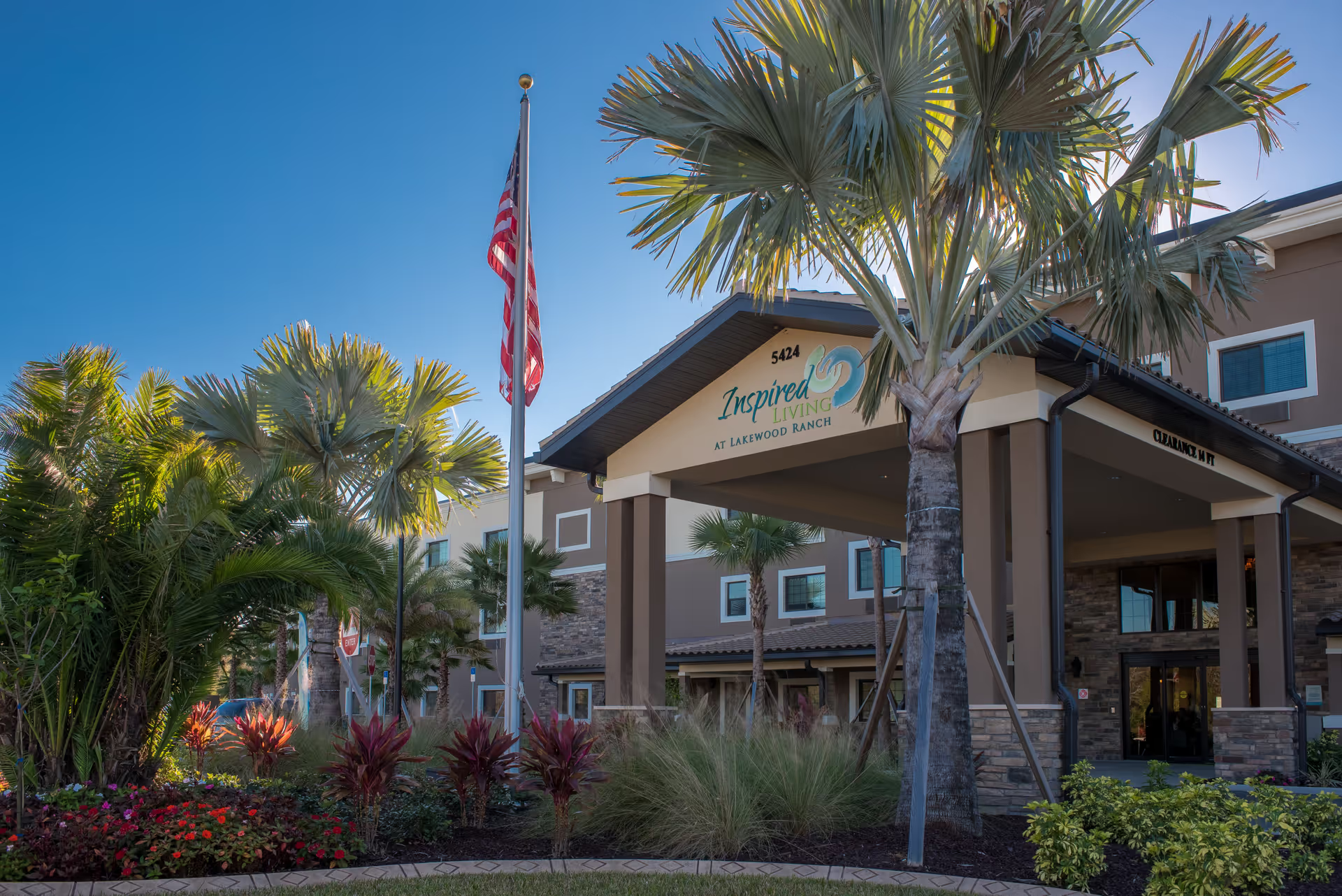
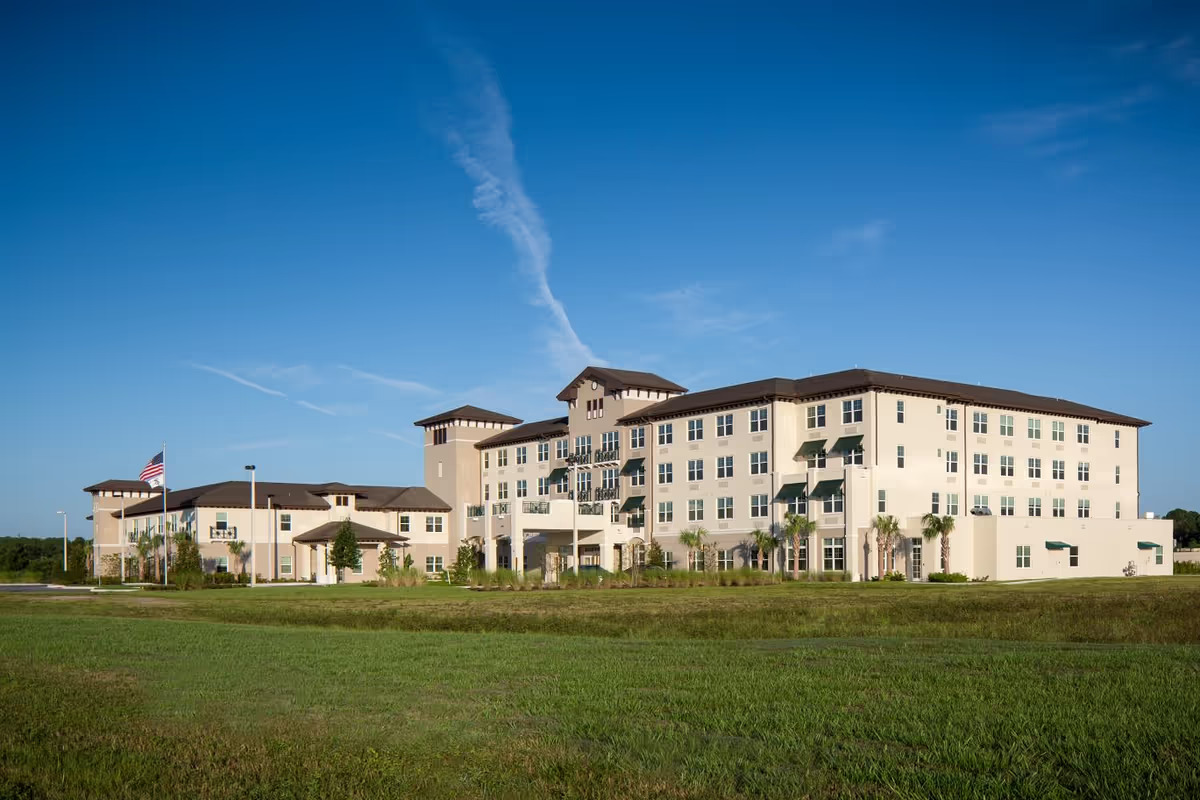
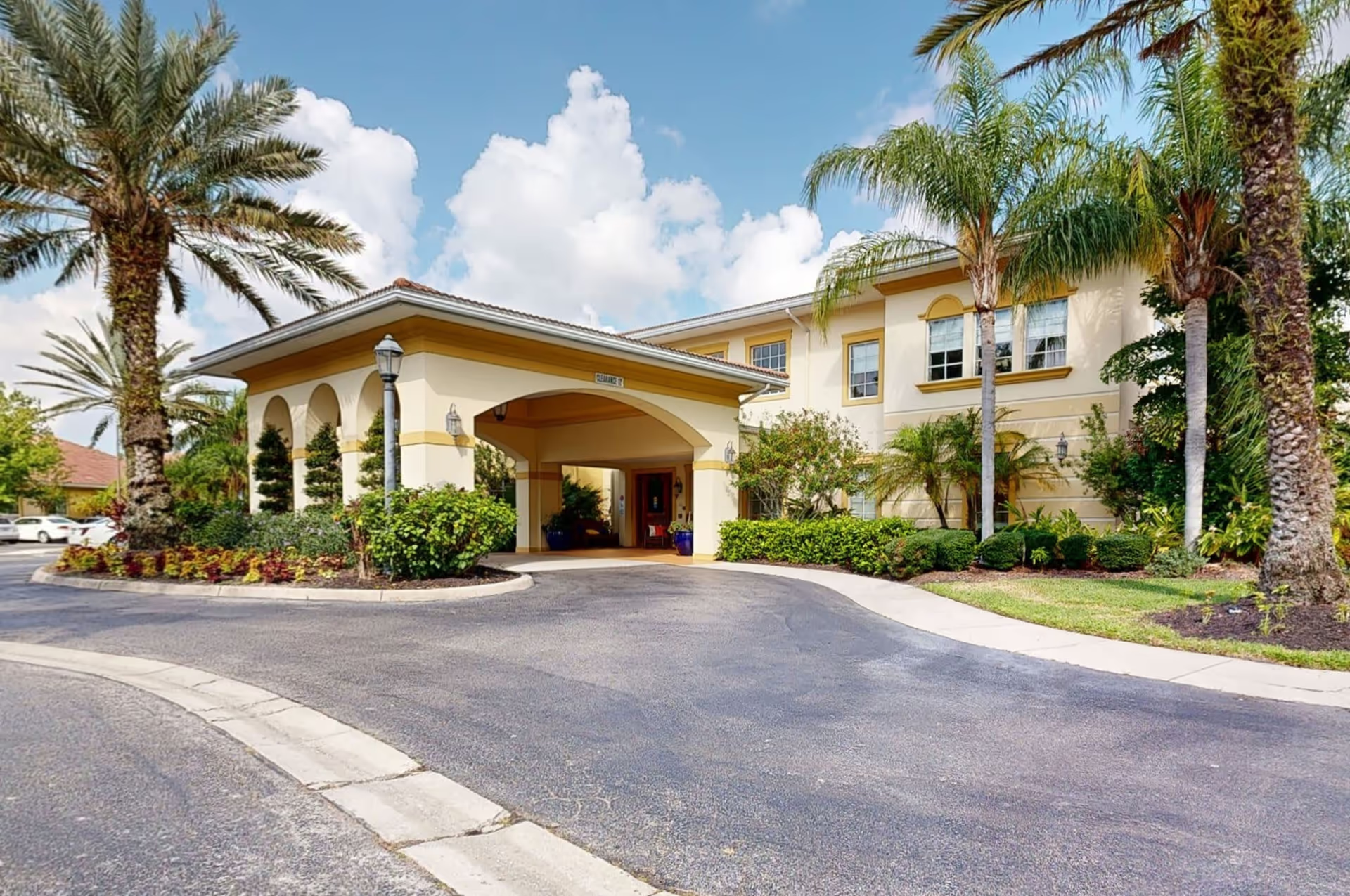
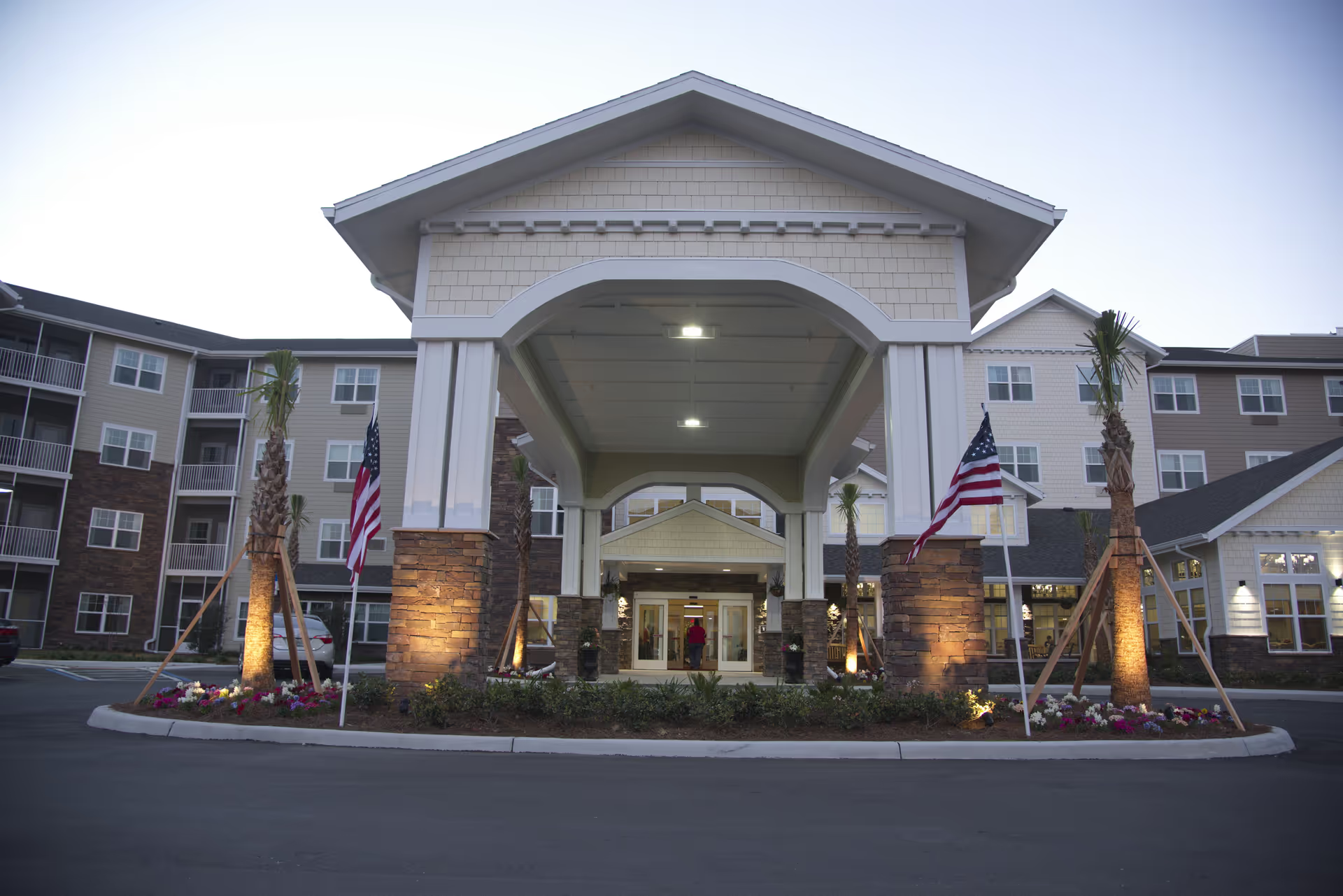
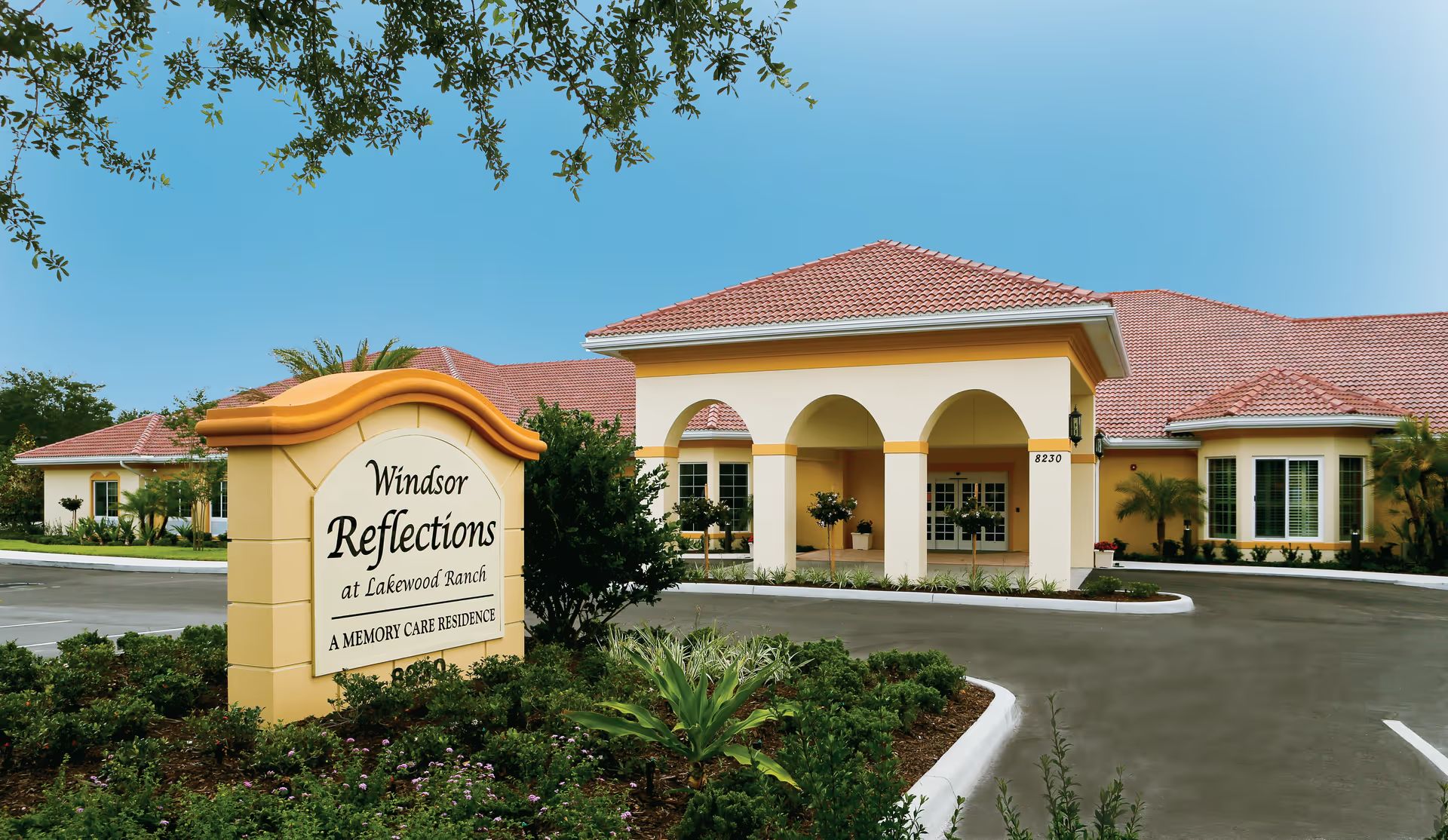
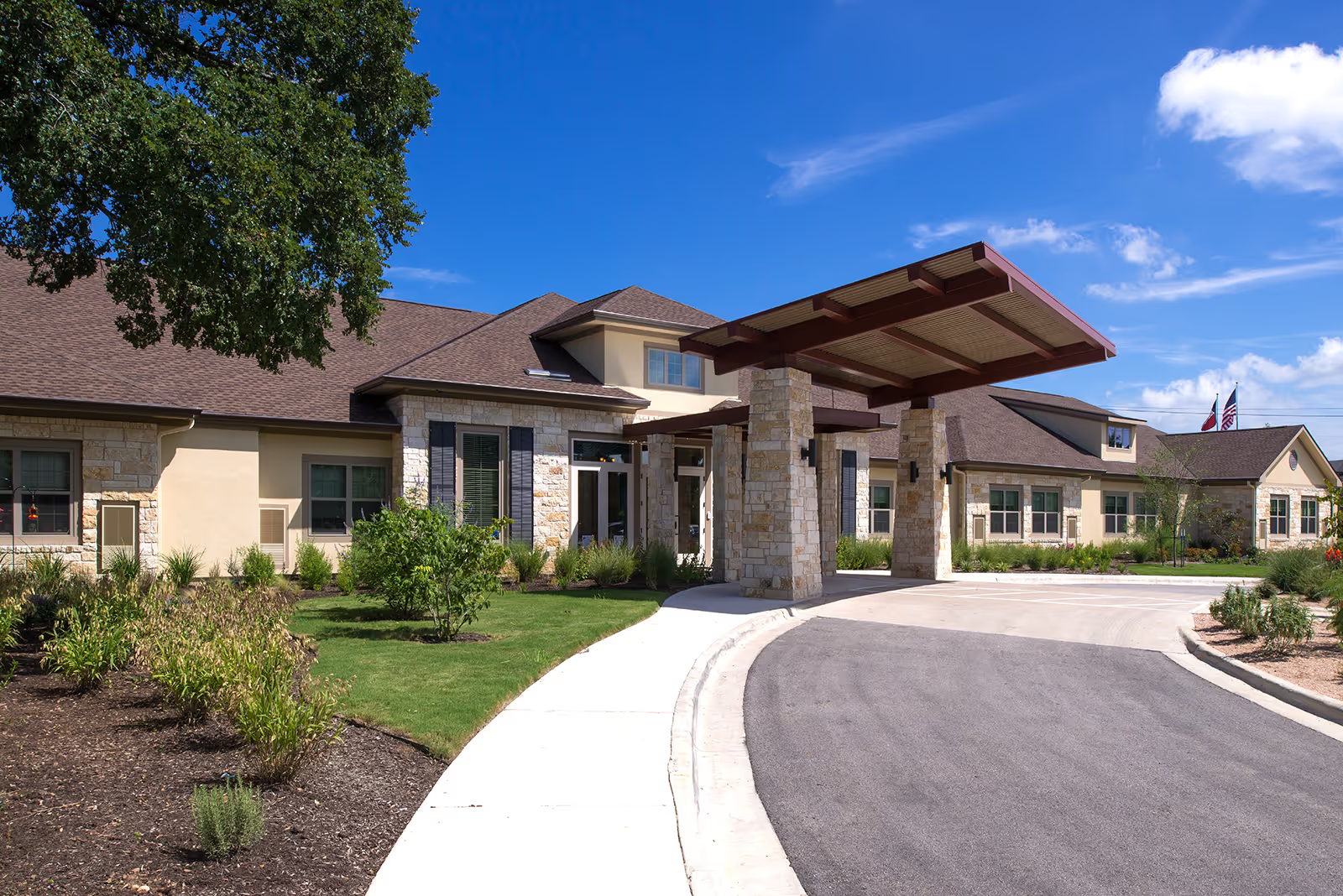
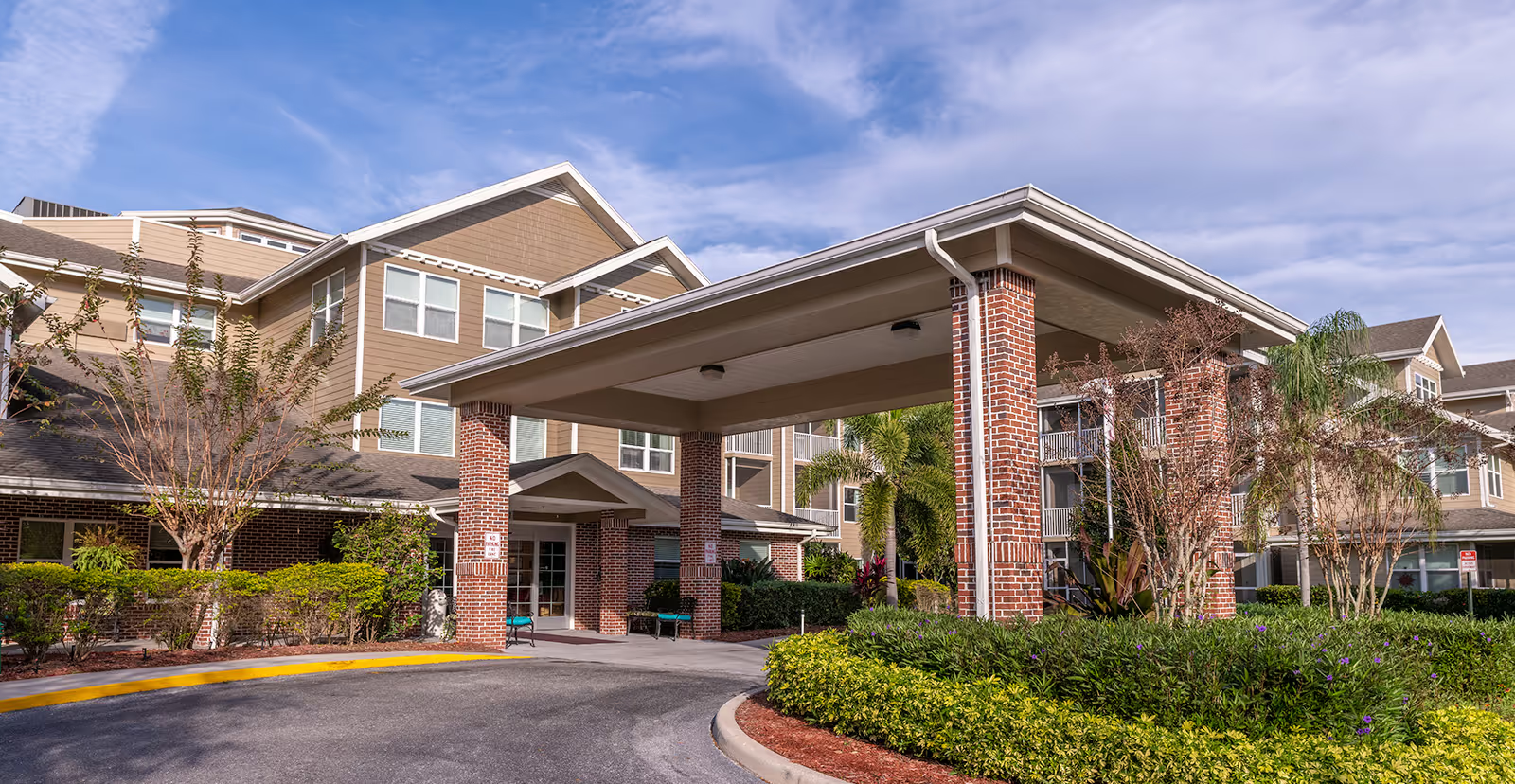
Stone River is generally described as a well-maintained, hotel-like independent living community with a wide range of amenities and an active social environment. Reviewers frequently highlight the friendliness and responsiveness of many frontline staff members, strong concierge and valet services, thorough housekeeping, and a robust slate of activities that includes fitness classes, games, outings, religious services, and a full schedule of entertainment. The campus features multiple social venues (movie theater, library, game rooms), on-site conveniences (salon, store, espresso/soft-serve stations), and in-unit amenities (full kitchens, washer/dryer, individual HVAC control) that support independent living.
Care and staffing: Overall impressions of care are mixed but often positive. Many accounts emphasize compassionate, attentive staff and accessible on-site home-health and therapy services, which provide convenience and a measure of clinical support for independent residents. At the same time, a recurrent operational concern is elevated staff turnover and periods of understaffing. Reviewers link these staffing patterns to variable responsiveness, occasional front-desk coverage lapses, and uneven execution of programs. Management stability also appears uneven: some reviewers praise engaged, hands-on managers and rapid communication, while others describe leadership changes, perceived apathy, or diminished follow-through. Prospective residents should clarify staffing levels, turnover trends, and escalation procedures during a visit.
Dining: Dining is a prominent selling point for many residents—chef-prepared meals, an extensive menu, a salad bar, and round-the-clock snack options are frequently praised. Several reviewers call out specific chefs and positive culinary experiences. However, there is also a clear pattern of inconsistent meal quality and kitchen capacity issues: accounts note substitutions, small portions at times, multiple chef changes, and long lines or wait times during peak service periods (especially weekends). These issues are often linked to kitchen short-staffing and service continuity gaps. Visitors should ask about peak dining hours, kitchen staffing, and how the community handles substitutions and dietary needs.
Activities and community life: Stone River’s programming is a consistent strength. The community runs frequent classes, social groups, religious services, and outings; many reviewers emphasize a warm, family-like atmosphere and active resident engagement. The activities director is singled out positively in numerous comments. That said, there are occasional notes about program staffing turnover (e.g., departed activities personnel) which can temporarily reduce offerings.
Facilities and accessibility: The physical plant is widely described as attractive, clean, and well-appointed—many reviewers use terms like hotel-like and emphasize thoughtful apartment design. The campus offers multiple common areas and conveniences, but there are notable limitations: outdoor seating, gardens, and a swimming pool are frequently absent or limited. Accessibility logistics also draw attention—mobility devices parked in corridors and congestion in dining and common areas create both convenience and egress concerns for some families. Prospective residents should review emergency egress plans and ask how mobility-device storage and corridor flow are managed.
Cost, policies, and amenities gaps: Price is a common theme. Many residents feel the community’s cost is justified by food, service, and amenities, but others identify the monthly rate and ancillary fees as high and occasionally difficult to justify when service inconsistencies appear. Specific operational gaps called out include limited guest-suite availability, variable pantry/amenity stocking (no on-site ATM in some accounts), and inconsistent pricing for salon services. Additionally, some families noted a mismatch between marketing that emphasizes a resort lifestyle and an experience that can feel closer to assisted or skilled-care settings depending on resident mix; confirming the typical resident profile and levels of care offered is advisable.
Notable patterns and guidance: The dominant pattern is one of strong hospitality, engaging programming, and attractive facilities tempered by operational variability—especially around staffing, dining continuity, and management turnover. Many residents and families are highly satisfied, citing safety, social life, and culinary strengths; others raise legitimate operational questions that affect daily life. When evaluating Stone River, consider direct questions about staffing ratios, leadership tenure, peak dining service management, front-desk coverage, emergency procedures involving residents with mobility devices, guest-suite policies, and the availability of higher-level care if that is a future concern. A targeted tour during a mealtime and an opportunity to speak with current residents and day-shift staff can help clarify how consistent the experience is today.