Overall impression: The reviews convey a predominantly positive experience at Villas of Holly Brook, with frequent praise for the facility’s atmosphere, amenities, and the everyday care residents receive. Many descriptions emphasize a bright, well‑kept environment with a strong social culture that families characterize as welcoming and family‑like.
Care and staff: Care quality is generally described as attentive and compassionate. Reviewers highlight direct care provided by techs and caregiving staff who are described as kind, helpful, and supportive of residents’ wellness and healthcare needs. Several families noted that staff helped make the transition for new residents smooth and preserved dignity and quality of life. At the same time, a subset of comments point to variability in caregiver attentiveness and warmth, indicating that interpersonal consistency can differ across shifts or individuals.
Dining and activities: Dining receives consistent commendation; meals are called homemade and delicious, contributing to a cruise‑ship–style atmosphere for some residents. The activity program is a clear strength — daily and special events (for example scavenger hunts and kid‑friendly gatherings) were noted, and one staff member was singled out for organizing a range of daily offerings. The community’s programming appears to support engagement across assisted living and memory care residents.
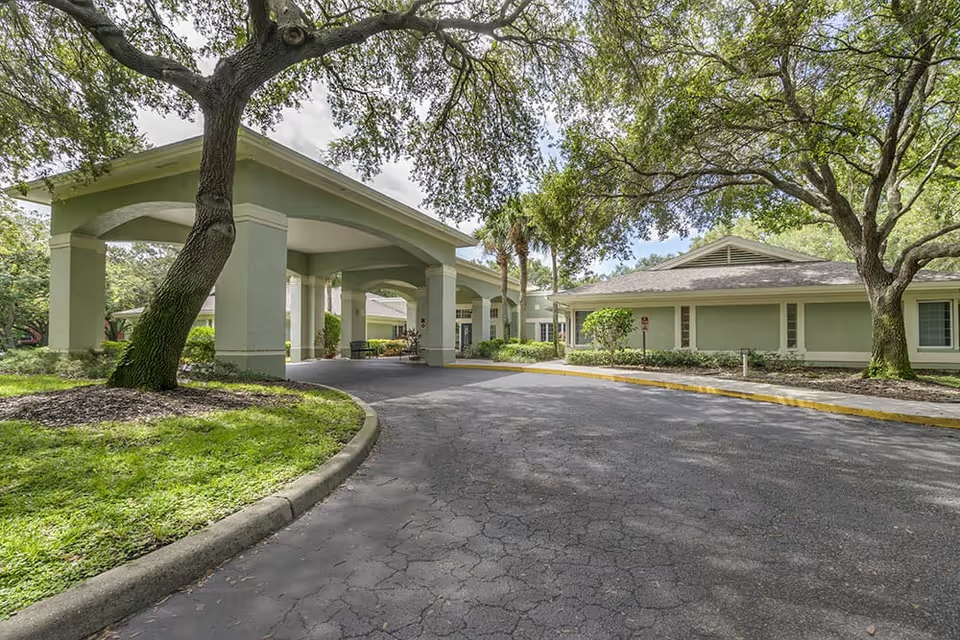
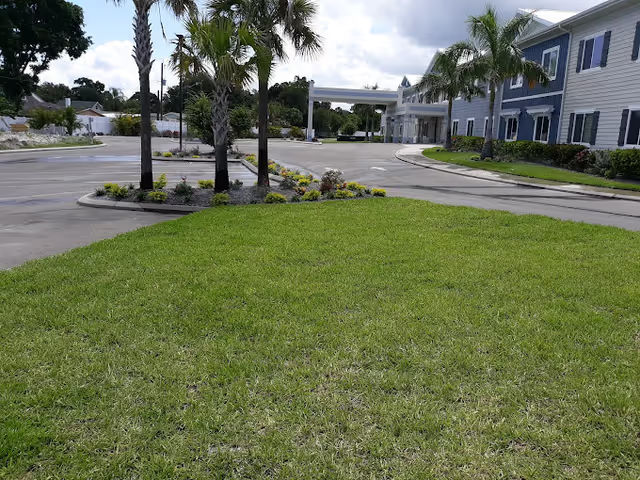
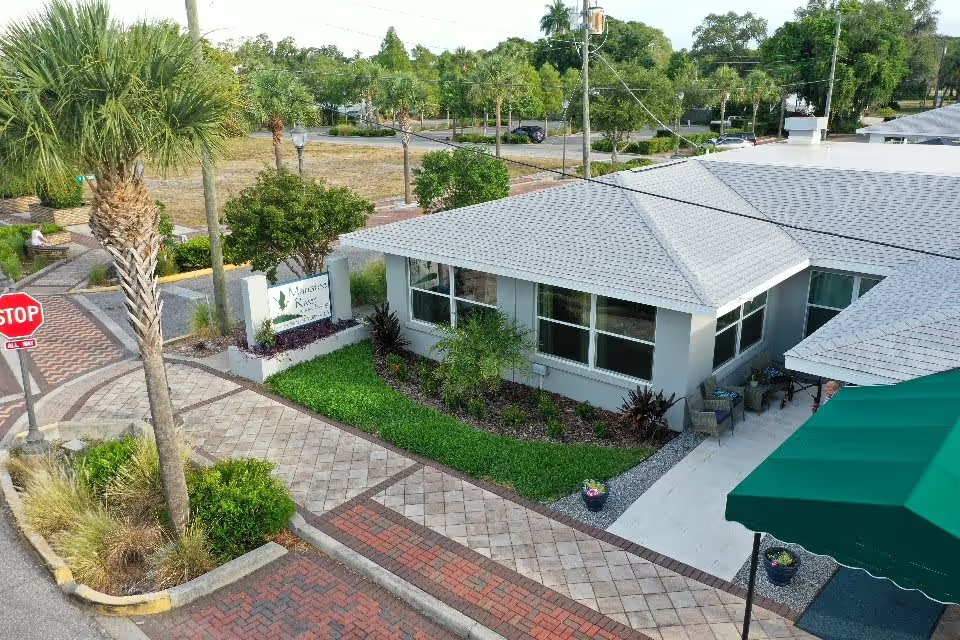
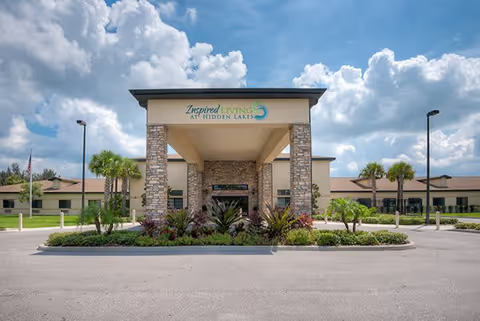
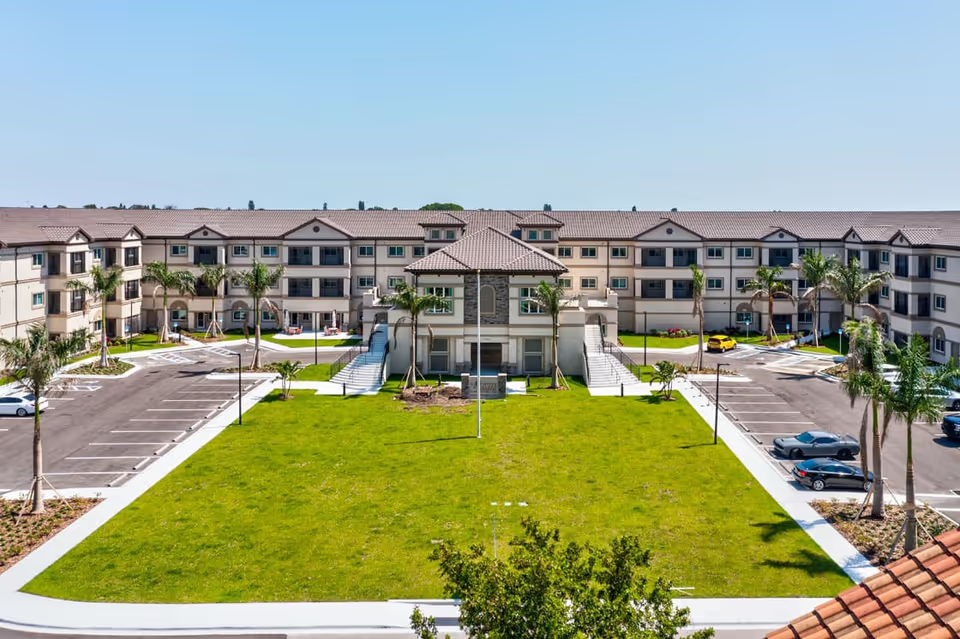
Facilities and location: The property is described as bright, upscale, and well maintained. Amenities mentioned include a Tiki bar, movie theater, library, beauty shop, and multiple outdoor recreation options (shuffleboard, putting green). The memory care area is characterized as inviting and supportive. Location is also a selling point: proximity to medical facilities, beaches, and shopping was repeatedly cited.
Management and communication: Many reviewers complimented leadership and overall operations, calling the facility well managed. However, there are also concerns about administrative responsiveness: at least one family experienced delayed follow‑up from leadership and being redirected between contacts. These comments suggest a potential gap in timely family communication and escalation processes. Prospective families may wish to ask about communication protocols, points of contact, and expected response times during tours or intake conversations.
Notable patterns and considerations: Strengths cluster around environment, programming, dining, and a generally compassionate care culture. The main operational weakness that emerges is inconsistency in administrative and caregiver communication/response; this appears episodic rather than systemic in the reviews but is important to verify in person. Overall, the community is highly recommended by many families for its amenities, social environment, and perceived quality of care, with the caveat that interested parties should confirm communication practices and staff consistency during their evaluation.