Compass Rose of Brandon elicits a strongly mixed but consistent pattern: many families and long-term residents describe warm, attentive caregivers, a lively activity program, and pleasant common spaces, while others raise operational concerns that bear direct relevance to safety, cleanliness, and management practices.
Care and staff: The facility receives frequent praise for its nursing teams, CNAs, and frontline caregivers. Reviewers commonly describe staff who are caring, communicative, and willing to go above and beyond; several families noted measurable health or emotional improvements after placement and expressed peace of mind. At the same time, a pattern of inconsistent staffing and supervisory coverage is evident. That inconsistency is tied to delays in attending to resident requests, gaps in behavioral monitoring in higher-acuity areas, and instances where clinical escalation or transfer to higher-level care occurred. There are also specific concerns about staff conduct and professional boundaries that prospective families should evaluate directly.
Dining and activities: Activities are a clear strength: daily exercise classes, regular outings, thematic events (proms, picnics, games), and a variety of social programming contribute to an engaged community. Meals are frequently described as tasty and well-liked by many residents, and the dining program is a positive element for those who enjoy campus life. However, some residents and families perceive variability in meal quality and question the perceived value relative to pricing.
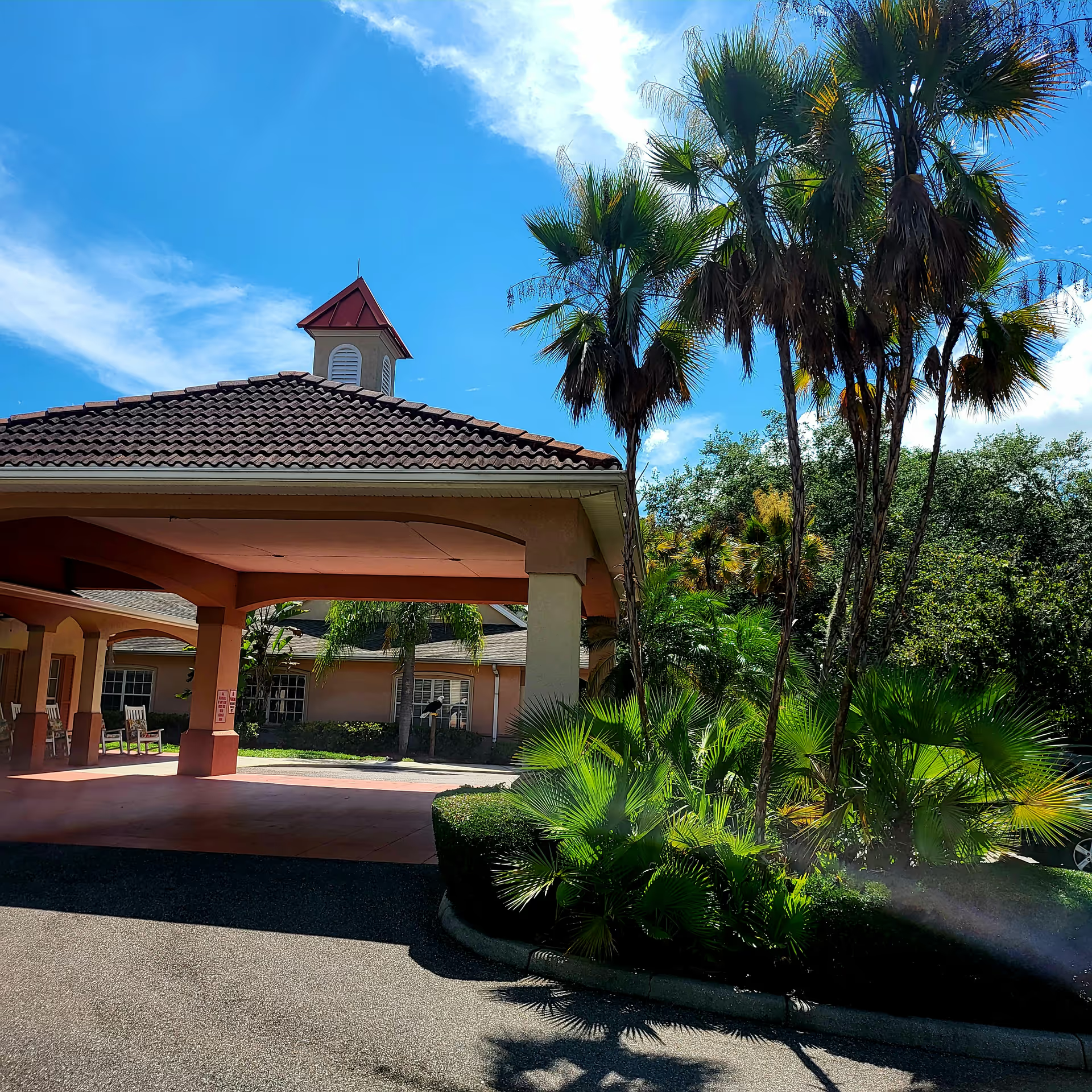
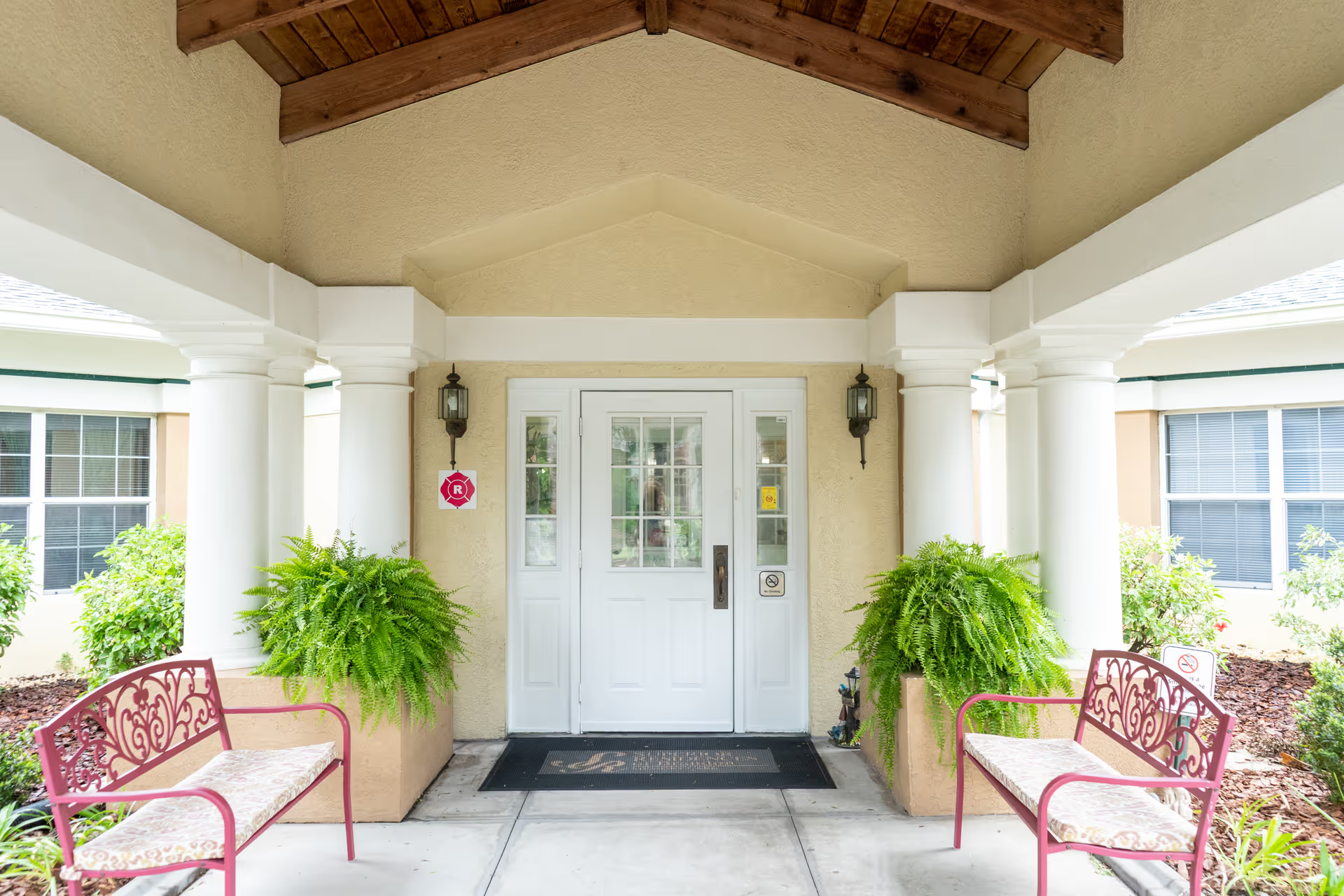
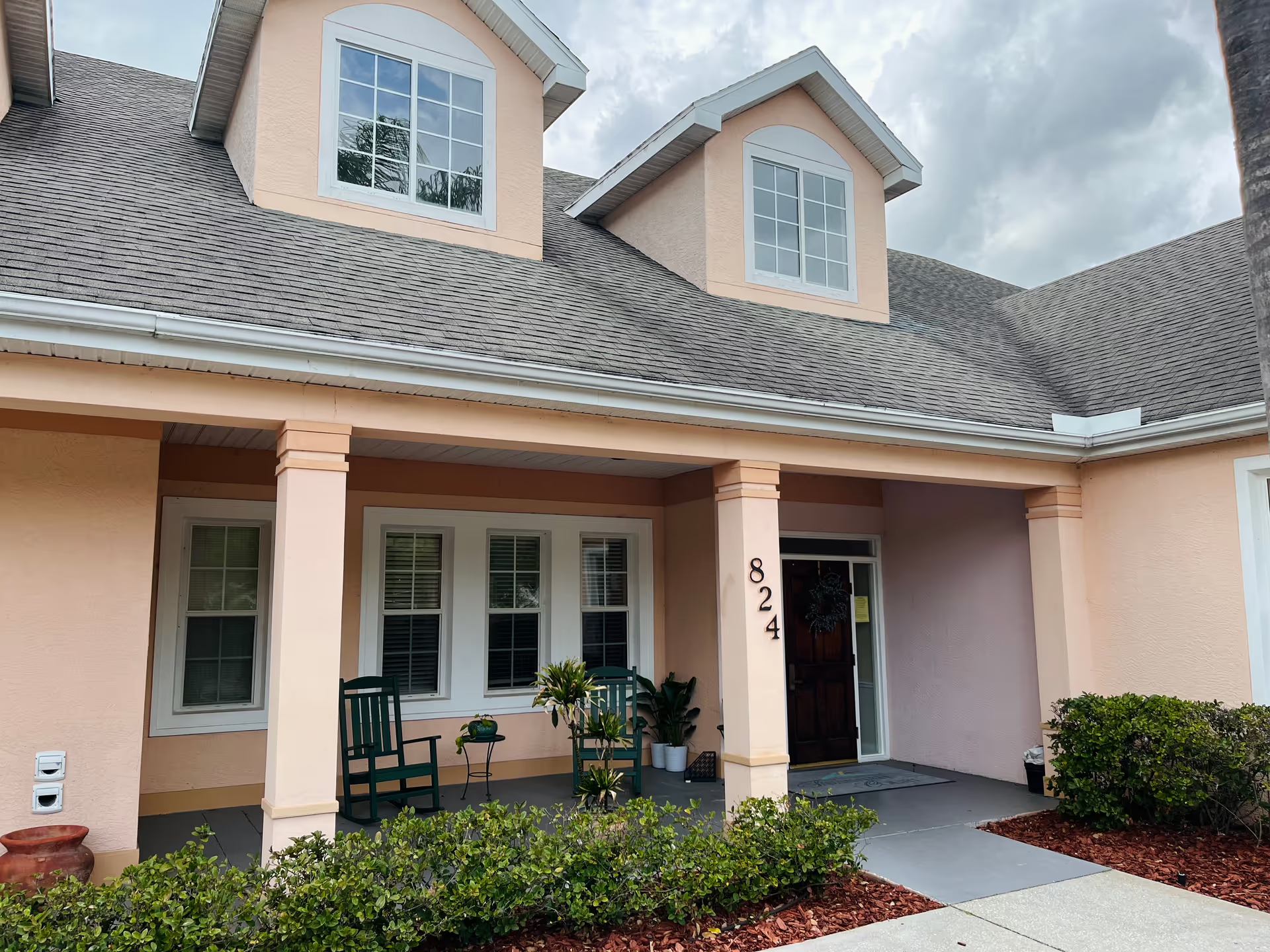
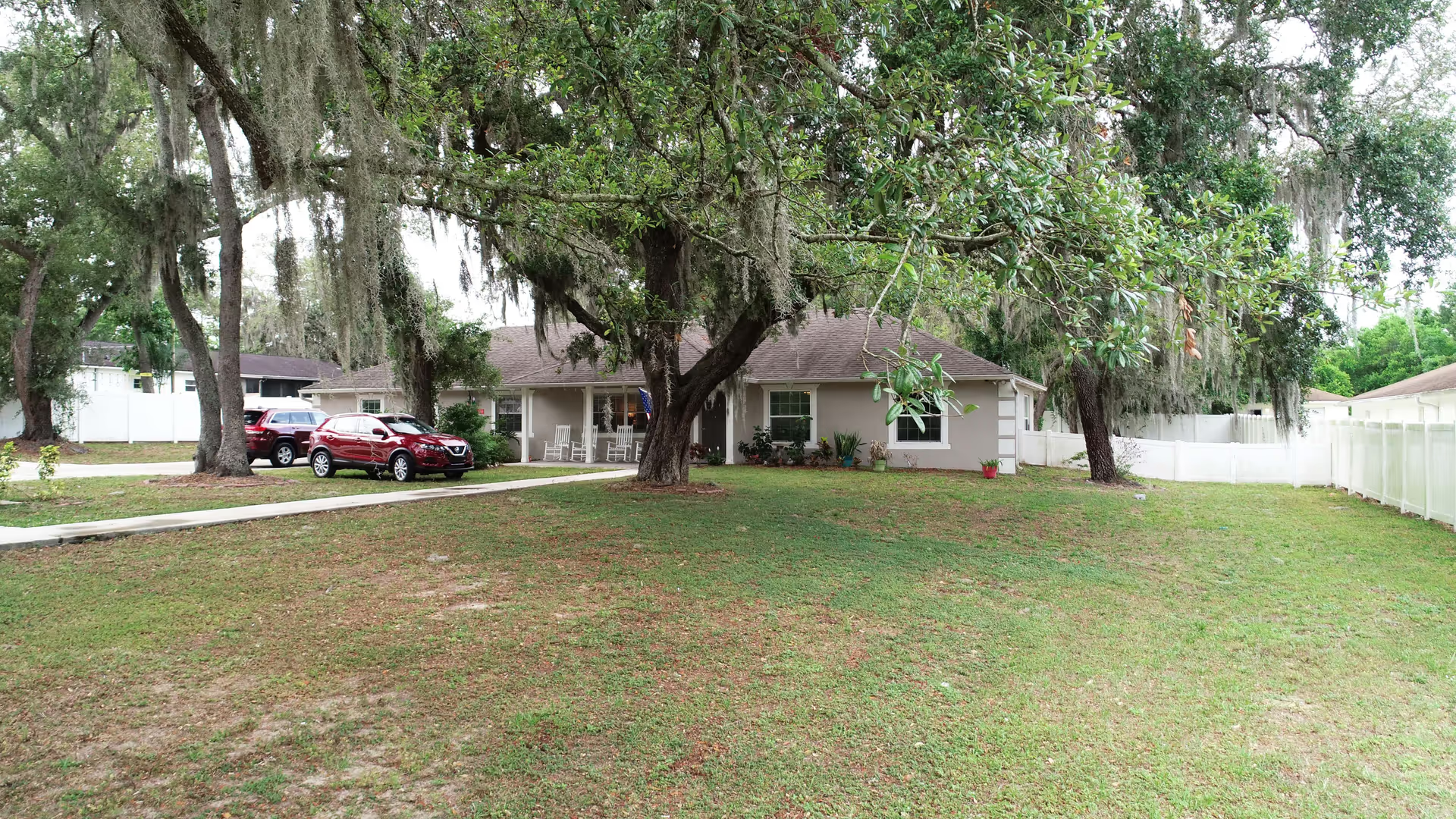
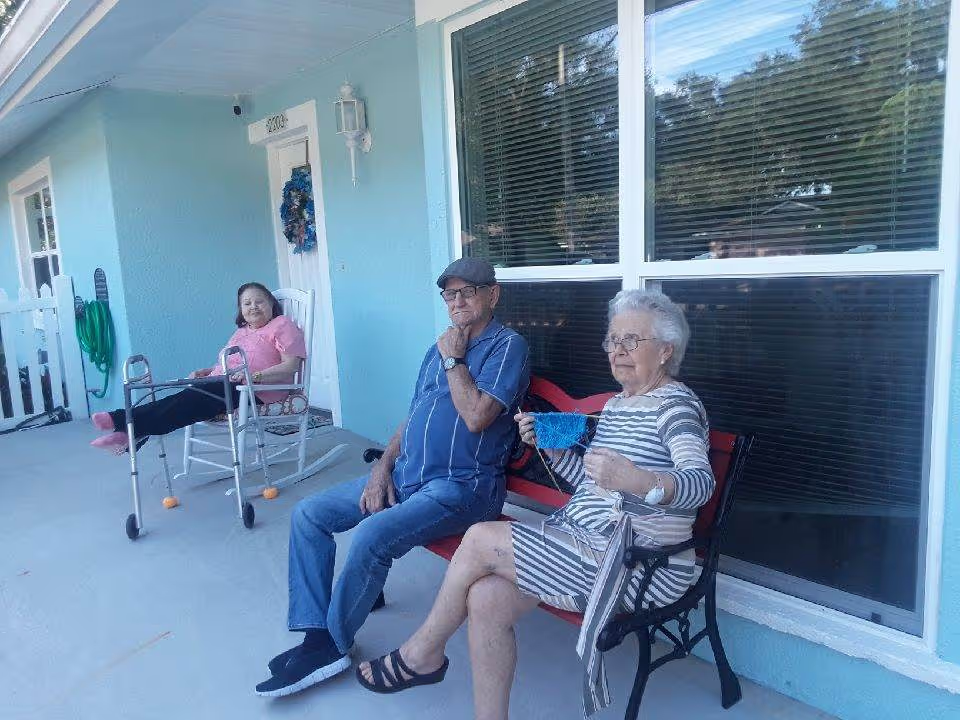
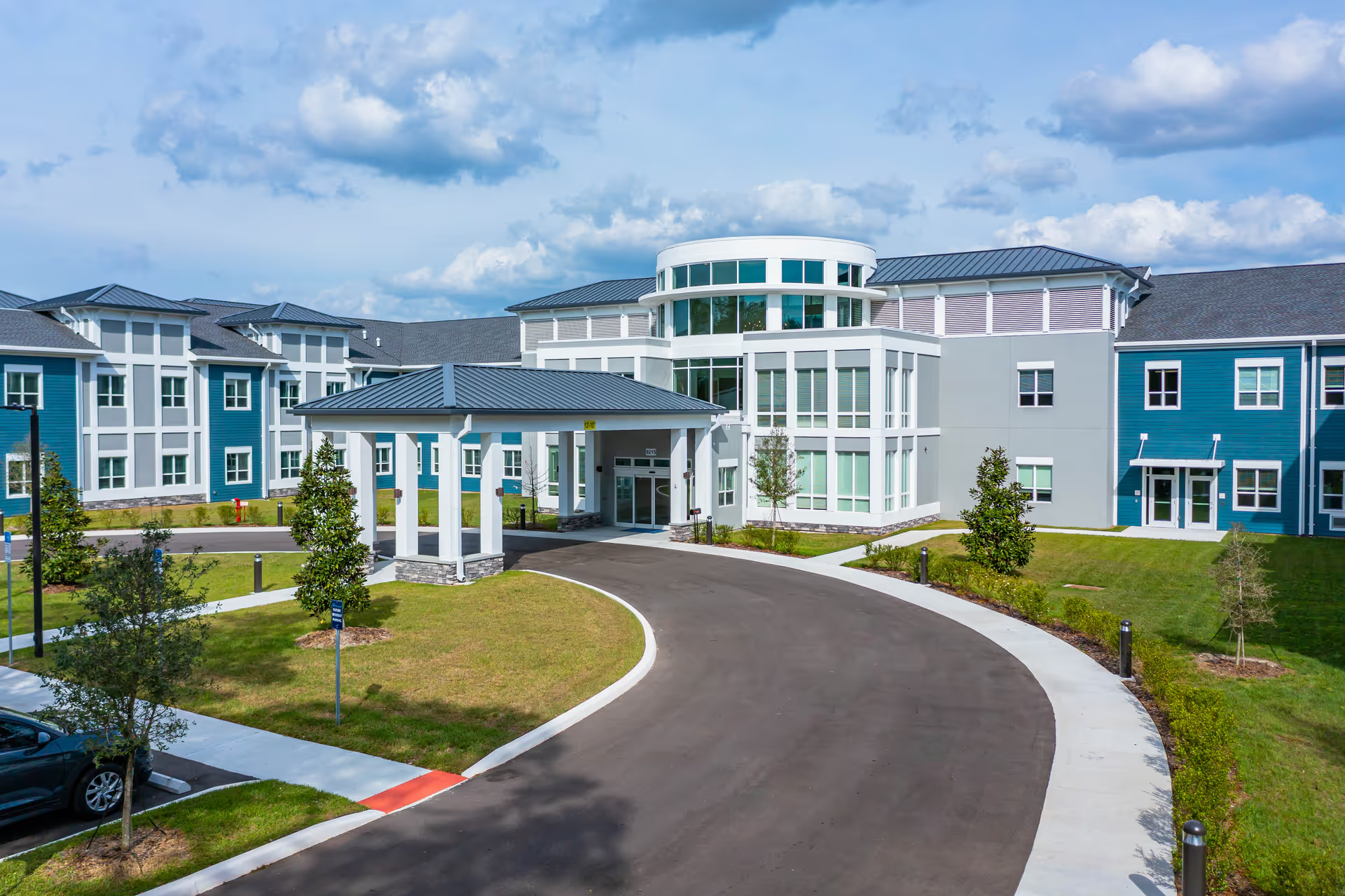
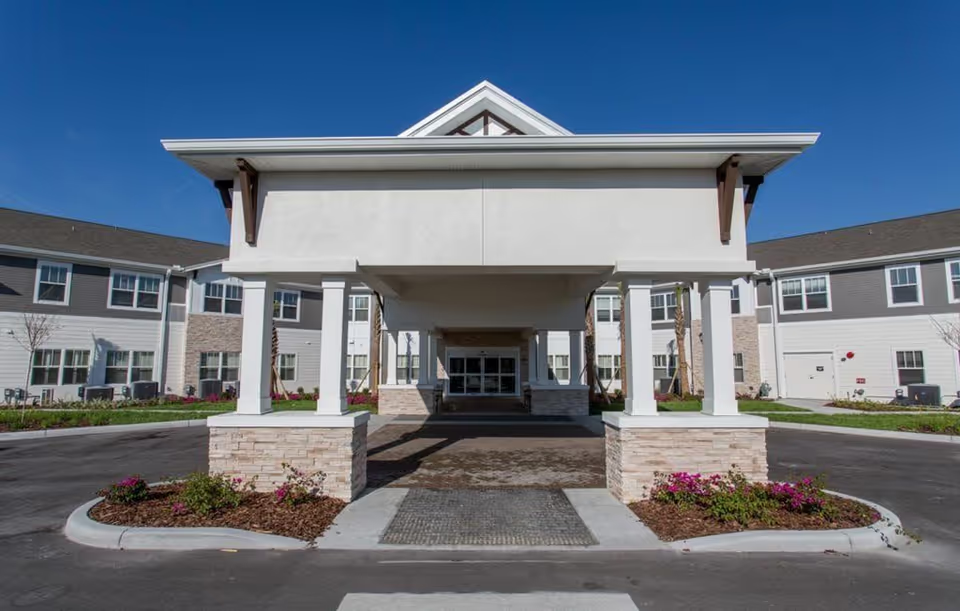
Facilities and housekeeping: The building and public spaces are often described as clean, well-decorated, and homey, with attractive seasonal decorations and comfortable outdoor porches. Housekeeping and laundry receive strong praise in portions of the facility, particularly in main living areas. Conversely, reviewers identify sanitation and housekeeping lapses in certain units—notably memory-care areas—along with odor concerns and inconsistent bathroom/shower cleaning. There are also isolated pest-control concerns that should be clarified during a visit.
Management and communication: Accounts of administrative responsiveness are mixed. Some families describe proactive leadership, timely updates, and hands-on directors; others report difficulty reaching executive staff, delayed incident notification, and concerns about transparency and accountability. Additional administrative-level issues raised include inconsistent access-control procedures, privacy and confidentiality process gaps, and perceptions of uneven staff allocation or favoritism.
Notable patterns and practical advice: The overall picture is one of a community with many strong, resident-focused elements—engaging programming, personable caregiving staff, and attractive communal spaces—combined with operational weaknesses that can materially affect resident experience in specific units. Prospective residents and families should tour multiple areas (including the memory-care unit), observe housekeeping and bathroom conditions, ask for current staffing ratios and surge plans, inquire about call-bell response metrics and incident-notification timelines, review privacy/access procedures and pest-control records, and clarify dining costs and menu consistency. These targeted questions will help determine whether the facility’s strengths align with an individual’s care needs and tolerance for operational variability.