Overall sentiment across the collected reviews is mixed but leans positive about the people and care culture while raising consistent concerns about the physical plant, consistency of services, and administrative reliability. The most frequent praise centers on the staff: many reviewers describe caregivers, nurses, aides, and front-desk personnel as friendly, compassionate, attentive, and willing to go the extra mile. Several families credit staff and therapy programs with meaningful health and mobility improvements for residents. Memory care receives repeated commendation — reviewers highlight a smaller, well-run unit (noted as a 30-bed limit by one summary), private and semi-private rooms with space between beds, separate closets and shower areas, and an emphasis on not overmedicating residents. Staff facilitation of family contact (FaceTime and window visits) and improved communication under new management were also noted by multiple reviewers.
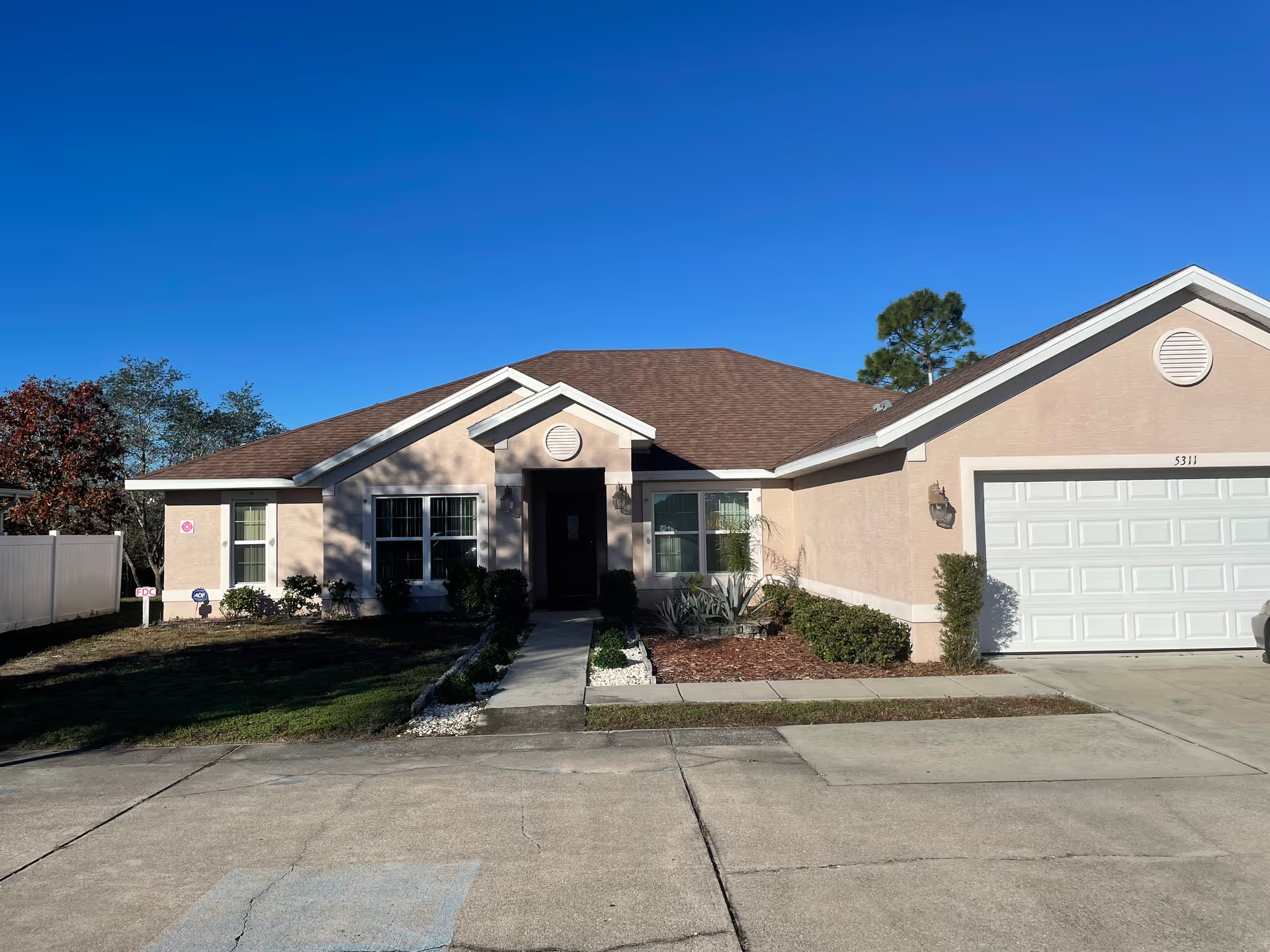
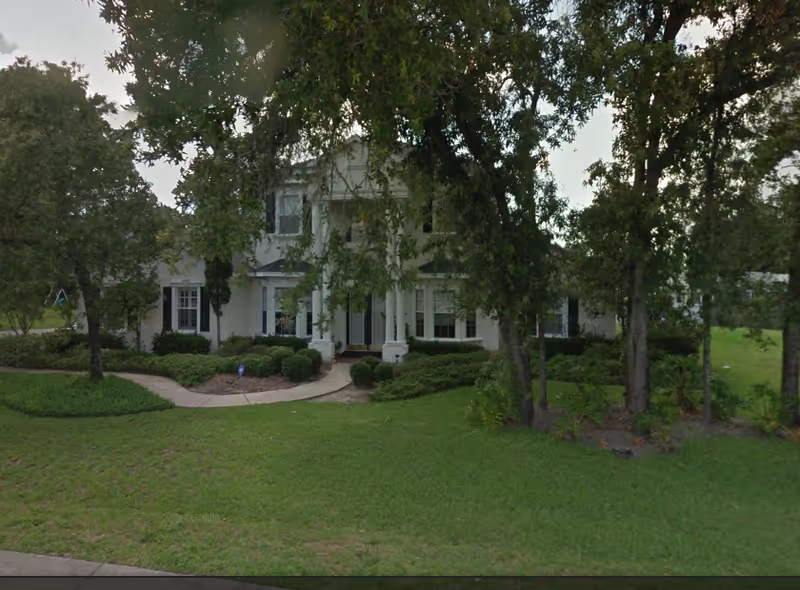
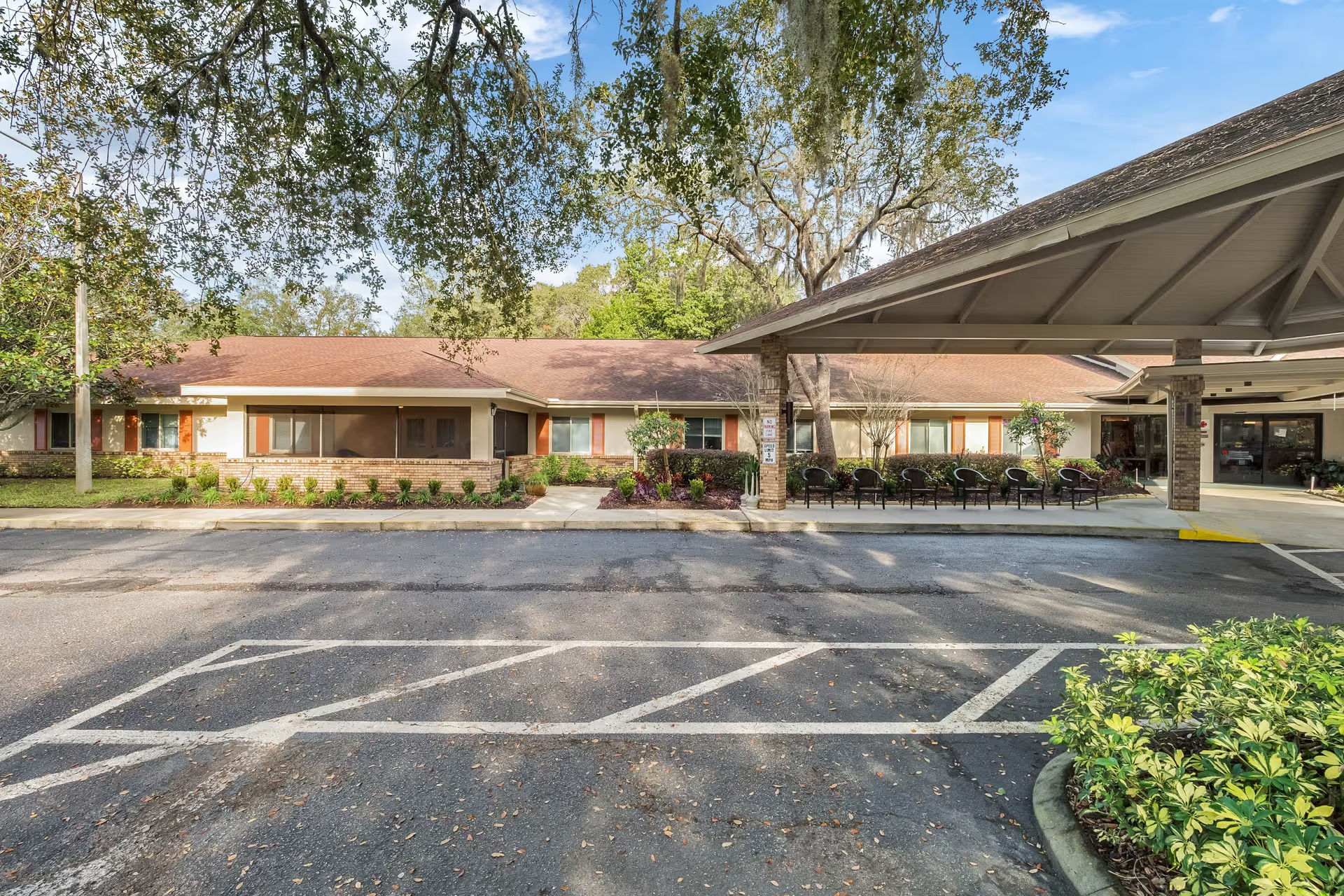
Facilities and environment draw a split response. Positive mentions emphasize a bright, well-lit building with skylights, wider and wheelchair-accessible doors, comfortable common areas with sofas and recliners, and attractive outdoor spaces including a courtyard, garden patio, and enclosed outdoor area for memory care. On the negative side, many reviews point out that Spring Oaks is an older building in need of cosmetic updates and deeper maintenance. Specific cleanliness concerns recur: reports of strong urine odor, sticky floors, and carpet that can harbor odors and bacteria. Renovations are in progress in some areas, which contributes to variable impressions. Room size is a common complaint — rooms are described as small and many residents have shared rooms with a shared bathroom (sometimes shared among four residents), and there are no one-bedroom apartments in the community.
Dining and dietary care show variability. Several reviewers praise the food, noting tasty meals, fresh fruit and vegetables, holiday meals, and diversity at times. Other reviewers find the menu limited or institutional — same meal choices for everyone, limited meal variety, small portions, and instances where diabetic diets or other dietary accommodations were not reliably implemented. Some families reported very simple alternatives being offered (for example peanut butter and jelly) when options should have been more tailored. Overall, while food receives positive notes, dietary management and consistency are clear areas of concern for some residents, especially those with medical diet needs.
Activities and social life are repeatedly highlighted as strengths. Residents enjoy a robust calendar: crafts, Bingo, visiting entertainers, piano in the lobby, media room movies, outings, and other social programming. These activities contribute to a generally positive atmosphere for many residents, with reviewers noting smiling and engaged residents and an overall sense of safety and happiness. Rehab, physical therapy, and therapy staff also receive favorable comments and are credited with helping residents regain function.
Administrative, communication, and operational issues appear as persistent pain points. Multiple reviewers mention problems with staff availability, especially on weekends, phones not being answered or no voicemail, and inconsistent or poor communication with families. Administrative details have been problematic in some cases: a contract copy was not provided to one family, billing contact issues were raised, and essentials such as bed pads and diapers are reportedly not included, requiring families to supply them. There are also reports of lost or mishandled personal items (hearing aids lost in laundry, missing toiletries and shoes) — problems that raise concerns about processes and oversight.
Safety and consistency concerns should be noted. While many reviewers feel their loved ones are safe and well cared for, a number of accounts describe understaffing, hydration and basic care failures, falls and hospital transfers, and at least one mention of death with family concerns about care quality. Some reviewers also perceived residents as overmedicated or appearing sedated. These serious incidents are not universal across reviews but are significant and point to inconsistent staffing and care practices that families should investigate further.
In summary, Spring Oaks appears to be a community with many strengths: a caring and engaged staff, a well-regarded memory care unit, meaningful activities, accessible physical features, and some nice outdoor and common spaces. However, the facility’s older infrastructure, room size and shared-bathroom arrangements, recurring cleanliness issues, inconsistent dietary accommodations, administrative lapses, and reports of understaffing and safety incidents temper the overall picture. Prospective residents and families should weigh the strong interpersonal and therapeutic aspects against the operational and physical limitations. Recommended steps for a family considering Spring Oaks include an in-person tour focused on the specific unit and room they would occupy, direct questions about staffing levels (including weekend coverage), dietary protocols for medical needs, laundry and valuables handling procedures, what supplies are included in fees, and obtaining a copy of the contract and billing contacts before move-in. Visiting during mealtime and activities and talking to current resident families can help determine whether the community’s strengths align with a given resident’s priorities and care needs.