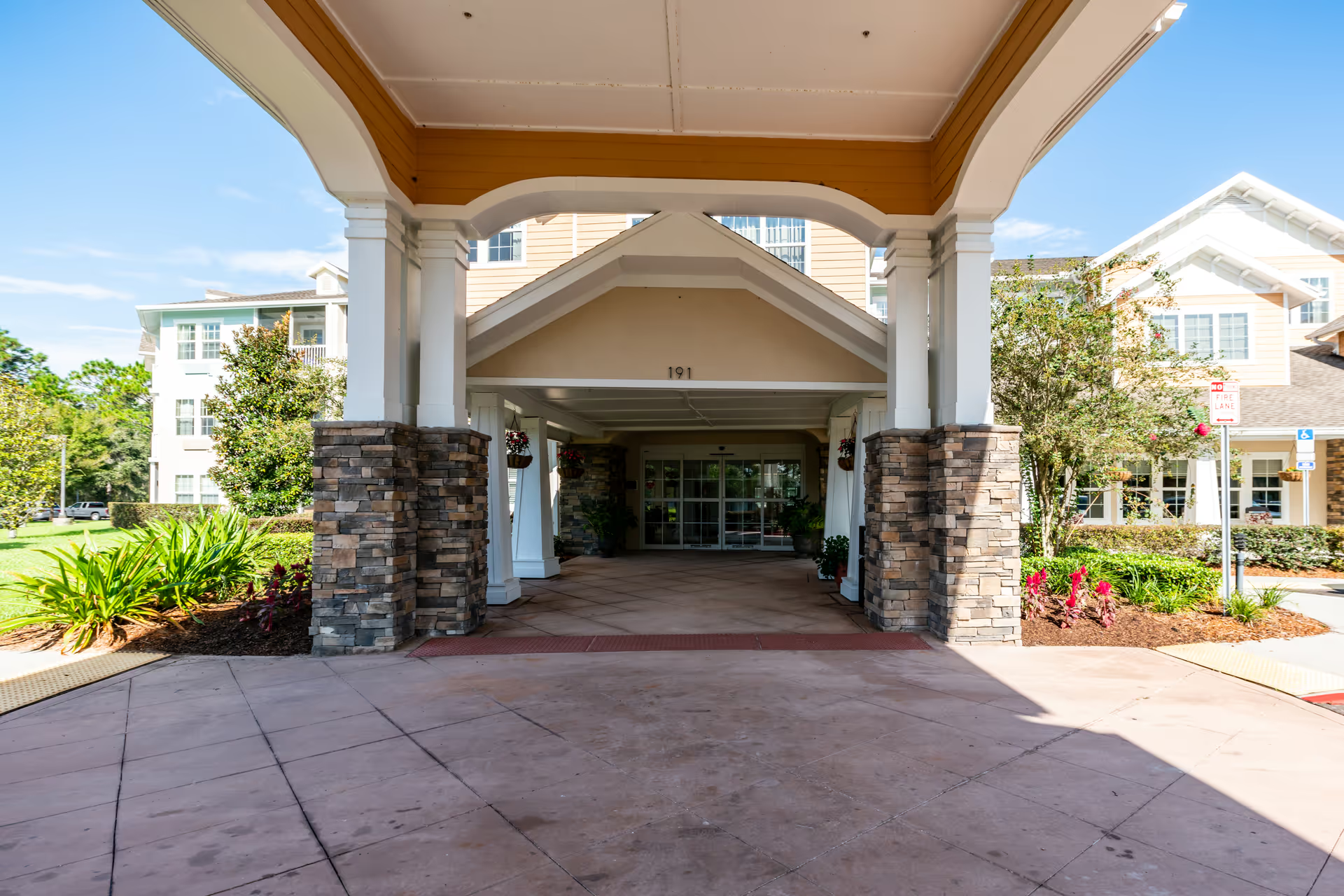
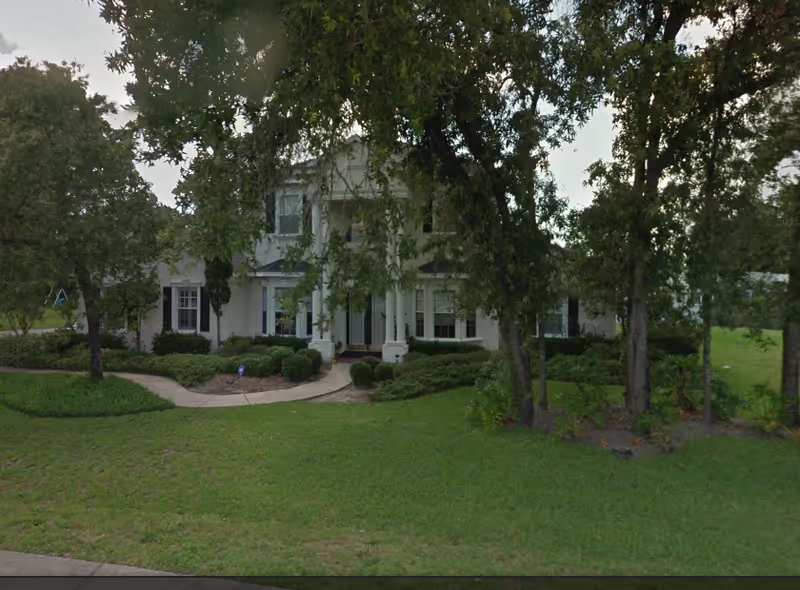
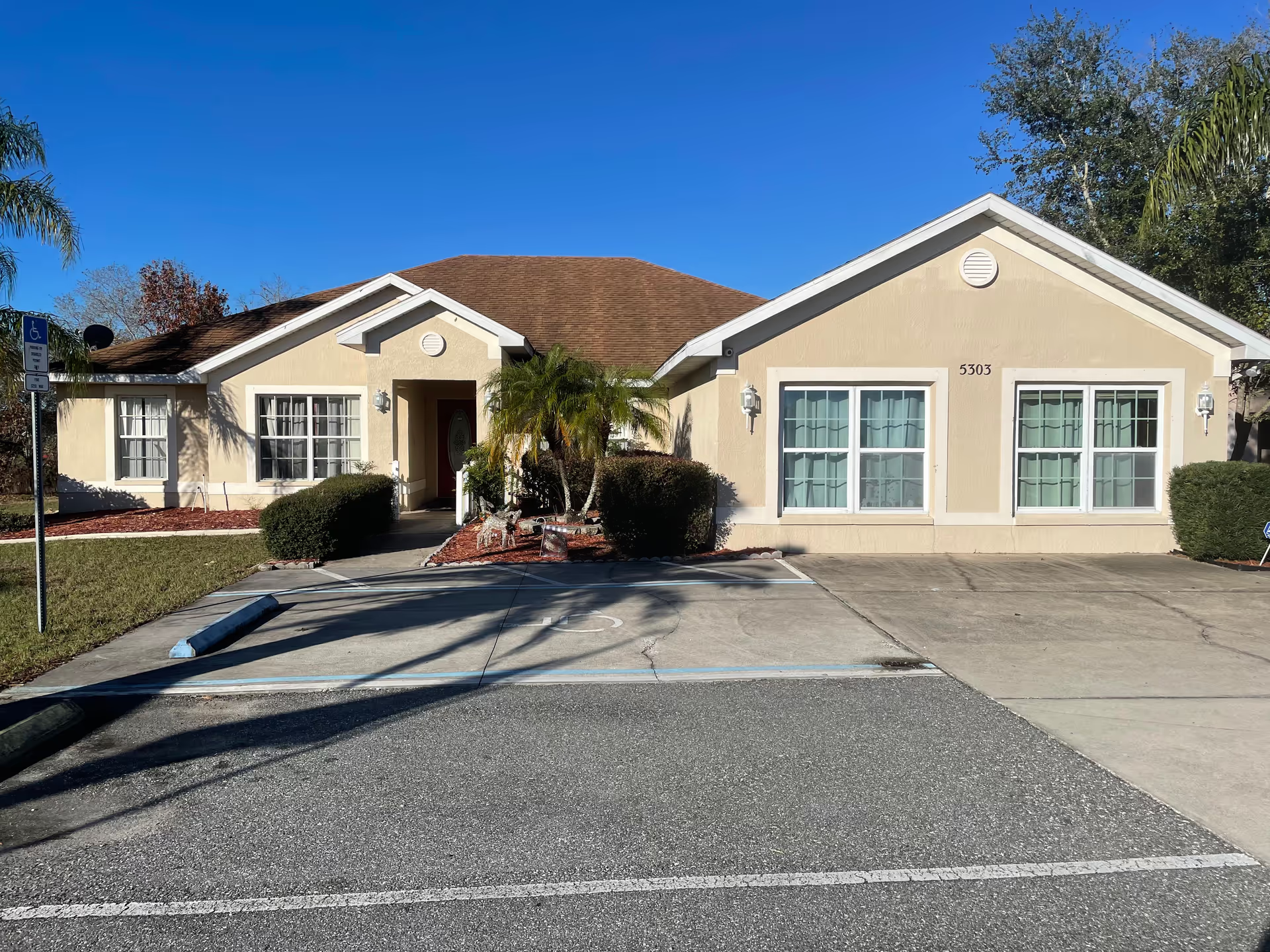
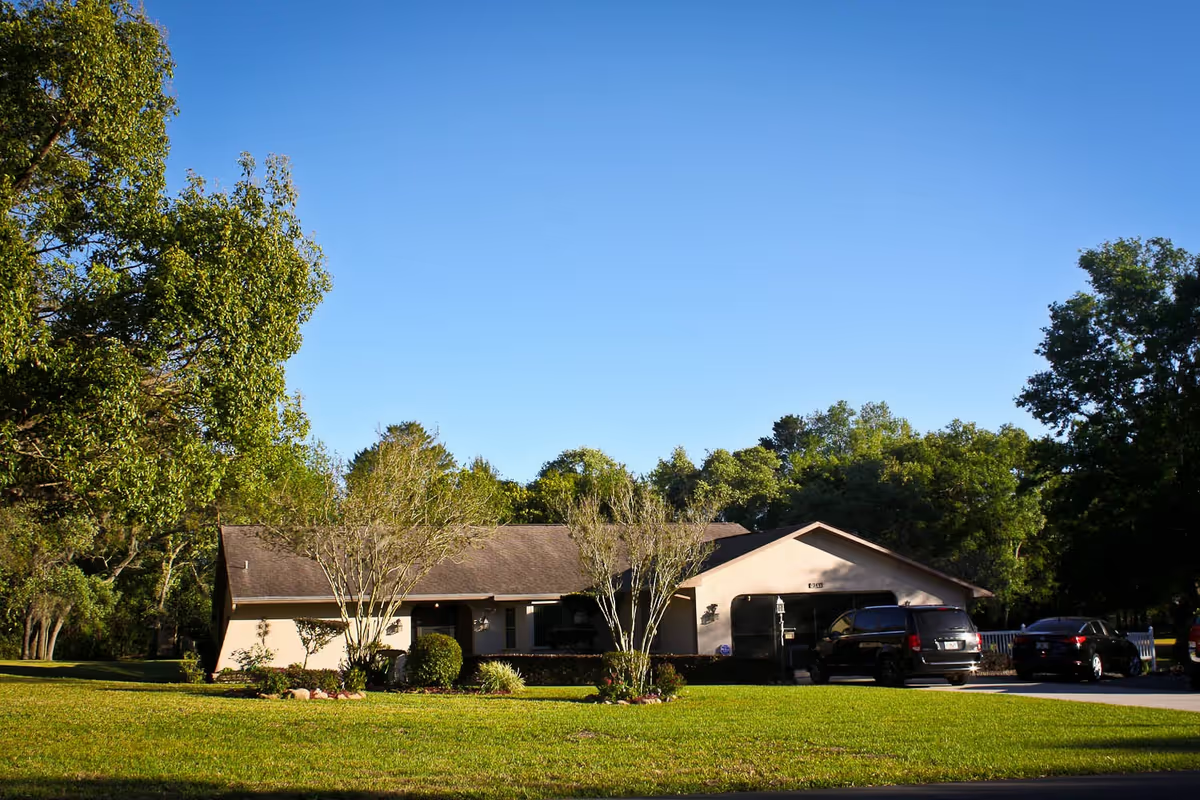
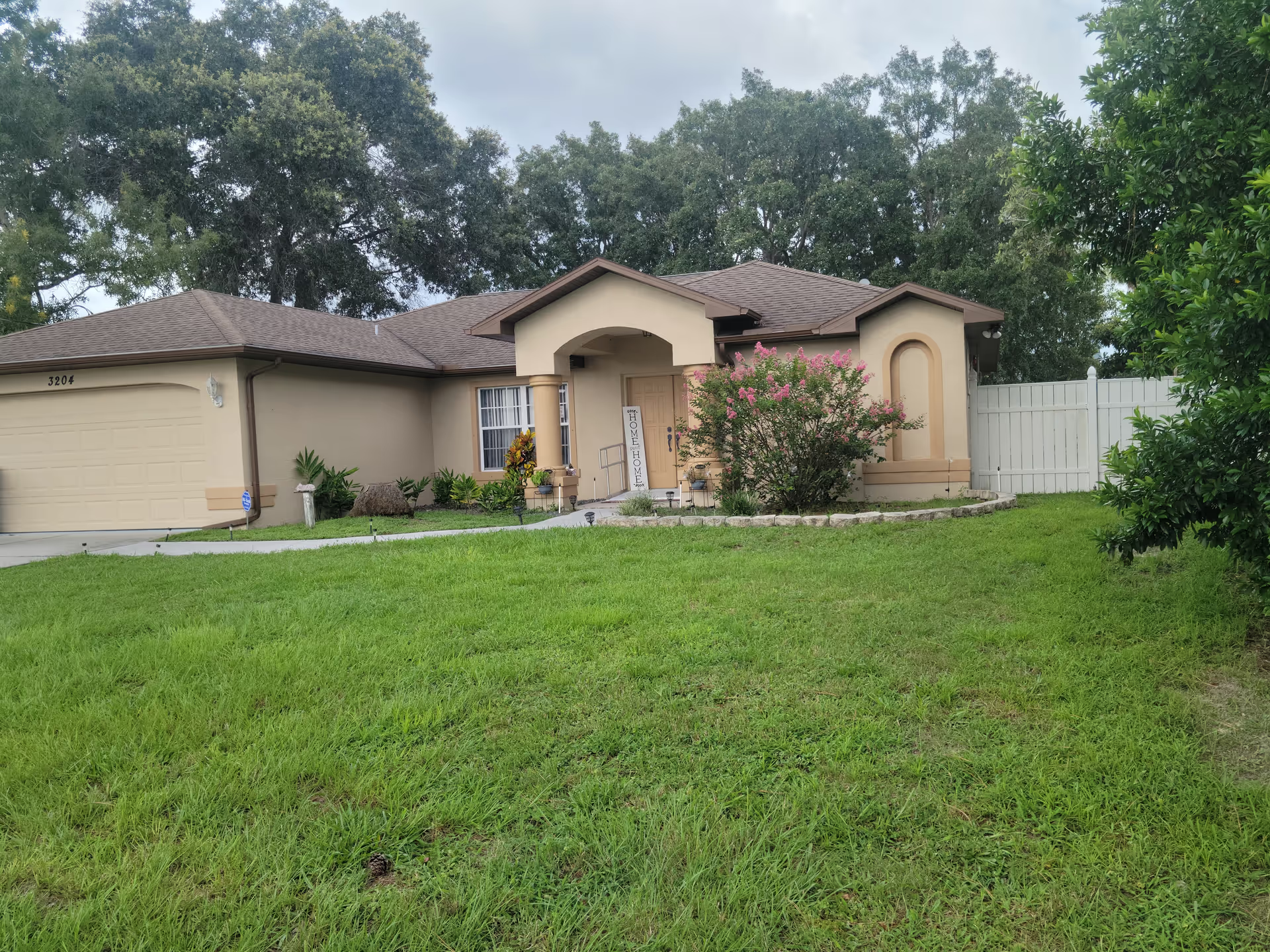
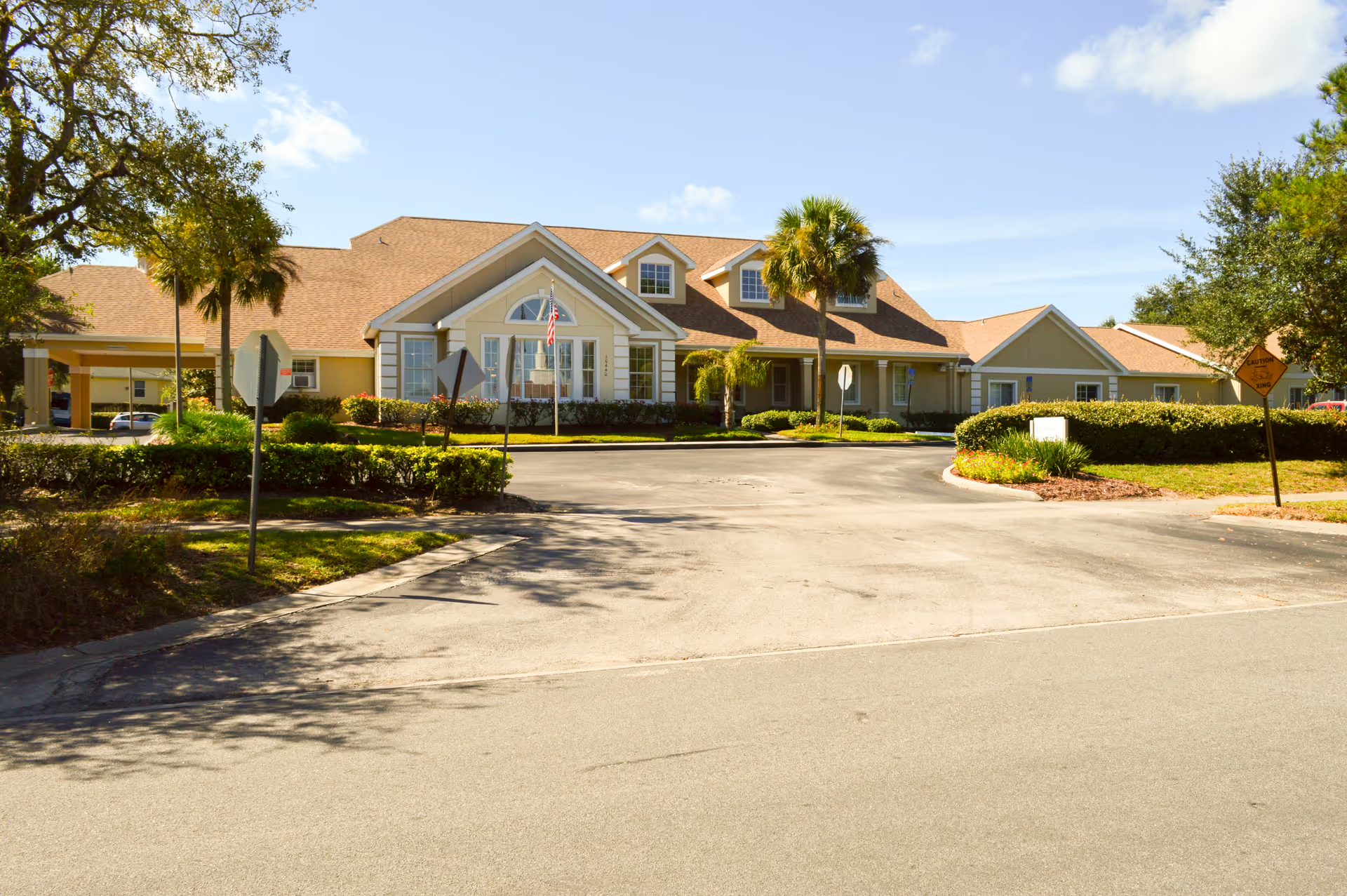
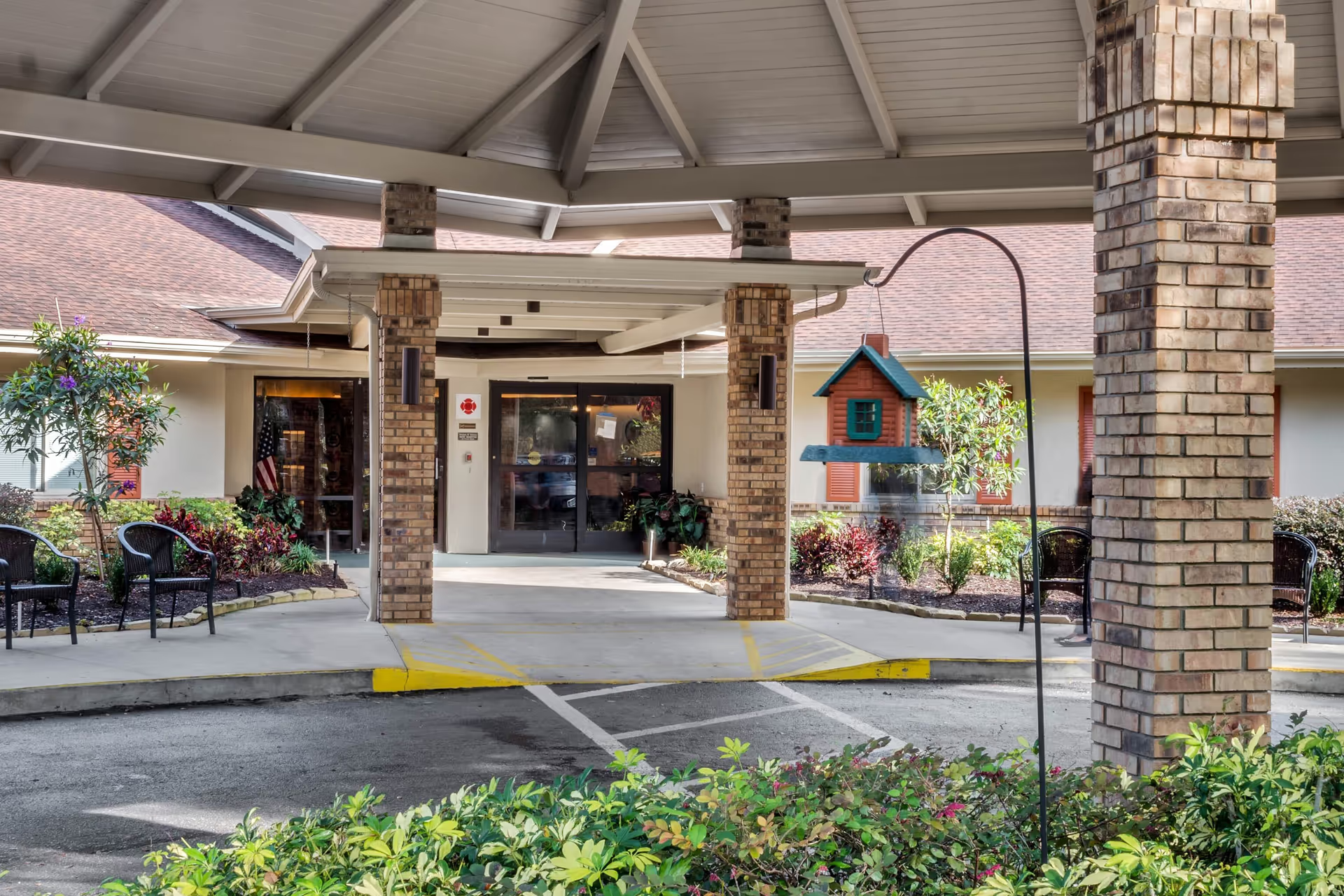
The Grande elicits strongly mixed impressions across reviewers, with clear patterns of both well-regarded strengths and recurring operational weaknesses. Many families and residents describe warm, attentive caregivers, helpful admissions staff (with multiple mentions of a staff member named Vinnie), and activity teams that run an array of social and recreational programs. The facility’s public spaces and apartments are frequently characterized as clean, attractively decorated, and home-like; dining and table service are praised by numerous reviewers for restaurant-style presentation and attentive servers. On-site supports such as a salon, transportation to appointments, and visible clinical oversight are also cited as contributors to resident satisfaction and perceived value.
At the same time, several operational-consistency issues recur across reviews. Staffing coverage and front-desk availability are described as uneven, with specific early-morning gaps and periods when front-desk reception is not continuously staffed. Relatedly, there are repeated concerns about medication administration and clinical oversight: missed or delayed medications and at least one described medication-related hospital visit highlight gaps in clinical reliability and documentation processes. Families also describe communication shortfalls when incidents occur; notifications about hospital transfers or clinical events are sometimes delayed or absent, creating family distress.
Dining and food-service present a clear pattern of variability. While some reviewers praise three meals a day and attentive dining staff, others describe inconsistent food quality, long wait times, and service lapses. Several comments reference a decline in meal consistency over time rather than a uniform experience. Sanitation and maintenance issues are raised in multiple accounts, including concerns about cleanliness in particular areas and isolated pest-control problems; these are operational sanitation concerns rather than facility-wide condemnation, but they warrant attention. Security and access-control are also noted as a weakness, with concerns about how keys and apartment access are managed and occasional privacy-related complaints.
Management and administrative practices appear to be a significant axis of divergence. Several reviewers highlight strong, supportive administrative staff who assist with paperwork and transitions, while others cite management turnover, changes after ownership/contract shifts, and what they perceive as high-pressure admissions practices or inconsistent application of placement and Medicaid pricing. Billing and transparency around room classification and extra charges are mentioned as points of friction. A small number of reviews include serious allegations of discriminatory conduct and concerns following a resident’s death; those descriptions raise the need for independent follow-up and clear, documented responses from leadership.
In summary, The Grande demonstrates many features families seek—compassionate direct-care staff, an active engagement program, attractive facilities, and helpful move-in support—while also showing recurrent operational weaknesses in staffing consistency, medication and clinical processes, food-service reliability, sanitation controls, security practices, and management stability. Prospective residents and families should weigh the facility’s social and environmental strengths against these operational concerns, seek current staffing and clinical performance information, review medication- and incident-notification policies, and clarify financial and transport arrangements before placement.