Reviews of Century Center for Rehabilitation and Healing are sharply mixed, with a clear divide between accounts praising the facility’s environment and staff and accounts describing operational and clinical shortcomings. Many reviewers emphasize a warm, family-like atmosphere, engaged activities, and staff members who are friendly, helpful, and long-tenured. At the same time, other reviewers raise substantive concerns about clinical oversight, safety protocols, and administrative processes.
Care quality is the most polarized area. Positive comments describe attentive staff and strong interpersonal bonds among residents, but critical accounts describe lapses in clinical oversight such as infrequent charge-nurse rounding, inconsistent fall-prevention measures, and gaps in wound and catheter care protocols. There are repeated concerns about delayed assistance with activities of daily living (including bathing, toileting, and eating) and inconsistent support at mealtimes. Several reviews flagged medication- and pain-management inconsistencies; these comments indicate a need for clearer medication-administration processes and oversight.
Staff performance is portrayed both positively and negatively. Many reviewers identify specific employees and departments as compassionate, supportive, and effective — citing helpful receptionists, social-services staff, and direct-care workers who create a welcoming environment. Conversely, other accounts point to poorly trained aides, unengaged staff members, and inconsistent supervision. This pattern suggests variability in training, expectations, and on-shift leadership that affects resident experiences.
Dining and nutrition receive mixed feedback. Some reviewers praise routine meal service and community dining opportunities, while others describe inconsistent food quality, limited dietary variety, and concerns about meal supervision that may increase aspiration risk for residents with swallowing issues. Clarifying dietary accommodations and meal-assistance protocols would address these operational concerns.
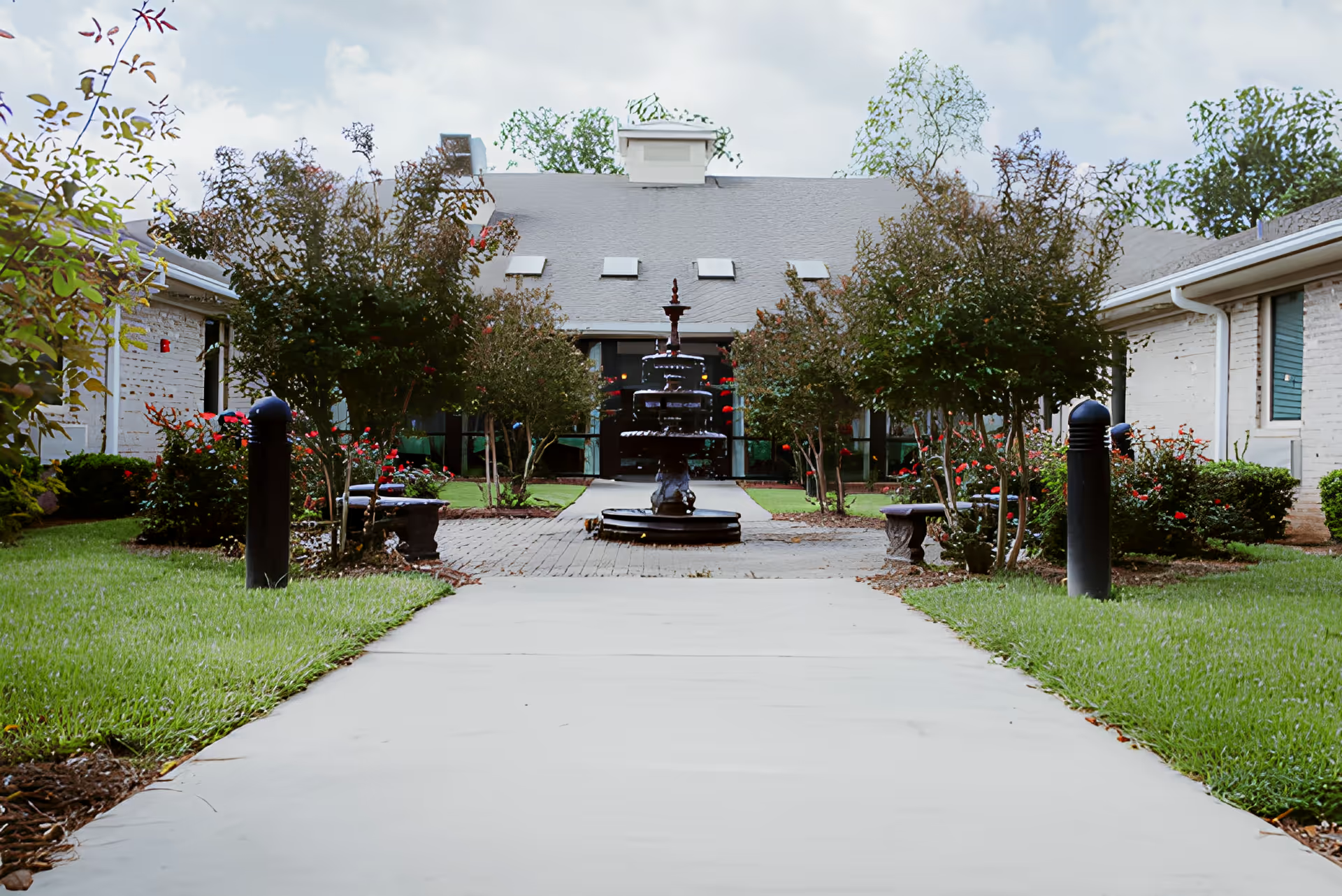
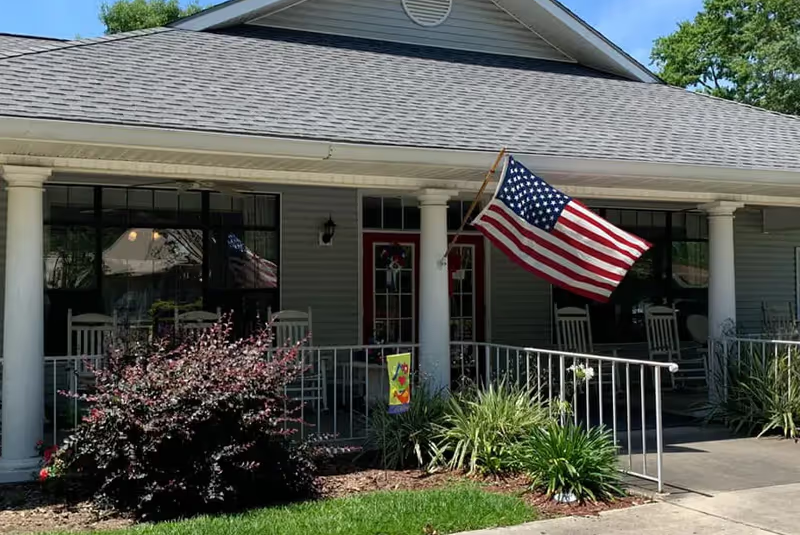
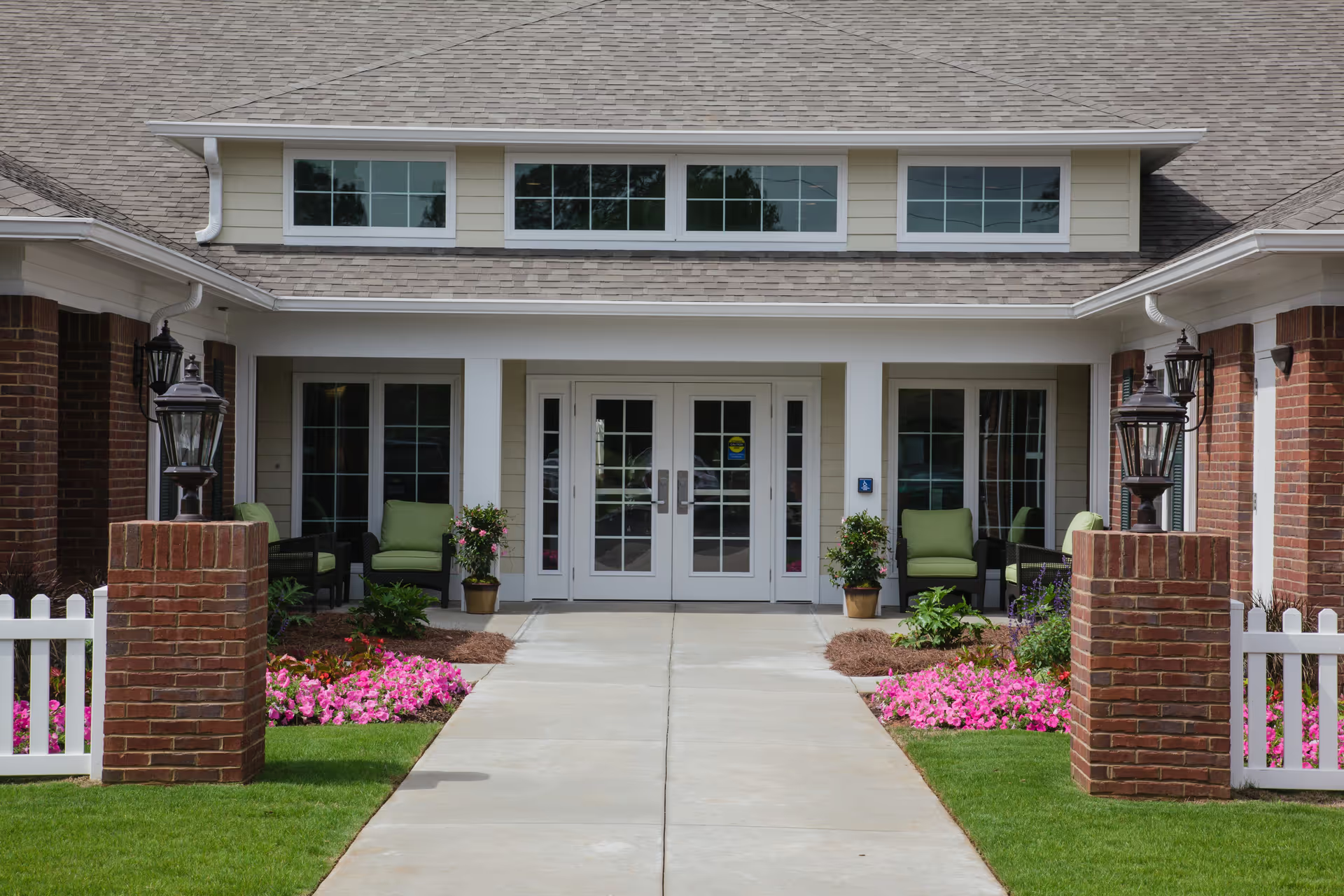
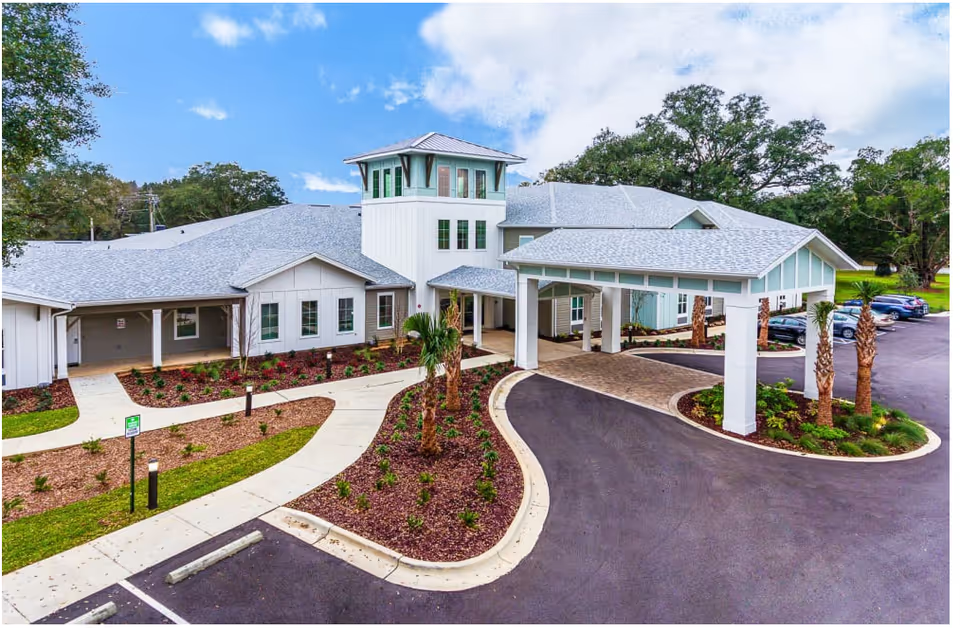
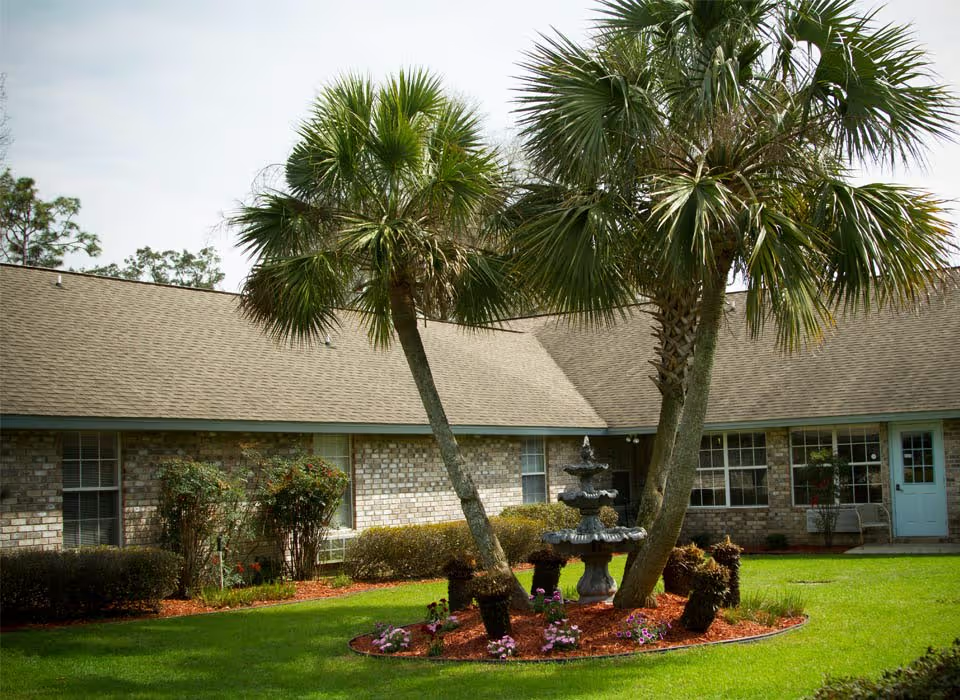
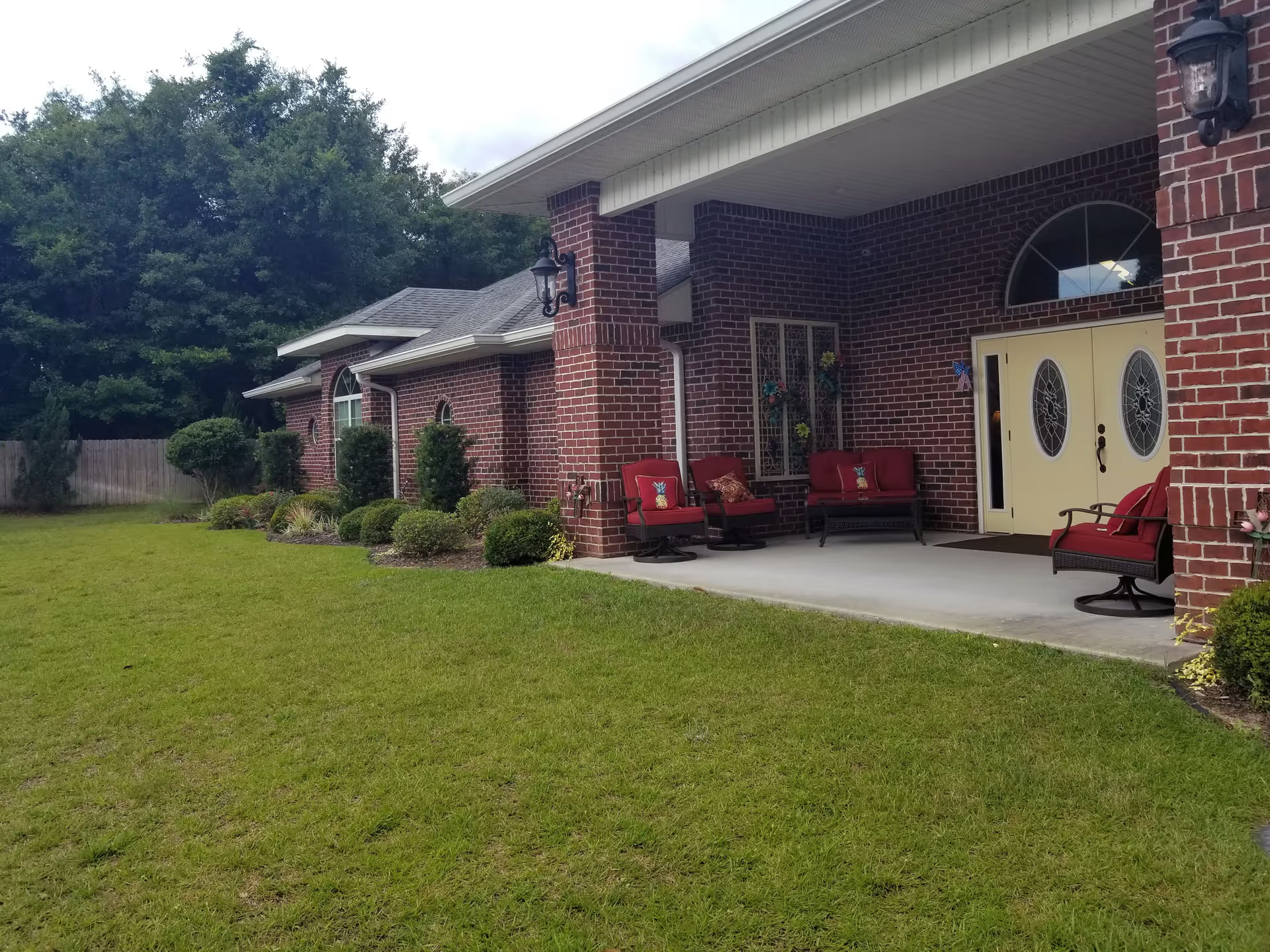
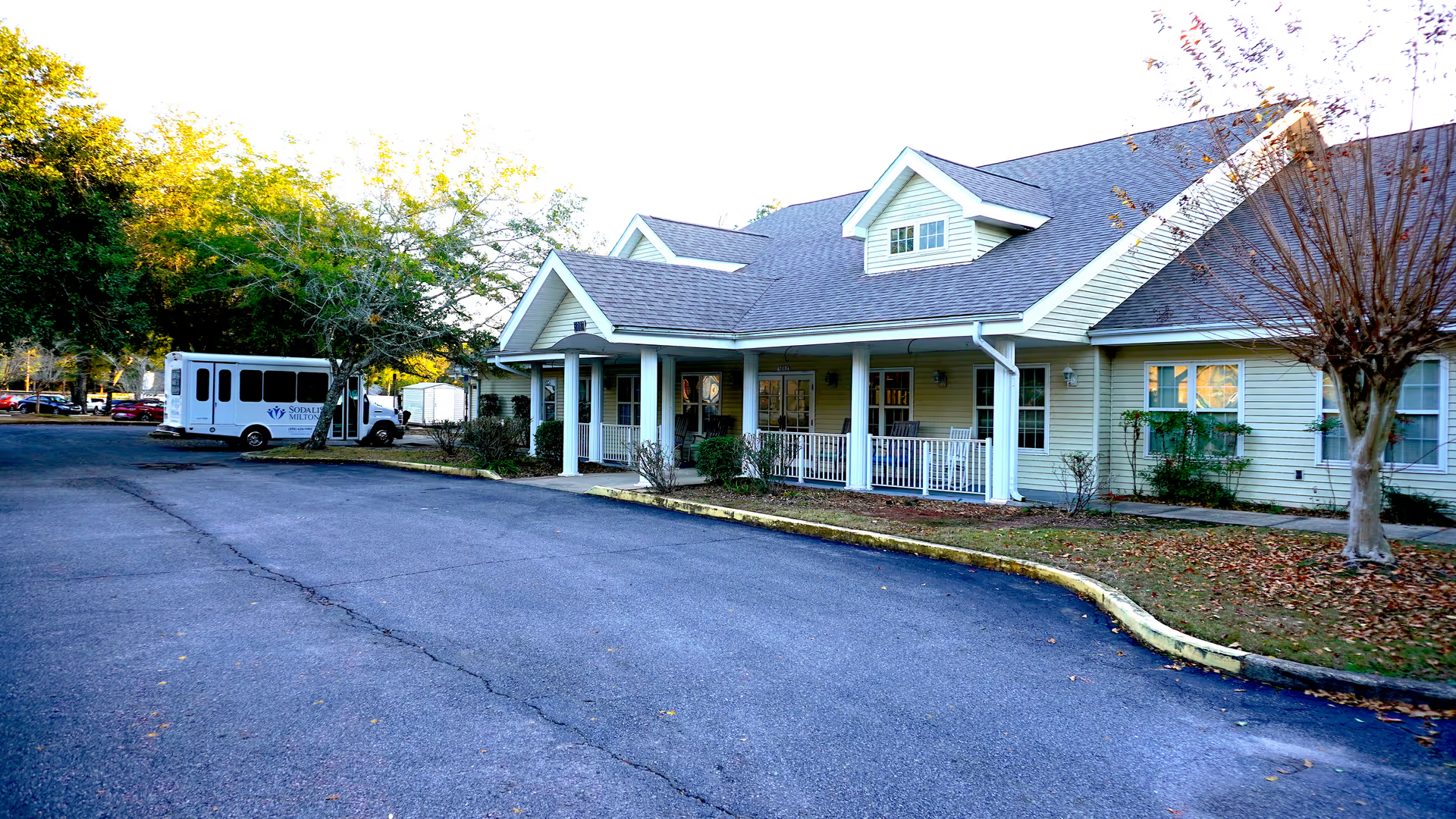
Activities and facility features are generally described favorably. Programs such as bingo, church services, crafts, and community outings are noted as positive contributors to resident engagement. The facility is frequently described as clean and well-maintained by many reviewers, and transit/transport services are cited as convenient. However, a subset of reviews raises sanitation and biohazard-cleanup concerns in specific situations, indicating that environmental practices may be inconsistent across units or shifts.
Management and administrative practices show both strengths and weaknesses. There are commendations for administrators and customer-service efforts that go above and beyond for families. At the same time, reviewers describe delays during intake and admissions paperwork, gaps in property controls (missing phones or clothing), and weaknesses in security and entry procedures that have led to unsecured egress by residents. These items point to opportunities for process improvements in admissions, property management, and facility security.
Notable patterns: the facility exhibits meaningful strengths in interpersonal culture, engagement programming, and certain long-standing staff relationships, yet there are recurring operational themes that merit attention — namely clinical oversight, staff training, fall-prevention protocols, sanitation consistency, medication controls, and security/access procedures. Prospective residents and families should balance the facility’s strengths in atmosphere and activities against these operational risks. On-site visits should include direct questions about nurse staffing and rounding frequency, fall-prevention measures (including alarm and transfer protocols), wound and catheter-care practices, medication administration and pain-management policies, sanitation procedures, security/entry controls, and property-accountability processes.