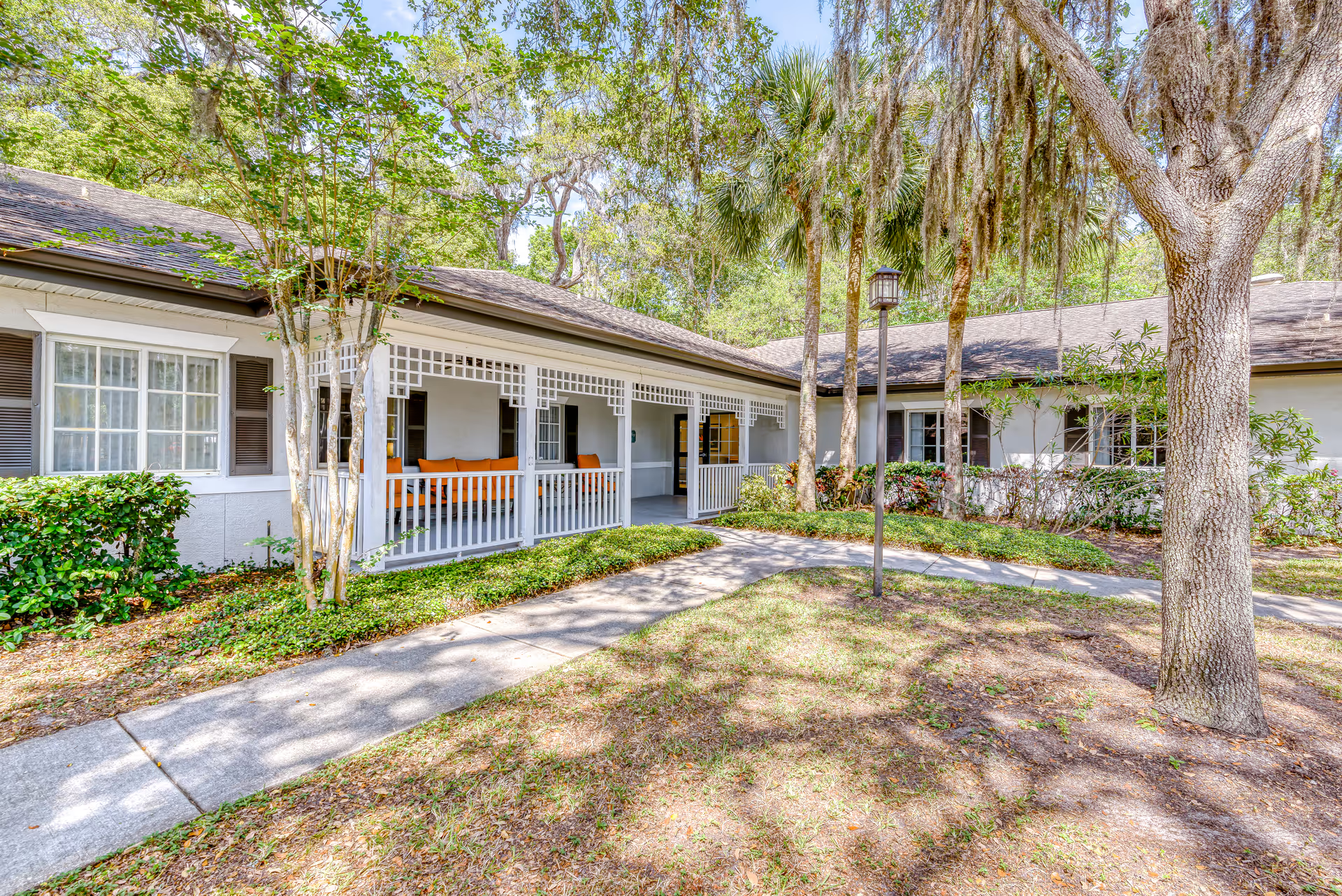
Lincolnshire Assisted Living is characterized primarily as a small, home-like facility with a strong family-owned, hands-on presence. Many accounts emphasize the ranch-style, 20-room layout and a residential atmosphere that differs from larger institutional settings. Families frequently praised the on-site owners and described staff as attentive, compassionate, and willing to provide personalized support, including accompaniment to medical appointments and flexible visitation. The facility’s small scale appears to support individualized attention and a perception of residents being treated like family.
Care quality is most often described positively: reviewers highlight round-the-clock availability, proactive caregiving, and staff willingness to go beyond routine duties to comfort residents. That said, multiple comments indicate the facility may have limits when residents require higher-acuity or more intensive clinical care; prospective residents with complex medical needs should assess clinical capabilities before placement. Transition and admission processes are commonly described as smooth and supportive.
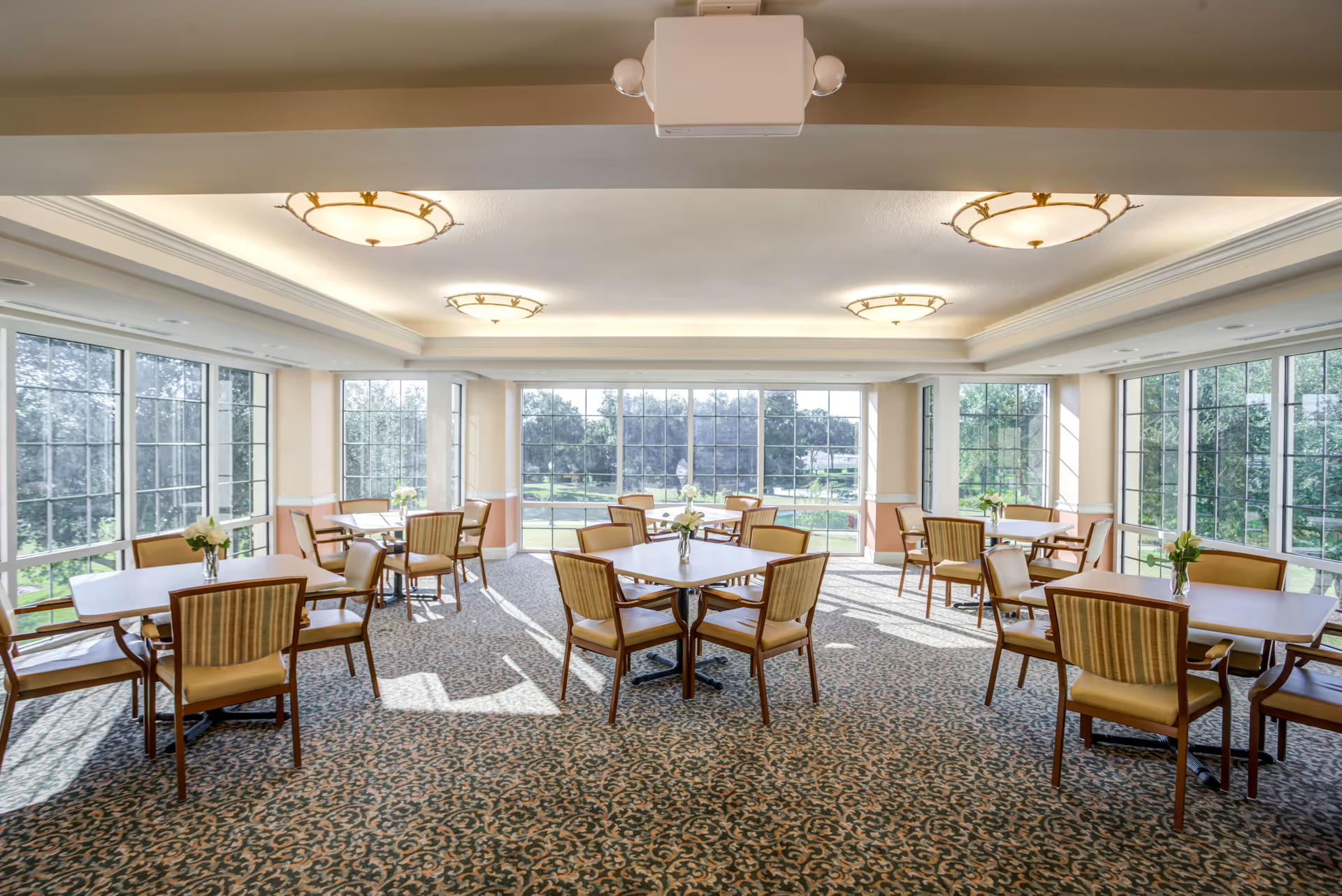
Dining is a frequently mentioned strength, with many families noting fresh, homemade, family-style meals and an emphasis on easy-to-eat options. However, there is variability in dining experience across accounts. Some families reported inconsistent food quality or dissatisfaction during particular periods or shifts, so meal consistency may be an area to monitor.
Activity offerings are generally described as engaging and home-centered, with entertainment and social programming that reinforce the familial atmosphere. At the same time, there are reports indicating variable scheduling or a perceived lack of activities at times; activity availability may depend on staffing and resident interest on a given day.
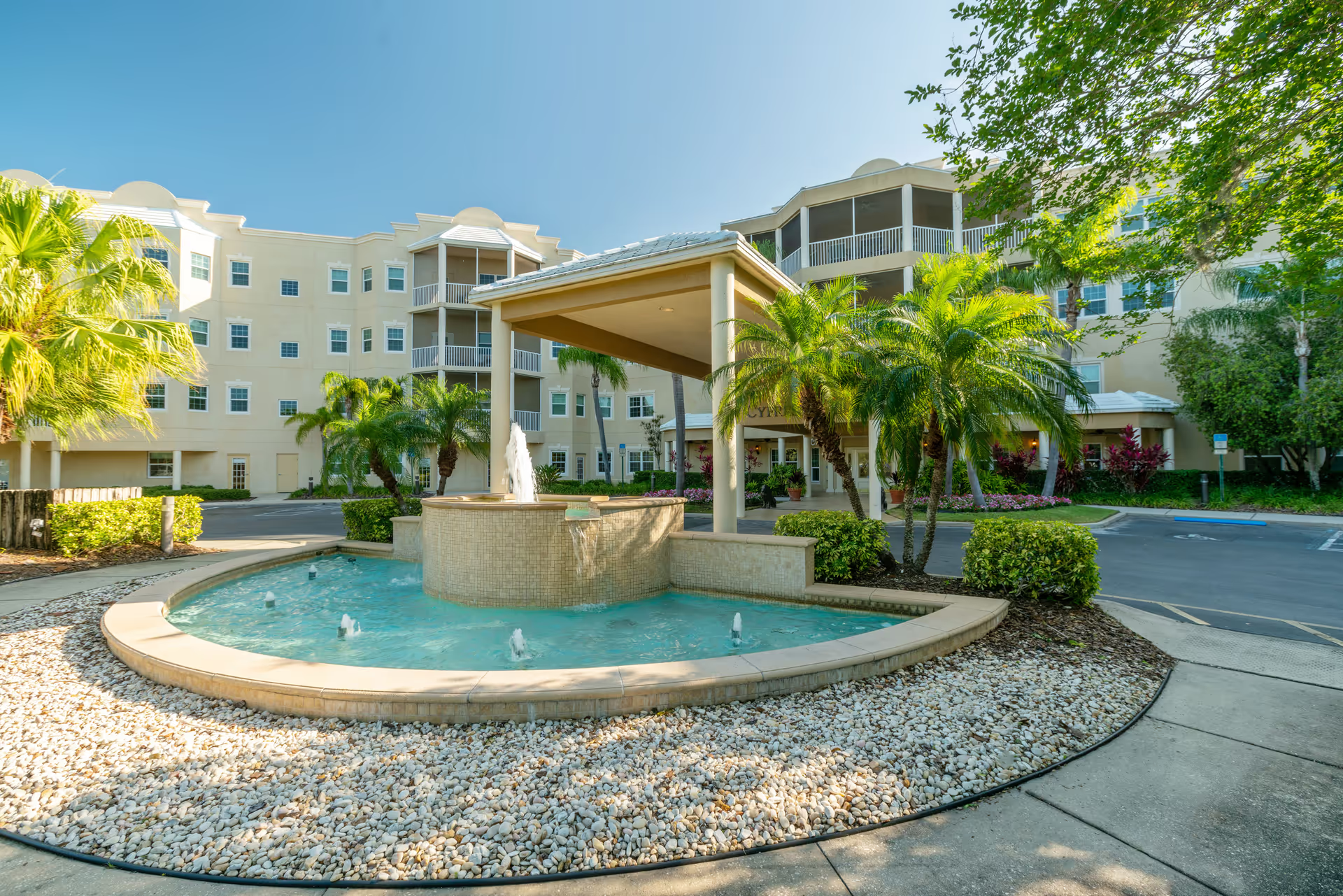
Facility and grounds are often praised as clean, remodeled, and well maintained, with outdoor space and a screened porch noted as positive features. Counterbalancing that, a number of accounts raise sanitation and exterior-maintenance inconsistencies, including concerns about entry-area upkeep and landscaping. These indicate unevenness in housekeeping and grounds maintenance rather than a uniform standard.
Management is a salient feature: the owners are commonly described as responsive, present, and invested in resident welfare. Nevertheless, there are recurring comments about inconsistent oversight and isolated examples of shoddy management practices. Relatedly, reviewers describe variability in staff conduct and responsiveness—notably on night shifts—leading to concerns about conduct and responsiveness during certain hours. Communication with families is often praised for being open and accessible, though occasional lapses in timely communication or tone have been reported and should be discussed during tours.
Overall, Lincolnshire presents as a small, family-oriented assisted living option with strong strengths in personalized care, home-style dining, and a residential environment. Prospective residents and families should weigh those strengths against variability in cleanliness, meal consistency, night-shift performance, and the facility’s capacity for higher-acuity clinical needs. Visiting during different shifts, asking about staffing patterns, reviewing clinical capabilities, and discussing housekeeping protocols will help determine fit for individual needs.