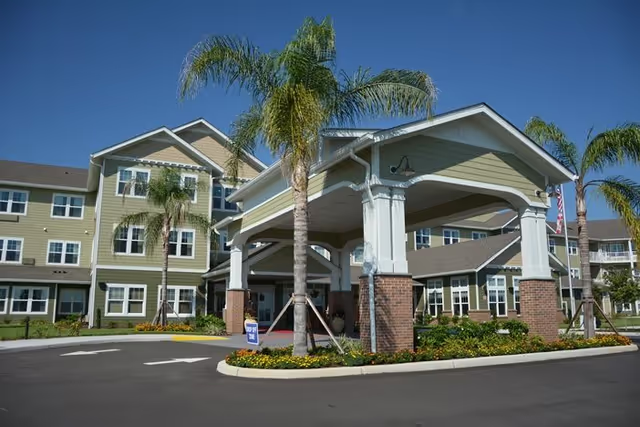
Madison at Clermont (Brookdale/Brookdale Clermont references) is consistently described as a small, community-oriented assisted living and memory-care campus with a strong emphasis on personal interaction. Staff behavior and resident–staff relationships are the facility’s most commonly cited strength: many families describe caregivers, nurses, and front-desk personnel as compassionate, helpful, and personally engaged. The community’s scale contributes to a family-like atmosphere in which residents are recognized and encouraged to participate in activities. The memory-care unit is secured and is described as integrated into some shared activities with assisted living, which families found beneficial for social engagement.
Dining and amenities are notable positives but have variable execution. Numerous comments praise restaurant-style dining rooms, attractive presentation, and a broad set of internal facilities (library, salon, workout rooms, game rooms, and activity spaces). At the same time, reviewers describe inconsistent meal quality and limited healthy-menu options for specific diets; some families cited repetitive entrees and long service times. The facility offers medication administration, on‑site physician visits (e.g., scheduled house calls), transportation for outings, and other supports that many families value. Renovation work and modernization of common areas have been planned or started, and several visitors appreciated updated dining and lobby areas.
Operational limitations surface in several recurring areas. Staffing reliability is uneven: reviewers note turnover, less predictable weekend coverage, and variable responsiveness to calls or clinical needs. These patterns connect with concerns about medication-management consistency and coordination, and with gaps in family communication following clinical incidents. The campus is an older building in places: apartment sizes are often described as compact, some suites are semi-private, and common-space availability can be limited. Accessibility challenges for wheelchairs or scooters in certain areas were mentioned. Housekeeping and maintenance quality are generally acceptable but have isolated instances of inconsistent follow-through.
Cost and management transparency are additional considerations. The community is frequently seen as competitively priced compared with alternatives, and some families appreciated move-in assistance and flexible admissions; however, others cited opaque billing interactions and strict enforcement of fees. Activity offerings are broad (bingo, trivia, exercise classes, holiday events, outings), but the consistency and perceived engagement value vary by unit and by time of week. In summary, Madison at Clermont presents as a caring, community-focused assisted-living and memory-care option with solid amenities and a personable staff; prospective families should weigh the strengths in social environment and services against variability in food, staffing reliability, space/privacy, and the need to confirm clinical capabilities and billing practices for their loved one’s specific needs.