Across the reviews, families and visitors most often describe YOURLife of Coconut Creek—also referred to in some reviews as The Monarch—as a dedicated memory-care community with attentive, compassionate staff. Families frequently say team members know residents personally, treat them with dignity, and help relatives feel included. Several accounts describe support as dementia progresses, including assistance with hospital transitions and care at the end of life. Reviewers also praise medication coordination and therapy services. These positive experiences are not universal: concerns include caregiver workload and whether staffing and nighttime monitoring provide enough support, as well as variable follow-through on some family inquiries.
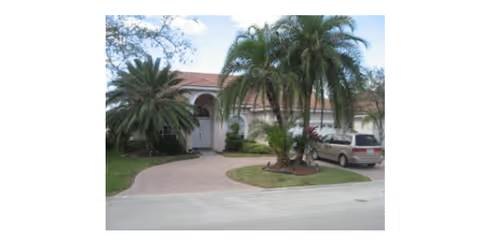
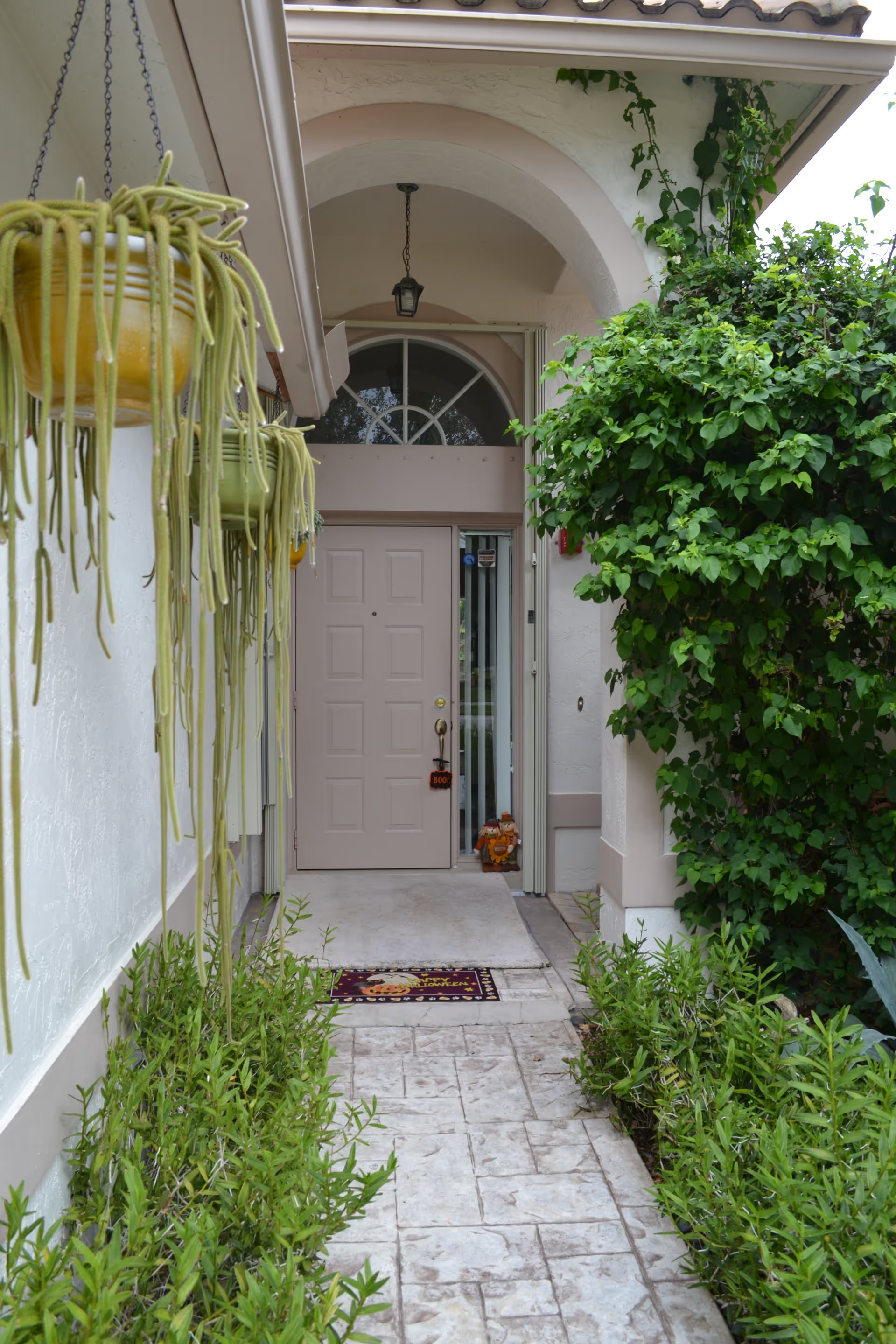
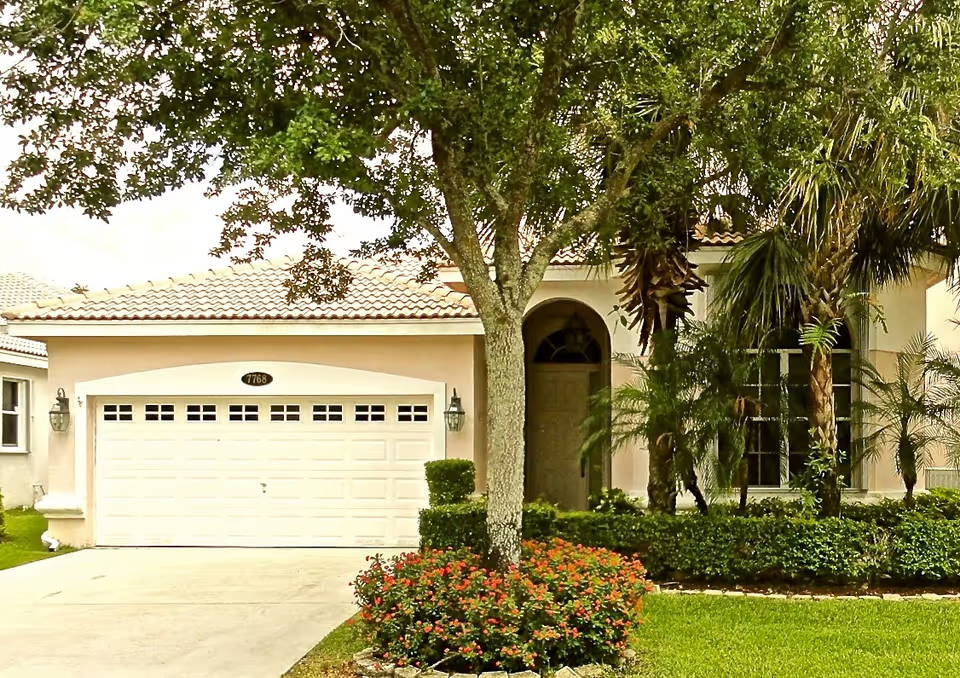
The setting is commonly described as clean, attractive, and welcoming, with comfortable rooms and landscaped areas. Reviewers value that the community focuses solely on memory care and describe its neighborhood arrangement as a way to tailor support. Some also praise its technology and safety features. However, one family questioned whether residents could reliably summon help overnight and described two falls, including a fatal fall. Another family raised concerns about medication assistance, staff conduct, and bruising before the resident’s death. These are serious individual accounts, not evidence by themselves of a facility-wide pattern, but families may wish to ask management specifically about nighttime checks, call-for-help options, incident follow-up, and medication procedures.
Activities are a consistent strength in the feedback. Families and visitors describe daily programming that includes exercise, social activities, outings, and celebrations, with staff encouraging residents to participate. Some families report that engagement helped their relatives become more socially involved and improve their eating habits. Dining is also generally praised for flavor, presentation, and menu choice; reviewers mention individualized dietary accommodations, including support for food allergies. A few comments are more moderate, describing the food as acceptable or suggesting a preference for additional protein options.
Management and communication receive many positive comments, particularly about approachable leadership, listening to families, and helping with transitions. Reviews also describe staff retention and management stability positively in more recent accounts, while acknowledging that ownership or leadership changes occurred in prior years. There are exceptions: one reviewer reports difficulty getting responses to messages, another describes a missed pre-admission nursing assessment and an unsatisfactory sales interaction, and one account characterizes hospice support as uneven.
Cost is a notable consideration. One family found the value reasonable, while others describe the community as more expensive than comparable options, with annual increases or add-on charges that can raise the total. Overall, the feedback is strongly favorable about staff relationships, the memory-care focus, activities, and the physical environment, alongside specific concerns about safety monitoring, communication consistency, staffing capacity, and affordability. Prospective families may benefit from discussing staffing practices, emergency response procedures, pricing and add-ons, and communication expectations during a tour.