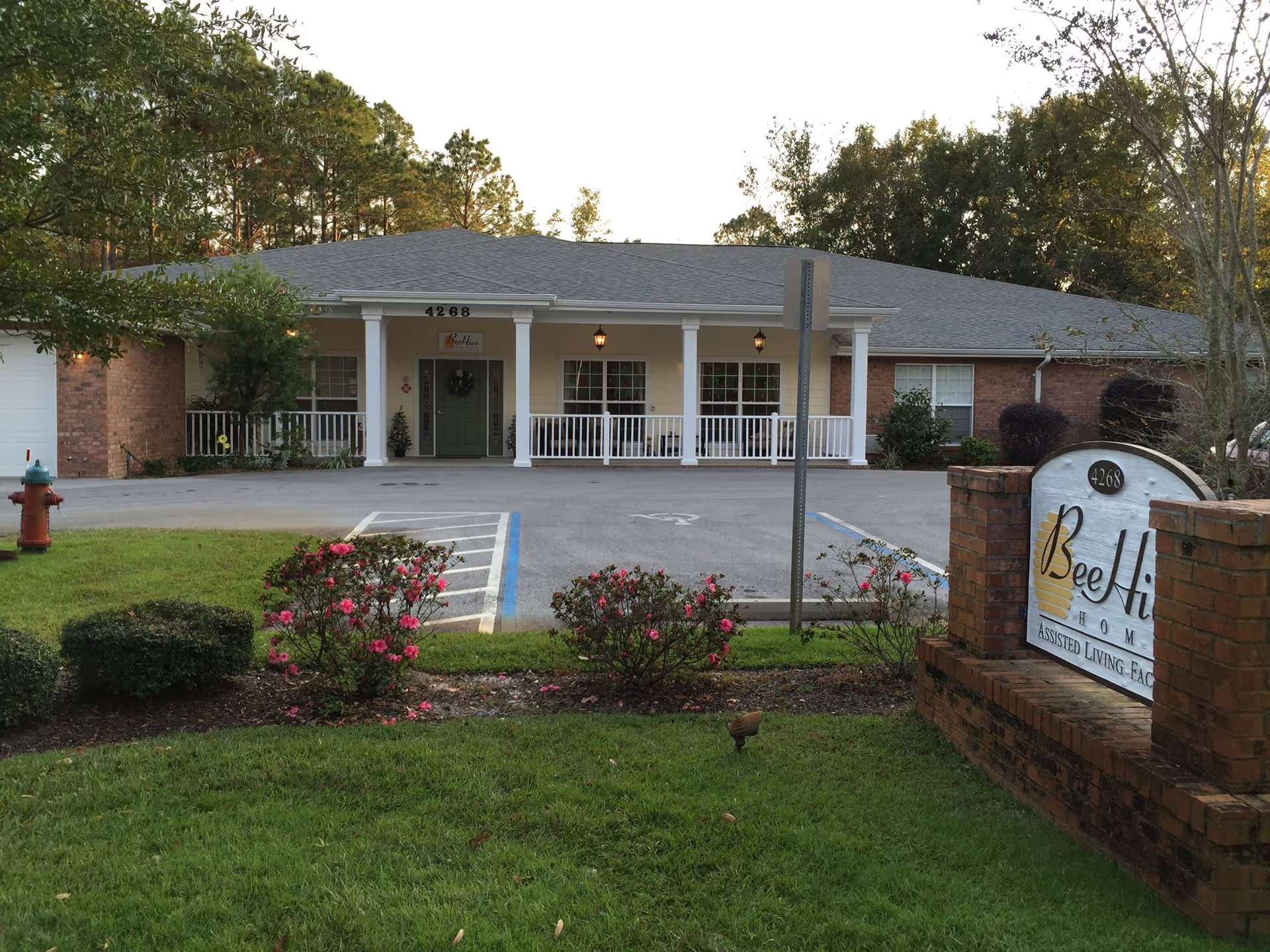
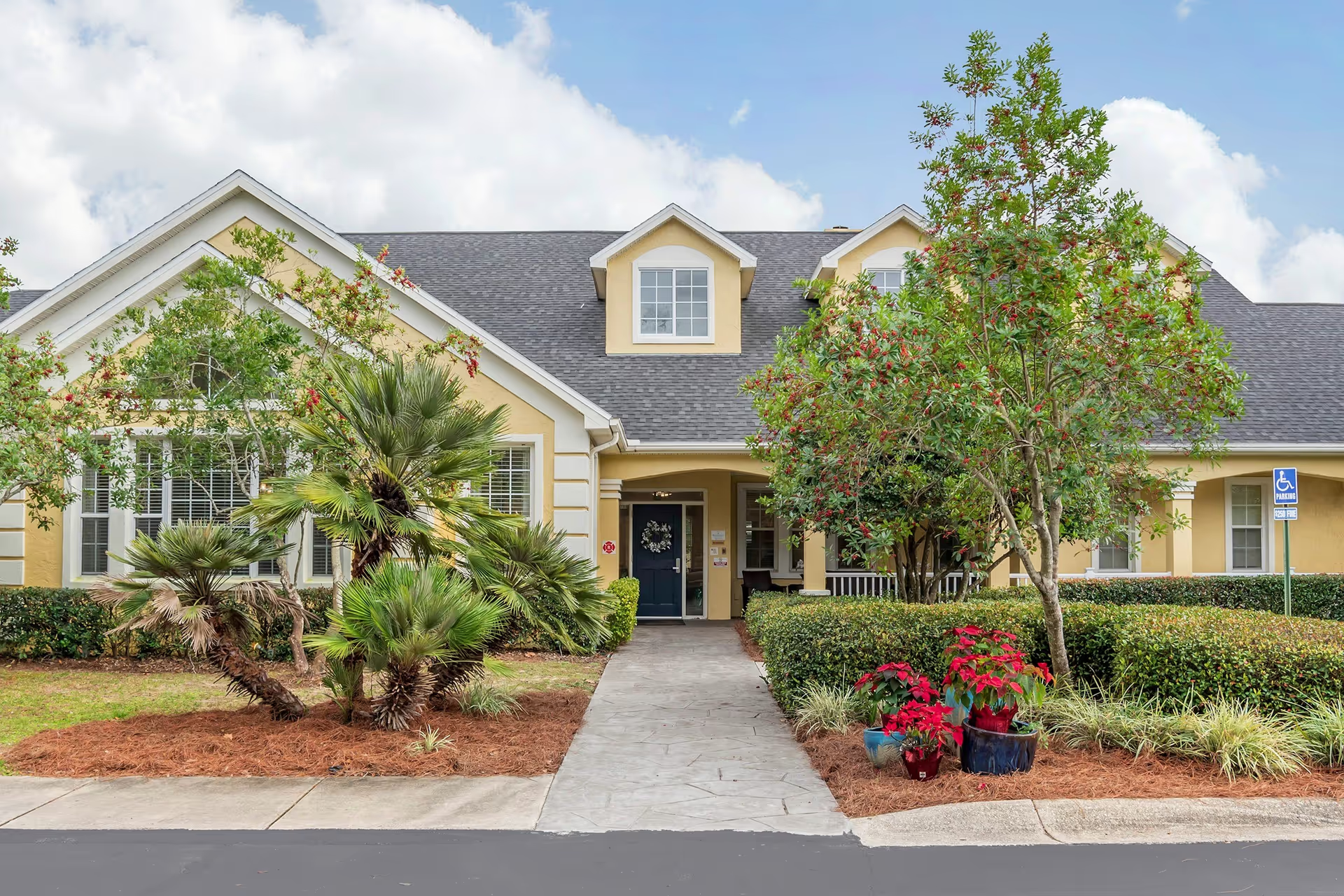
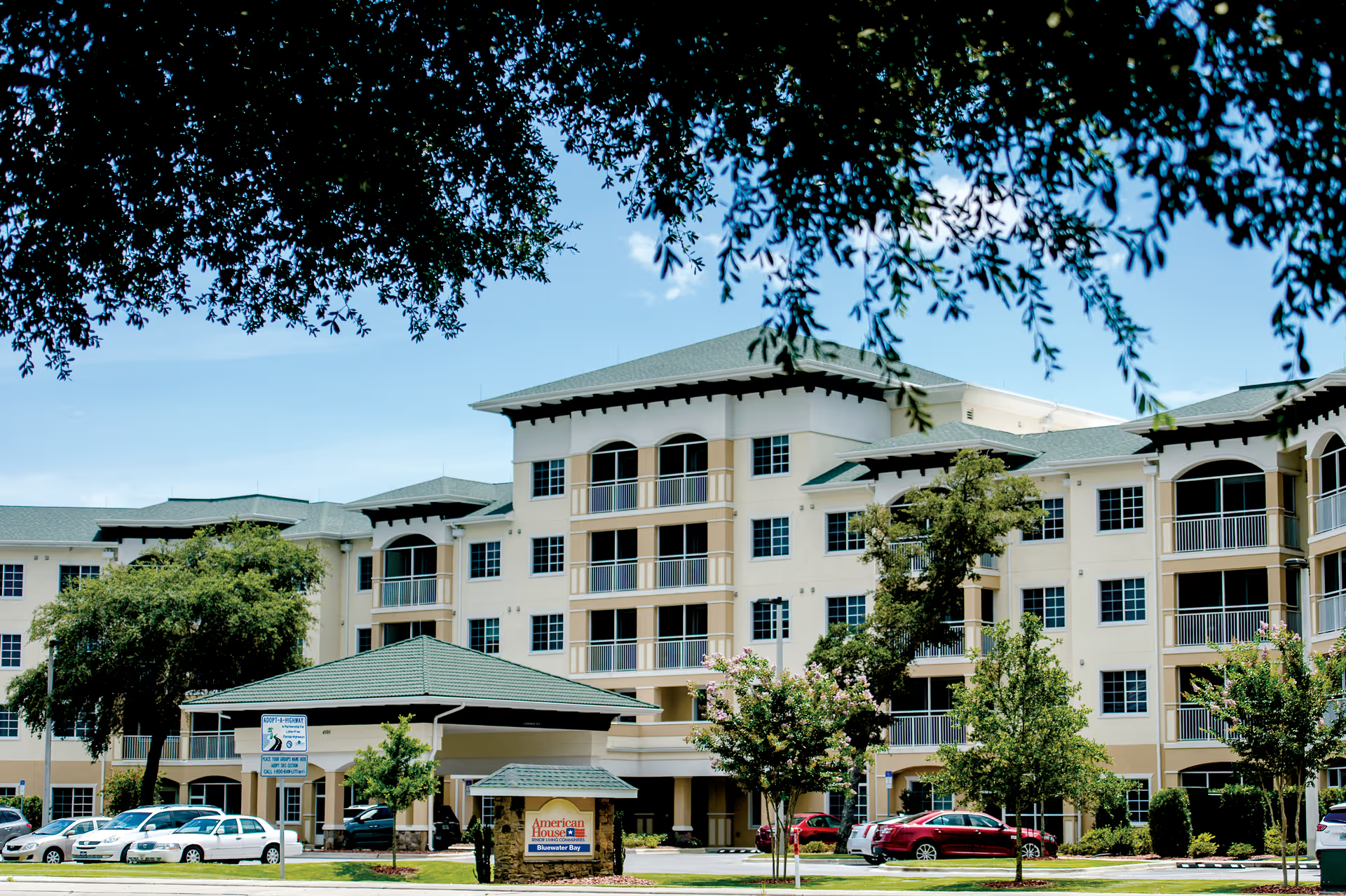
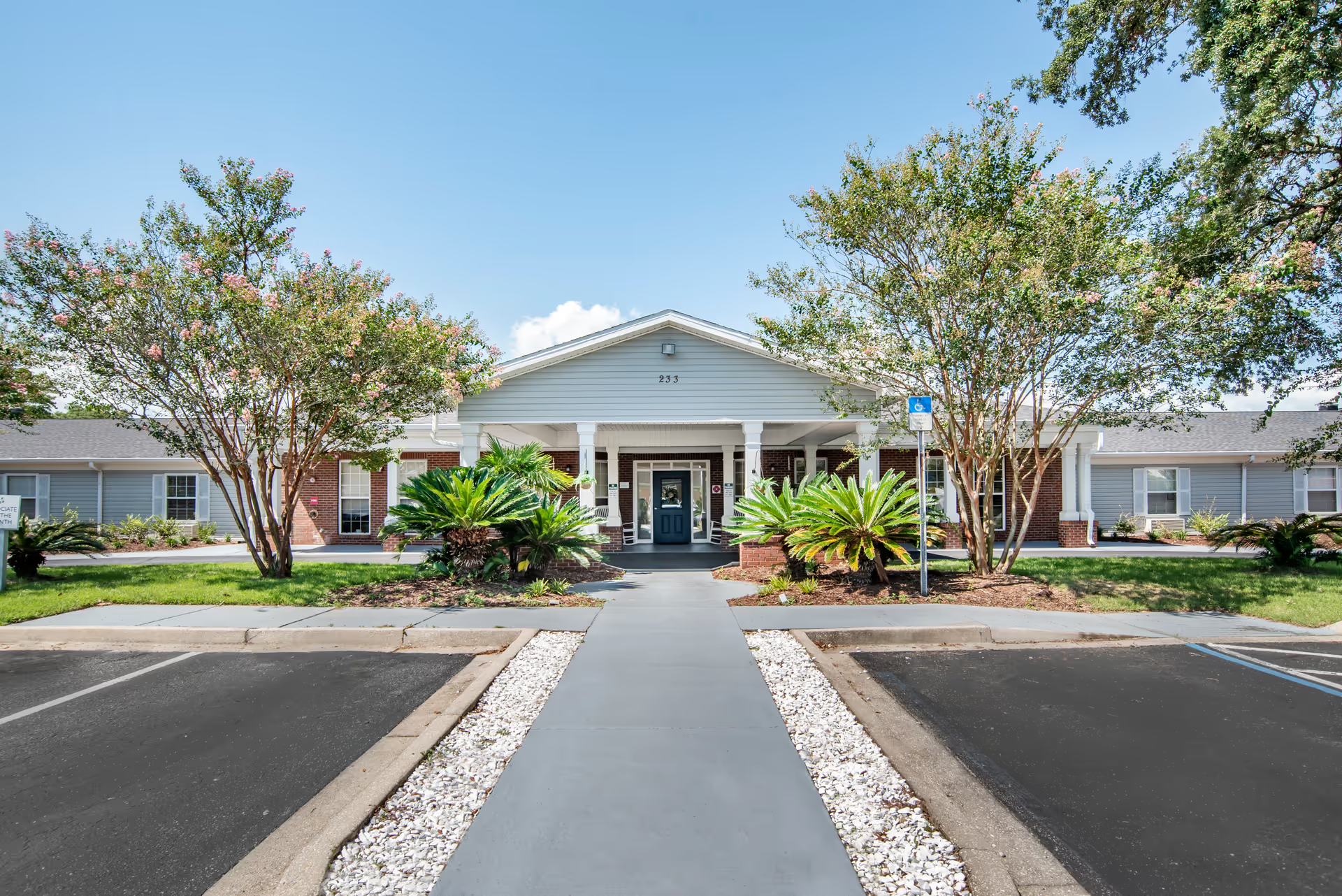
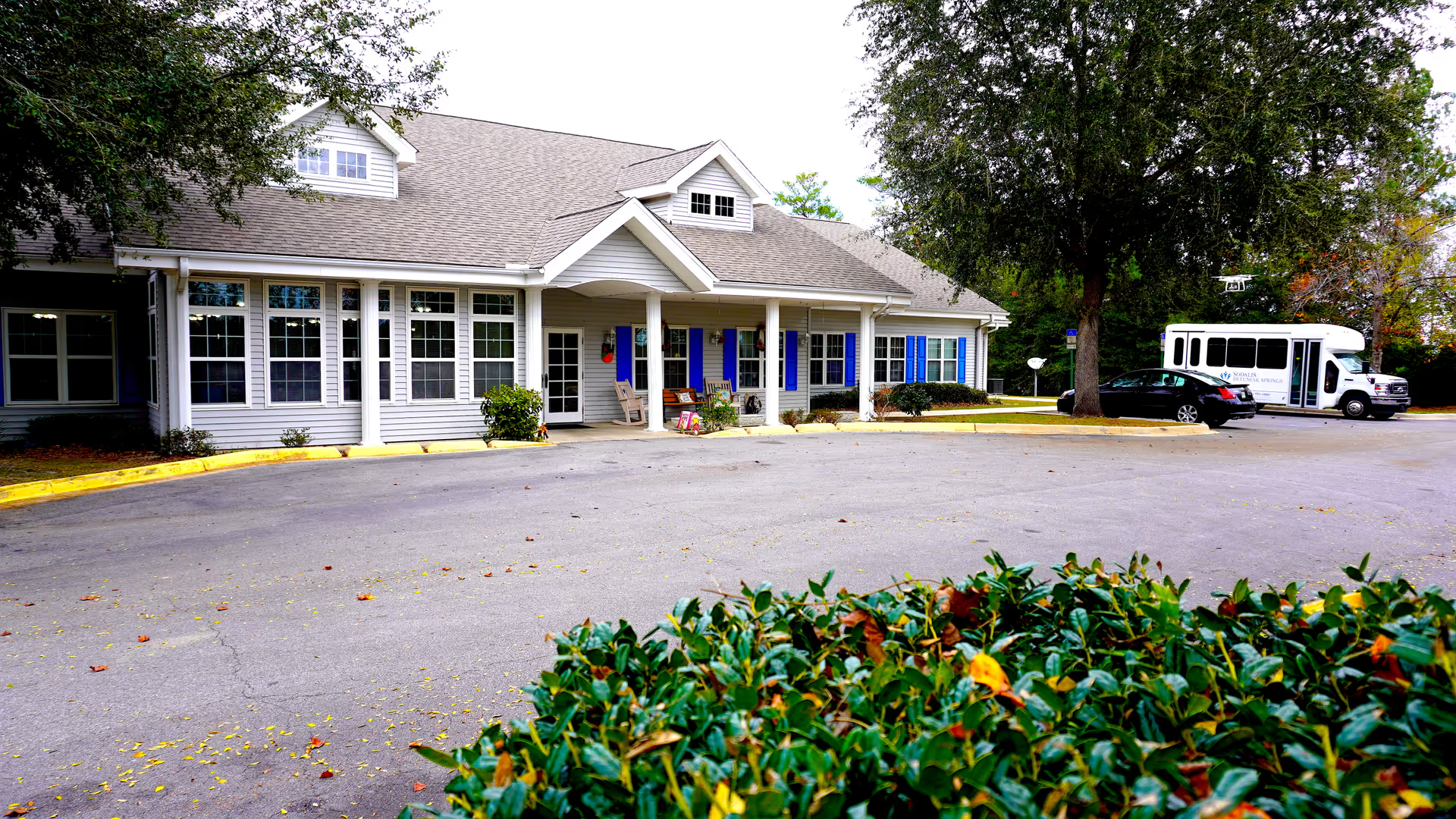
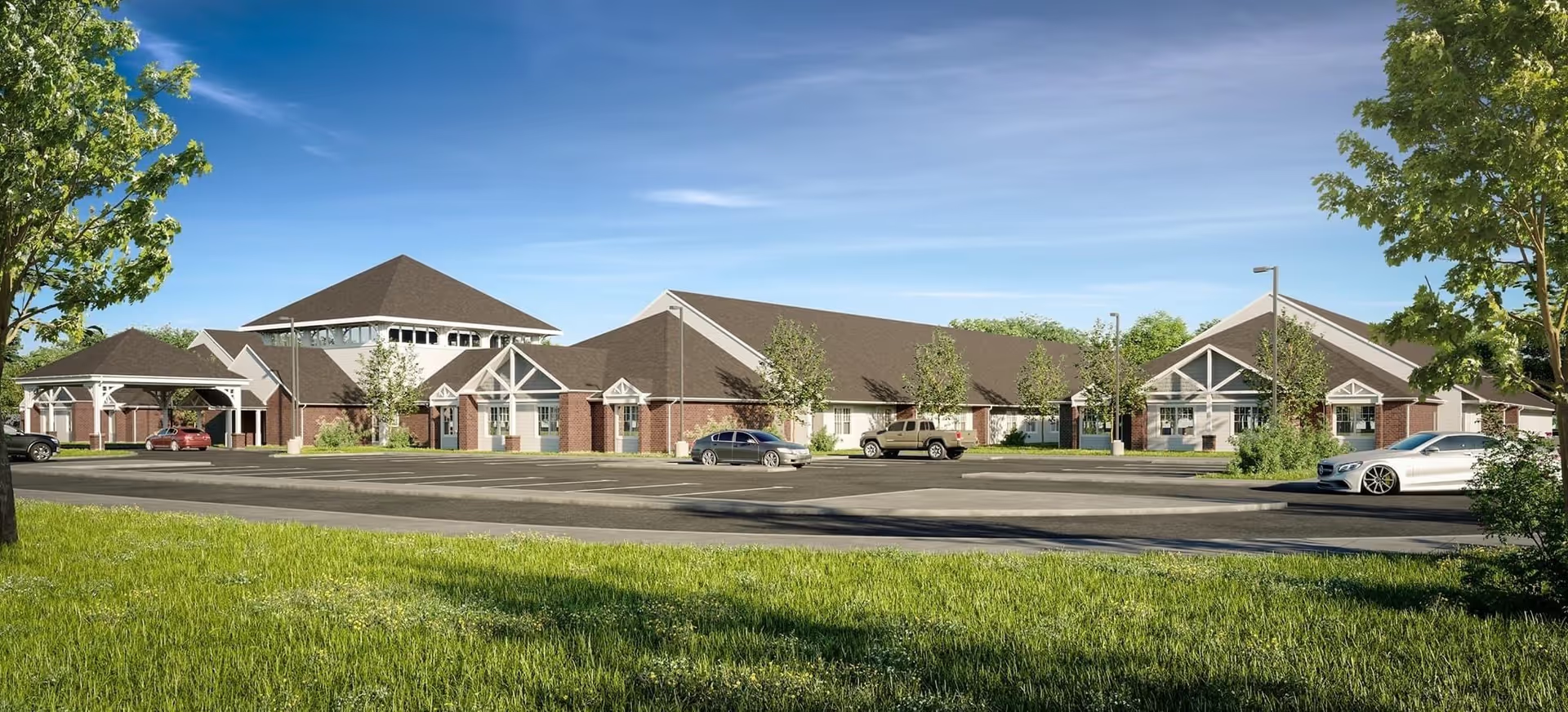
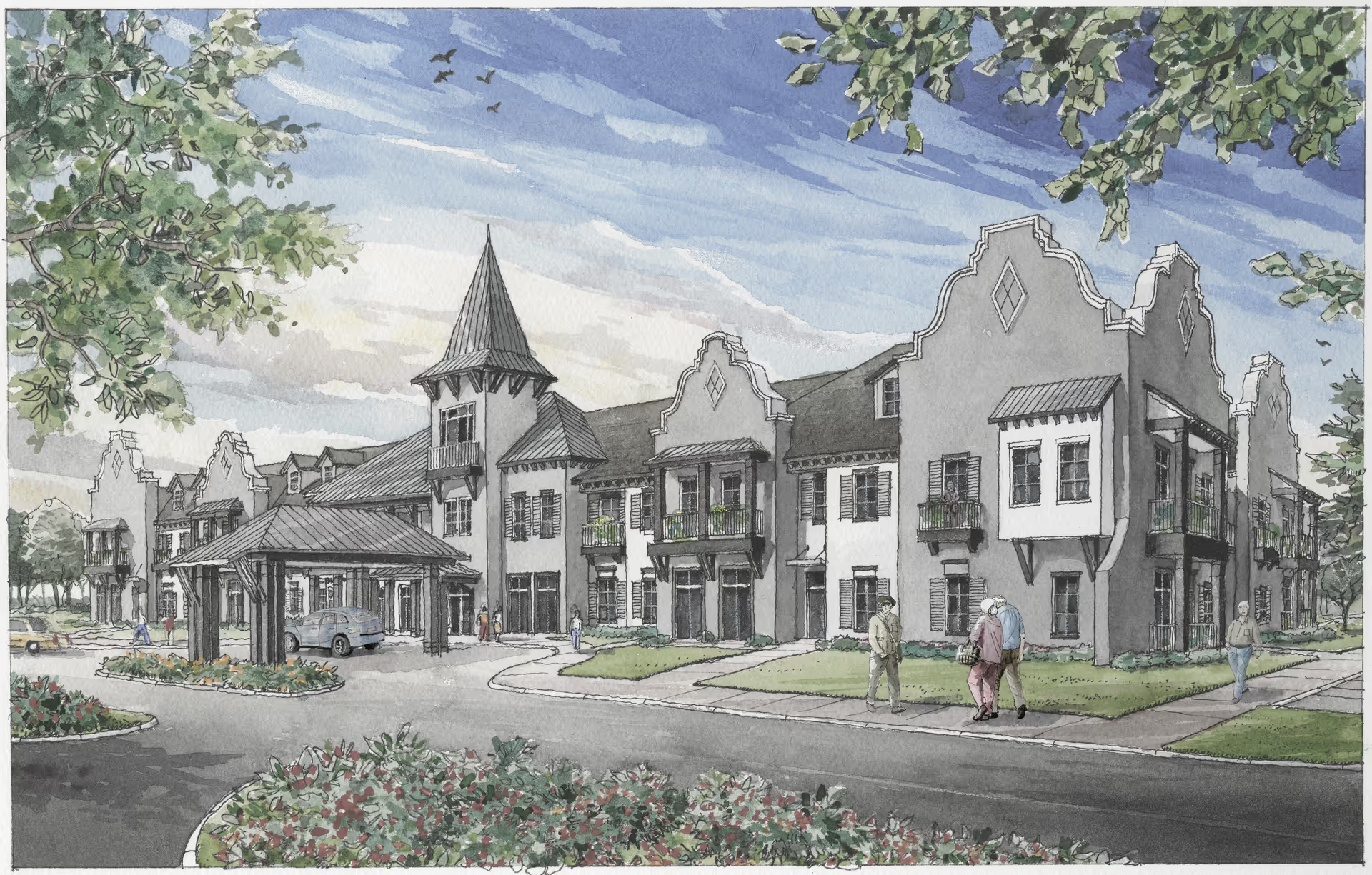
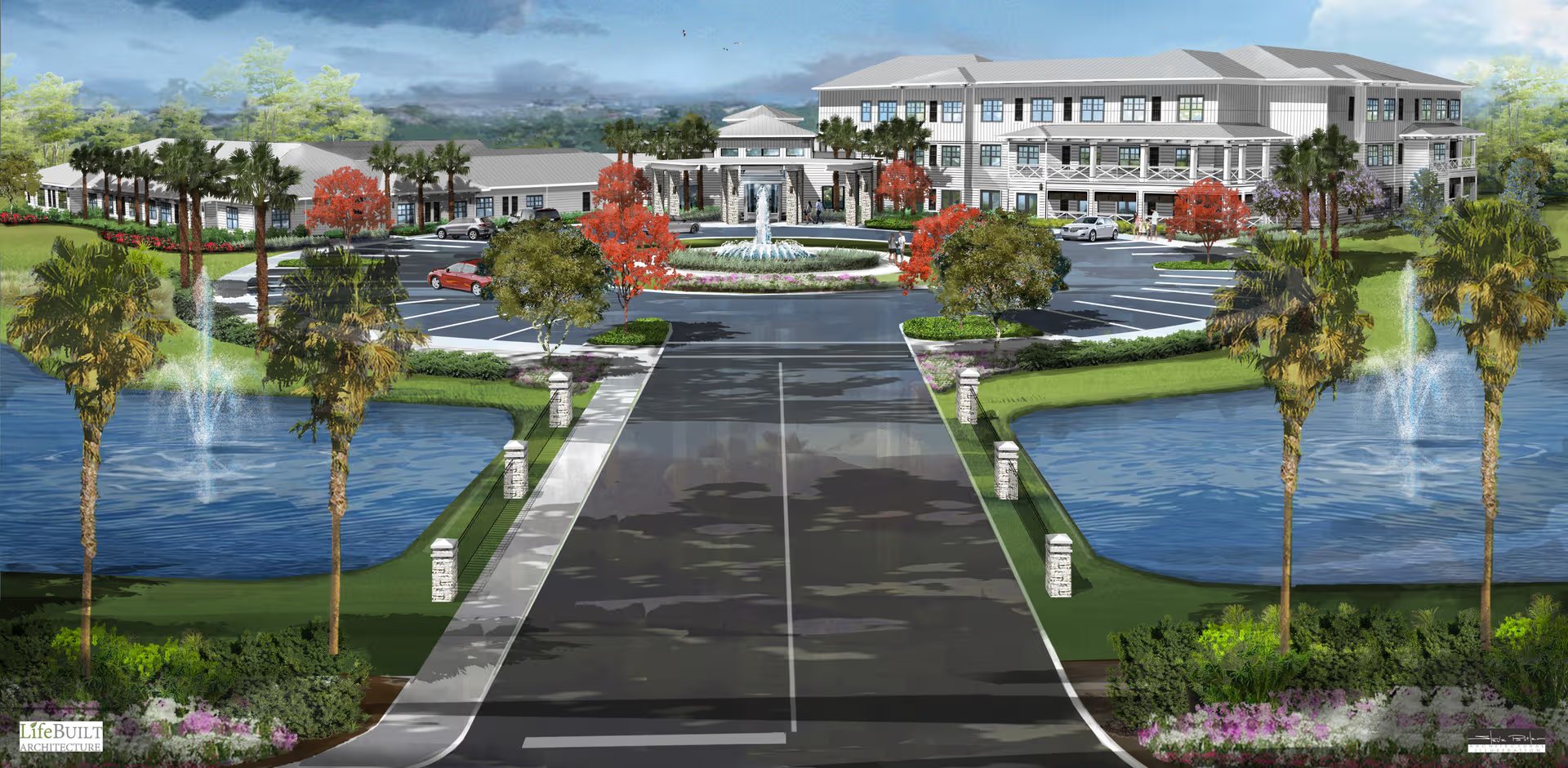
Caring and clinical environment: Reviewers consistently describe Carington Manor as a small, home-like facility with staff who provide attentive, family-style caregiving. Routine resident monitoring (every two hours) and assistance with offsite medical appointments are noted strengths, and multiple accounts emphasize compassionate, nurturing interactions during end-of-life transitions. Families reported that hospice support was available and that staff demonstrated genuine personal concern for residents.
Staff and management: Staff are characterized as friendly, engaged, and willing to go beyond basic duties; reviewers highlighted particular administrators and assistants as positive influences. The owner and care team are described as compassionate, and several families expressed gratitude for the level of personal attention. At the same time, a recurring operational concern is inconsistent communication with families. Reviewers described delays or lack of transparency around clinical status updates and transitions, including hospice placement, indicating room for improvement in family-notification procedures and responsiveness to inquiries.
Dining and activities: Dining is frequently cited as a positive feature: home-cooked meals, three daily meals plus snacks, and family dinner events that encourage socialization. Activity offerings emphasize a dementia-focused program, themed rooms, and community-style events. Pet visits on the front porch and a family-friendly calendar are additional social assets. However, the range of formal activities and on-site amenities is limited compared with larger facilities, which may affect residents seeking broader recreational or therapeutic programming.
Facilities and services: The facility presents a clean, well-maintained interior with a homelike aesthetic—personalized room themes, a salon, a library area, an outdoor patio, and a comfortable common room were singled out favorably. Practical services include transportation to medical appointments and routine checks. Noted limitations include a small therapy department and limited rehabilitative resources, which may constrain recovery-focused or intensive therapy needs.
Resident mix and fit: Carington Manor appears to be oriented toward residents with dementia or advanced cognitive impairment; reviewers praised the specialized, dementia-focused environment and staff experience in that area. Conversely, families of cognitively intact residents noted that the programming and culture may not be the best match for those who do not require dementia-specific services. Prospective residents should consider clinical needs and activity preferences when assessing fit.
Overall pattern and recommendation: The overall picture is of a small, compassionate community with strong personal care, clean facilities, and a family-oriented culture, well suited to residents who benefit from a dementia-focused, homelike setting and hands-on staff. Operational weaknesses center on communication processes and limited rehabilitative and amenity resources. Prospective families should weigh the facility’s strengths in personalized care and end-of-life support against its narrower therapy offerings and the need for clearer, more consistent family communication.