Overall impression: Reviews describe a facility that delivers strong rehabilitation and many compassionate caregiving relationships, but with uneven operational consistency. A substantial number of comments praise the physical therapy and occupational therapy programs, the professionalism of many nurses and CNAs, and a home-like, clean environment. At the same time, a pattern of variability across shifts and functions emerges: families describe excellent, family-like care in some instances and significant responsiveness and process gaps in others.
Care quality and clinical operations: Rehabilitation services are a clear strength — multiple accounts indicate meaningful mobility improvements and positive short-term therapy outcomes. Several staff members (nursing and therapy) are described as knowledgeable and attentive, and end-of-life support is often characterized as compassionate. However, there are recurrent concerns about medication management and clinical follow-up, including delays in administering medications, missed doses, and delays in arranging or communicating medical testing. These point to inconsistent clinical-administration processes and the need for stronger medication and escalation protocols.
Staff and communication: Staff are widely described as friendly, caring, and capable of building strong relationships with residents; many families emphasize individual caregivers who went beyond expectations. Conversely, reviewers also describe variability in responsiveness and tone, occasional rude interactions, and issues with transparency — for example, communication around incidents, recordkeeping, and the handling of family concerns. These patterns suggest that staff performance and communication quality are uneven across shifts and units.
Dining and activities: Activity programming and snack availability are noted as positive elements that contribute to a welcoming atmosphere. Reports about meals are mixed: some families found food well-prepared and satisfactory, while others raised concerns about food quality and dietary appropriateness (notably carbohydrate-heavy options for residents with diabetes). The facility may benefit from more consistent menu planning and clearer dietary accommodations for chronic conditions.
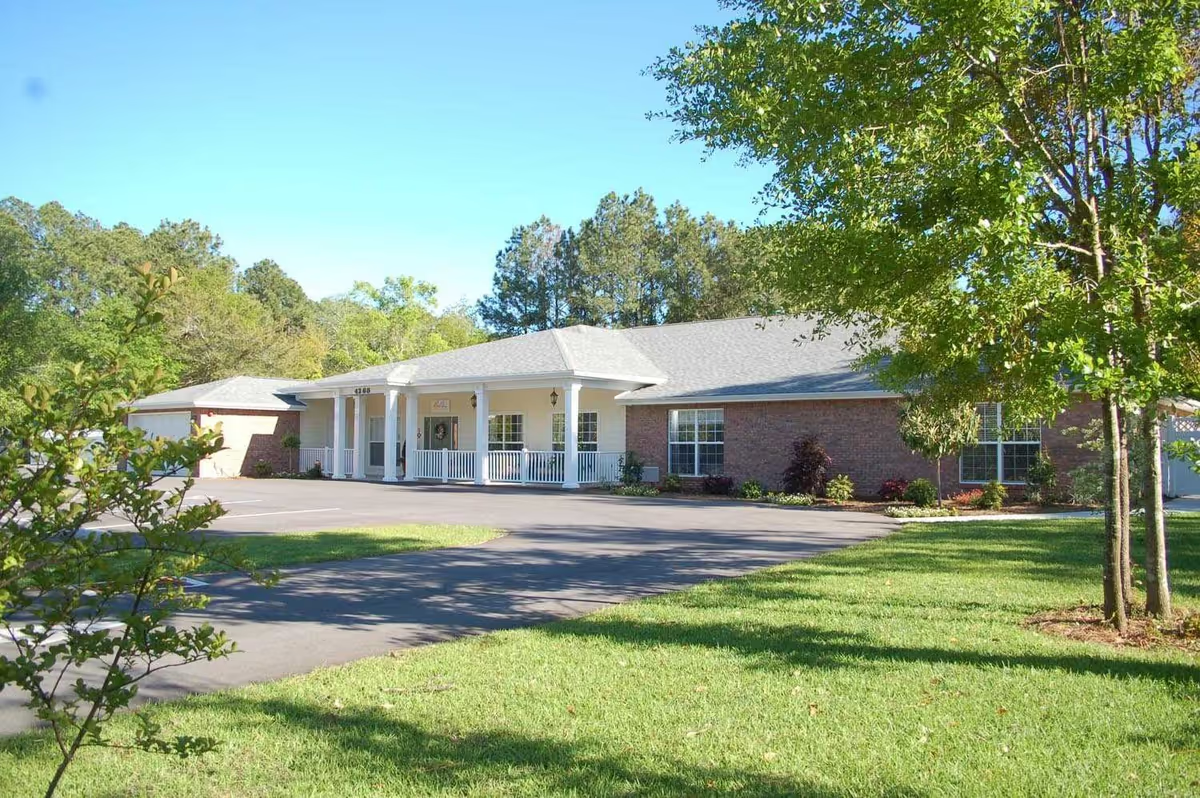
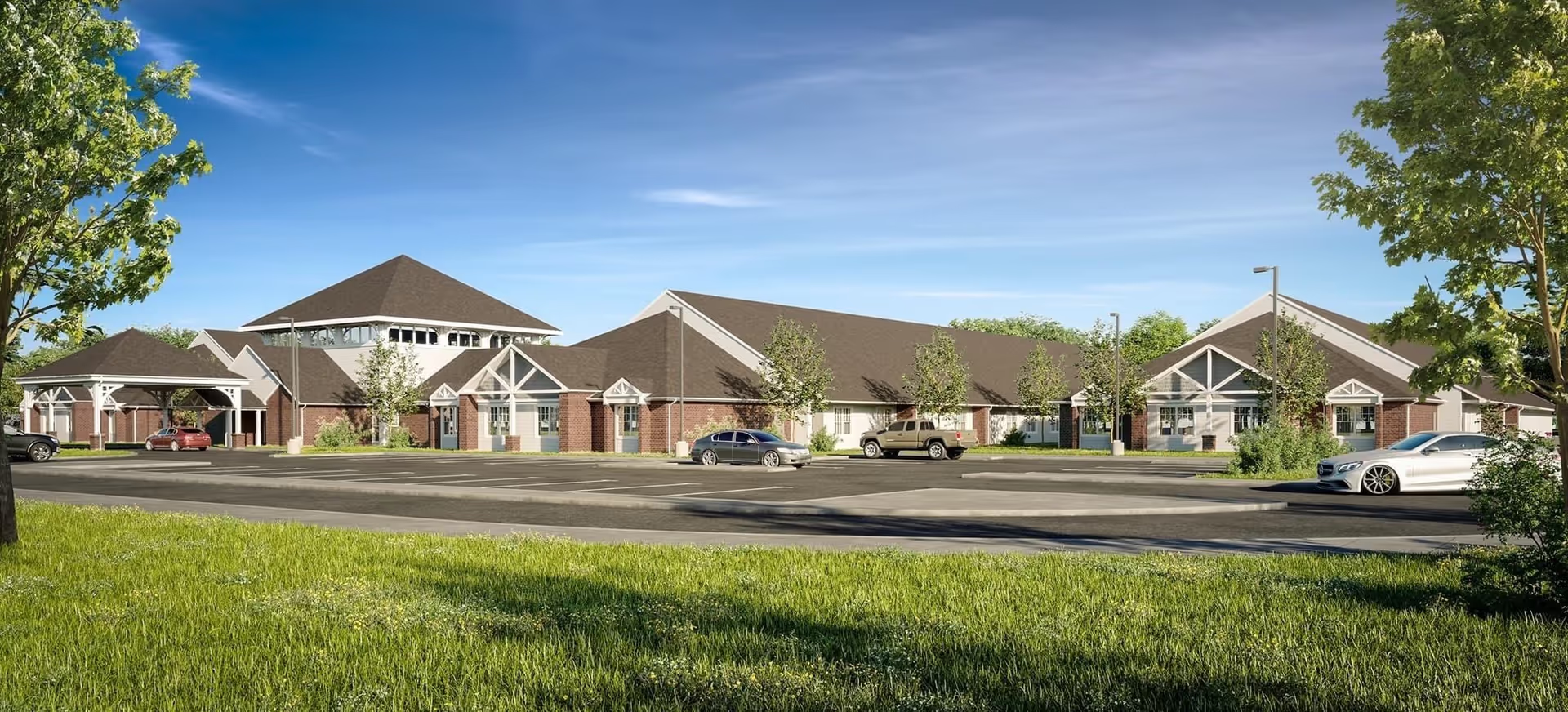
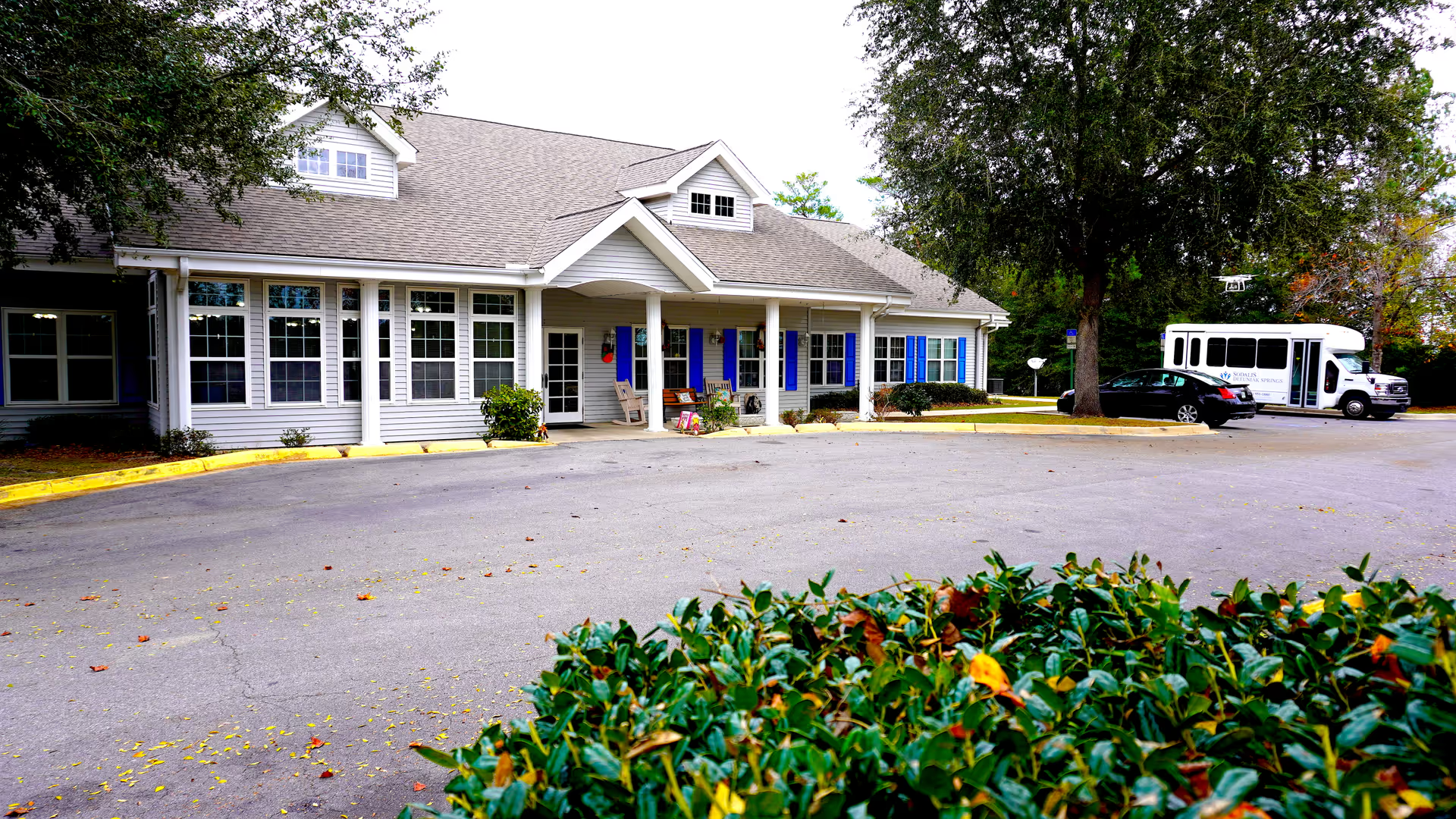
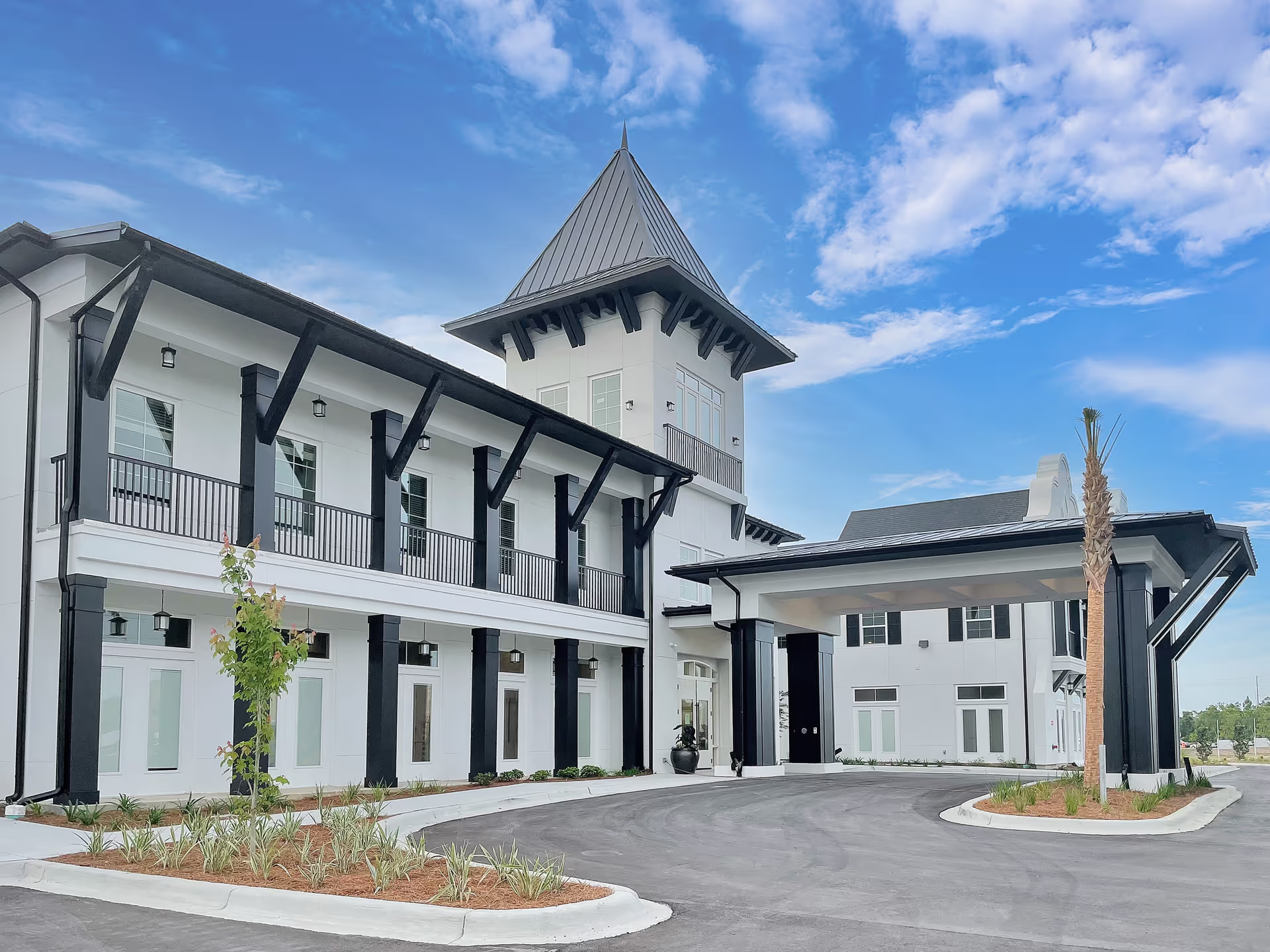
Facilities and operations: The building and rooms are frequently described as clean, neat, and comfortable, with a home-like feel on many units. At the same time, the facility appears to be aging: reviewers cite unreliable heating and cooling, confusing hallways, and ongoing maintenance needs. Package-handling procedures and valuables control also show operational weaknesses — there are specific allegations of missing items and concerns about how packages and personal property are managed, indicating the need for stronger property safeguards and clearer visitor/package protocols.
Management and notable patterns: Management responsiveness receives mixed marks — several accounts praise administrators who resolved issues and improved processes, while others describe concerns about record transparency and the handling of serious incidents. There are also isolated but serious allegations (including claims related to missing property and review removal) that suggest the facility should demonstrate clear policies for incident reporting, property management, and family communication. A prominent pattern is variability: outcomes tend to depend heavily on the unit, shift, and individual staff assigned.
Bottom line: Crestview appears to offer high-quality rehabilitation and many examples of compassionate, effective caregiving, making it a reasonable option for patients seeking short-term therapy and warm interpersonal care. Prospective residents and family members should, however, assess staffing continuity, confirm dietary accommodation capabilities, verify property-handling procedures, and ask about medication-administration and clinical-escalation protocols during tours. Observing current shift coverage and asking management for written policies on valuables, incident reporting, and testing turnaround times can help set expectations and reduce the risk of operational inconsistencies.