Reviews describe a community with clear operational strengths alongside recurrent operational weaknesses. Strengths most consistently cited include a warm, social environment with active programming (bingo, clubs, outings), an on-site medical and therapy presence (doctor, nurse practitioner, OT/PT), and a range of resident-oriented amenities such as a fitness center, salon, chapel, theater room, and outdoor common spaces. Many reviewers complimented housekeeping, laundry services, the admissions/tour experience, and the condition of recently remodeled apartments and common areas. Several accounts also highlight helpful transportation for errands and appointments and an ability to transition residents from independent living to higher levels of care within the campus.
Care quality and clinical operations show mixed patterns. Positive reports describe timely medication administration, attentive nurse managers, and effective rehabilitation services. At the same time, other accounts point to inconsistent clinical follow-through, gaps in care-plan adherence, and concerns about medication management and clinical communication. These clinical inconsistencies have been associated with delays in care tasks (for example, bathing schedules and timely responses to needs) and uneven follow-up after provider visits. Prospective families should ask specific questions about current clinical staffing, how care plans are monitored, and processes for physician/NP follow-up.
Staff and communication are a prominent dividing line in the feedback. Many reviews praise compassionate, friendly aides, engaged activity staff, and visible leadership that interacts with residents. Conversely, recurring themes include variability in staff conduct and responsiveness, front-desk coverage gaps, and periods when staff appear overworked. Several reviewers describe high staff turnover and 12-hour shifts that contribute to workload stress. Communication issues span inaccurate or unclear information at intake, inconsistent messaging from supervisors, and occasional delays in administrative responsiveness.
Dining and activities are frequently noted as strengths, with a steady schedule of social and recreational options and meals that some residents find very satisfying. There are also comments about inconsistent food quality, limited dining-room capacity in busier sections, and variability in meal service continuity. Activity programming is generally robust, but space and scheduling constraints (and occasional staffing limitations) can affect access for some residents.
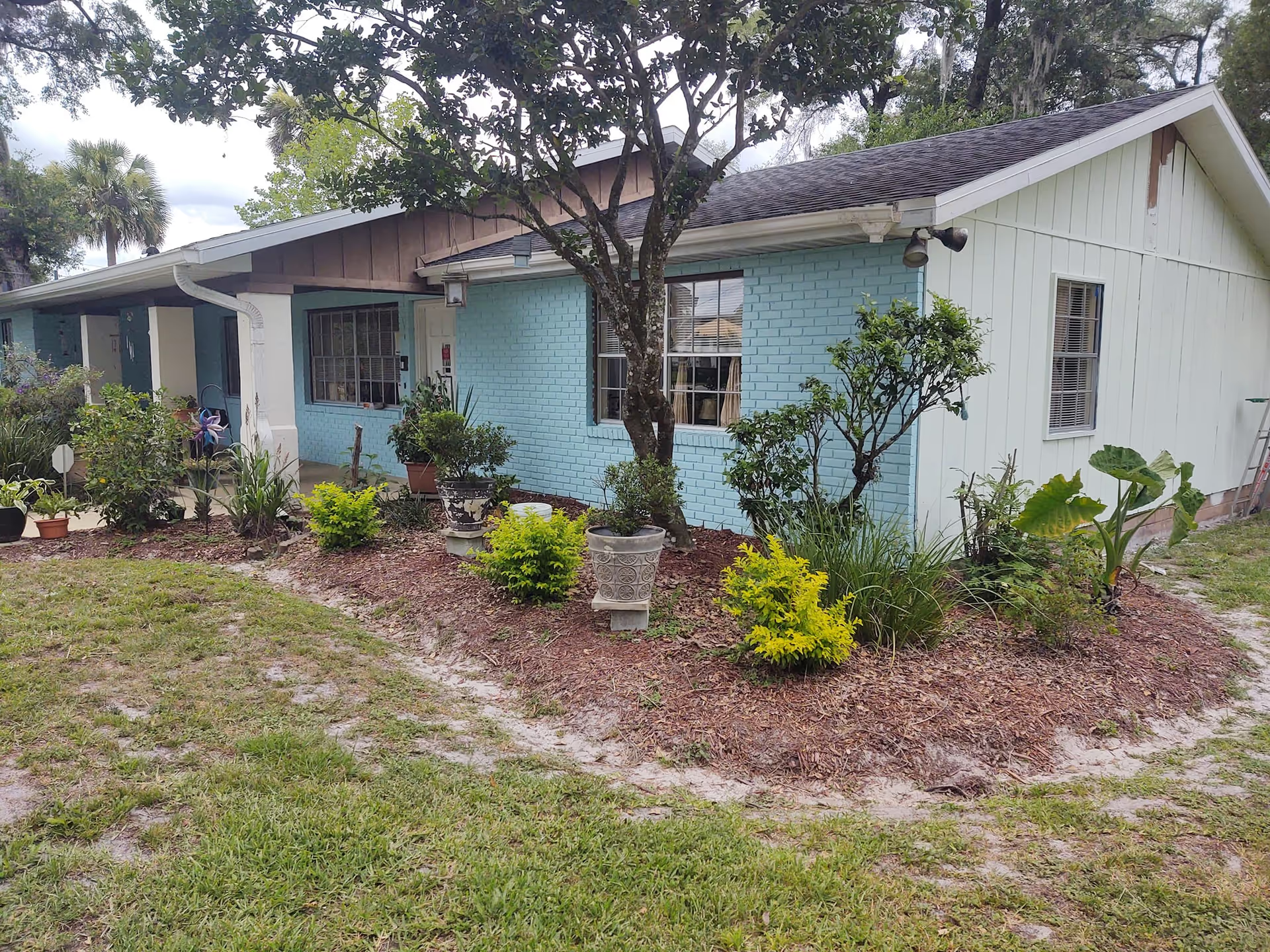
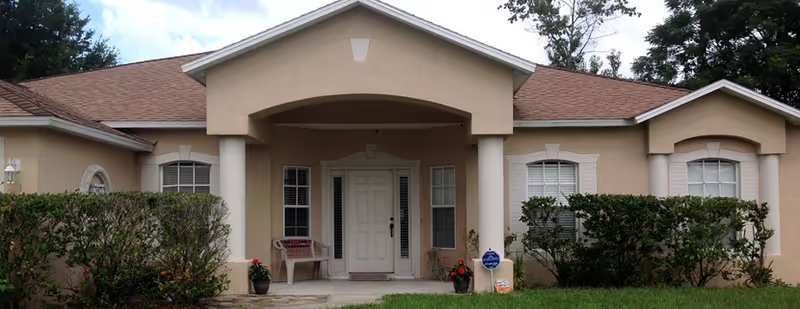
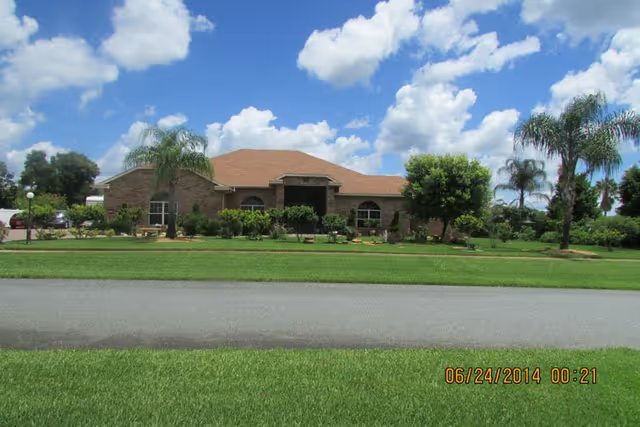
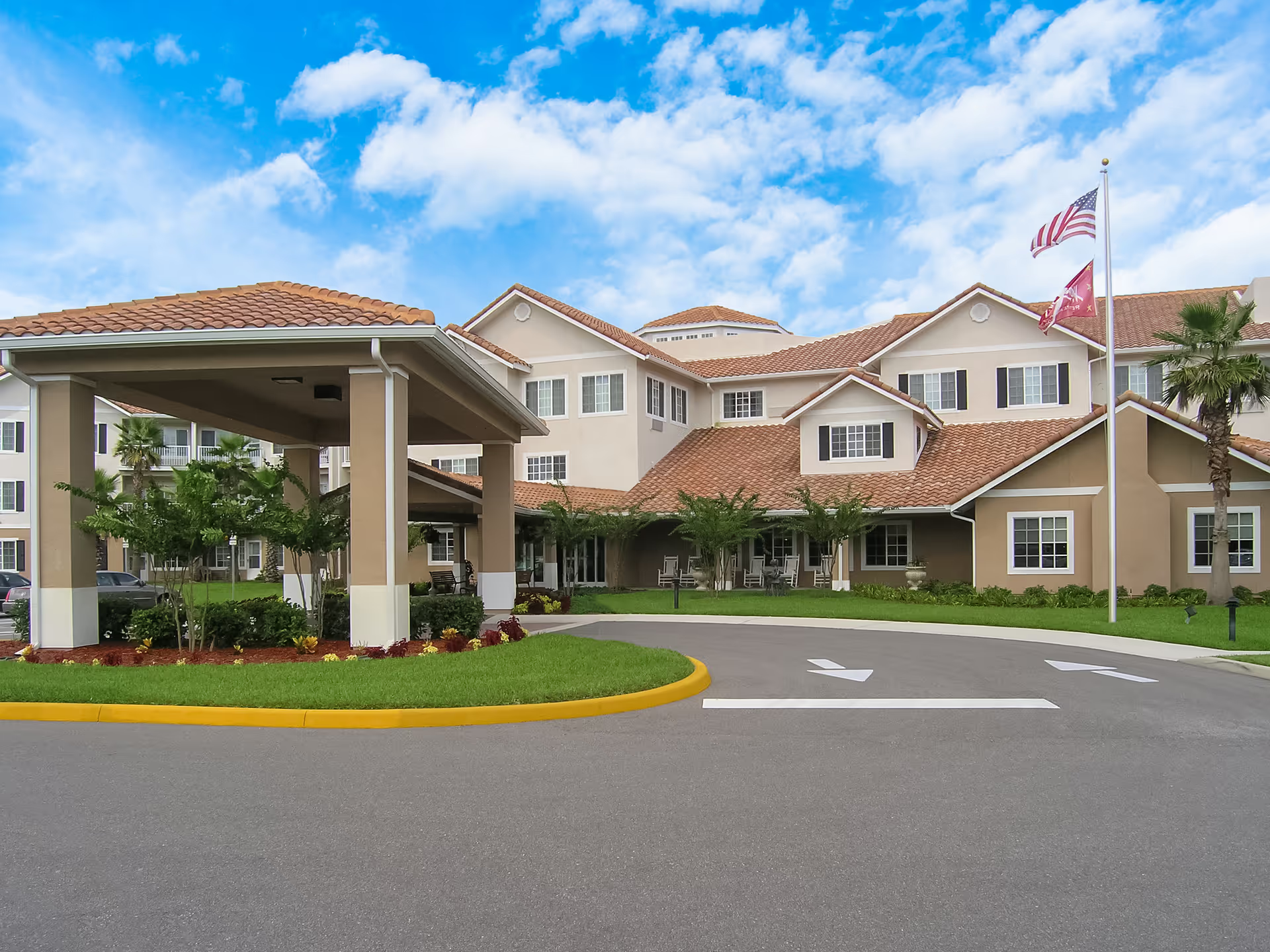
Facility condition and maintenance feedback is mixed. The campus overall is described as modern and well-appointed in many accounts—clean common areas, updated apartments, and attractive landscaping. At the same time, other reports point to maintenance responsiveness gaps, intermittent utility issues (for example, AC outages), worn finishes in some areas, outdated TV systems, garbage-collection lapses, and pest-control concerns in certain units. These issues appear to be unevenly distributed across the property rather than universal.
Management and ownership transitions emerge as a central pattern. The facility’s change in ownership has been associated with both positive initiatives and notable concerns. Some reviewers describe hands-on leadership, investment in improvements, and attentive executives; others report reduced service levels, rent increases, unmet promises, and less transparent communication during the transition. These divergent accounts suggest the resident experience has shifted at times with changes in leadership and staffing.
Overall impression and guidance: the community offers many features families look for—social programming, on-site clinical and rehab services, and modern amenities—but the experience appears variable depending on unit, staff assignment, and timing. Prospective residents and families should tour during active service times (mealtimes, med pass, activities), ask for current staffing ratios and turnover statistics, request documentation of pest-control and maintenance logs, clarify transportation schedules, and review how care plans and medication follow-up are managed. Checking recent inspection reports and speaking with current residents and families can help provide a more complete picture before making a placement decision.