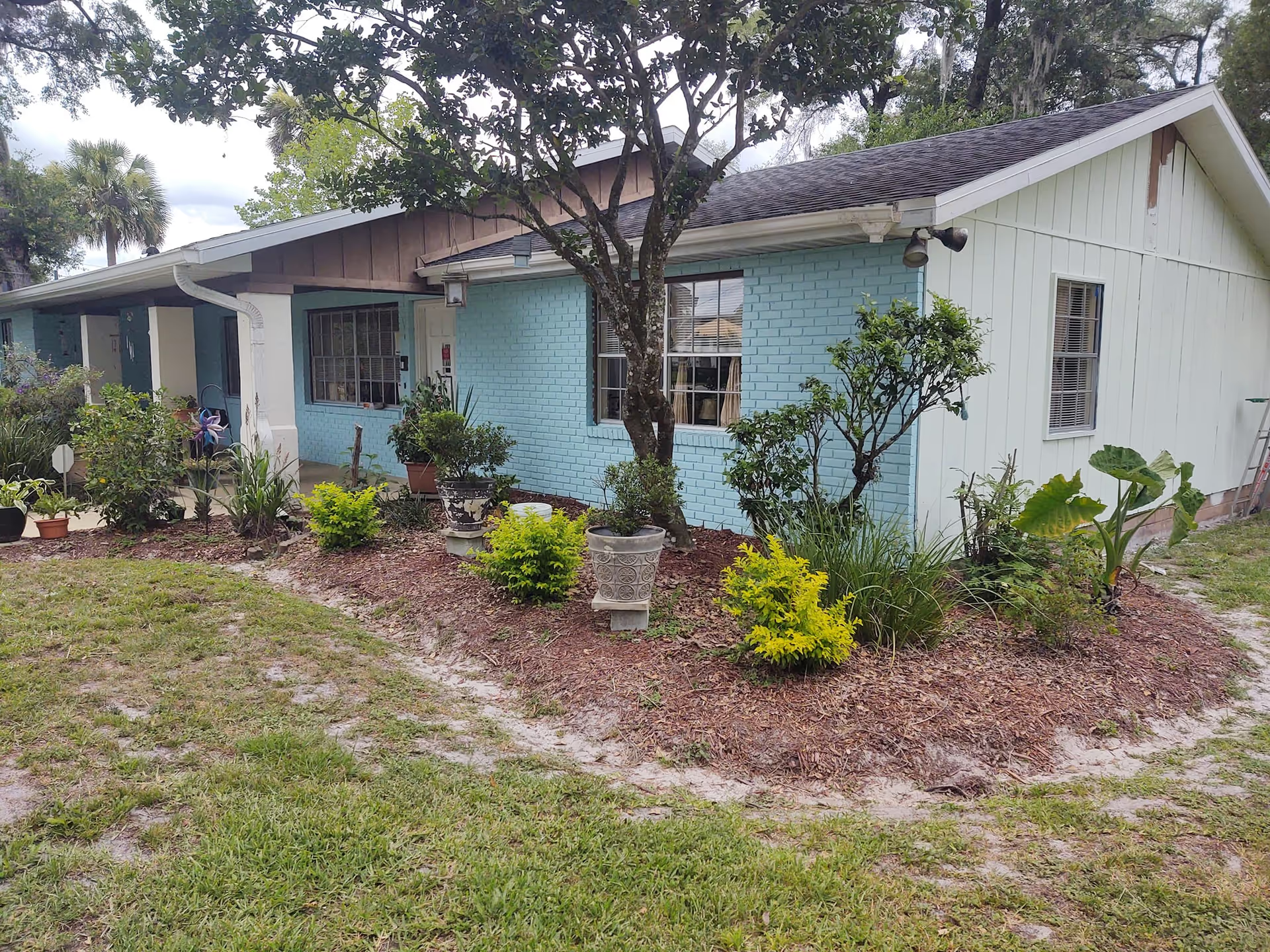
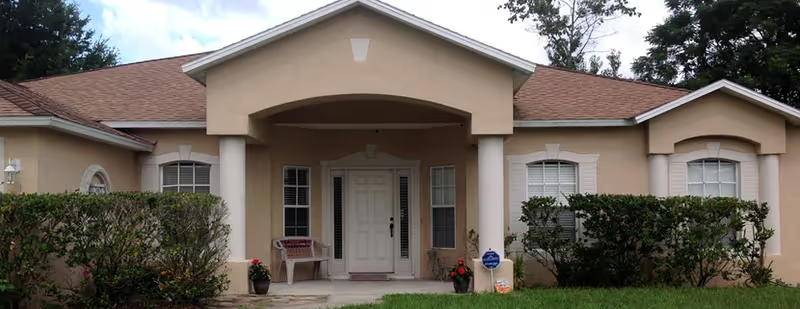
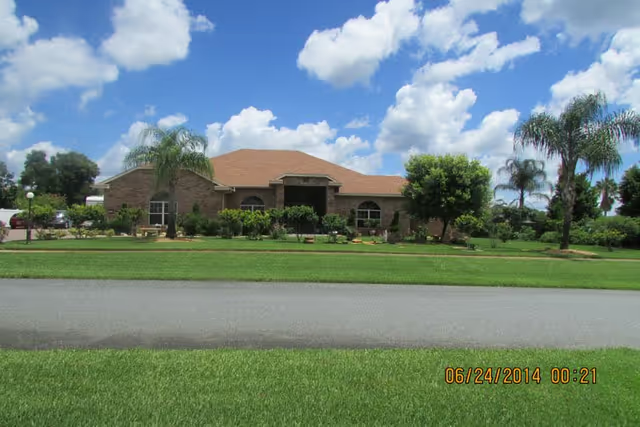
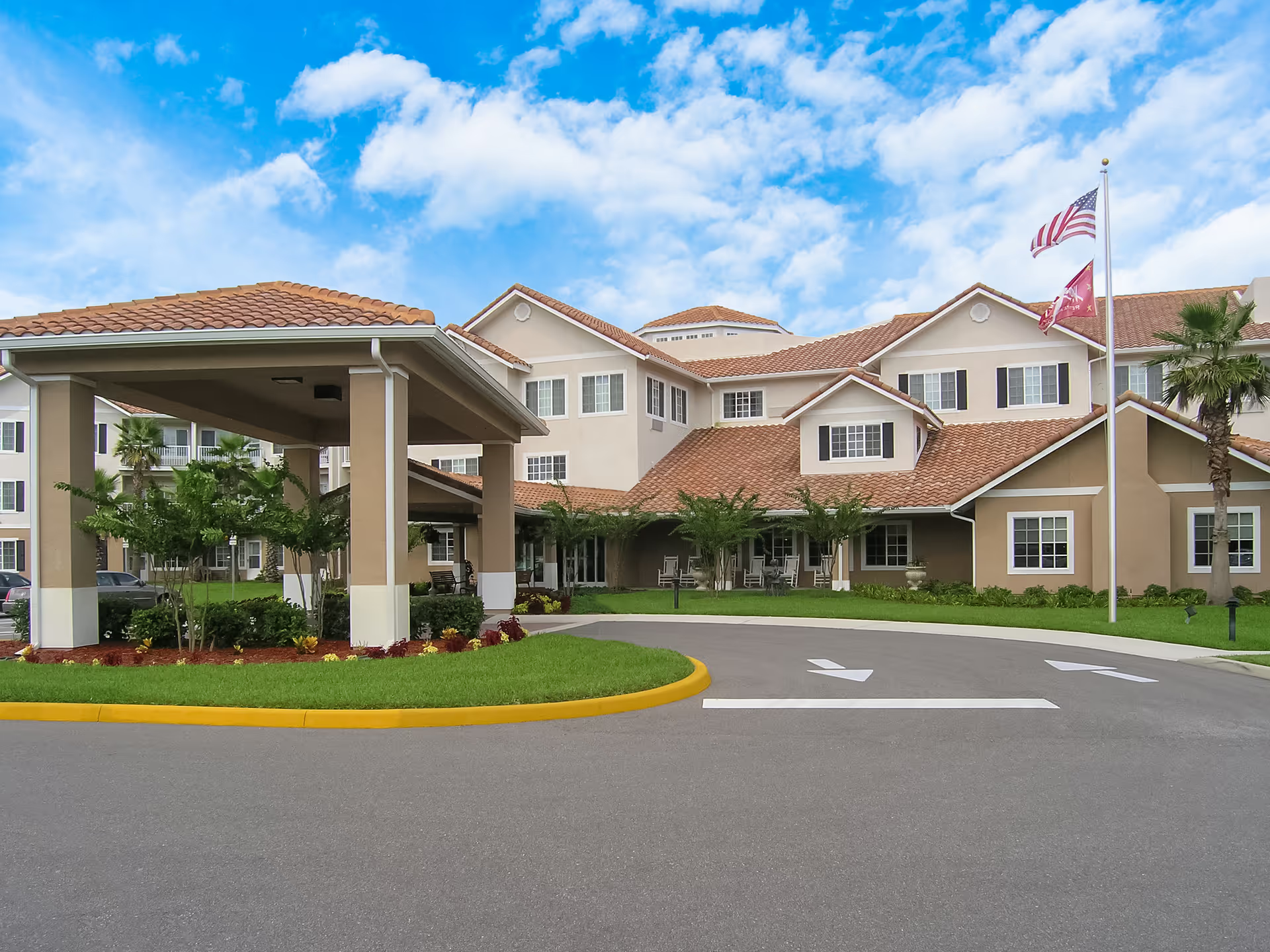
College Arms Towers is described by reviewers primarily as an apartment-style housing option rather than an assisted-living community. Positive comments emphasize affordability — including low monthly rent with utilities included — compact but well-appointed studios with good closet space, a home-like atmosphere, and an active program of social activities. Several reviewers described staff as friendly and willing to help, and some noted that management has been cooperative in resolving specific issues.
Care and clinical services: The facility operates as an apartment complex and is not positioned to deliver assisted-living level caregiving. Reviewers consistently indicate that on-site caregiving and clinical services are limited or not provided; prospective residents who require hands-on care should plan for external caregivers or an alternate setting that offers clinical supports. There is little information about dining services in the reviews; as an apartment model, meal provision and clinical oversight should be confirmed directly with management.
Staff and safety: Feedback is mixed. Many reviewers praise individual staff members as attentive and helpful, and some describe the environment as secure. At the same time, other reviewers expressed concerns about inconsistent staff conduct, lapses in safety oversight, and insufficient enforcement of safety-related policies (for example, vehicle operation and parking-lot controls). These contrasting impressions suggest variability in staff performance and in how safety procedures are applied.
Activities and facilities: The property appears to offer opportunities for engagement and social activities, and residents report feeling at home there. Apartments are described as cute and functional, with utilities included in some cases. However, the site appears to have limited parking capacity, which may be a practical constraint for residents and visitors.
Management and policies: Reviews indicate a mix of experiences with management. Some encounters are characterized by helpfulness and successful resolution of concerns, while others point to restrictive policies and inconsistent enforcement. Notable operational policies that may affect prospective residents include a restrictive visitation policy and rigid rules around unit transfers (for example, limitations on moving from a studio to a one-bedroom). These policies, combined with the facility’s apartment-model status, contribute to a clearer picture of who this community will suit best: residents seeking affordable, independent apartment living with social opportunities, rather than those needing ongoing clinical care.
Notable patterns and considerations: The dominant themes are affordability, a friendly community feel, and variability in staff and management performance. Prospective residents and families should verify the level of clinical care provided, ask about safety protocols (including parking-lot and staff-vehicle policies), and review visitation and unit-transfer rules before committing. A tour and direct discussion with management about specific needs, emergency procedures, and caregiver-arrangement options will be important for determining fit.