Overview Cascades at Delray Beach elicits a mixed set of impressions. The campus, grounds, and many front-line staff are frequently praised, and the community offers a broad activity calendar and strong therapy resources. At the same time, reviews describe recurring operational weaknesses that have intensified following an ownership/management transition. Prospective residents and families will find both notable strengths and material areas of concern that warrant careful inquiry during a tour and contract review.
Care and clinical quality Clinical experiences are uneven. Outpatient rehabilitation and specific therapy staff receive consistently positive mention for skill and responsiveness. Conversely, there are repeated concerns about bedside nursing and long-term health-center care: delayed responses to call systems, inconsistent assistance with toileting and mobility, and gaps in medication-management procedures. Infection-control and sanitation issues are also described; reviewers highlight a need for clearer protocols and additional staff training. Memory-care operations are characterized as understaffed and insufficiently supervised in some accounts, producing uneven experiences for residents with cognitive impairment.
Staffing and conduct Many individual employees are described as compassionate, professional, and responsive—names such as admissions and therapy staff are singled out positively. However, reviewers also note chronic staffing shortages, high turnover, and instances where staff responsiveness or conduct fell short of expectations. These staffing constraints are linked to delays in routine assistance, reductions in programming intensity, and inconsistent follow-through on care plans. Training and supervision—especially in dementia care and infection prevention—are areas where reviewers indicate room for improvement.
Dining and food services Dining receives polarized commentary. Early or pre-acquisition descriptions emphasize a chef-driven approach and fresh ingredients; more recent accounts point to reduced menu variety, smaller portions, processed items, and intermittent kitchen closures. Supply-chain and staffing problems are cited as contributing factors. There are also sanitation and pest-control concerns associated with food service in some reports. Families should review current menus, observe a meal service, and ask management about contingency plans for kitchen disruptions.
Activities and community life Activity offerings are among the facility's strongest features: robust exercise classes, lectures, outings, and a variety of social programs are frequently noted and contribute to an active resident life. That said, several comments indicate program reductions and budgetary limitations after operational changes. Overall, the social environment is described as welcoming and family-like when staffing and scheduling permit.
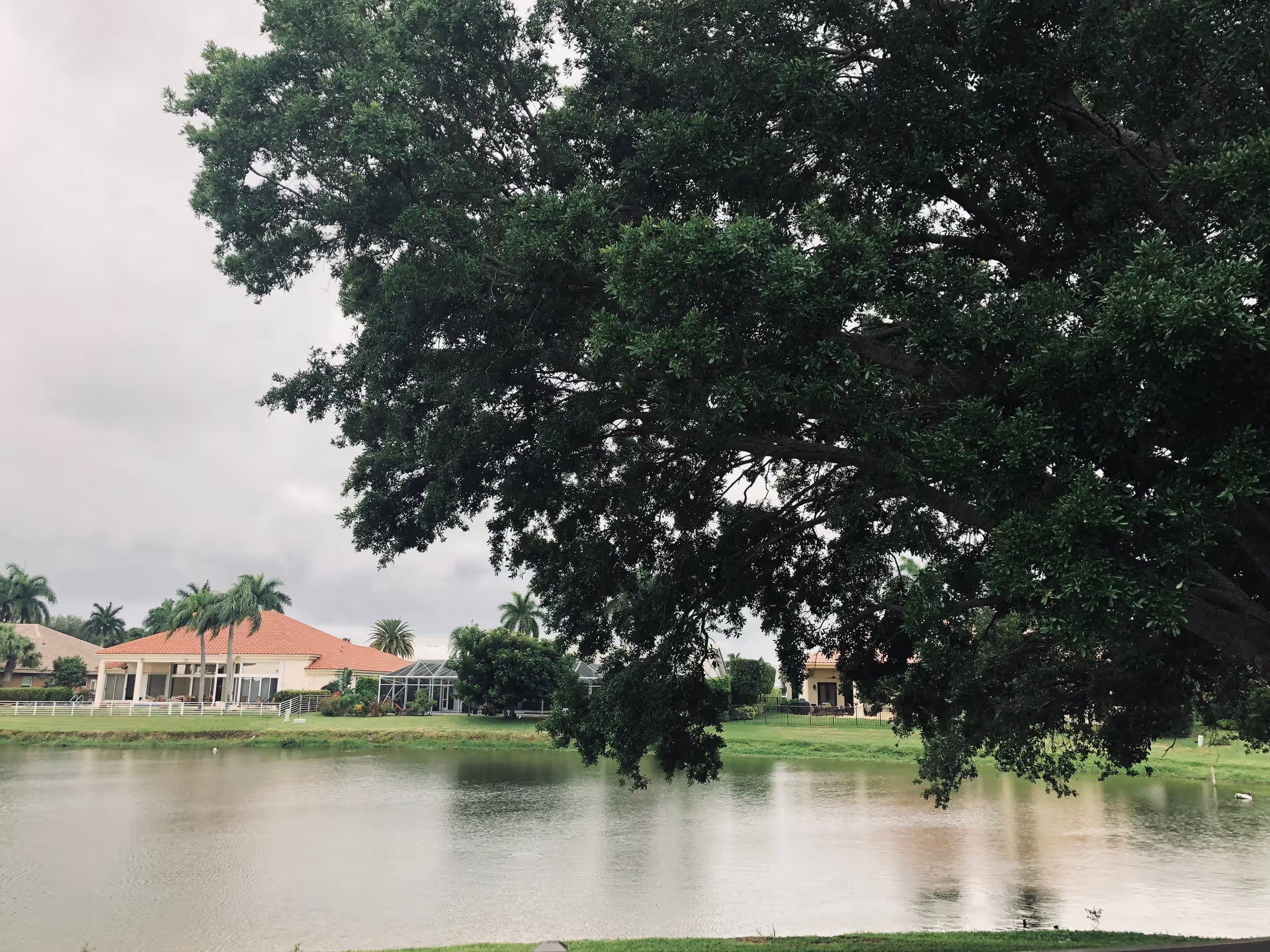
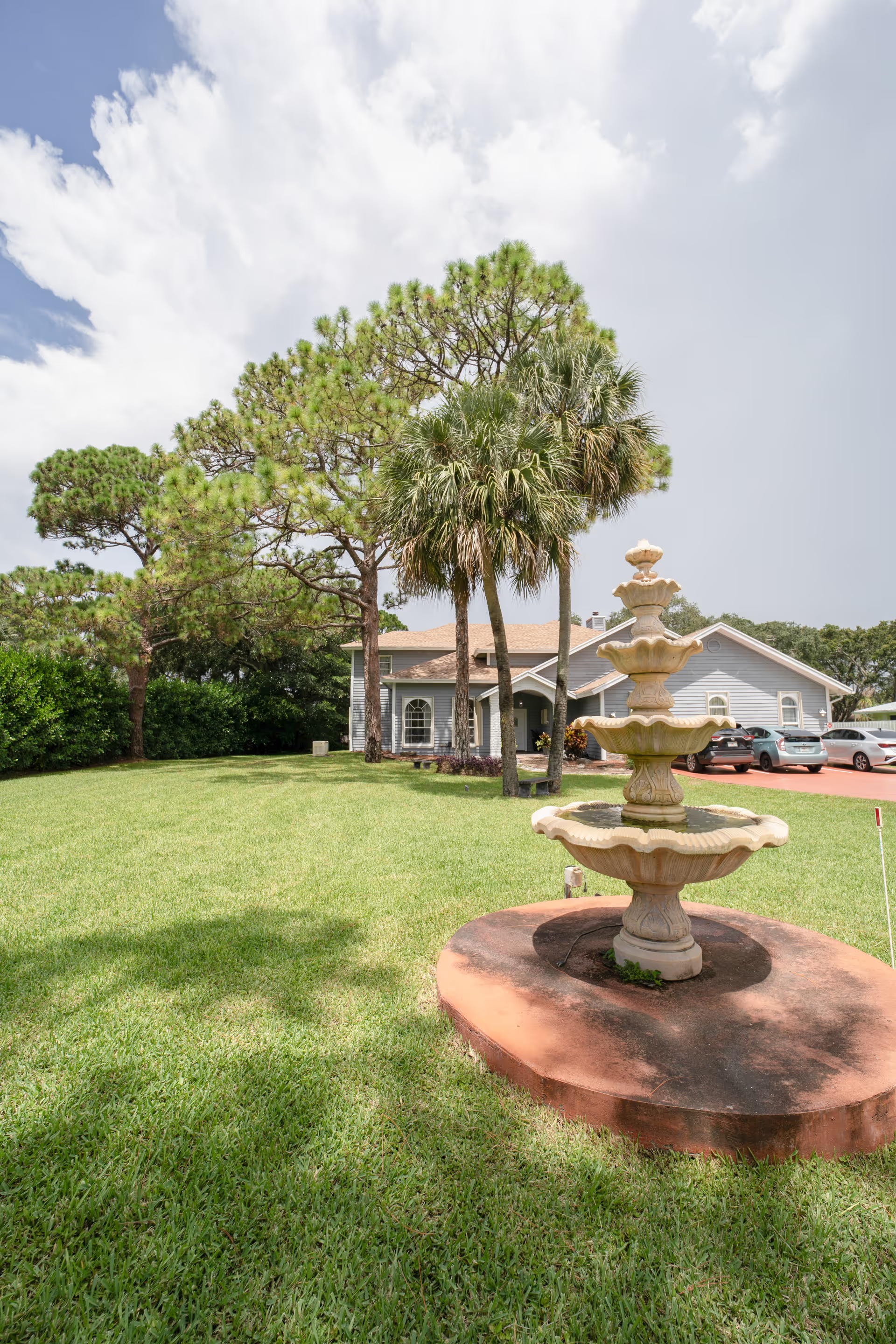
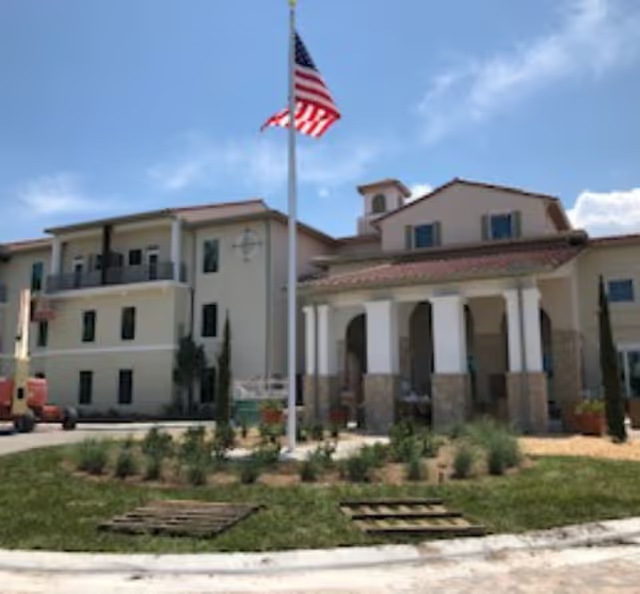
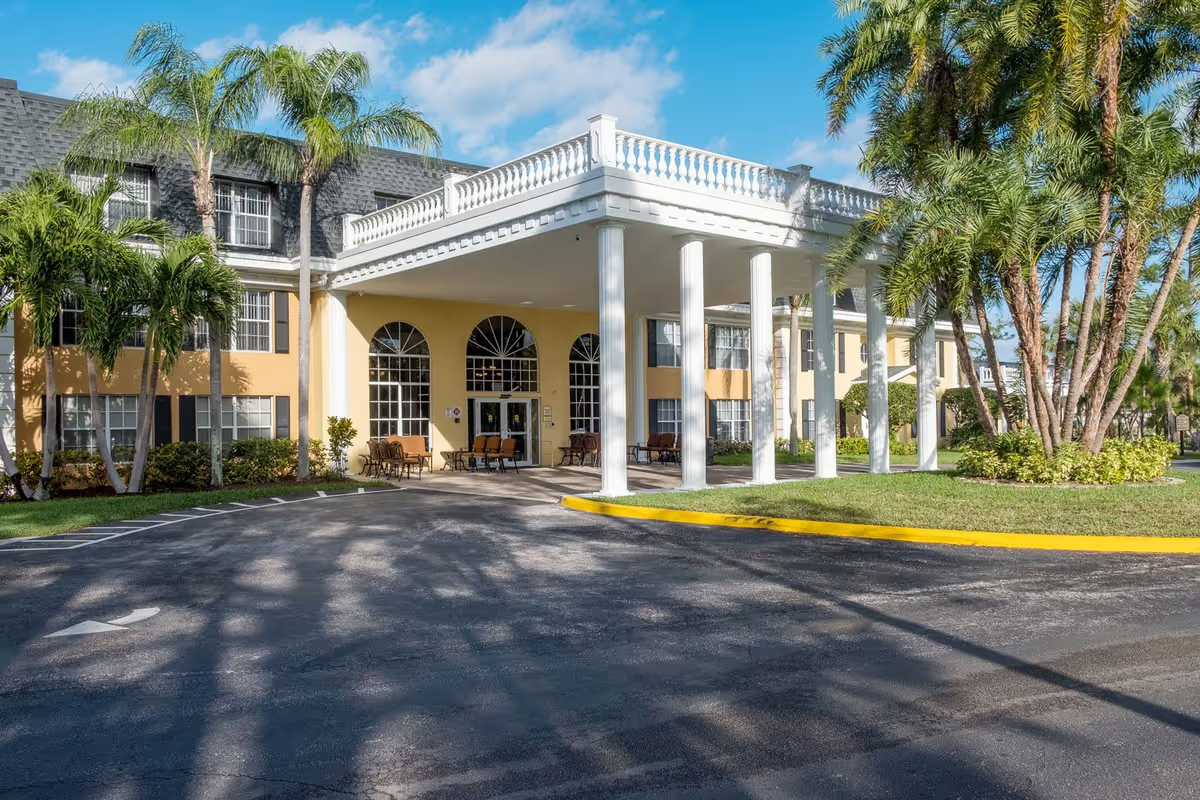
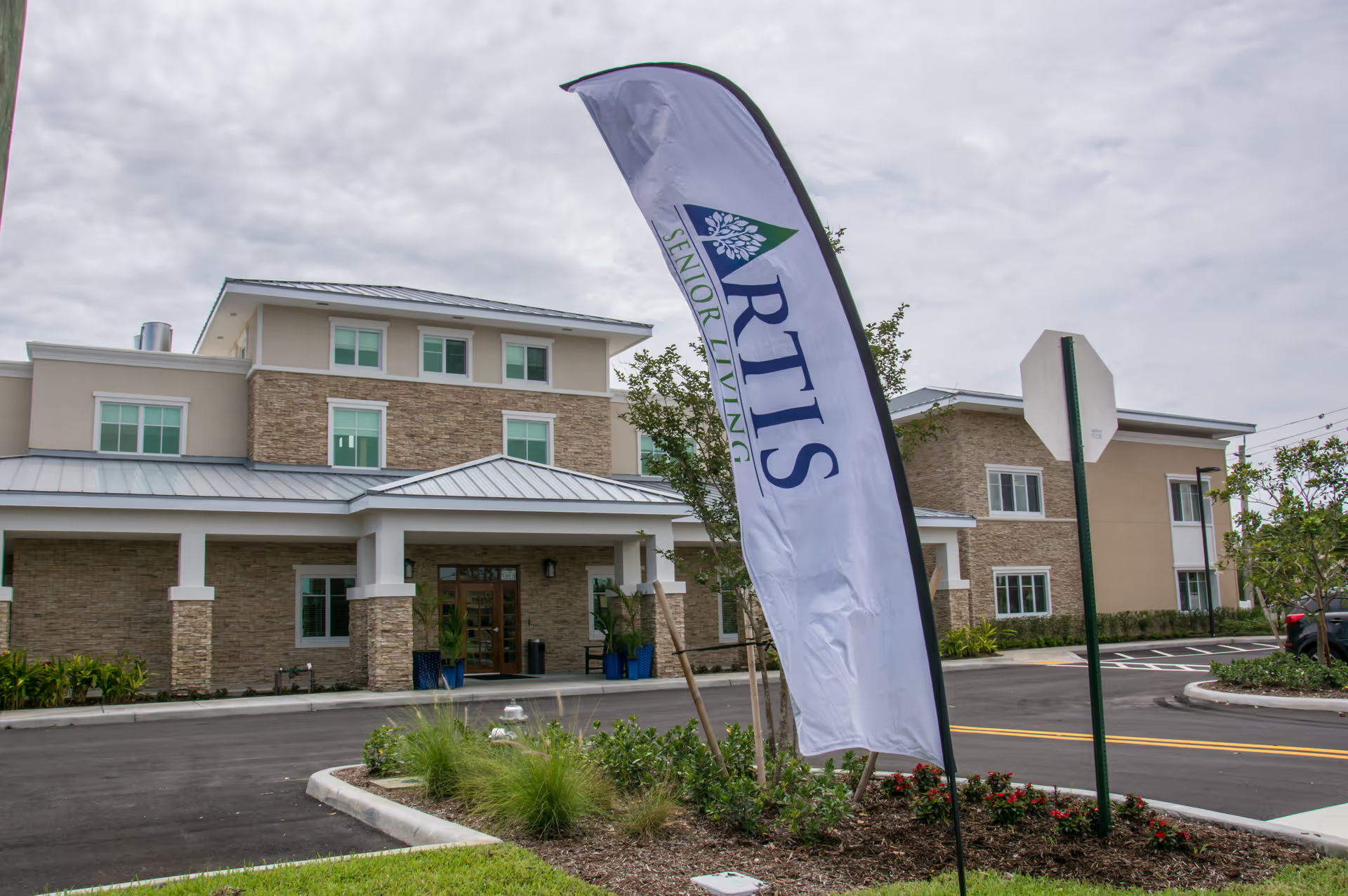
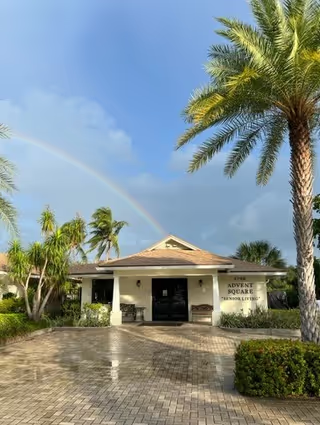
Facilities and maintenance The physical campus is widely regarded as attractive, with landscaped grounds and spacious common areas. Unit sizes vary, and deluxe options are available. Operational reliability is a concern: elevator outages, prolonged repair delays (plumbing, stair chairs), Wi‑Fi interruptions, and other maintenance backlogs are reported. Prospective residents should confirm current maintenance response times and recent inspection records.
Management, contracts, and transparency A major theme is dissatisfaction tied to a recent ownership transition: unmet sales promises, increased up-front costs and upgrade expectations, diminished service continuity, and poor communication from administration. Admissions and some administrators receive positive mention for responsiveness in select cases, but system-level communication and follow-through are recurring issues. There are also serious allegations about personal property control and instances that prompted family concern; these should be explored directly with management and via regulatory inspection reports.
Notable patterns and practical advice The pattern across reviews is one of strong amenities and valuable individual staff members juxtaposed with systemic operational vulnerabilities—especially around staffing, infection control, dining continuity, and maintenance responsiveness—exacerbated by transition-related disruption. For decision-making: tour during a mealtime, meet nursing and therapy leadership, request recent health inspection and infection-control records, verify elevator and maintenance service protocols, and get contract promises in writing (especially regarding buy-in and continuing-care commitments). Those who prioritize active programming and an attractive campus may find the community worthwhile, but families seeking consistently reliable clinical care and operational stability should conduct focused due diligence before committing.