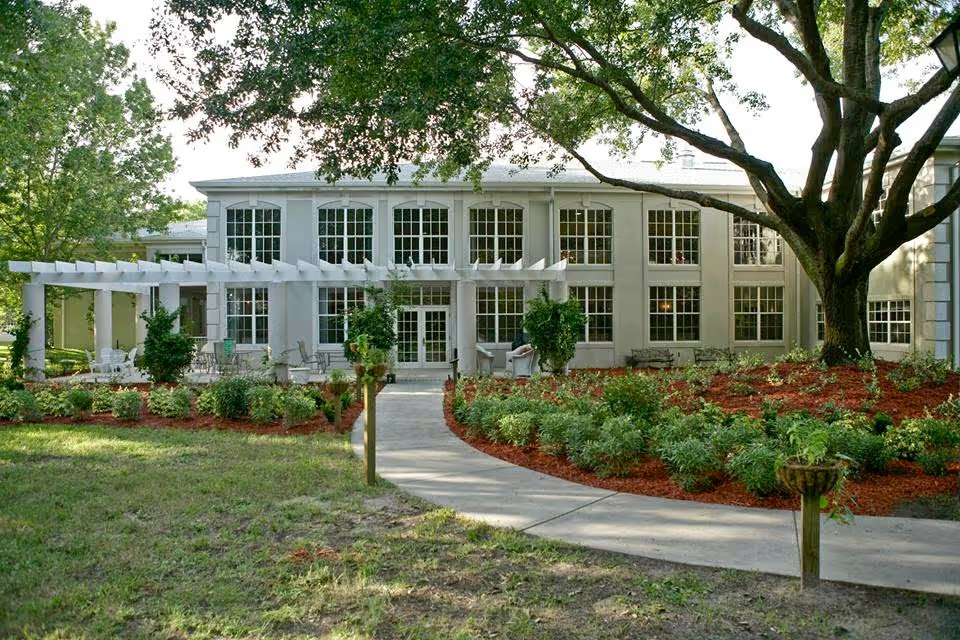
Overall impression: Volante of Dunedin (Grand Villa/Lakes references appear in community marketing and review context) presents as a well‑appointed assisted‑living community with substantial strengths in caregiving, amenities, and social programming, but with notable inconsistencies across operational areas. Many families describe warm, caring staff who provide attentive day‑to‑day support and strong relational continuity in several units. At the same time, reviewers describe variability in staff experience and turnover that can affect continuity of care and responsiveness.
Care and staff: The dominant theme across feedback is positive staff engagement. Families frequently praise compassionate, communicative caregivers, named staff members, and management that provides regular updates during transitions. There are numerous accounts of effective memory‑care programming and robust activity engagement for cognitively impaired residents. However, the reviews also indicate variability: some families reported inexperienced staff, language barriers, and episodes of poor responsiveness. Clinically relevant staffing concerns include uneven staff continuity and limited around‑the‑clock nursing coverage; prospective residents needing frequent clinical oversight should verify licensed nursing availability and staffing ratios.
Dining and nutrition: Dining is a mixed area. Many reviewers describe restaurant‑quality meals, varied menus, an onsite cafe, and a culinary use of garden herbs. Others cite inconsistent meal quality, menu deviations, and a desire for clearer nutritional information and more fresh/produce options. The pattern suggests a generally strong dining program with occasional lapses in consistency and menu execution; verify current menu planning, special‑diet accommodations, and processes for family feedback.
Activities and social life: Activity offerings are a clear strength: the community supports a broad calendar (bingo, movie nights, live entertainment, outings, trivia, chapel, social socials, and specialized memory‑care activities). Amenities such as a theater, game room, sundae shop/ice cream socials, and wellness center support socialization. Some ambulatory residents expressed a desire for additional higher‑intensity programming and more frequent off‑site outings, indicating that the activity mix may skew toward lower‑intensity or facility‑based events for parts of the population.
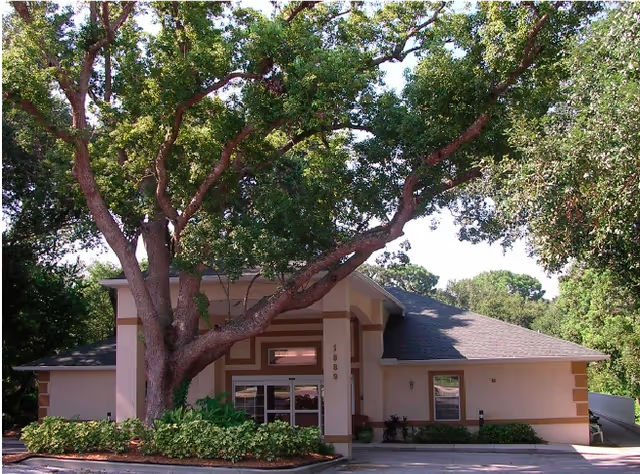
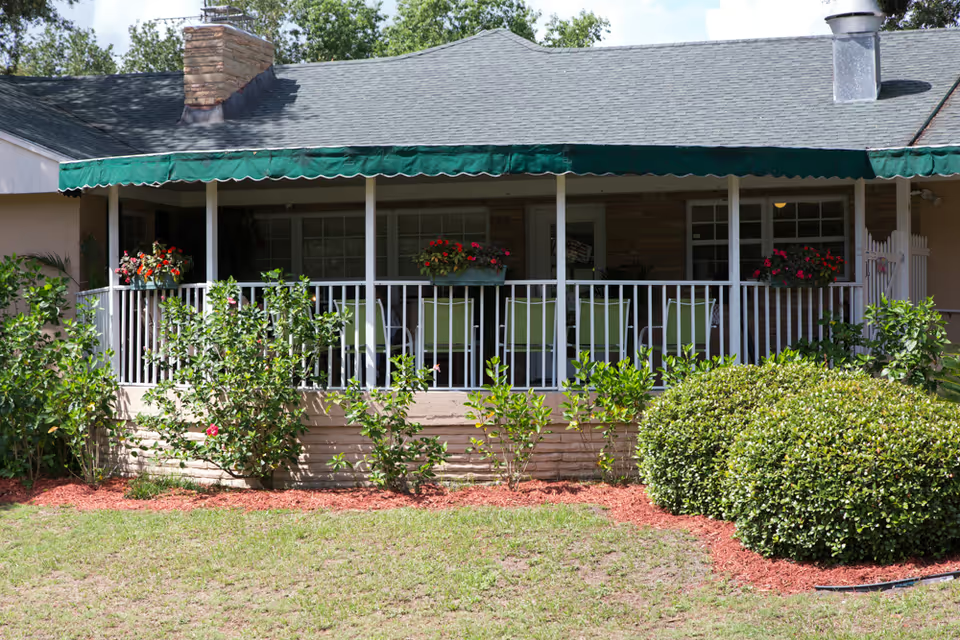
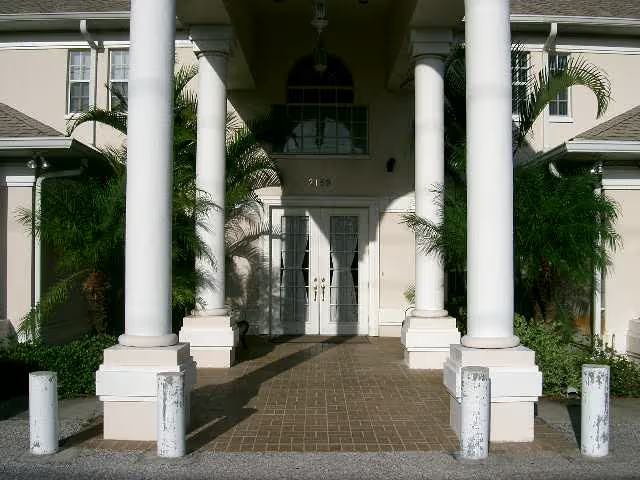
Facilities and accessibility: Many reviewers describe a clean, bright, and well‑kept environment with appealing outdoor spaces and gardens. At the same time, several comments call out building age, stained carpeting, dated rooms, and uneven renovation progress. Accessibility and safety concerns were raised — for example, lighting, door configurations that impede wheelchair flow, a lack of grab bars in some bathrooms, and rooms located on stair‑access only. Prospective residents with mobility limitations should confirm unit accessibility, grab‑bar presence, lighting levels, and elevator availability.
Management, administration, and finances: Management receives mixed feedback. Positive comments highlight responsive leadership, strong communication, smooth move‑ins, and supportive transition care. Conversely, a subset of reviews describe administrative communication lapses, billing disputes, and problems around discharge/placement processes. There are a few serious allegations concerning billing and eviction/discharge handling; these appear isolated within the broader dataset but are significant when they occur. Prospective families should request written explanations of billing practices, admission/discharge policies, grievance procedures, and evidence of recent regulatory or licensing actions.
Notable patterns and recommendations: The overall pattern is one of generally high relational care and strong amenity programs paired with operational variability in food service consistency, administrative communication, staffing continuity, and building condition. Experiences appear to differ by unit and by timing of stay or ownership changes. For prospective residents and families, targeted questions and on‑site checks are advisable: observe mealtime service, ask for current staffing ratios and nursing coverage hours, inspect accessibility features in the specific unit under consideration, request sample activity calendars, and obtain written billing and discharge policies. A tour that includes meeting direct care staff and attending an activity or meal will help determine whether the community’s current operational performance matches the positive majority of reports or reflects the operational gaps noted by other families.