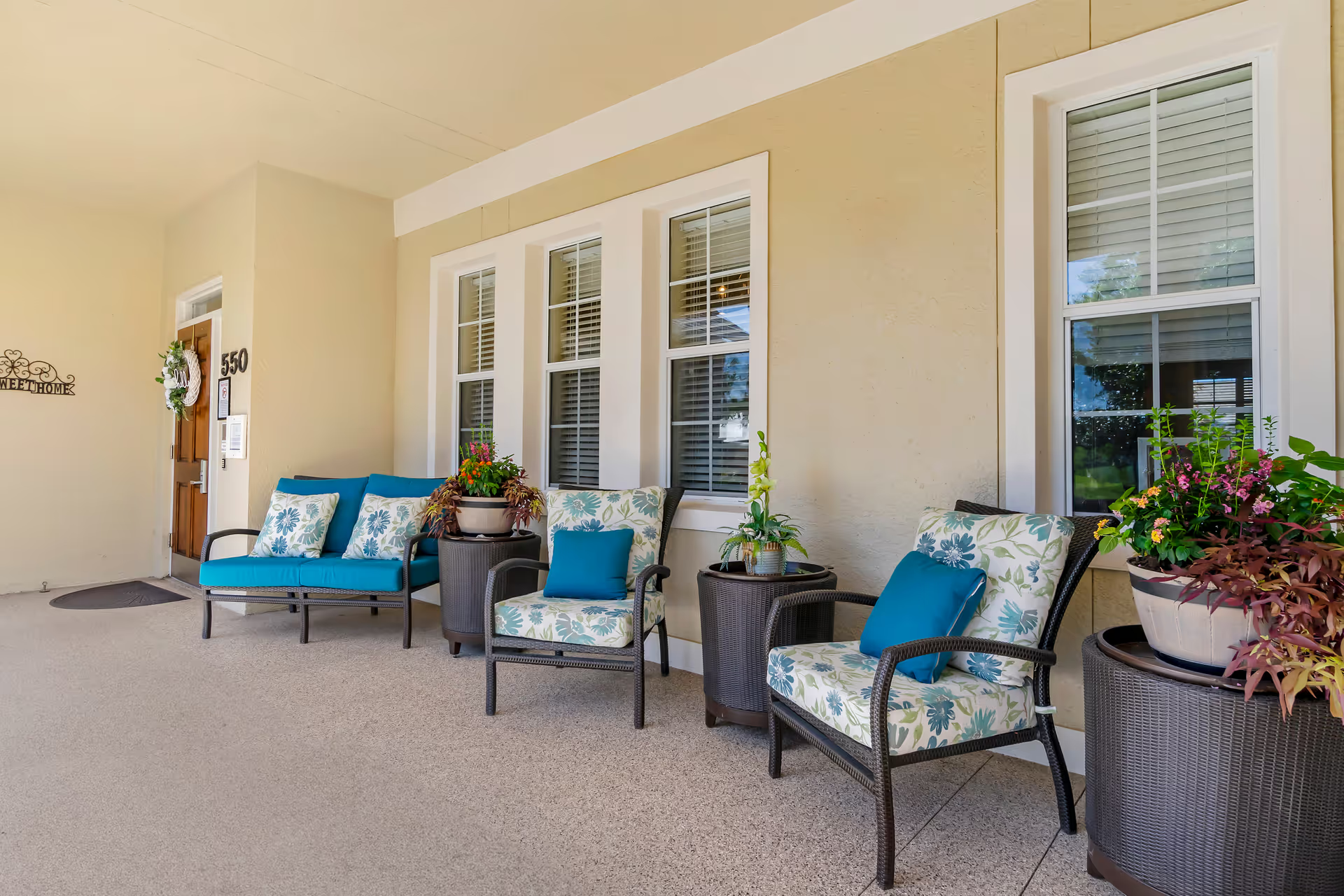
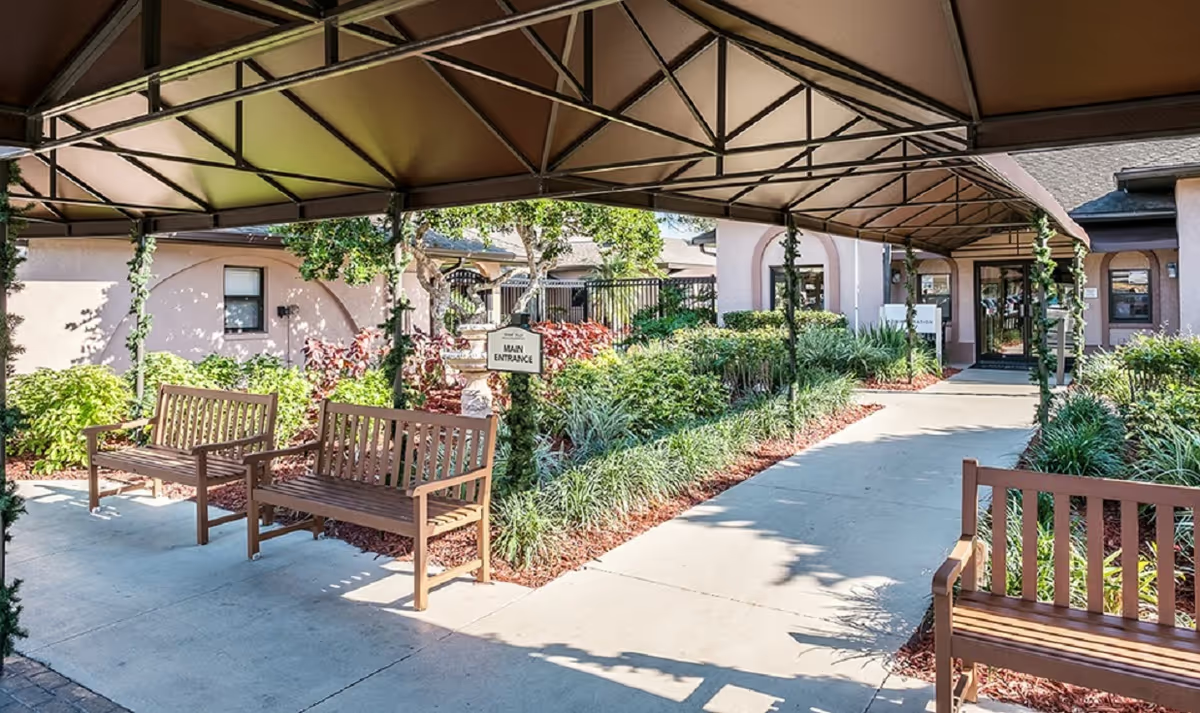
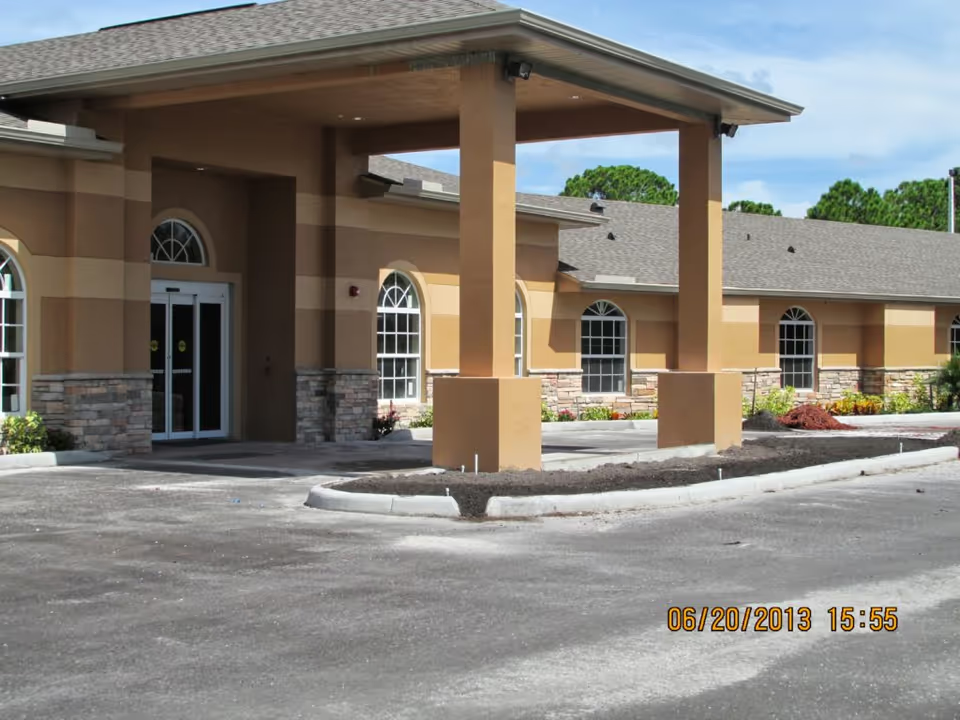
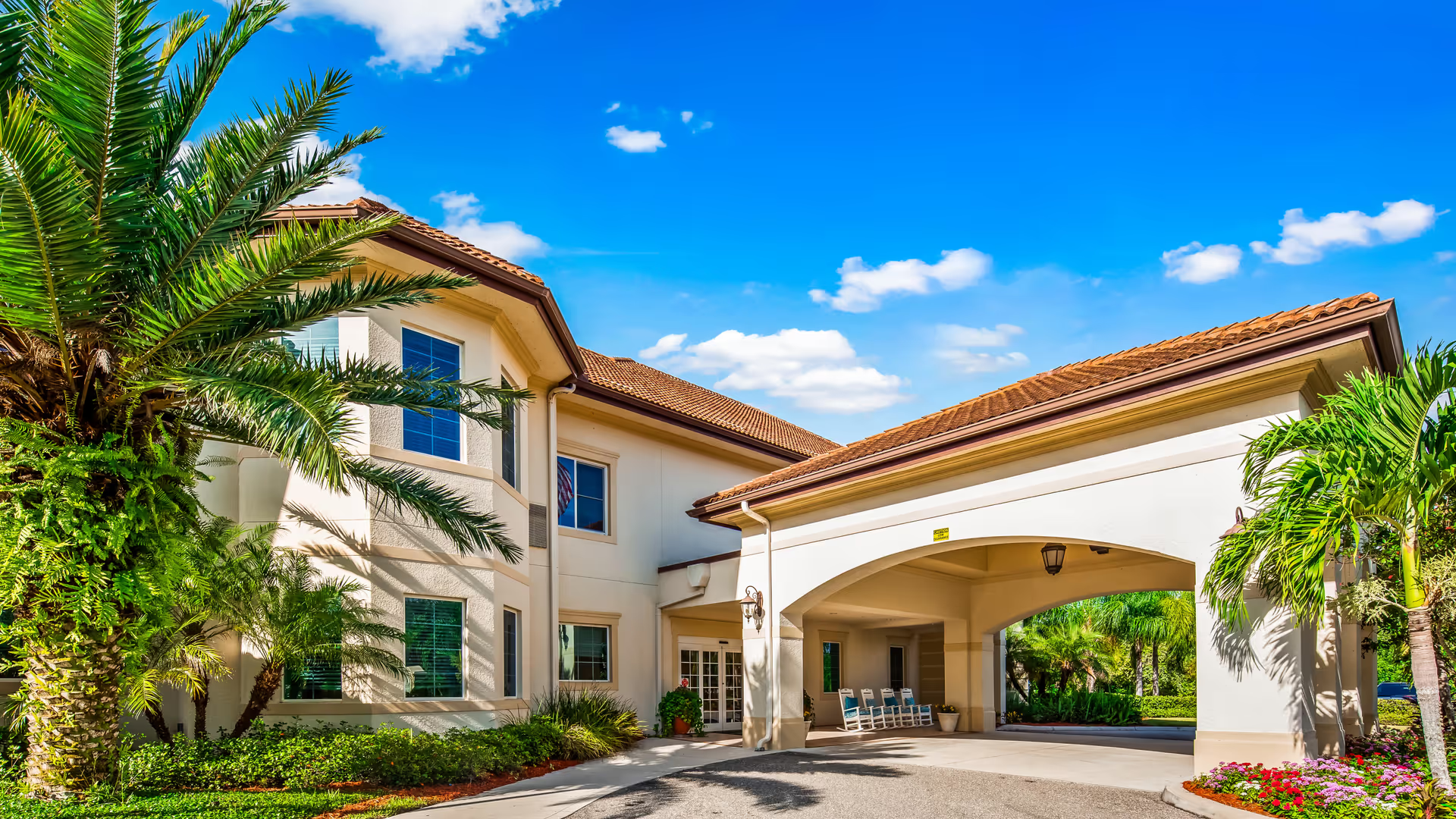
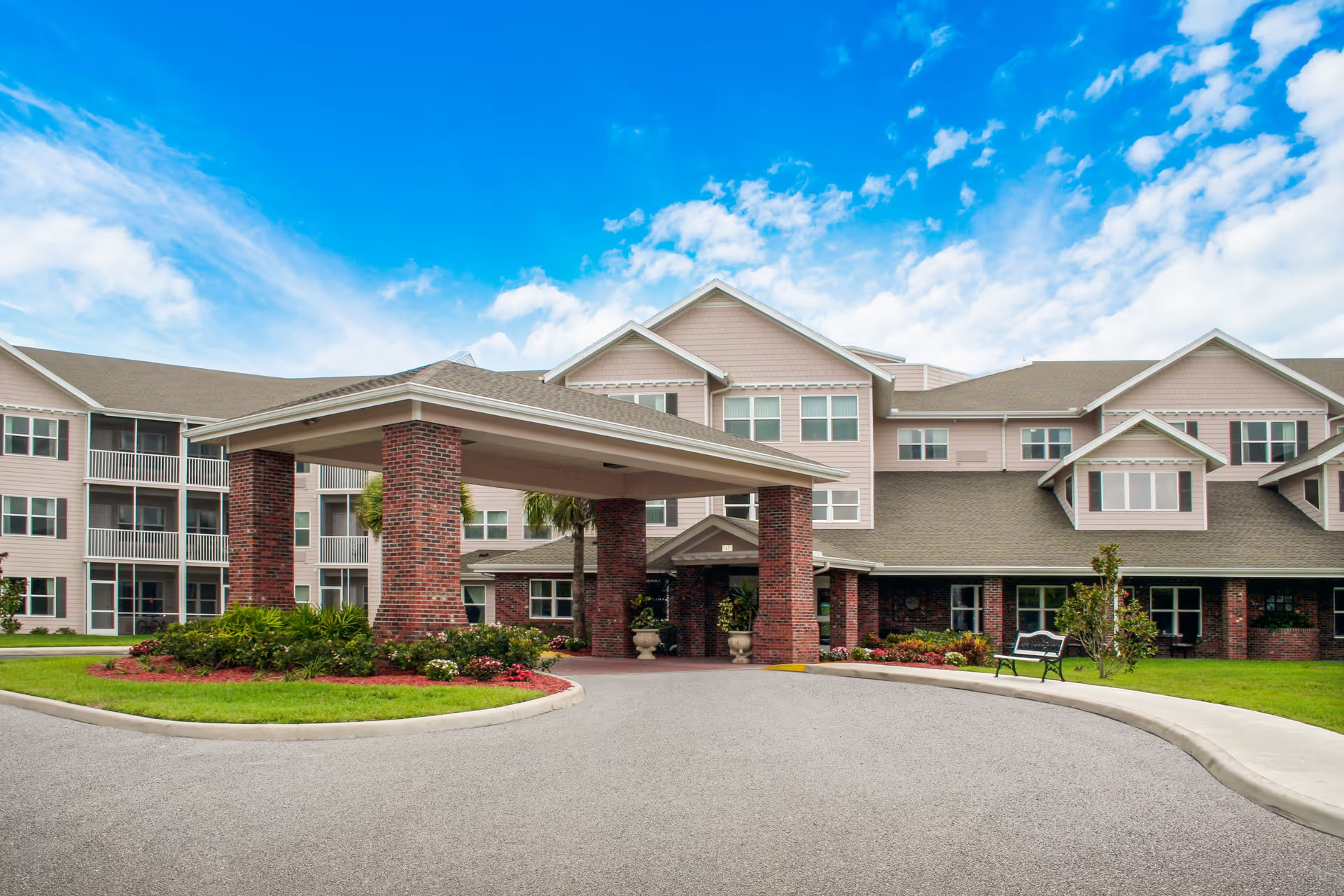
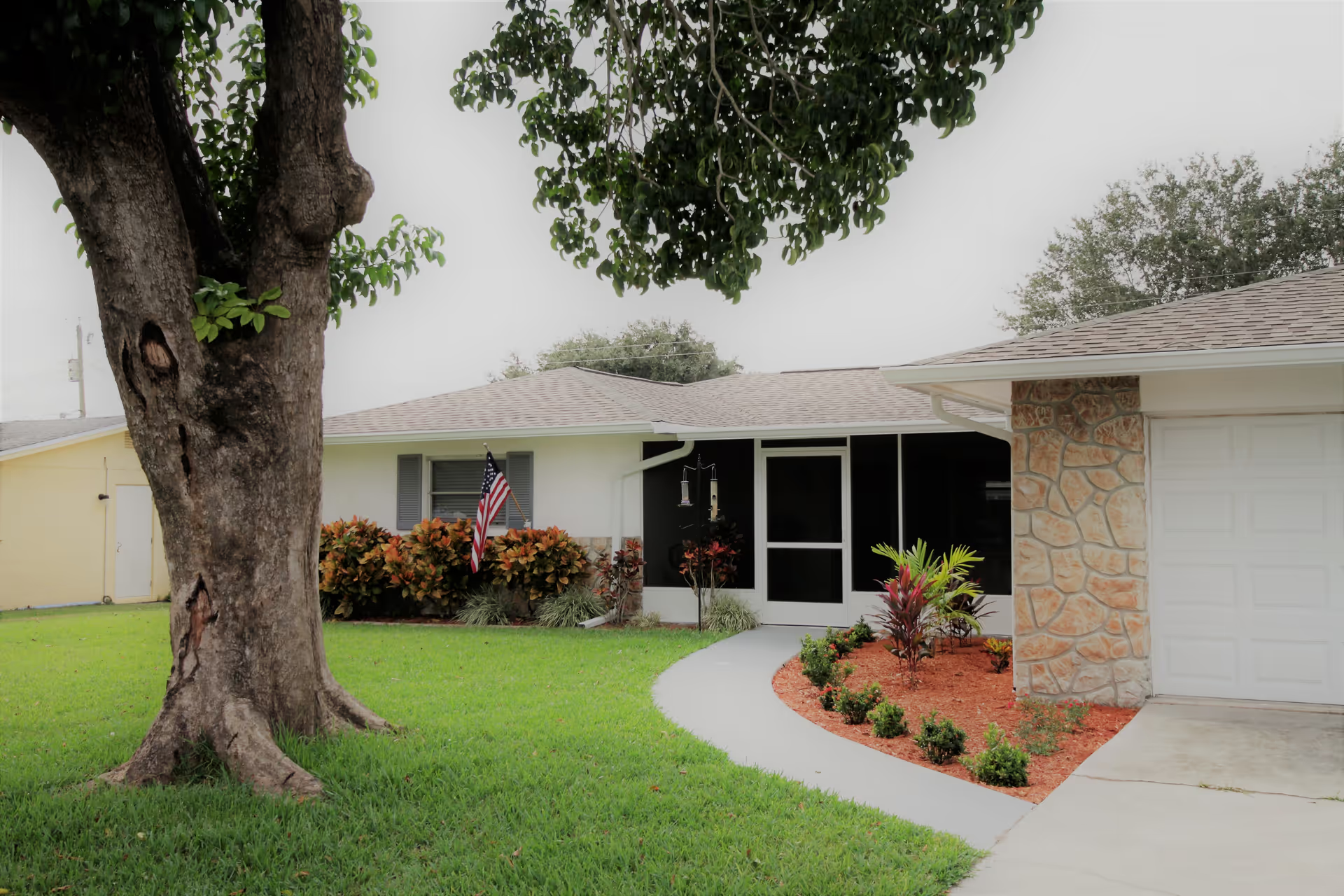
Heritage Oaks of Englewood presents as a largely modern, well-appointed senior living community with many families praising its cleanliness, design, and range of amenities. The physical plant is frequently described as bright, spacious, and freshly furnished; common areas, outdoor courtyards, and multiple activity spaces are strong features. On-site services such as salon, therapy (PT/OT), a bistro, theater, and library contribute to a resort-style environment and are repeatedly noted as positives.
Staffing and direct care receive substantial positive feedback: many accounts describe caring, attentive CNAs and nurses, strong hands-on engagement from activity staff, and knowledgeable nursing leadership. Memory-care programming is explicitly praised in numerous comments for individualized plans, cognitive stimulation, and a home-like setting. Families often highlight transportation services, routine housekeeping and laundry, and a robust activity calendar (bingo, music, social hours, outings, exercise classes) as contributors to resident quality of life. The dining program is commonly commended for variety, chef-driven menus, and special accommodations, though perceptions of meal quality are not uniform.
Notable patterns of concern emerge alongside these strengths. A subset of families raised significant care-related issues that translate into operational themes: delays in personal-care assistance and incontinence-care support; inconsistent medication administration and follow-up; and gaps in clinical-incident response and family communication—particularly after falls or emergency transfers. These issues appear linked in some accounts to staffing variability and retention challenges. Memory-care experiences are uneven across reports: while many families praise the unit and its leadership, others describe inconsistent leadership or practices that reduced confidence in that level of care.
Operational and administrative concerns also recur. Some families expressed dissatisfaction with perceived favoritism or management decisions, and there are mentions of extra costs or expectations around furnishing apartments that affect perceived value. A number of reviewers called out vulnerabilities to service continuity during severe weather or facility-wide disruptions, though staff dedication during emergency response was also highlighted positively in many accounts.
Overall, Heritage Oaks offers a well-maintained environment with a broad activity program, accessible therapy services, and many highly regarded frontline caregivers and managers. Prospective residents and families should prioritize an in-person assessment focusing on: current staffing ratios and turnover, memory-care leadership and protocols, medication-administration and incident-response procedures, specific meal-service practices (temperature and consistency), emergency-preparedness plans, and any additional costs or furnishing requirements. Speaking with current family contacts and observing care routines at different times of day can help determine whether the community’s strengths align with an individual resident’s clinical and social needs.