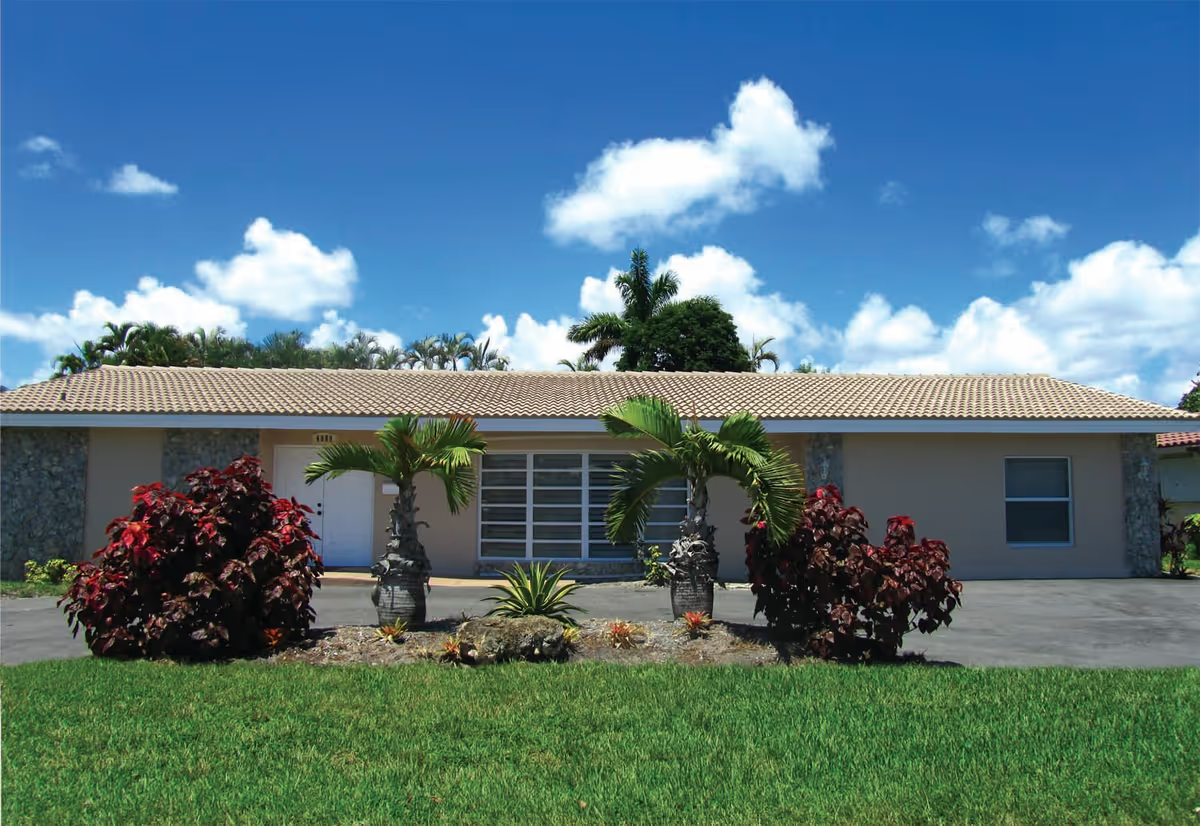
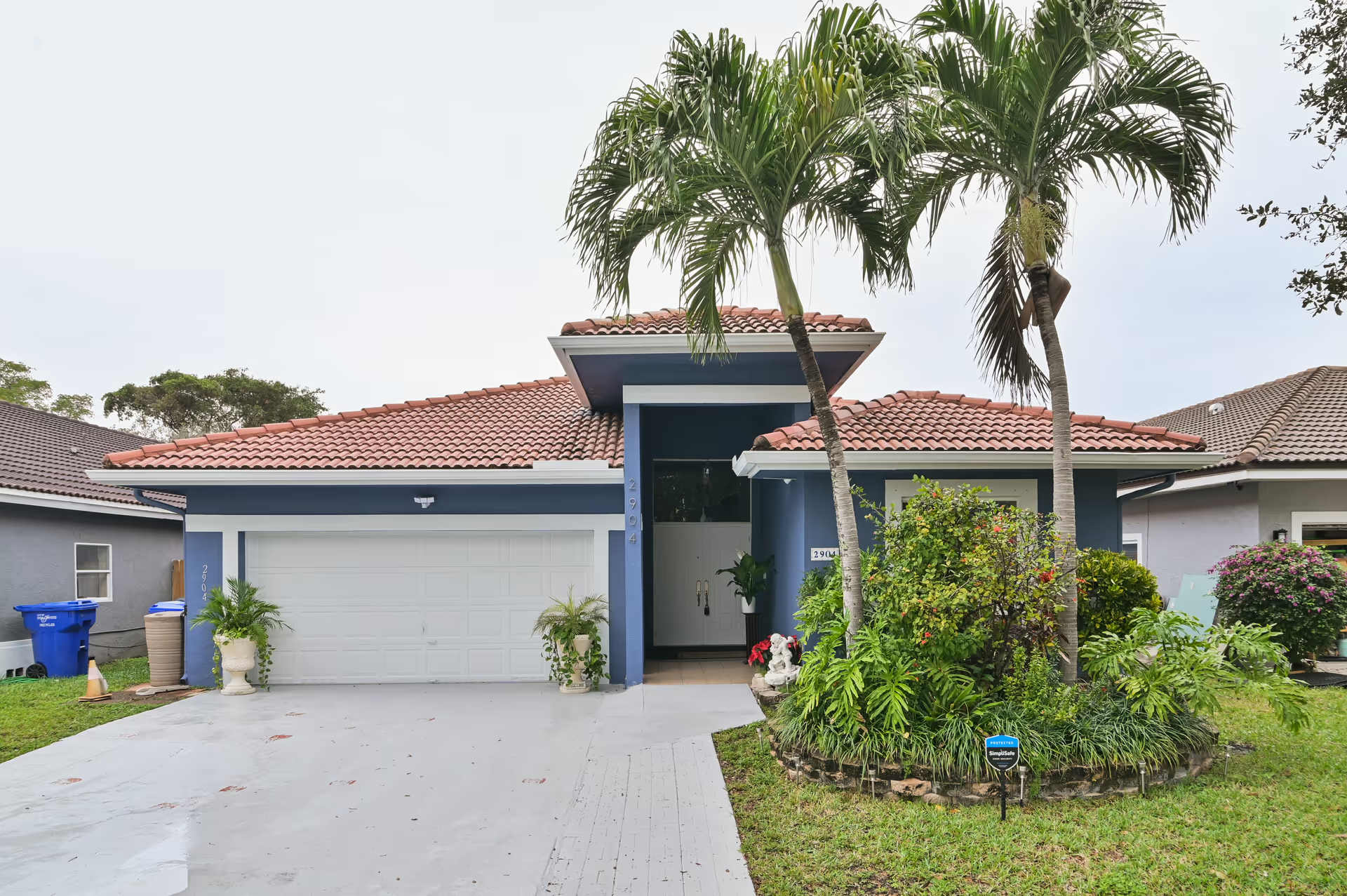
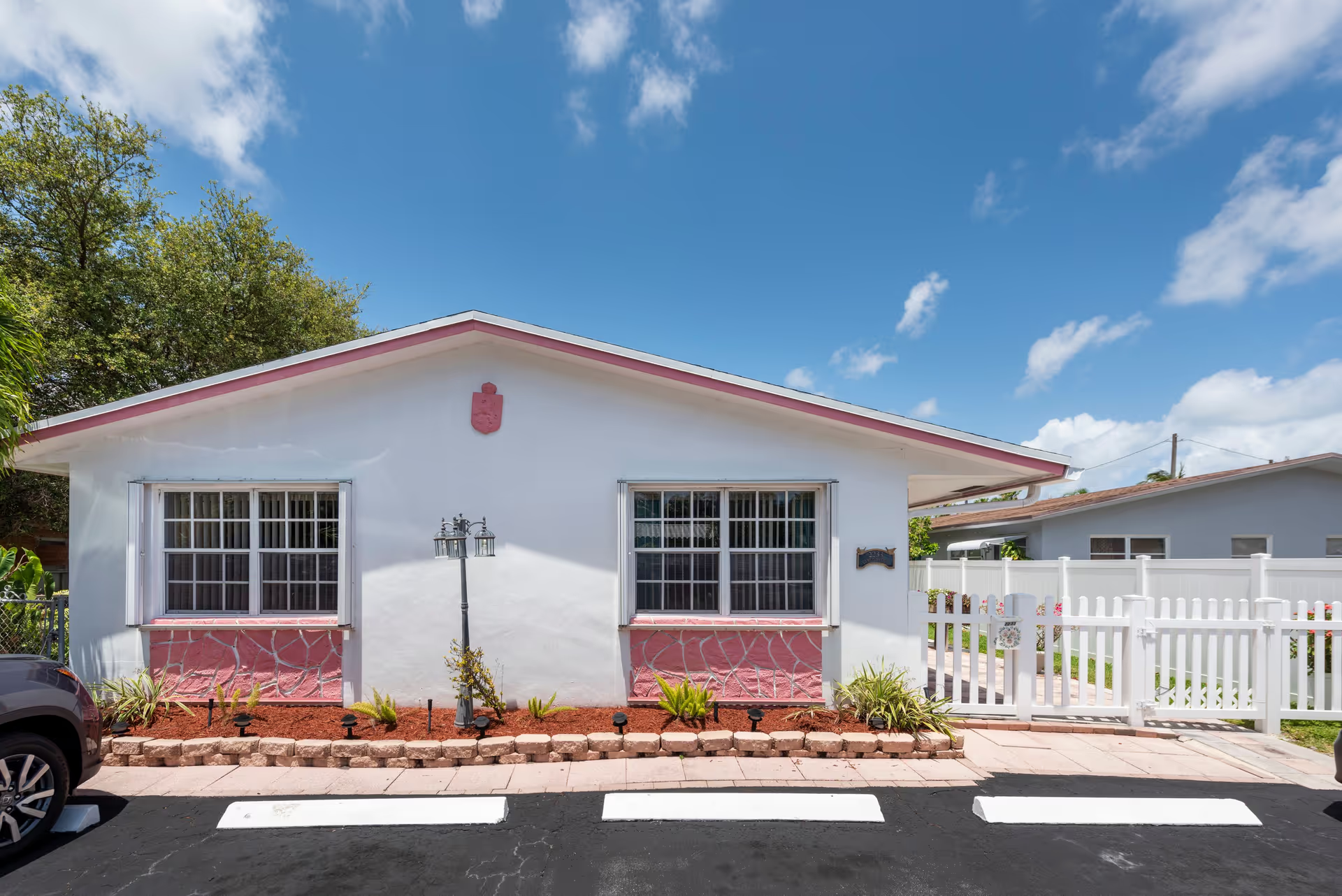
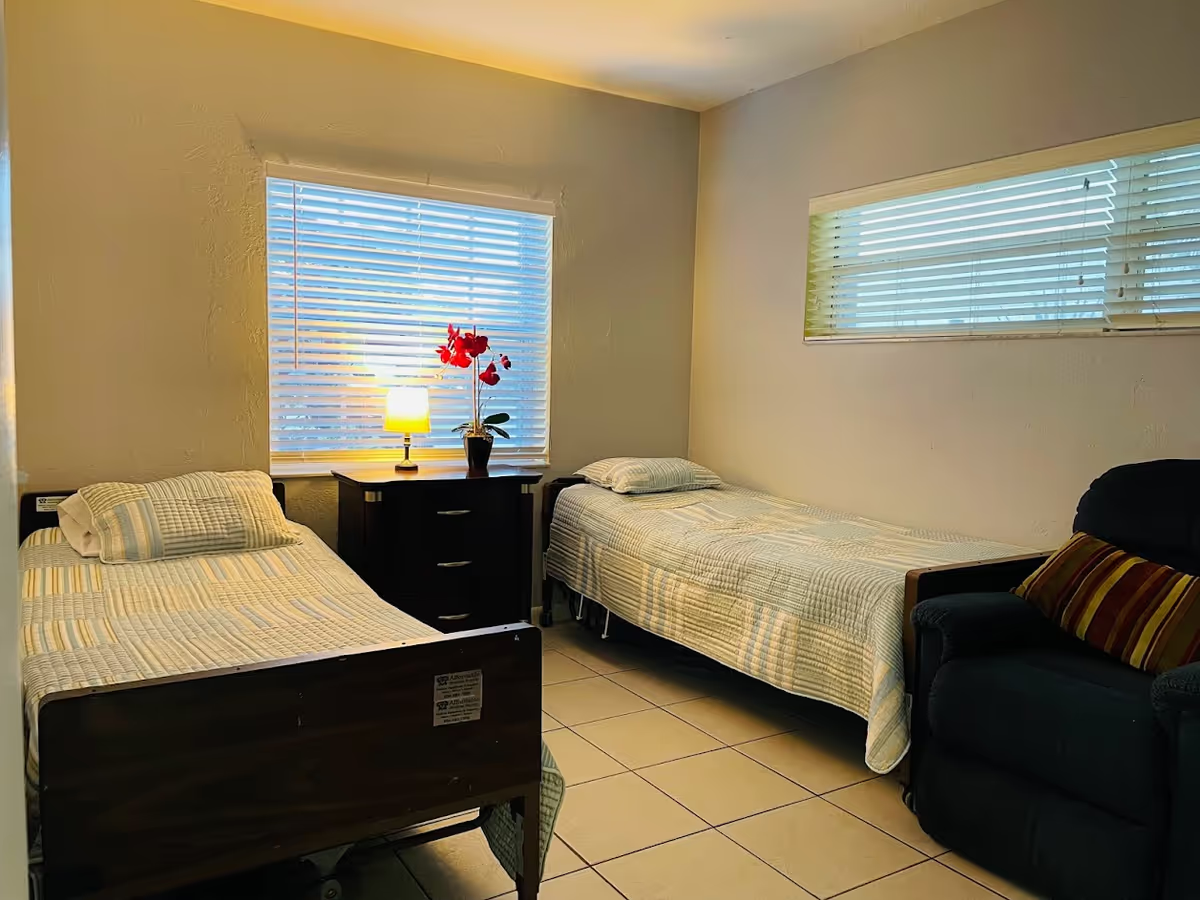
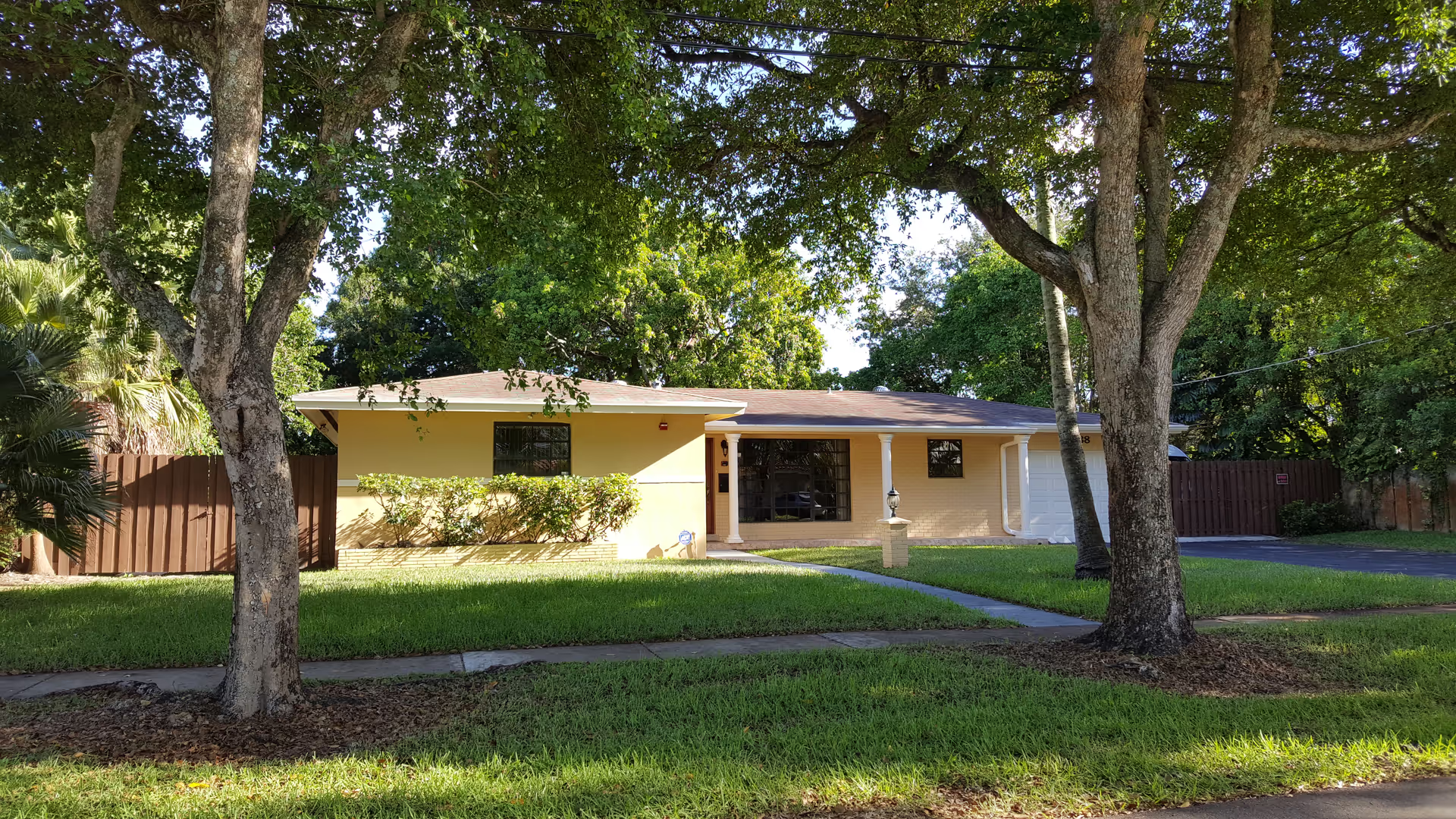
Avon Manor presents as a small, home-style residential care setting with a consistent emphasis on a quiet, safe, and well-maintained living environment. Physical features and upkeep are frequently noted positively: recently remodeled spaces, bright rooms, clean bathrooms and parlors, a patio with waterway and garden views, and a fenced outdoor area that supports safe outdoor access. The facility’s scale and layout create an intimate atmosphere that many families find comfortable and reassuring.
Care and staffing appear to be a central strength. Caregivers are described as available around the clock, polite, and kind, and several accounts reference reliable, supportive interactions. The owner-manager’s hands-on role in hiring and training staff is a notable operational characteristic and appears to contribute to consistent day-to-day staffing. That said, the small-house staffing model also implies limits in clinical depth: while caregivers are described as dependable for routine needs, the setting is not positioned as a high-acuity or specialized memory-care environment.
Dining and daily life are oriented toward a family-style, unpretentious approach. Meals are described as satisfying and homey, with sensory positives such as pleasant baking aromas. The facility emphasizes basic comforts and communal dining rather than extensive recreational programming. The intimate size supports close social interaction among residents, but it may also limit the variety and intensity of structured activities available compared with larger communities.
Management and administrative interactions show mixed patterns. The owner-manager’s direct involvement in staffing and training is a management strength, and visitation is described as welcoming. Areas for improvement include clearer, more proactive communication about financial expectations and billing; unclear financial guidance was cited as a concern. Language accessibility is another operational limitation—Spanish-speaking staff are not available, which could hinder communication for Spanish-preferring residents and families.
Overall, Avon Manor is best positioned for prospective residents who value a small, affordable, home-like setting with dependable caregiving and a family-style atmosphere. It is less well suited for individuals who require specialized dementia programming, frequent clinical interventions, or multilingual staff support. Families should weigh the facility’s strengths in cleanliness, interpersonal care, and proximity to relatives against its limited scope for higher-acuity memory care, potential administrative communication gaps, and constrained activity options due to its small-house model.