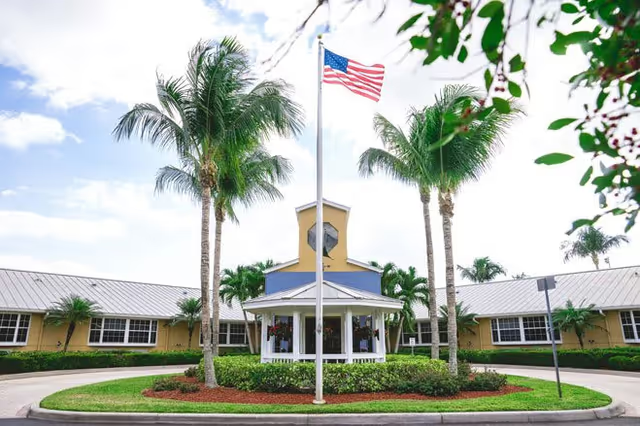
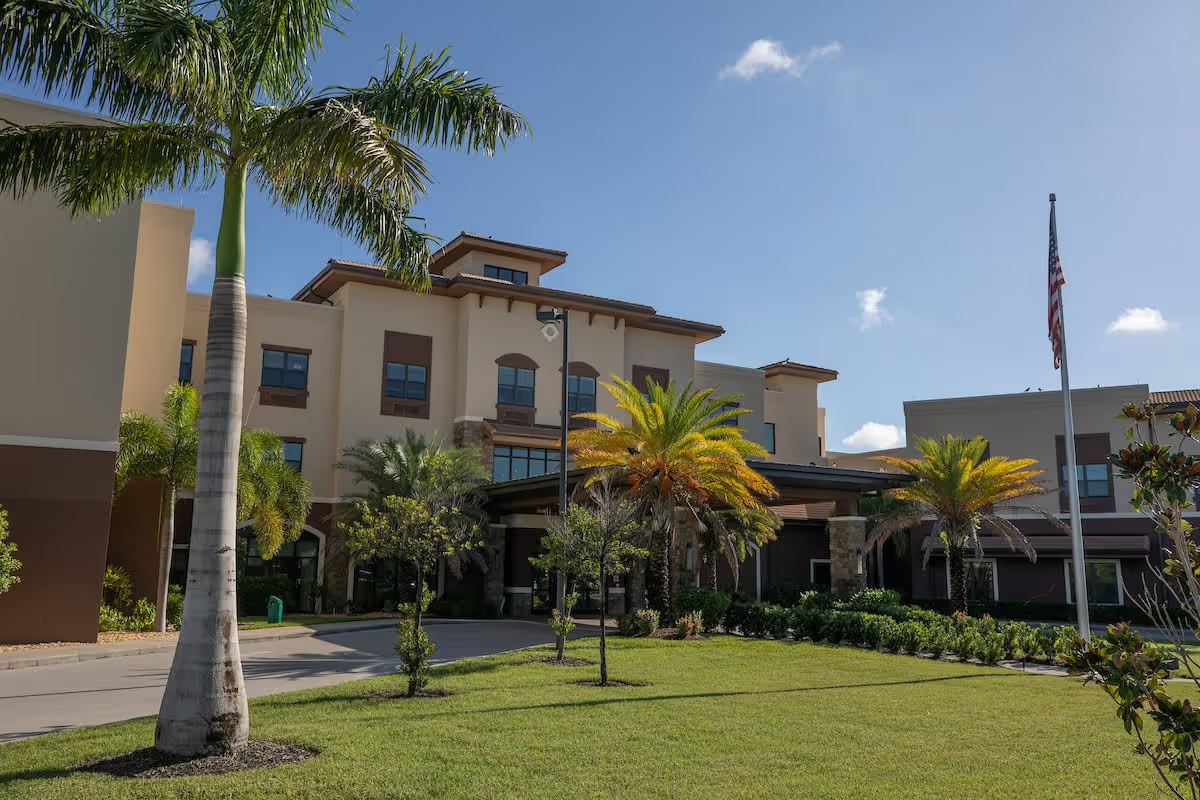
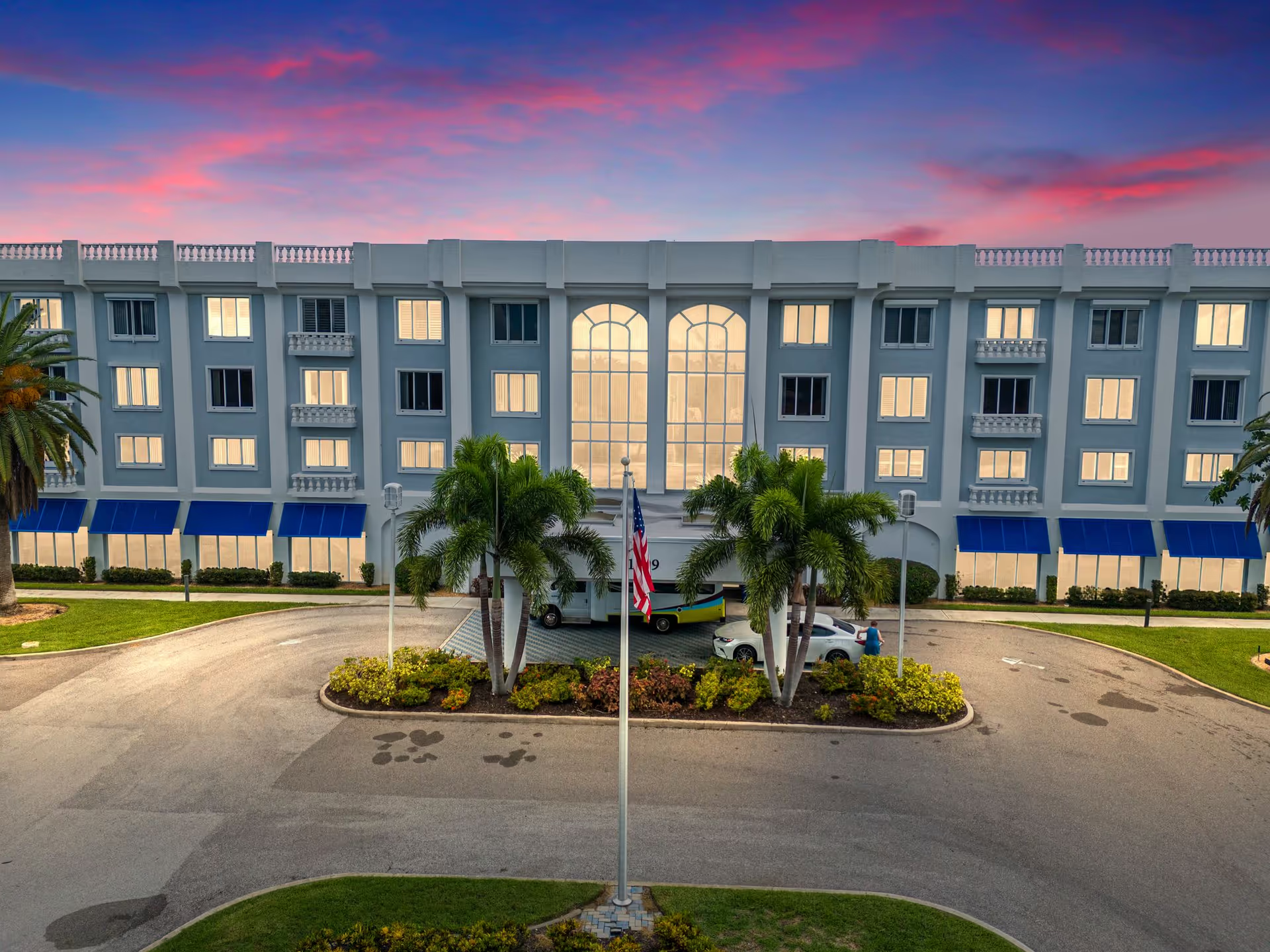
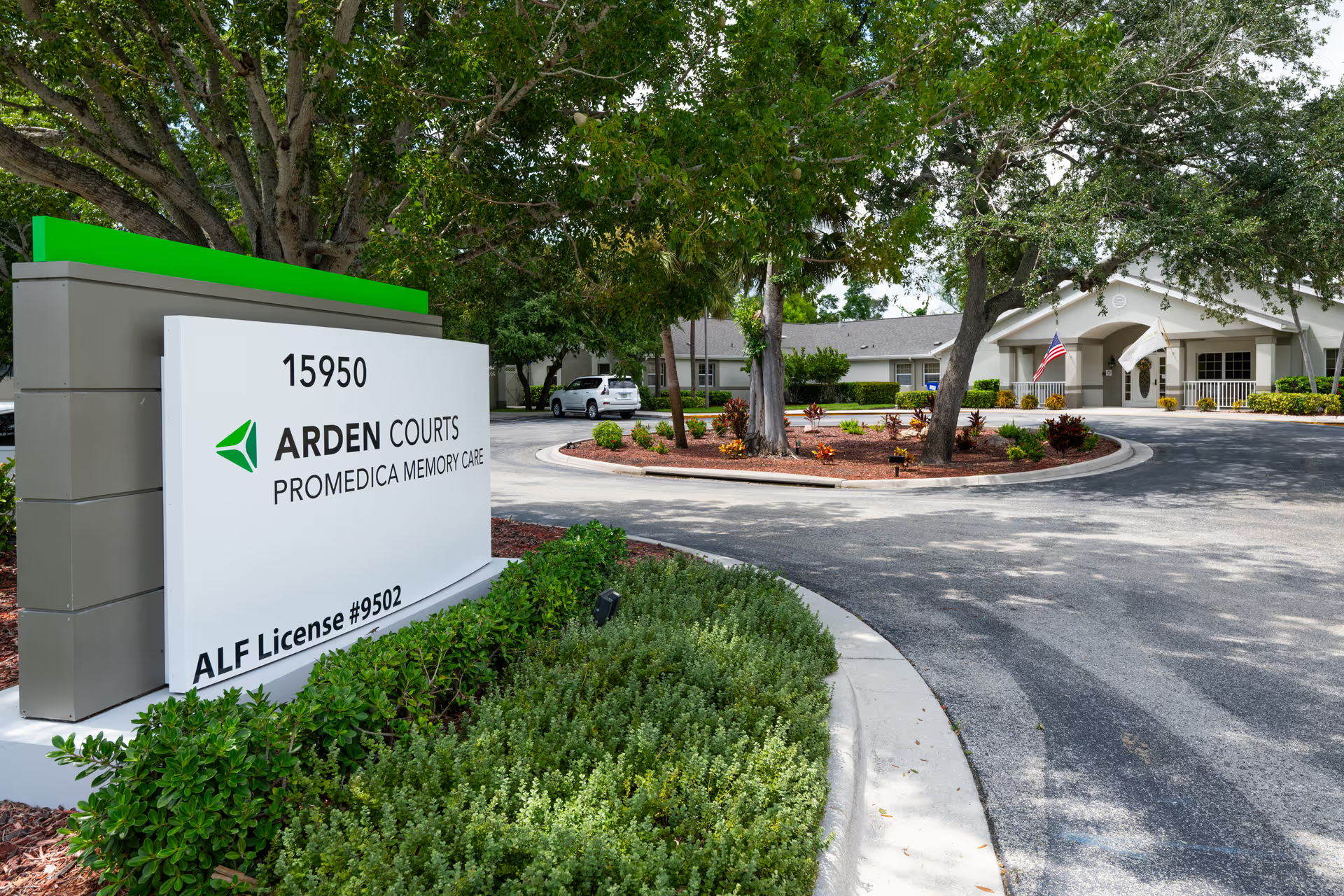
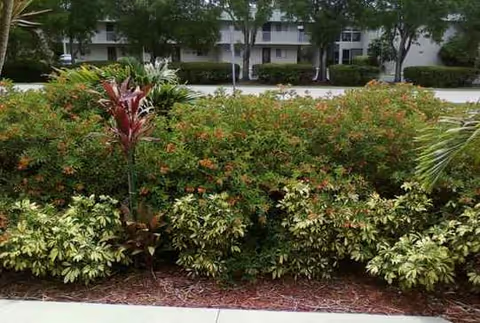
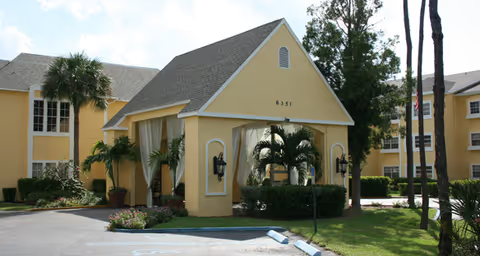
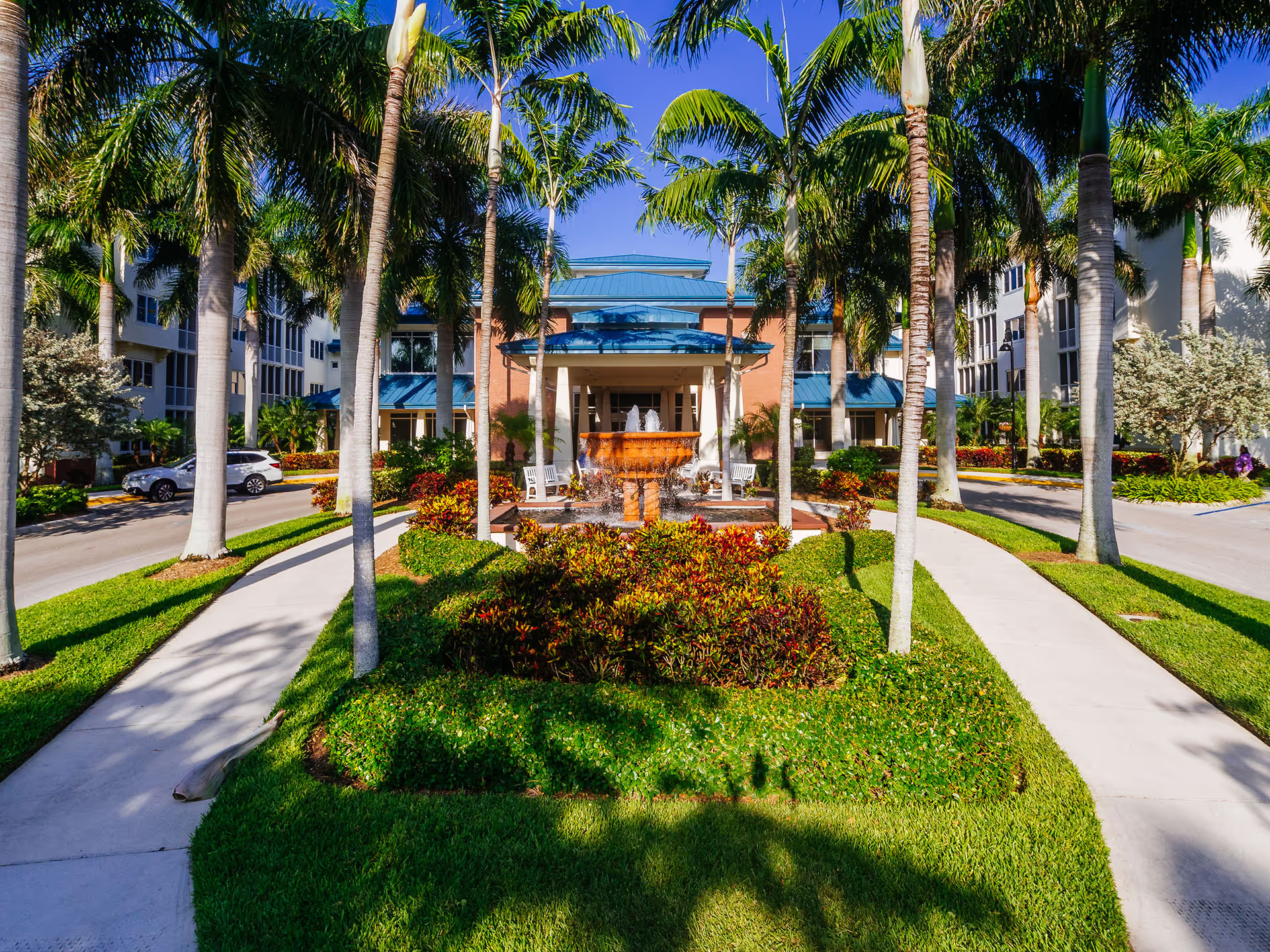
Cypress Cove presents as an upscale, established senior-living campus with extensive amenities and a broad continuum of services. The community is consistently described as attractive and well maintained, with acres of grounds, walking paths, fountains, indoor pools, fitness facilities, woodworking and craft spaces, and multiple dining venues. Housing ranges from spacious two- and three-bedroom apartments to villas and cottages; many units feature upgraded finishes, granite countertops, and in-unit laundry. The campus model includes on-site rehabilitation and a medical clinic, and the location near a hospital and physician offices is a commonly cited convenience.
Dining and activities are among the facility's strongest features. Multiple on-site restaurants, formal and informal dining rooms, and frequent menu variety (including homemade items and extended dining hours) draw repeated praise. The campus also offers an extensive calendar of social, cultural, and recreational programs — card games, bridge, bocce, arts and crafts, music and singing groups, baking, shopping trips, and theater outings — supported by an engaged activity director and resident clubs. Transportation services and accessible community programming support an active independent-living population.
Care and staffing present a mixed picture. Reviewers praise many frontline caregivers, therapists, and long-term staff for compassion, skill, and responsiveness; rehabilitation and therapy services receive specific commendation. At the same time, there are recurrent concerns about inconsistent clinical care quality across units and shifts, periods of understaffing or inexperienced staff, and observable gaps in medication-administration and pain-management processes. These operational weaknesses have been associated with delayed responses to care needs and variability in the level of one-on-one attention provided.
Administrative and communication issues are another recurring theme. Families describe uneven responsiveness from management and front-desk staff, long initial wait times during intake, difficulty reaching decision-makers, and occasional delays in financial or refund processing. Some reviews also note limited transparency around staff contact pathways and a perception that complaint or escalation channels are not always straightforward for families, particularly those remote or out-of-state. Dining-service limitations are also noted: while food quality is strong, there are constraints around dietary accommodations and meal-service flexibility for some residents.
Taken together, Cypress Cove is best characterized as a high-amenity, higher-cost community that excels in environment, dining, programming, and rehabilitation services. Prospective residents and families should weigh the strong lifestyle offerings and medical proximity against the facility-level concerns: confirm current staffing levels and supervision models, ask about medication- and pain-management protocols, verify dietary-accommodation capabilities, and review administrative/financial policies (entry fee, monthly charges, and refund procedures). A focused tour that includes conversations with clinical leadership, the dining director, and current residents can help clarify whether the facility’s operating practices align with an individual’s care needs and expectations.