Overview This collection of reviews describes a facility with a mix of materially positive experiences and significant operational weaknesses. Several reviewers praised individual caregivers, therapists, and certain support staff for professionalism, compassion, and effective rehabilitation outcomes. At the same time a recurrent pattern emerges around staffing, responsiveness, and facility upkeep that has affected families’ confidence in care continuity.
Care quality and clinical management Clinical experiences vary. Positive notes include instances of attentive nursing, effective short‑term rehabilitation, and strong physician or emergency clinician performance. However, recurring operational concerns include delayed medication administration, inconsistent assistance with bathing and toileting, and limited supervision on some shifts. These delays and inconsistencies have led families to question medication management, wound and skin‑care oversight, and the reliability of assistance with activities of daily living. Therapy outcomes are mixed: some patients experienced meaningful progress, while others described therapy as ineffective or poorly coordinated.
Staff behavior and culture Staff behavior is described as heterogeneous. Many reviewers singled out specific staff members and teams for praise — front‑desk personnel, certain nurses, and therapists received repeated positive mentions. Conversely, other reviews describe inattentive or discourteous conduct, perceived cliques, distractions during shifts, and uneven supervision, particularly at night. The net impression is a workforce in which individual performance can be strong but where cultural and supervisory inconsistencies contribute to variable resident experiences.
Dining and nutrition Dining experiences are inconsistent. Some families appreciated well‑prepared meals and rehabilitation‑focused nutrition, while others encountered frozen or unappetizing meals, limited fresh fruit, and delays in providing requested protein supplements. Diet management and meal quality appear to vary by unit or time period, suggesting gaps in kitchen consistency and individualized dietary follow‑through.
Activities, amenities, and therapy services The facility offers rehabilitation‑oriented programming and some amenities such as limited spa access and therapy services that benefit short‑stay patients. Reviewers noted positive therapy interactions and successful short recoveries for certain residents. At the same time, access to amenities may be limited (designated shower days, limited spa frequency), which may affect residents seeking a higher level of restorative or leisure services.
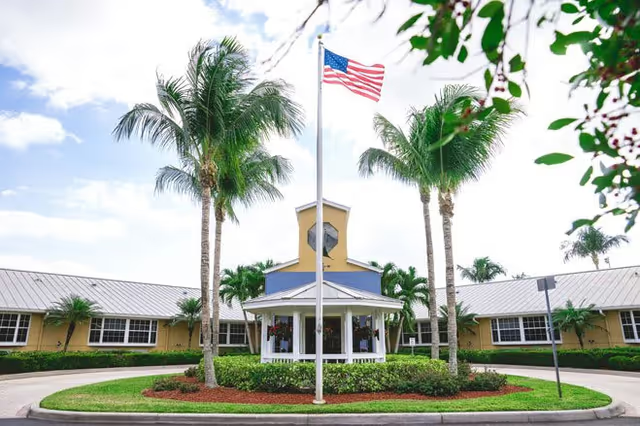
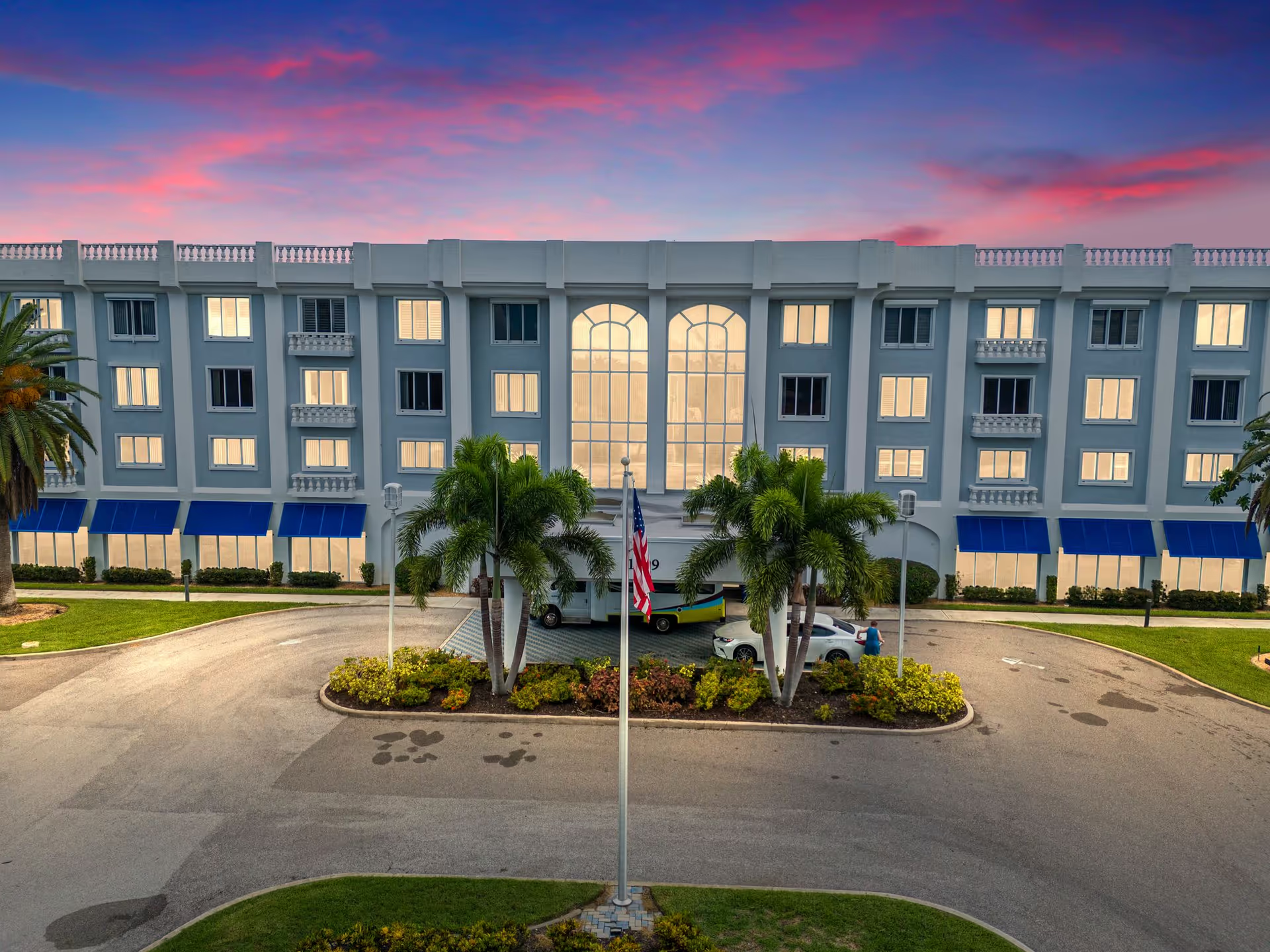
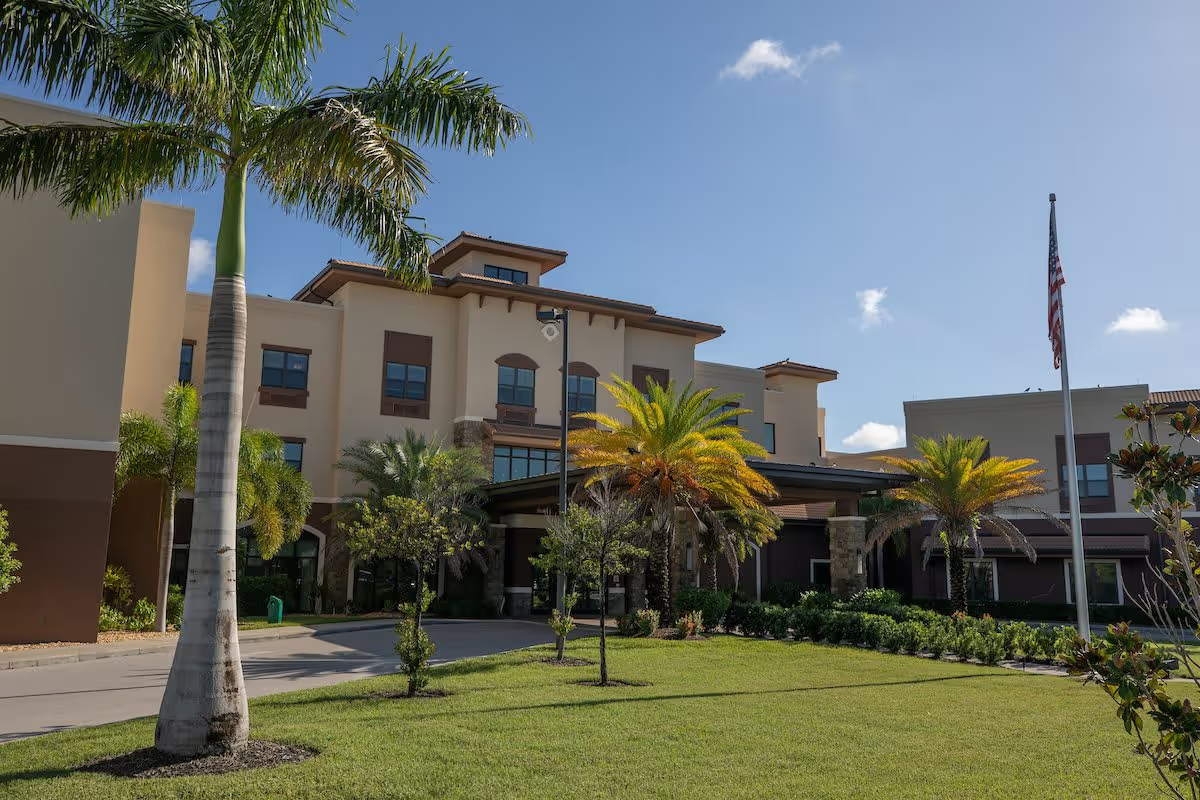
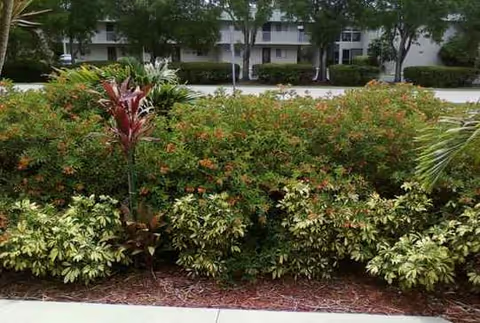
Facilities, sanitation, and safety Facility condition reports are mixed. Several reviewers described well‑maintained grounds, clean units, and comfortable rooms with natural light. Others raised concerns about dated infrastructure, small bathrooms, temporary repairs, odor concerns, pest‑control issues in some areas, and general maintenance deficits such as peeling paint. Safety concerns included roommate assignments, noise and disruption in shared rooms, and inconsistent supervision, which some families linked to increased risk for adverse events.
Management, communication, and discharge processes A common theme is variability in management and communication. Families praised individual staff who provided clear guidance and comfort, but many reported poor coordination during discharge, case‑management difficulties, and frustration obtaining timely clinical updates or arranging appropriate follow‑up care. A small number of reviews referenced privacy concerns and regulatory complaints; these are individual, serious matters that prospective families may wish to explore directly with facility leadership.
Notable patterns and guidance for prospective families The overarching pattern is high variability: strong individual caregivers and successful short rehabilitation outcomes coexist with systemic issues around staffing, responsiveness, sanitation, and facility maintenance. Prospective residents and families should consider confirming current staffing ratios (especially overnight), medication‑administration protocols, infection‑control and housekeeping practices, roommate assignment policies, and the facility’s approach to family communication and discharge planning. Asking for recent inspection reports, current therapy staffing and outcomes, and references to specific nurses or therapists who received praise can help identify whether the positive elements described in reviews are consistently present.
Conclusion Lee Health Skilled Nursing Facility – HealthPark Medical Center demonstrates clear strengths in individual caregiver performance, rehabilitation capability, and some aspects of housekeeping and physician care. However, persistent operational weaknesses — especially inconsistent staffing, responsiveness, medication timing, variable dining, maintenance concerns, and uneven communication — have materially affected some residents’ and families’ experiences. These mixed signals recommend a careful, up‑to‑date evaluation by prospective residents and their families before admission, with targeted questions about the specific areas outlined above.