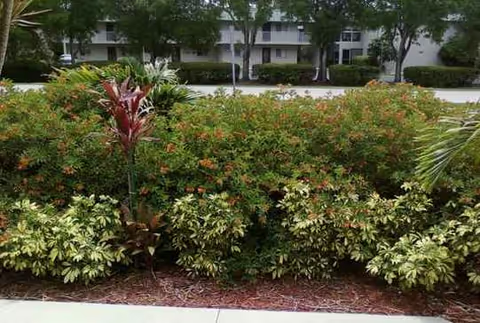
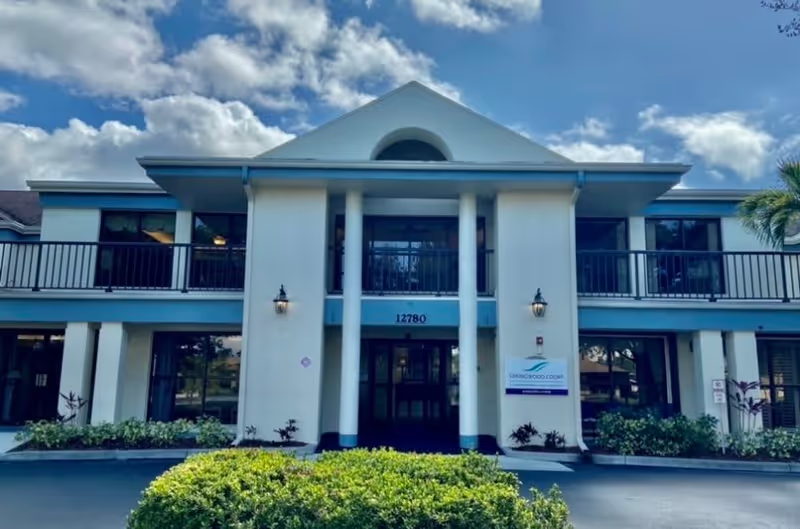
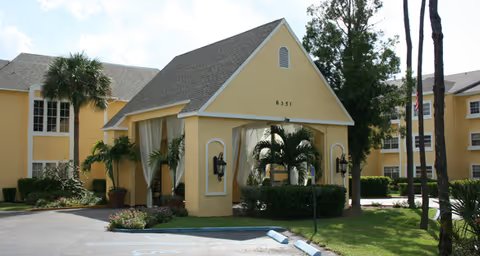
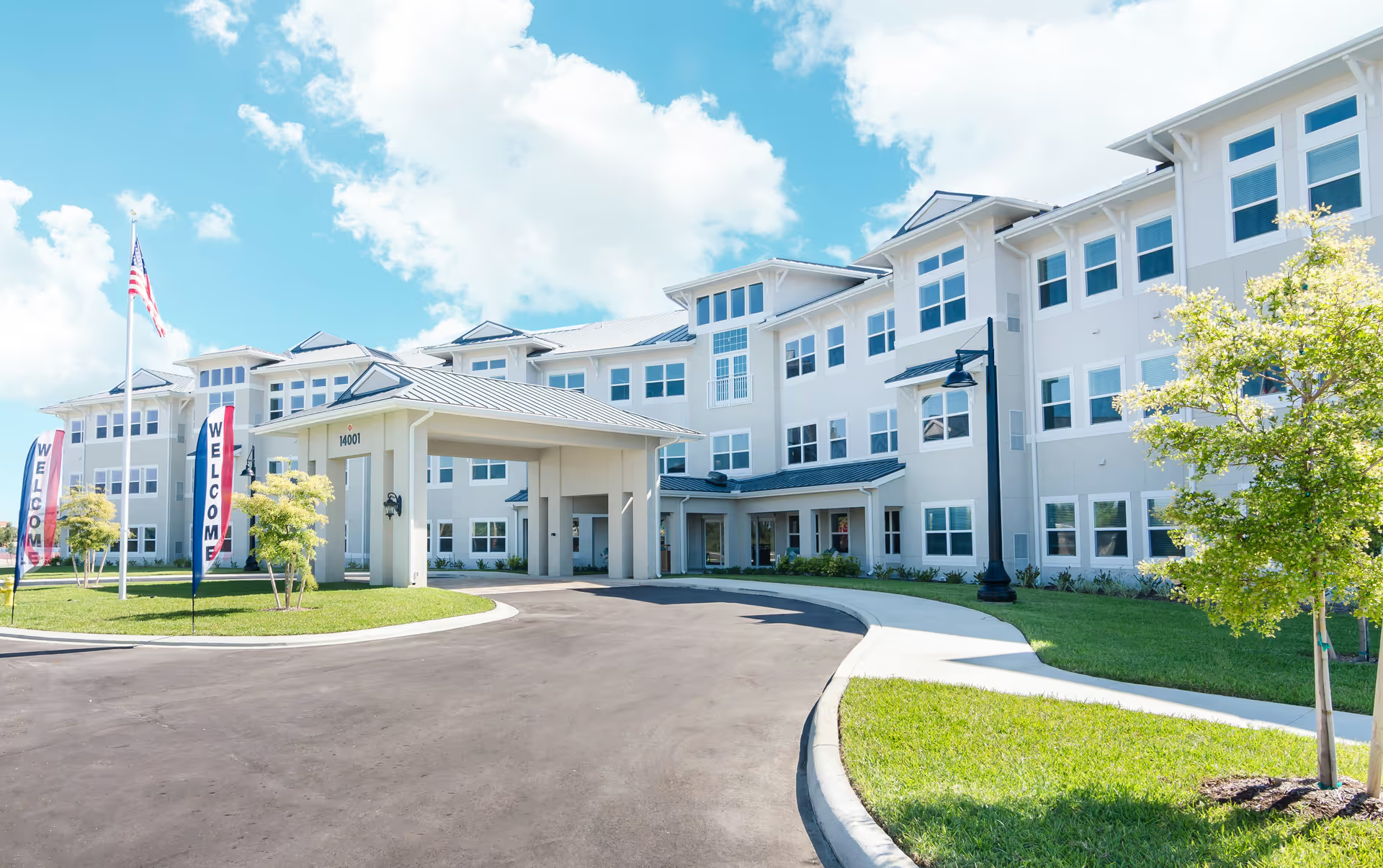
The Opal at Lakes Park presents as a small, community-oriented senior living option with several recurring strengths. Most reviewers emphasize compassionate, friendly staff and a family-like atmosphere; many families highlight specific employees (including executive and community-relations personnel) as helpful and engaged. The physical environment is regularly described as clean and well maintained, with pleasant common areas, a courtyard/garden, outdoor walking spaces, and a coded entrance that contributes to residents’ sense of safety. Move-in assistance and transition support are repeatedly cited as positive, and the community’s size and homelike touches are appealing to residents who prioritize close social connections.
Care quality and staffing show a mixed but predominantly positive pattern. Numerous families describe attentive caregiving, respectful treatment, and a high standard of day-to-day assistance that provides peace of mind. At the same time, reviewers identify variability in staff performance and continuity; some families report excellent clinical oversight while others raise concerns about medication handling, responsiveness, and a decline in perceived attention after ownership changes. A small subset of reviewers raised serious concerns following a resident’s death and questioned aspects of clinical oversight and family communication. These reports suggest unevenness in clinical practice and indicate the importance of confirming current staffing levels and clinical capabilities for prospective residents with higher-acuity needs.
Dining and activities are frequently noted as strengths that support resident quality of life. Many reviewers praise the dining room ambiance, social meals, and an active calendar that includes outings, happy hours, and group events. Others, however, describe inconsistent meal quality and occasional dissatisfaction with food offerings, so culinary experience may vary by palate and day. The activities department is generally seen as effective at promoting engagement, though a few reviewers felt their loved ones needed more encouragement to participate.
Operational and facility-level concerns center on staffing and communication systems. Several families reported understaffing in housekeeping and maintenance, inconsistent room cleaning, and slower response times to in-room call buttons. Communication gaps—particularly around appointment rescheduling and follow-through from management—appear as recurring themes and have affected family trust in some cases. There are also comments about limited availability of higher-acuity clinical services; prospective residents requiring complex nursing care should verify clinical capabilities and escalation protocols.
Management impressions are mixed but include notable positives: the executive director and certain community staff members receive frequent praise for approachability and responsiveness. At the corporate level, some reviewers perceive a need for more effective support and resourcing. Physical accommodations are described as clean and updated in many areas, though unit sizes and some dated decor were mentioned as potential drawbacks relative to cost.
Overall, The Opal at Lakes Park is characterized by strong relational strengths—compassionate staff, a homelike environment, active programming, and attractive outdoor spaces—balanced against operational inconsistencies in housekeeping, staffing continuity, communication, and higher-acuity clinical capacity. Prospective residents and families should prioritize an in-person tour, meet clinical staff, review current staffing ratios, and discuss communication protocols and clinical escalation pathways to ensure the community aligns with their specific care needs and expectations.