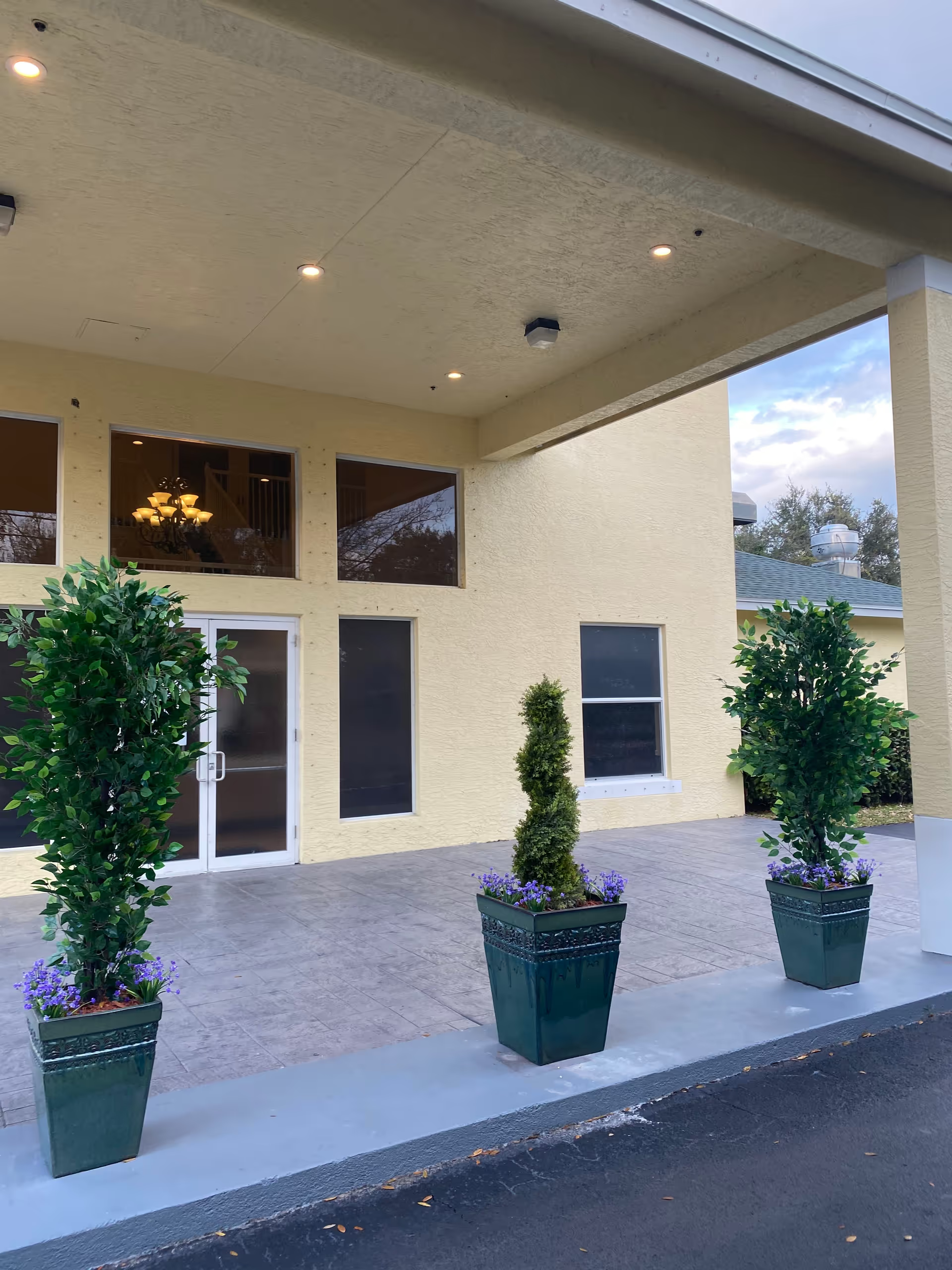
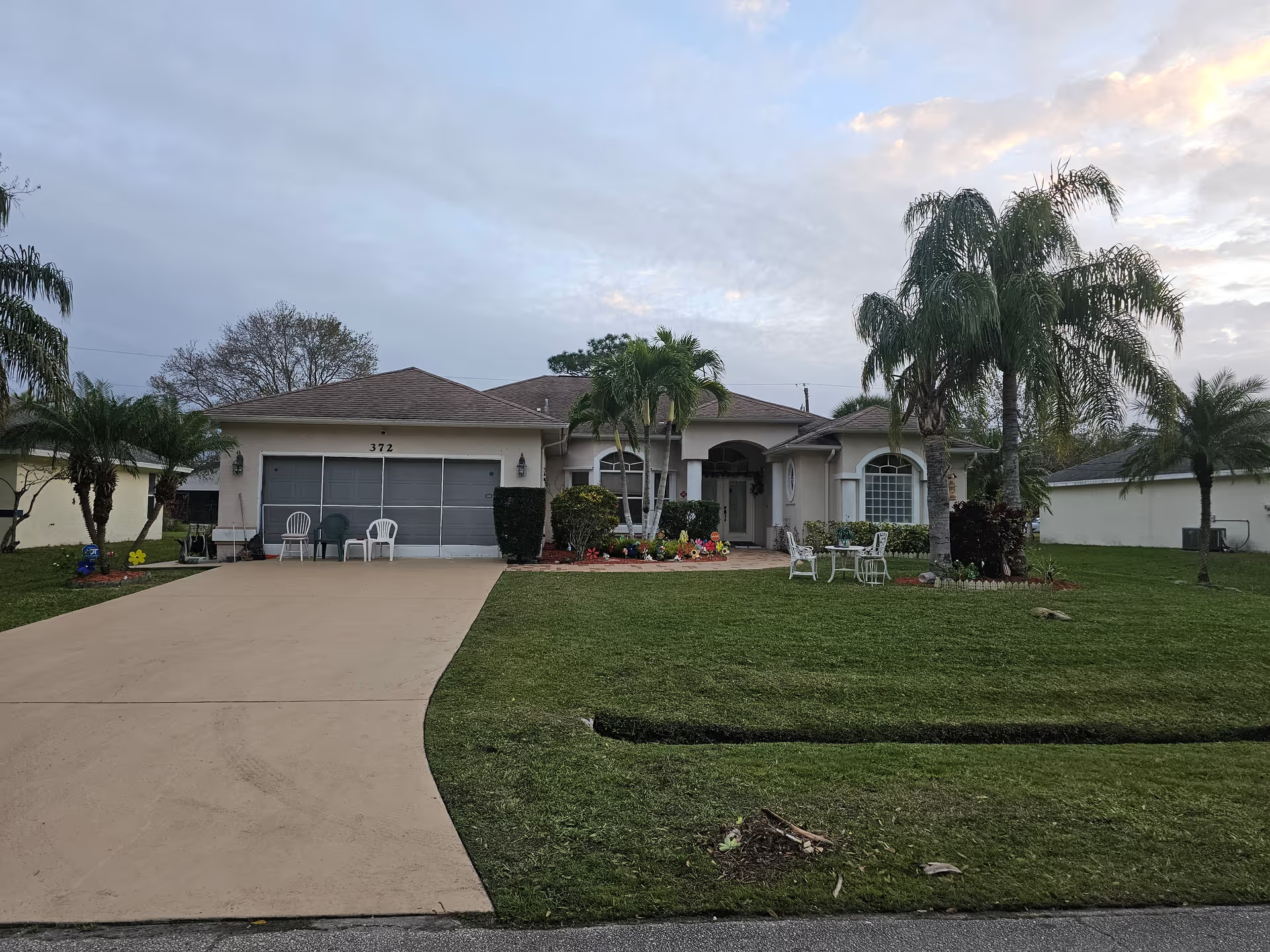
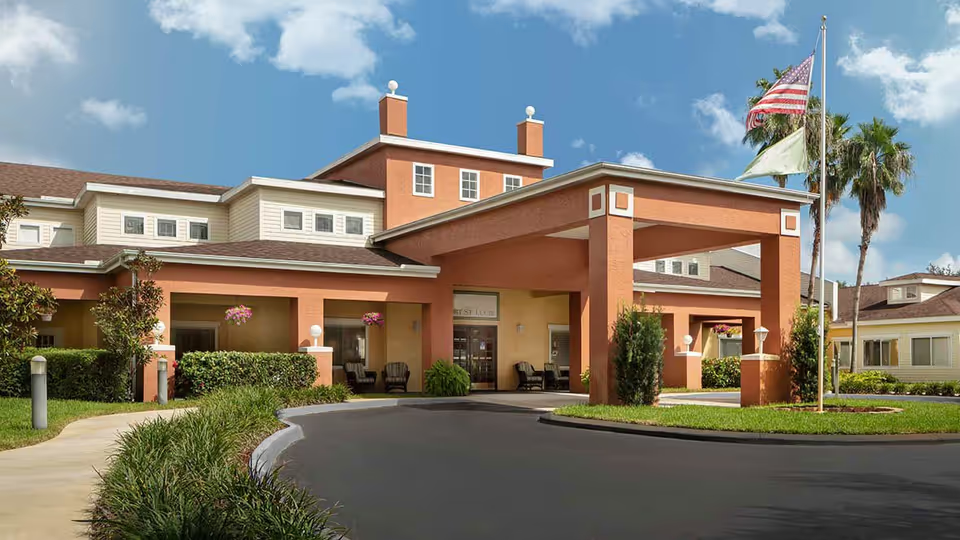
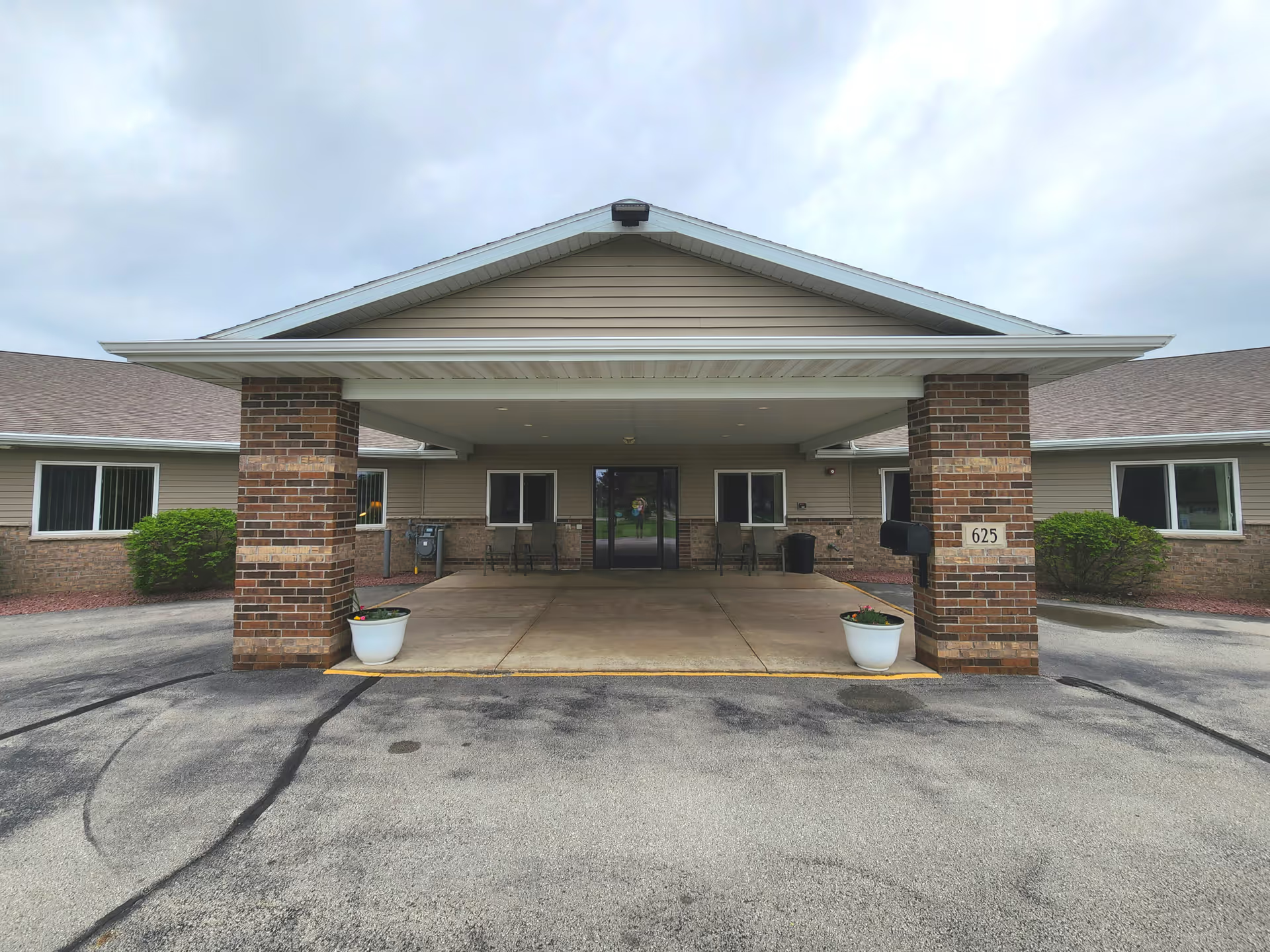
Overall impression: The Manor of Fort Pierce is frequently described as a clean, modern, and comfortable assisted-living and memory-care environment with well-designed common areas and roomy private apartments. Many accounts highlight the new construction, attractive lobby, en-suite bathrooms, and a generally well-maintained interior and exterior — features that contribute to a home-like atmosphere and ease of mobility for residents.
Care and staff: Many families and visitors praise the CNAs and caregiving staff as attentive, patient, and caring, and they credit staff dedication with keeping residents active and comfortable. Consistent positive comments focus on watchful care, helpful bedside assistance, and individualized attention. At the same time, there are intermittent but noteworthy concerns about care consistency: several accounts describe delays in attending to incontinence needs and related sanitation worries, which suggest variability in how personal-care tasks are prioritized or staffed across shifts. There are also mixed reports about staff demeanor; while many describe respectful interactions, others describe curt or dismissive communication from particular administrative team members.
Dining and activities: Dining is generally viewed positively — meals are described as varied and appealing, with specific praise for lunches. The activity program is a strong point, with daily social programming such as bingo, karaoke, seasonal/holiday events, themed activities (e.g., matching pajamas), and religious services noted as enhancing resident engagement. Public spaces like TV lounges, activity rooms, and an outdoor portico support socialization and recreational programming.
Facilities and amenities: The facility’s physical plant receives consistent praise: modern finishes, spacious rooms, en-suite baths, a secure courtyard, and decorative communal areas contribute to a pleasant living environment. Memory-care features and a secure layout are highlighted by reviewers who value the focus on dementia-related needs. Some reviewers, however, note practical constraints related to the facility’s modest size, including limited parking and constrained growth potential.
Management and operations: Management earns both positive and critical remarks. Several families report good communication, approachable administration, and helpful point staff who make contact easy. Conversely, other families have experienced variability in administrative tone and responsiveness, including disputes over private caregivers and requests that were handled poorly. A few serious accounts raise concerns about clinical-incident response and family notification, and one or two describe difficulties around discharge and end-of-life transition; these indicate potential gaps in policies or execution for critical clinical events and in how those events are communicated to families.
Notable patterns and guidance for prospective families: The dominant themes are strong physical facilities, active programming, and many examples of compassionate frontline staff. However, the facility appears to show some variability in operational consistency — especially around personal-care responsiveness, administrative communication style, and handling of critical clinical transitions. Families considering The Manor of Fort Pierce may want to tour in person, observe staffing at different times of day, ask about protocols for incontinence care and sanitation, request specifics on visitation and private-care policies, and clarify procedures for clinical incidents and end-of-life transitions to ensure expectations align with facility practices.