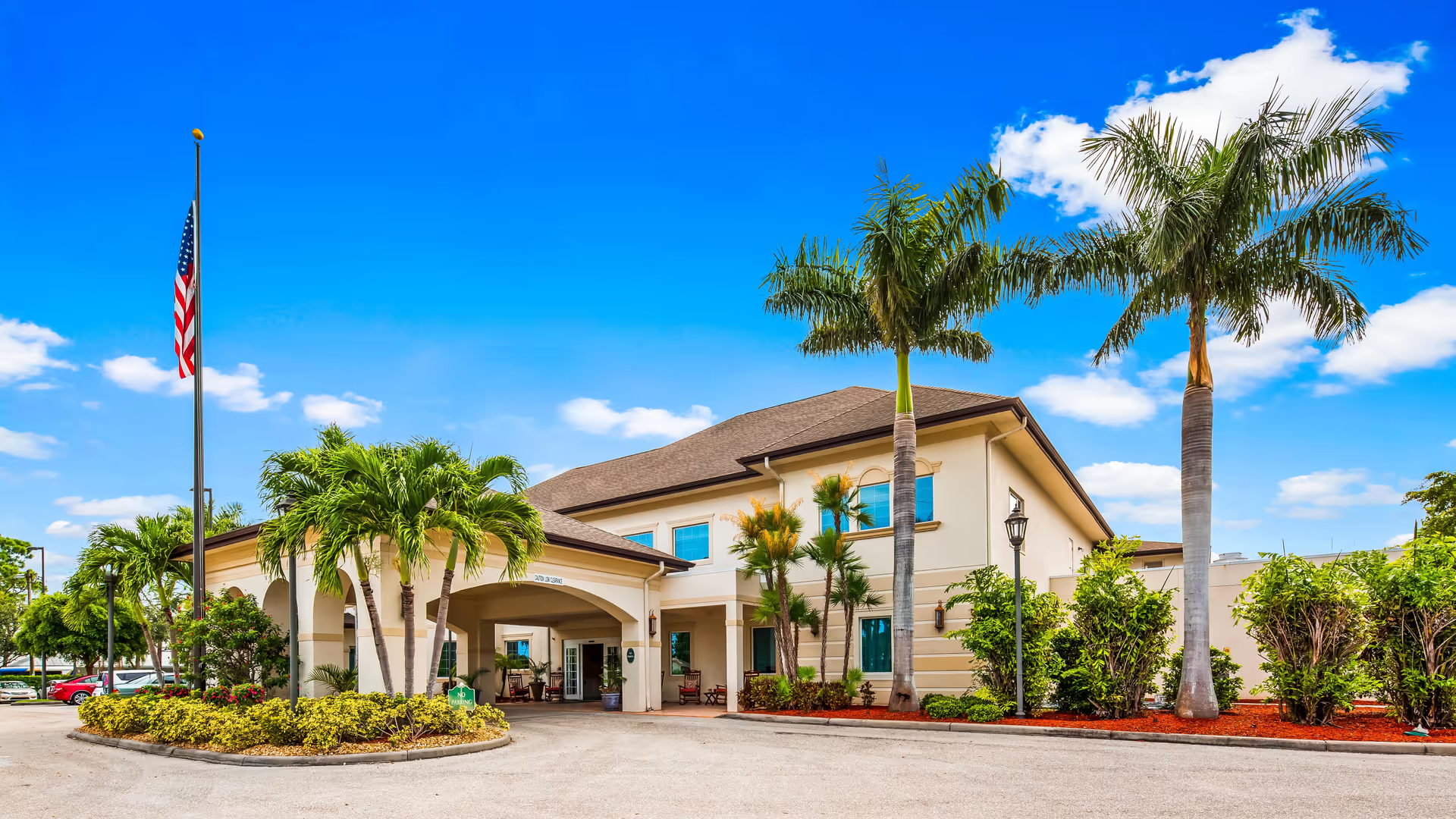
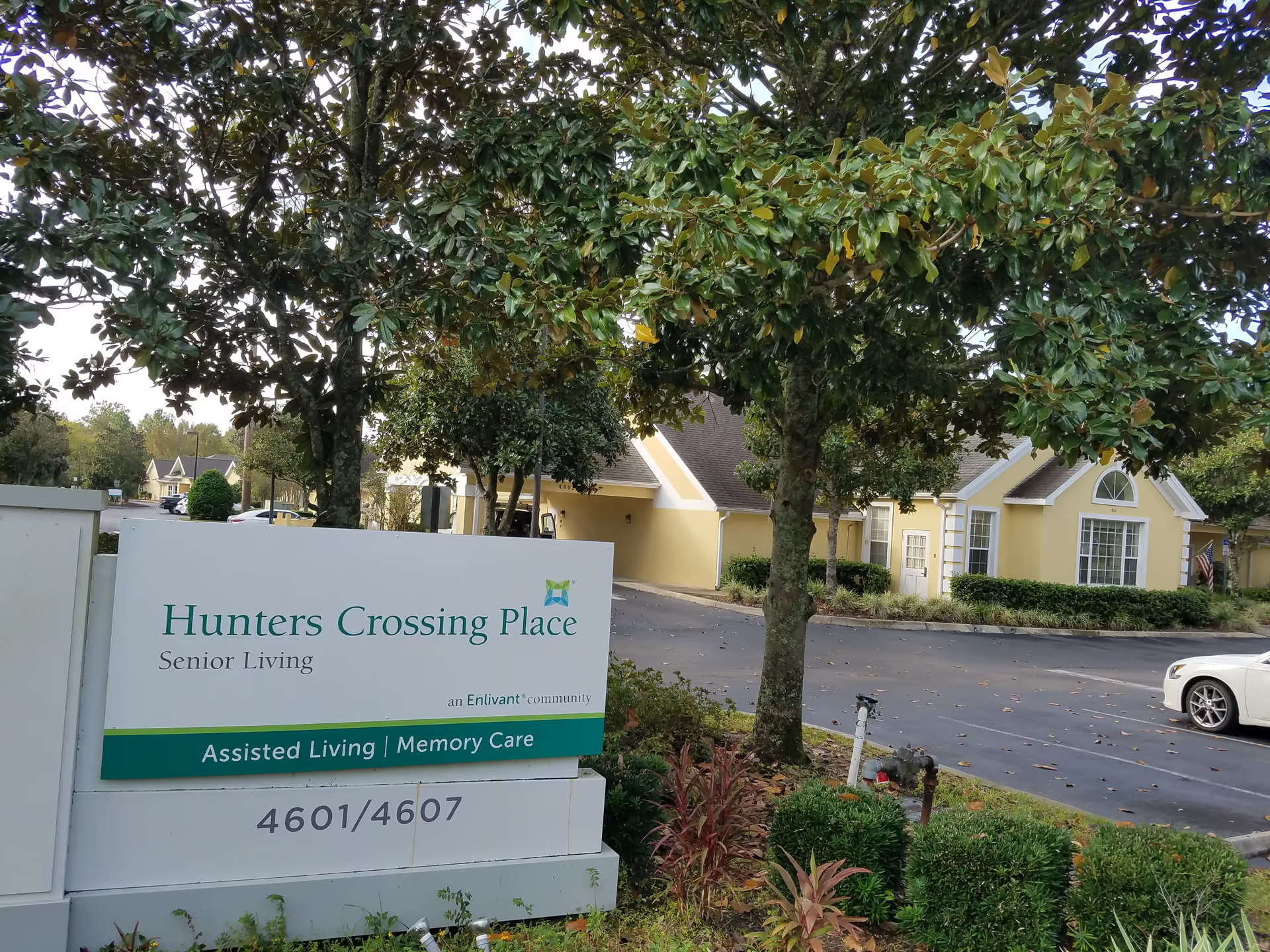
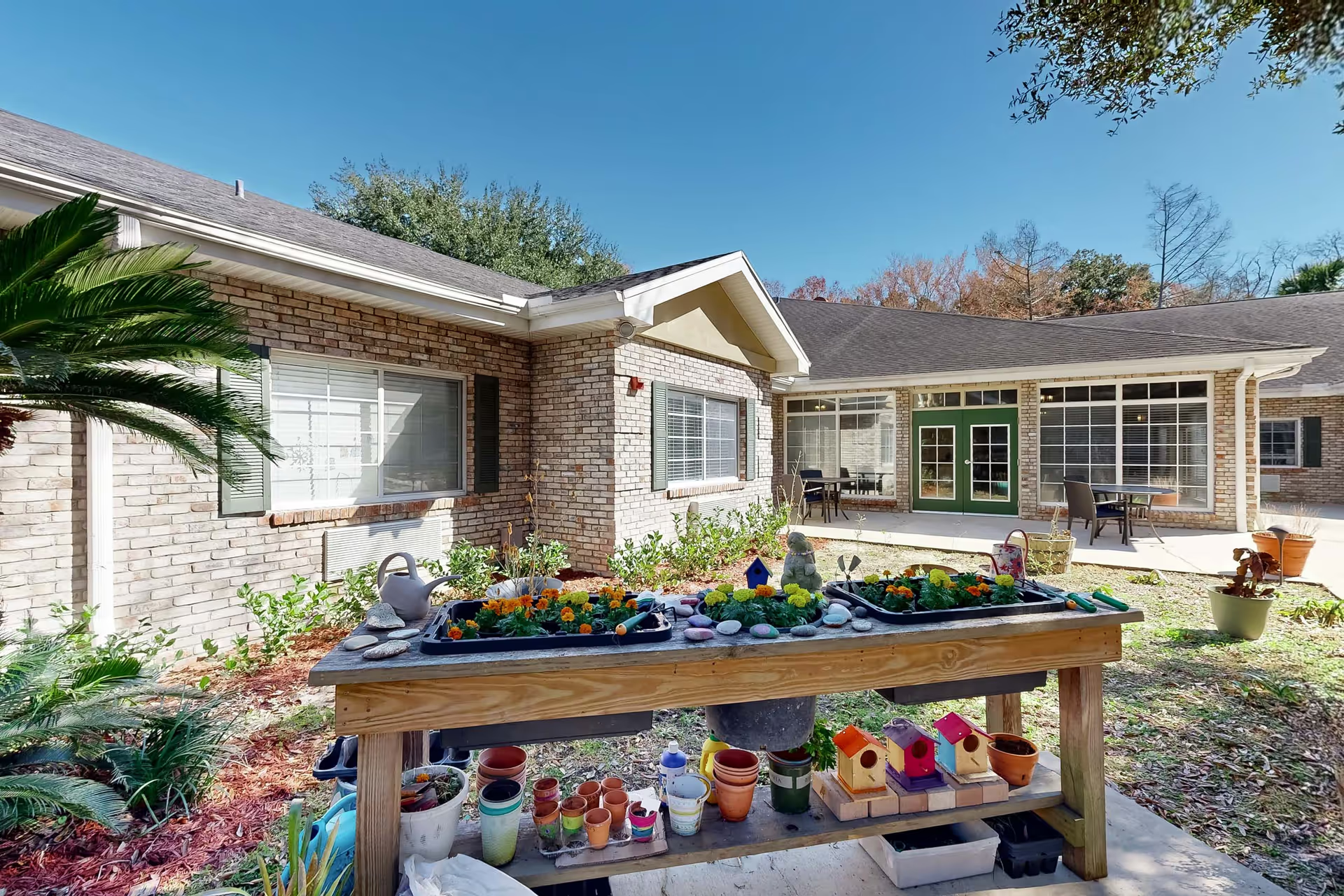
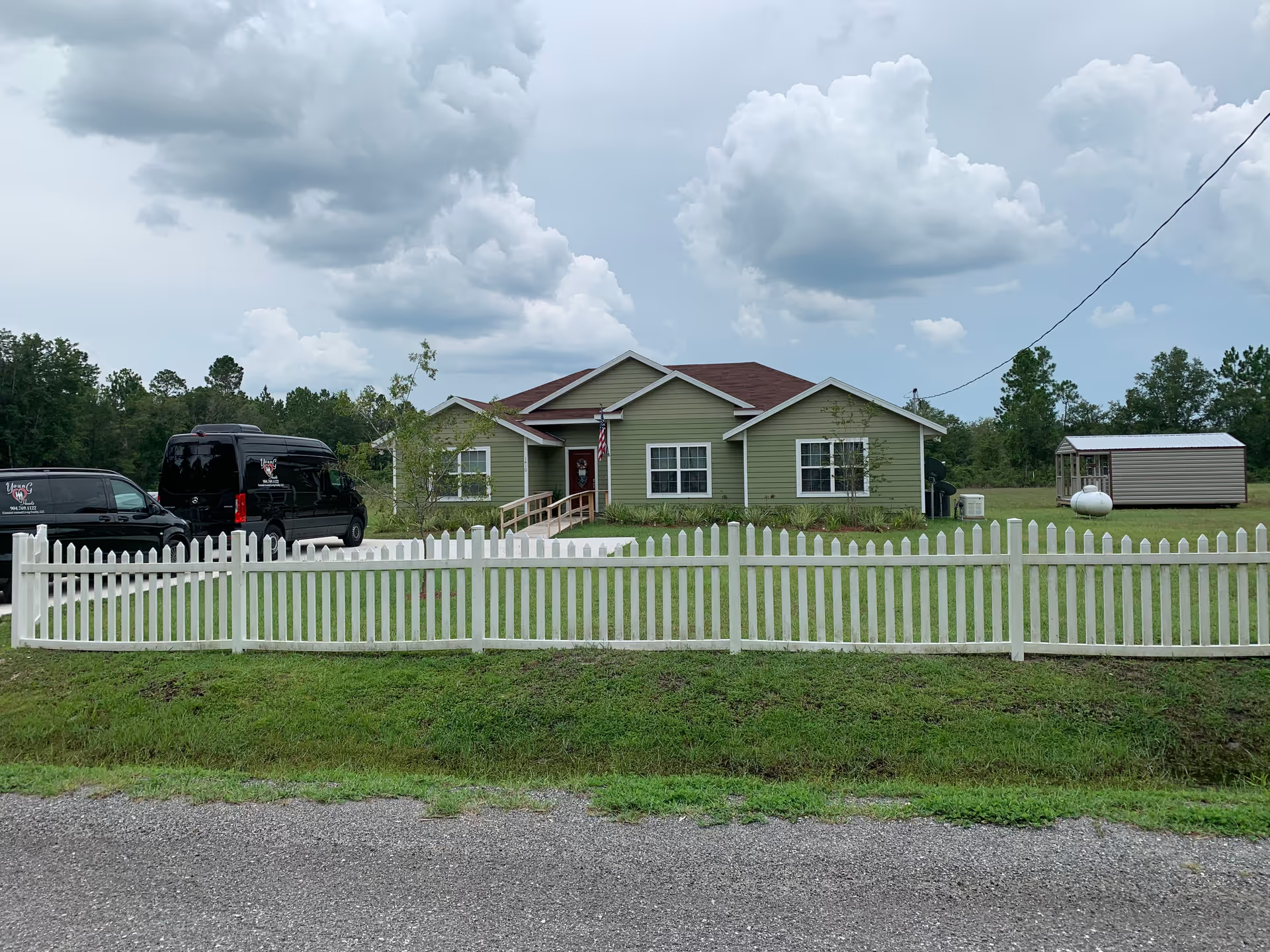
The Village at Gainesville presents as a large, resort-style senior living campus with a broad continuum of care and a long list of amenities. Strengths frequently cited include an active social environment, extensive activity programming and travel opportunities, multiple dining venues with chef-prepared options, and a well-maintained, attractive landscape. The community offers a variety of housing types — cottages, villas, apartment buildings and private homes — together with housekeeping, linen service, assigned parking and in-unit conveniences that support maintenance-free living for many residents. On-site clinical supports such as physical and occupational therapy, a therapy pool, and a dedicated memory-care unit contribute to the facility’s appeal for families seeking a continuum of care.
Care quality and staff behavior are described in predominantly positive terms: many comments highlight caring, attentive employees, respectful interactions (residents addressed formally when preferred), and an organized move-in process with responsive coordinators. That said, reviewers also describe variability in staffing: some note limited staff presence at times, slower responsiveness to requests, or staff who appear stressed. There are isolated concerns about staff conduct and the communication tone in particular situations; these suggest unevenness in service execution rather than a uniformly dysfunctional culture. The facility’s high occupancy and demand contribute to both positive reputation and capacity strain — waitlists and limited immediate assisted-living openings were commonly mentioned.
Dining and programming are core selling points. Multiple restaurants, a bistro, and specialty dining events receive praise for variety and presentation; several reviewers singled out particular menu items and catered events. Conversely, a portion of feedback points to intermittent inconsistencies in meal quality and value, and to logistical arrangements (for example, meal plans or point systems and the need to walk to different dining rooms) that can create accessibility friction for less-ambulatory residents. Families valuing robust social calendars will find an active schedule of clubs, classes, visiting musicians, guest speakers, and organized trips — including overnight and extended travel options — overseen by dedicated enrichment staff.
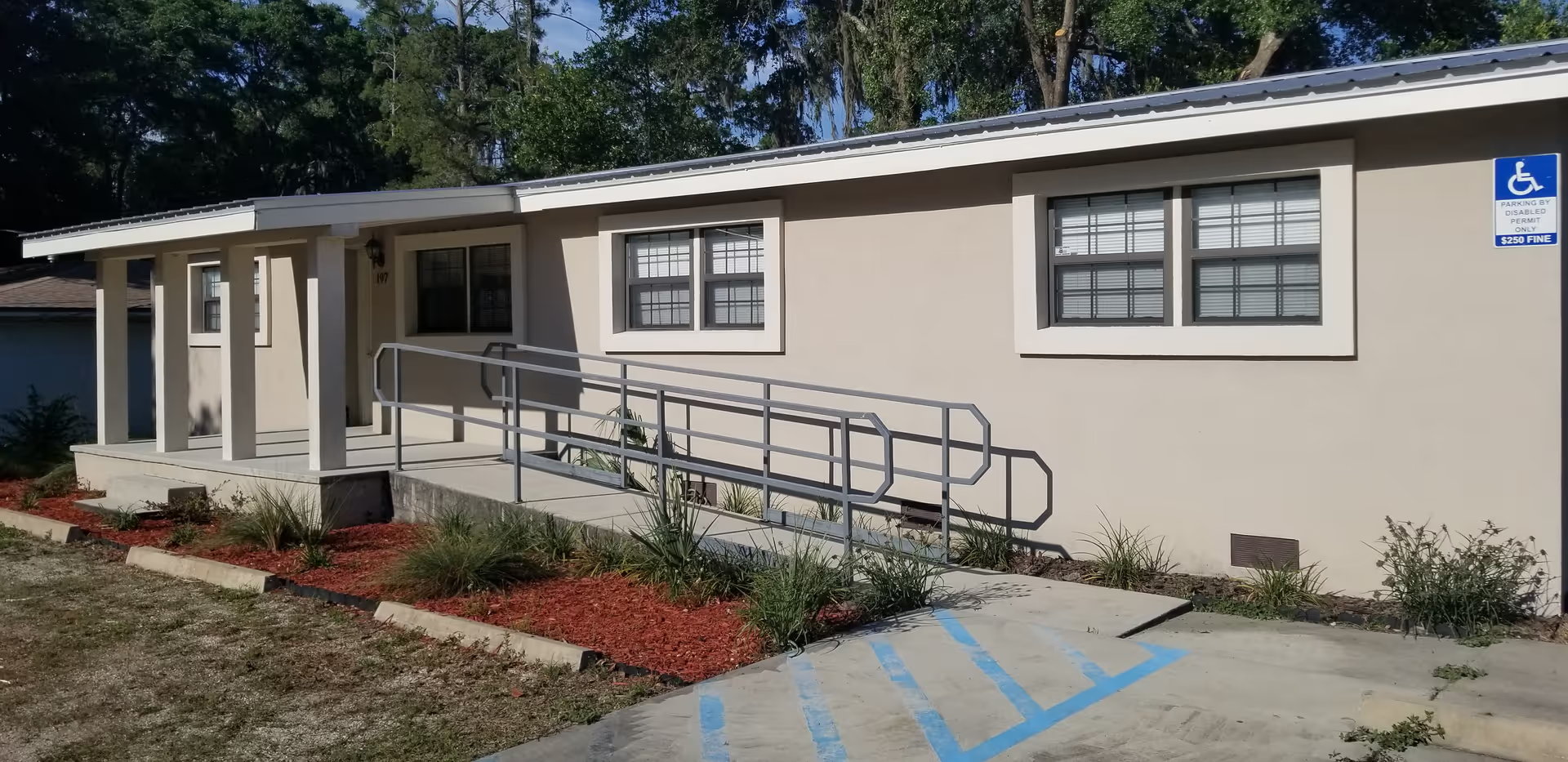
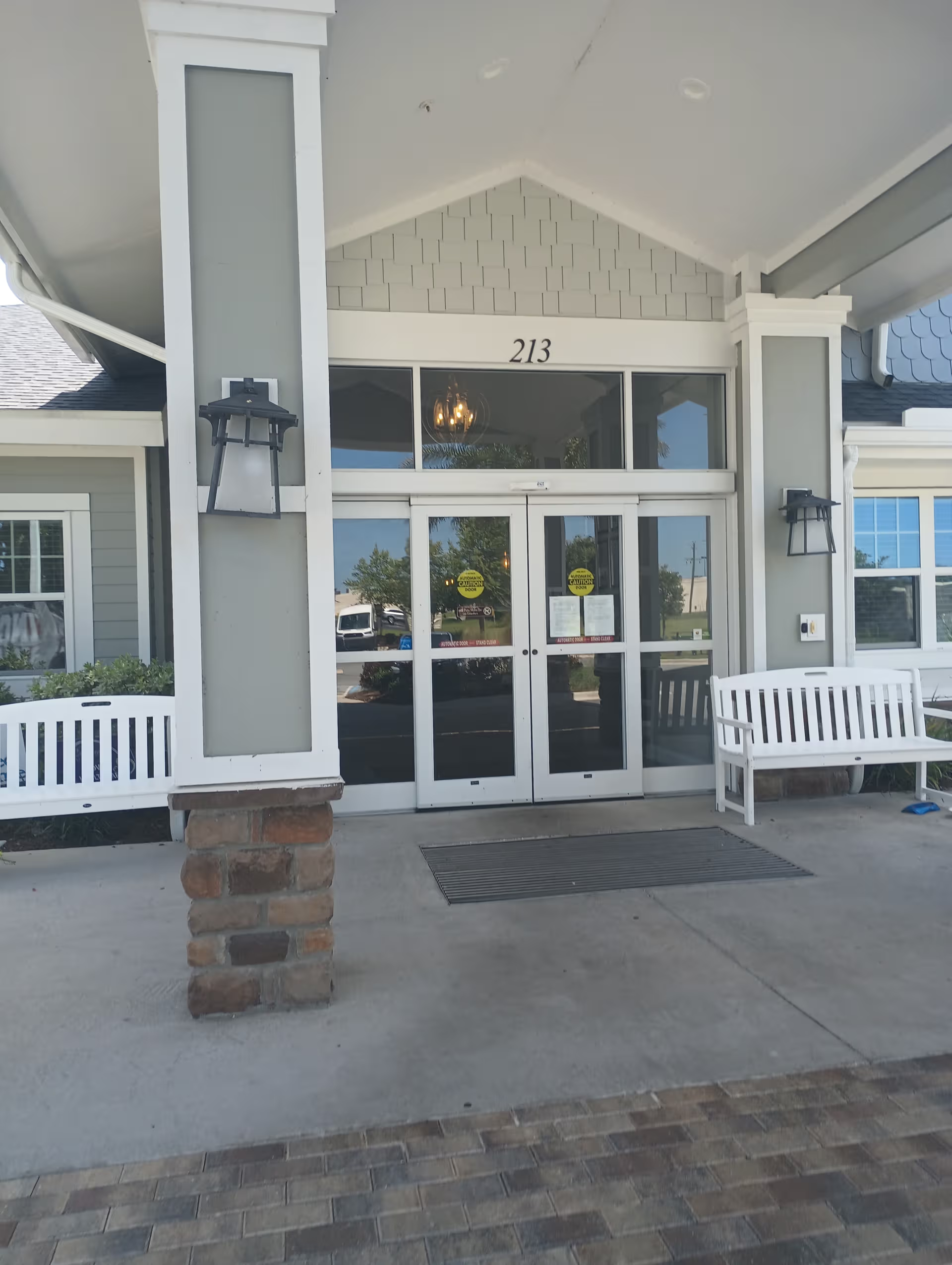
Facilities are generally characterized as attractive, clean, and well-maintained, with accessible amenities such as elevators, a salon, gym, pool and outdoor patios. However, some apartment units were described as older and in need of renovation or updating; prospective residents should inspect individual units for condition and recent upgrades. Residents and families frequently praised groundskeeping and common-area cleanliness, though isolated sanitation or odor concerns were mentioned by a minority and warrant in-person verification during a tour.
Management, contracts and pricing are areas that elicited the strongest caution. Multiple comments express concerns about high monthly costs, price increases over time, and contractual terms (notably notice periods and fee structures) that some families find restrictive. There were also criticisms of sales and marketing approaches, including perceptions of aggressive sales tactics and questions about public-facing metrics; a few reviewers used stronger language about transparency and marketing practices. These issues suggest that prospective residents should review lease documents carefully, ask for a clear explanation of fee escalation policies, and seek clarification about availability for higher levels of care before committing.
In summary, The Village at Gainesville offers a wide-ranging, amenity-rich campus with strong social programming, varied dining, and a full continuum of care that many families and residents praise. Important caveats include cost and contract complexity, occasional operational strain related to staffing and availability, and variability in meal execution and unit condition. Prospective residents should prioritize an in-person tour that includes meal sampling, unit inspections, direct conversations about staffing levels and emergency procedures, and careful review of lease terms and fee escalation policies to ensure alignment with expectations and budget.