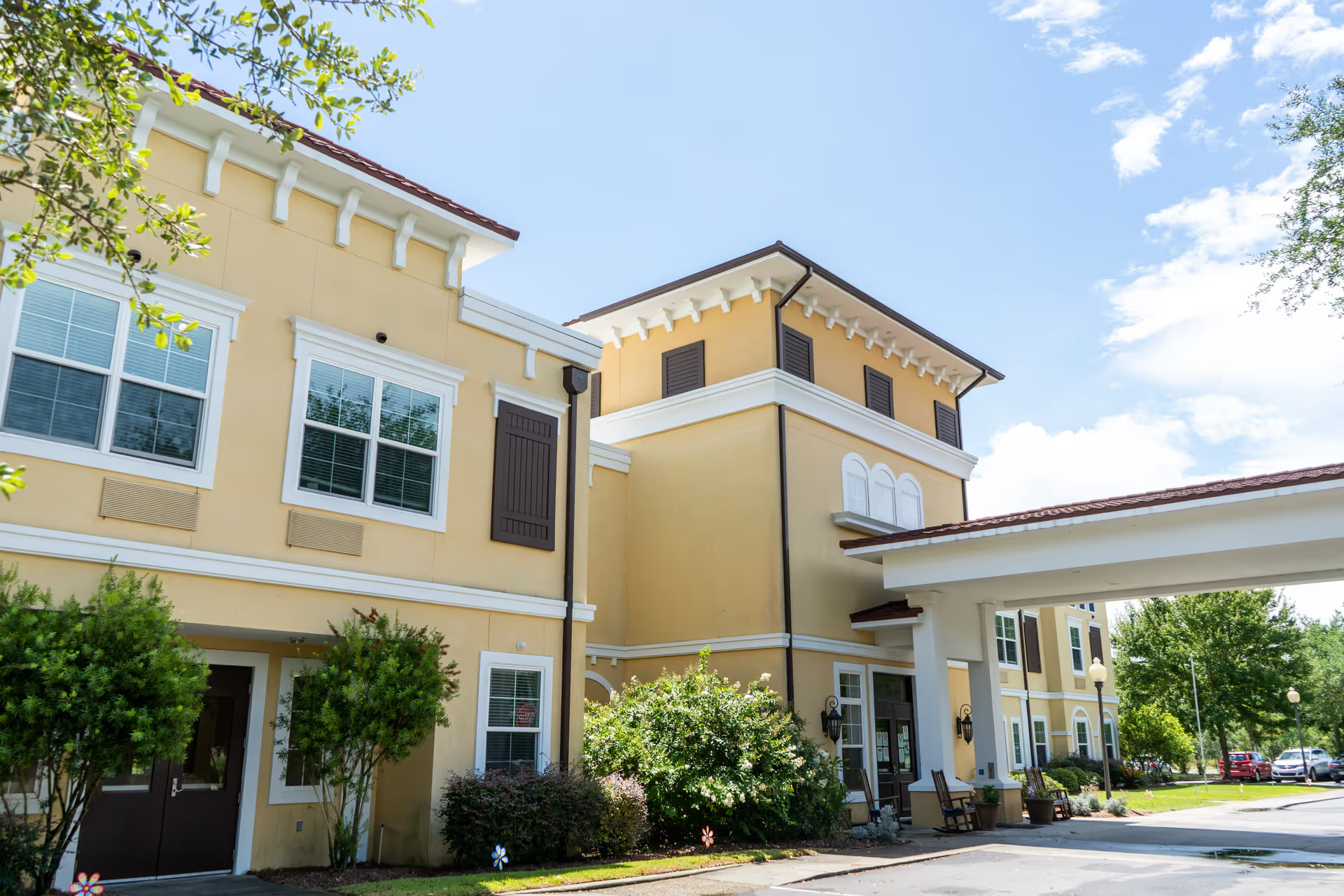
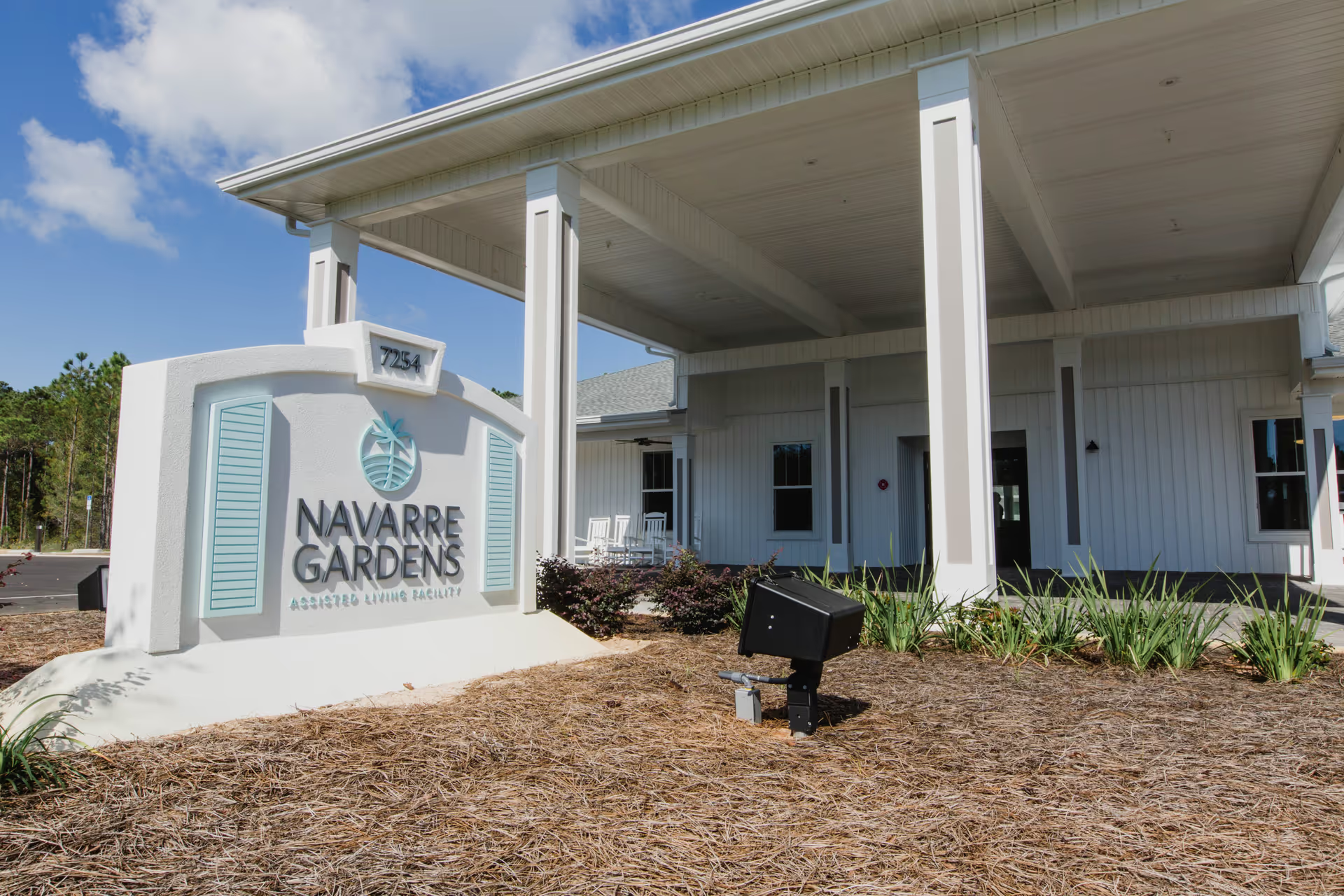
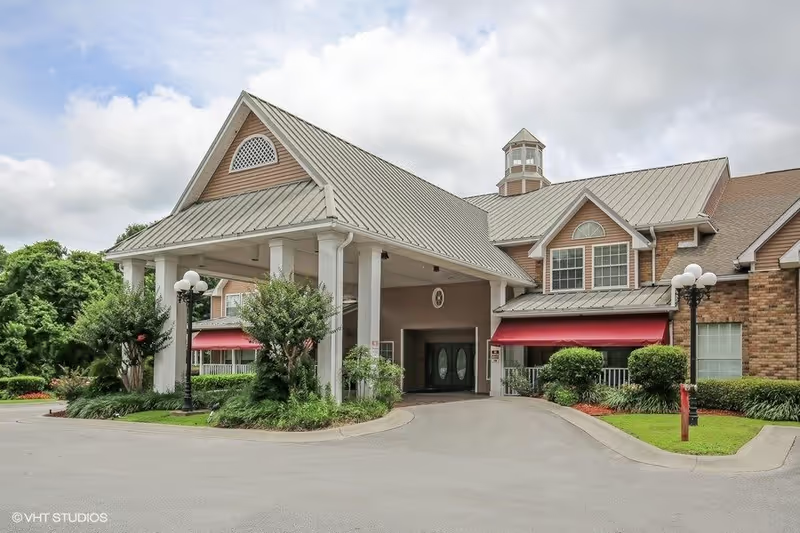
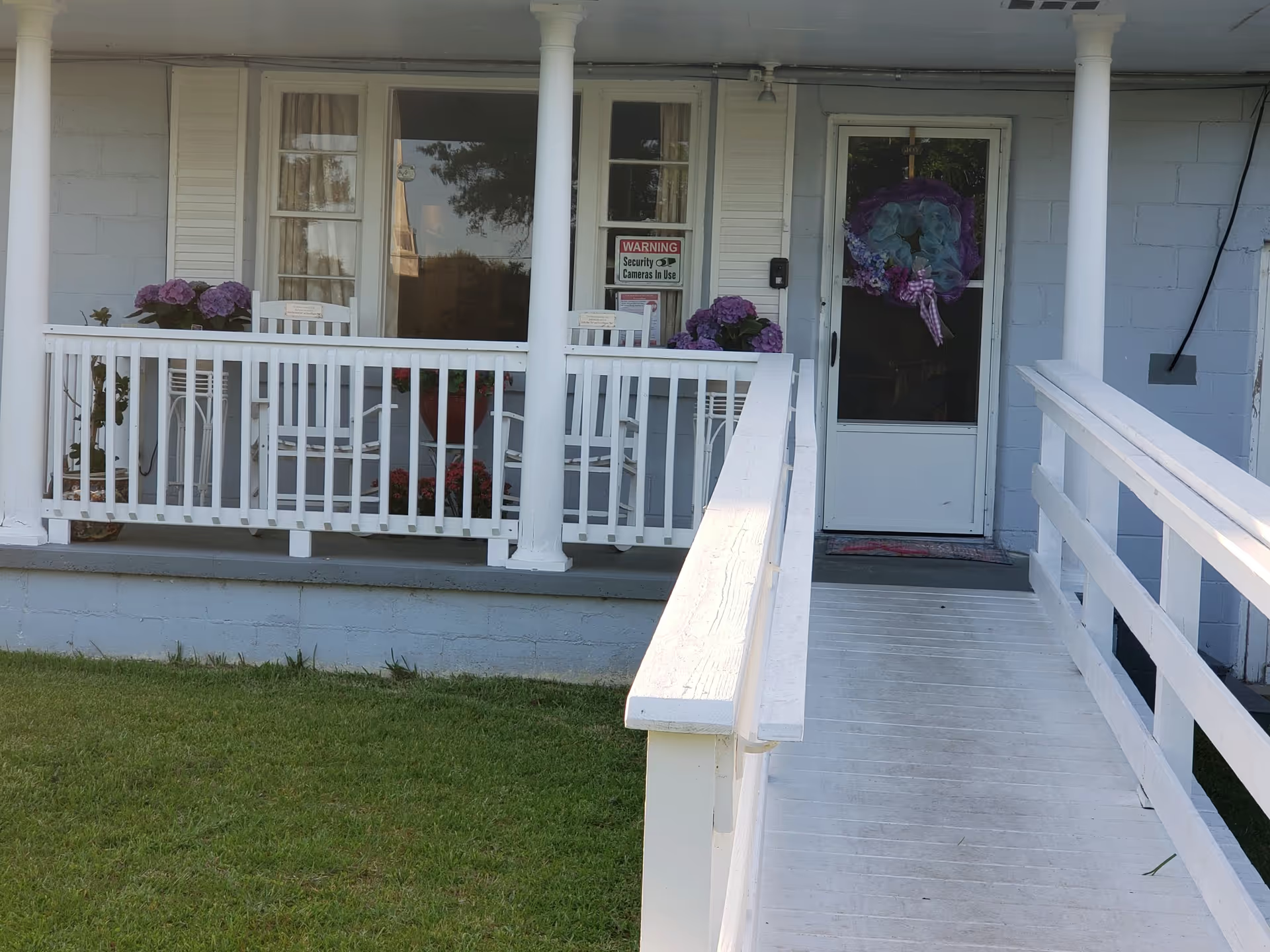
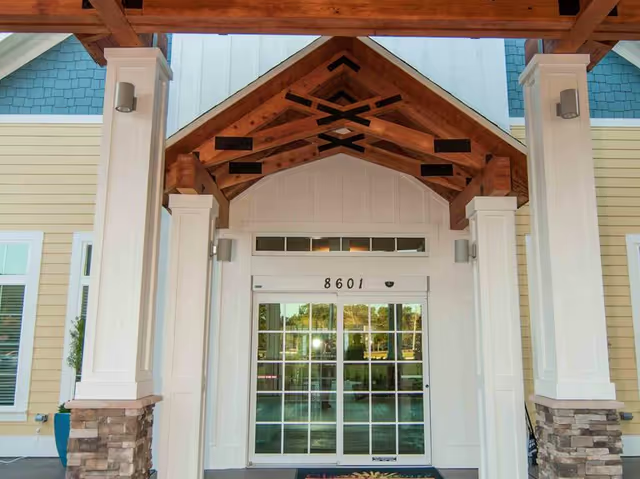
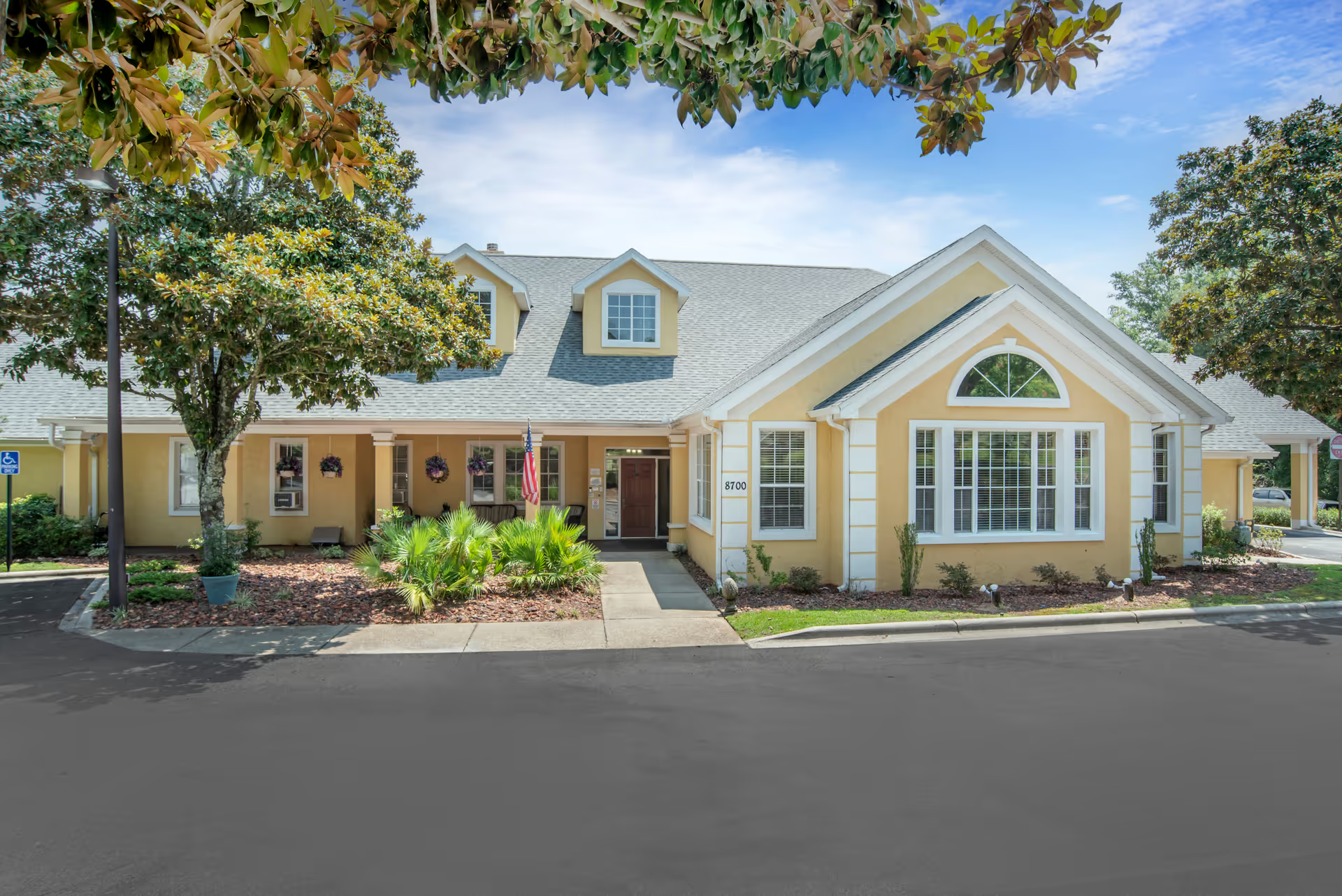
Bay Breeze Senior Living and Rehabilitation Center elicits a strongly mixed but thematically consistent set of impressions. Many families and residents praise the facility for warm, compassionate caregiving, a bright and home-like atmosphere, and an active social calendar. The site’s strengths most consistently cited are attentive direct-care staff, restaurant-style dining areas, private rooms with en suite bathrooms, outdoor spaces and gardens, and a robust schedule of events including holidays, barbecues, and live entertainment.
Care quality is described positively in numerous accounts: reviewers highlight personalized attention, staff who know residents by name, responsiveness to questions, and a capacity to improve quality of life for long-term residents. The facility also appears to offer a meaningful short-term rehabilitation program and associated therapy services that some families value for post-acute recovery. However, there are operational concerns that recur across reviews. Several accounts describe inconsistent staffing levels and staffing ratios that can affect timeliness of assistance. Related patterns include irregular personal-care scheduling (for example, inconsistent bathing) and variability in how quickly care needs are addressed.
Dining and activities are frequently cited as highlights: the dining room is likened to a restaurant, many reviewers praise the food, and the facility runs frequent activities and special events that contribute to a family-like atmosphere. At the same time, some reviewers note inconsistencies in food service, primarily cold food or variable meal temperature and occasional quality issues, which suggest gaps in kitchen-to-table processes.
Facility condition is a mixed picture. Many reviewers describe clean, well-kept rooms and common areas and praise the ability to personalize living spaces. Others identify maintenance shortcomings such as incomplete repairs and recurring remediation issues, along with localized sanitation and odor concerns. Room layout is another operational factor: portions of the building include shared or tightly configured rooms that some find institutional or crowded, and secure dementia units with locked access are used for residents with cognitive impairment.
Management and workplace culture emerge as an area with divergent experiences. Several reviewers commend an accessible, informal director and responsive administration that organizes memorable celebrations. Conversely, other accounts describe a punitive workplace culture, concerns about staff safety and shortcuts, and perceptions that management does not always address staff or family concerns effectively. Pricing perceptions also vary: some families find certain placement options affordable, while others view premium placements as costly.
Notable patterns to weigh: the facility appears to deliver strong, compassionate hands-on care and social programming for many residents, making it attractive for those prioritizing community and short-term rehab services. At the same time, operational issues — inconsistent staffing, variable personal-care routines, intermittent maintenance and sanitation concerns, and mixed management responsiveness — suggest that experiences can vary by unit and by timing. Prospective residents and families should tour multiple units, observe staffing at different times of day, ask about staffing ratios, maintenance remediation records, and quality measures for dining service, and clarify whether the facility’s clinical focus aligns with their long-term vs. short-term care needs. Finally, be aware of at least one serious individual allegation concerning a clinical outcome; prospective families should review medical oversight and incident-response procedures during their evaluation.