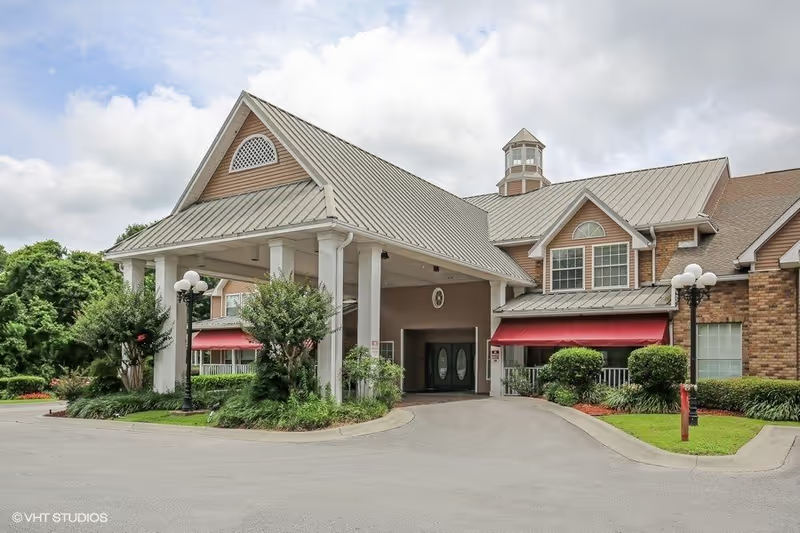
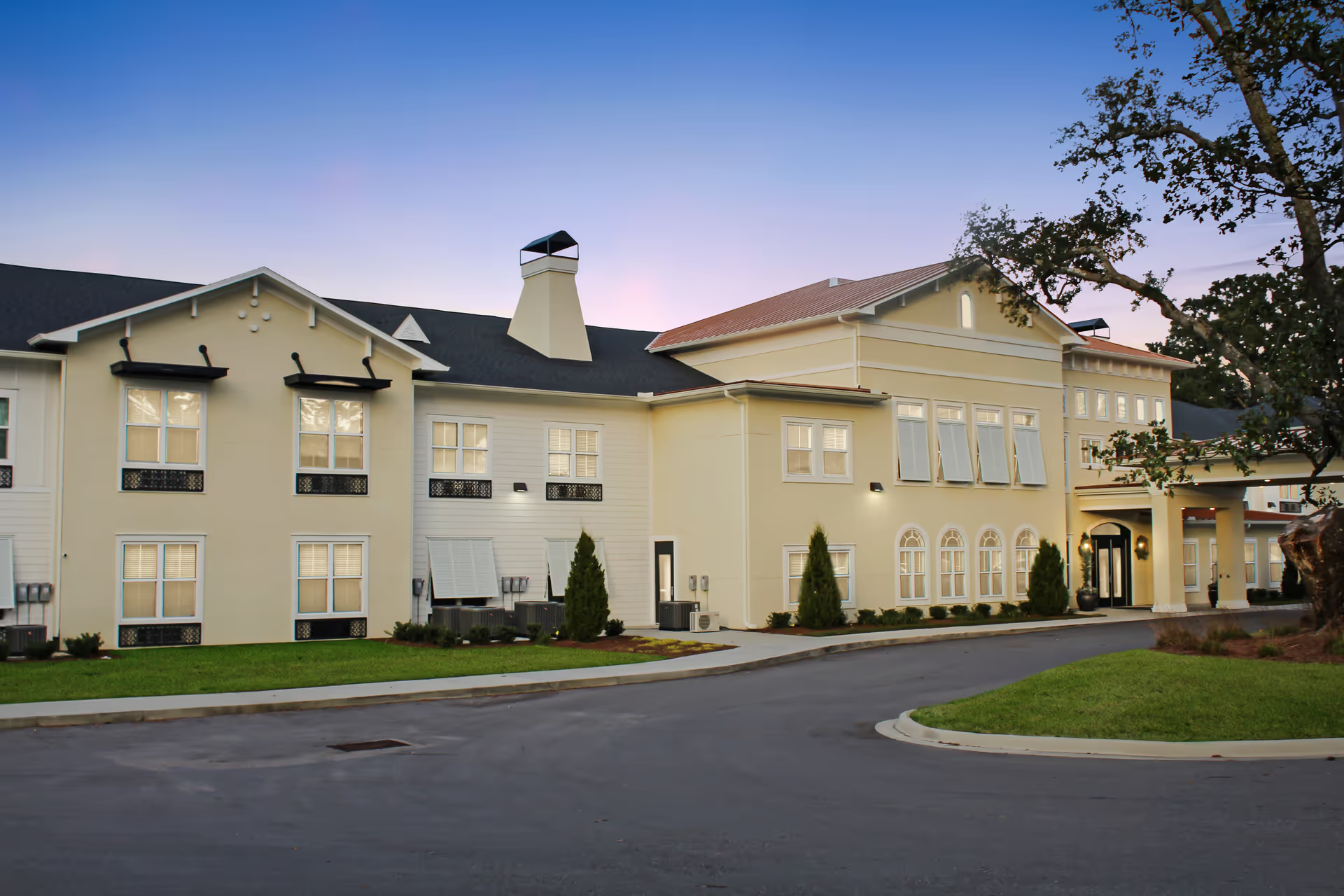
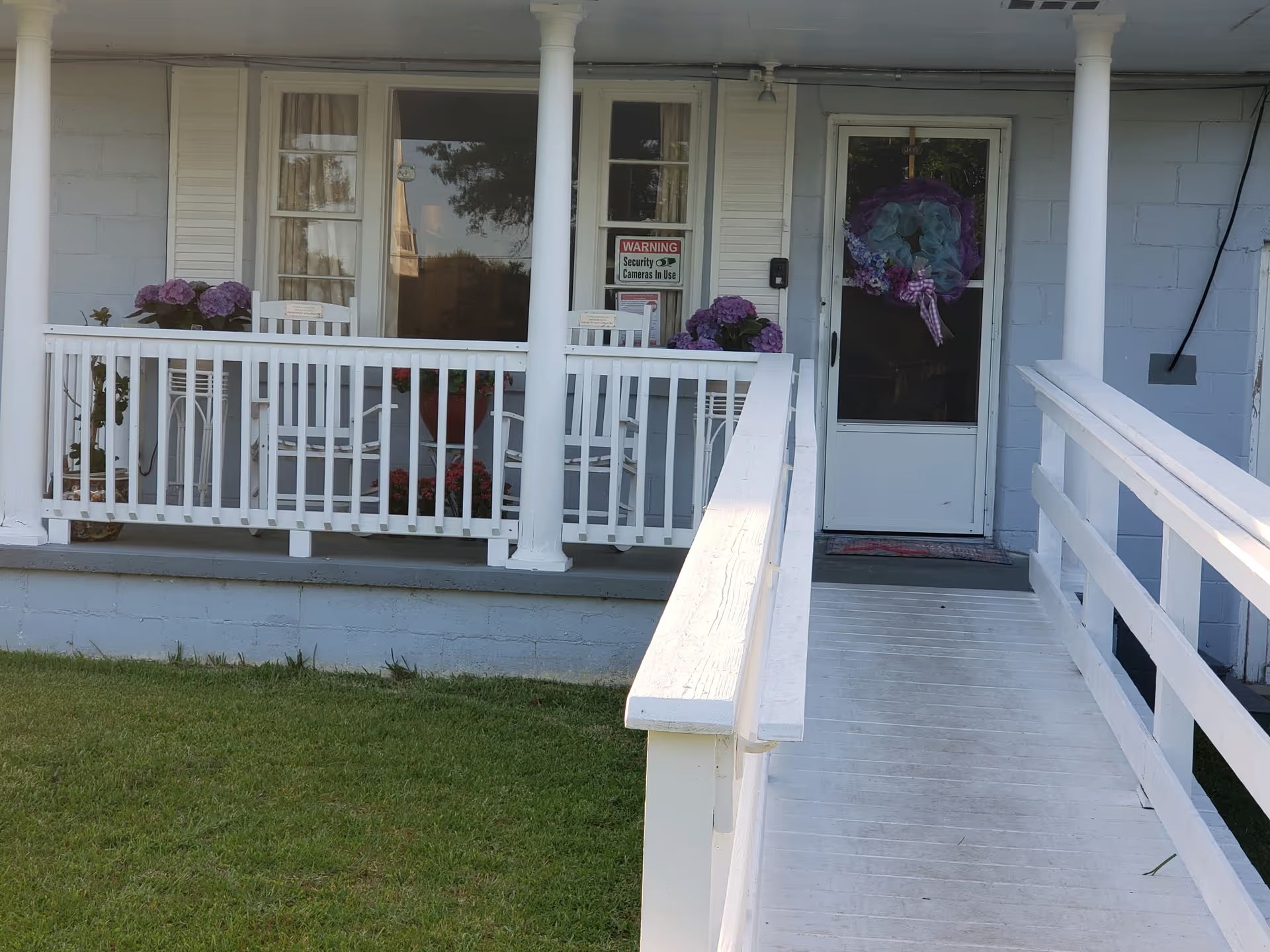
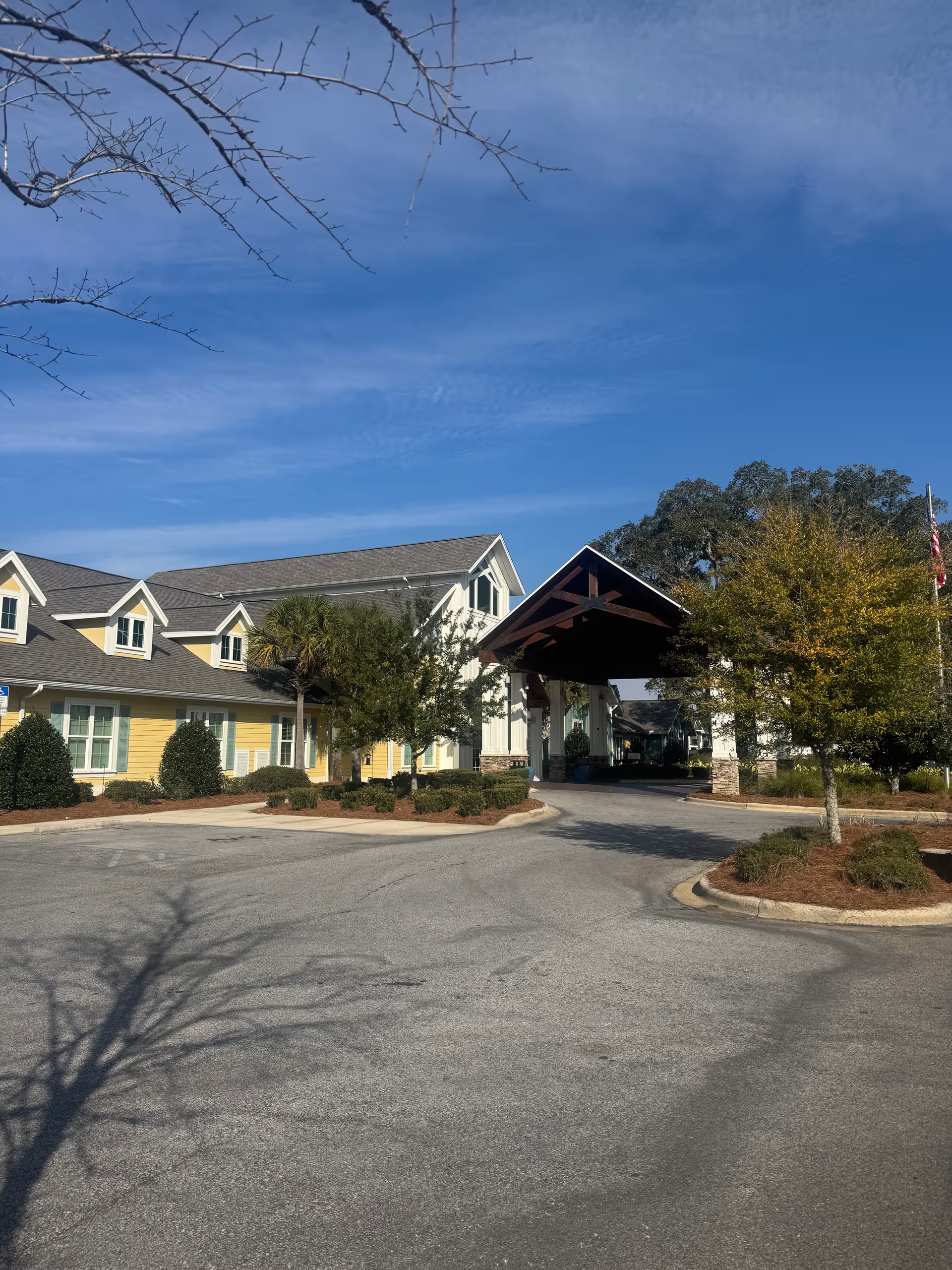
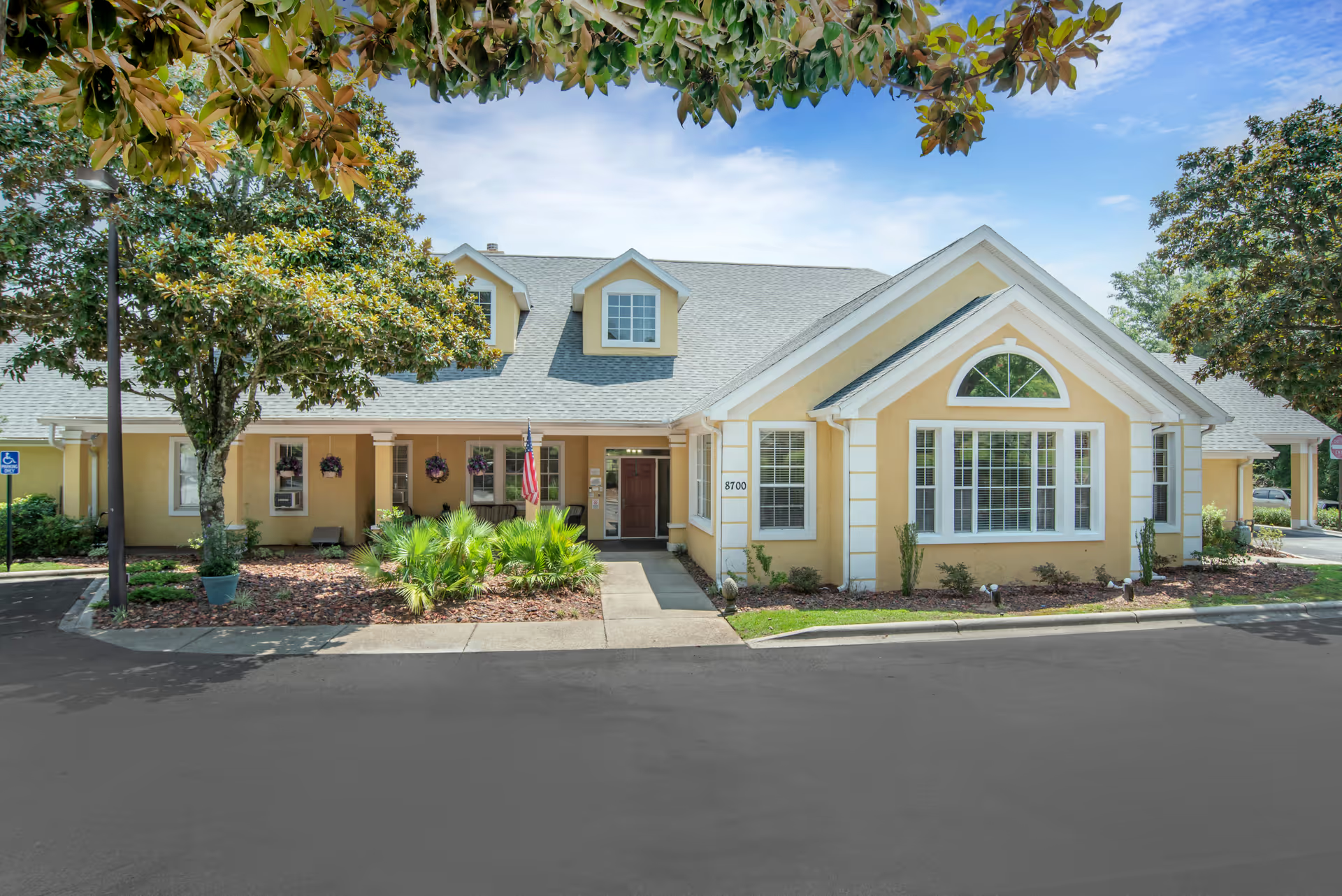
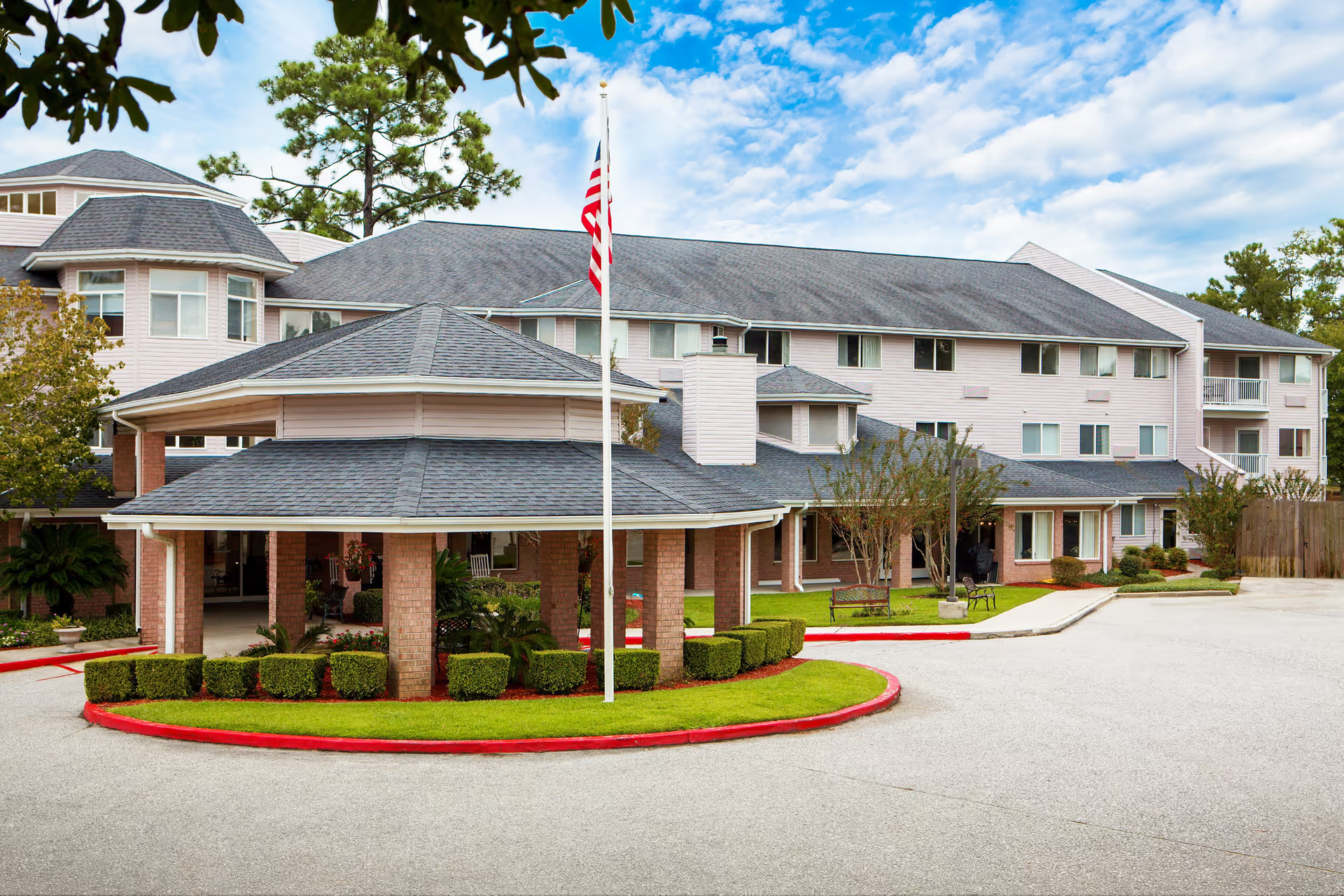
The Beacon at Gulf Breeze presents as a well-appointed assisted-living community with substantial amenities and an active program of services. Reviewers consistently describe clean, hotel-like common areas and grounds, a broad slate of on-site spaces (movie theater, library, game room, salon, courtyards, and recreational areas), and multiple unit configurations including studio and one-bedroom options with accessible bathrooms. On-site rehabilitative services (OT/PT/SLP), an ECC-licensed hospice capability, and organized transportation/van service are strengths that support an age-in-place model.
Staff and direct care receive mixed but often positive commentary. Many families praise compassionate, attentive caregivers, an engaged activities team, and helpful admissions and move-in support. Several reviews highlight licensed clinical staff and on-site therapy resources as valuable. Counterbalancing this, there are recurring operational concerns about staffing consistency: families describe periods of short staffing and gaps in clinical coverage (notably limited RN presence overnight). These staffing patterns are associated in some reports with uneven care quality, especially in the memory-care unit, and with delays in responding to resident needs.
Dining and activities are prominent features of the community. The dining program is frequently described as high quality, with a diverse menu, themed meals, a la carte options, family dining, and regular entertainment during meals. At the same time, reviewers note variability in meal quality and occasional service issues; there are also comments about additional charges for in-room services and other upcharges that affect perceived value. The community’s activity calendar is broad — from outings and beach trips to live music, arts and crafts, and daily programs — though some families say certain activities are not accessible to all residents depending on cognitive or mobility needs.
Facility operations show a mix of strengths and friction points. Housekeeping and laundry services are provided, and the property is generally described as well maintained, but some reviews flag cleanliness inconsistencies and odor concerns in specific areas or units. Policies around mobility devices (prohibiting motorized scooters) and limited in-room housekeeping frequency were noted as practical constraints. A number of families raised concerns about communication, billing, and contract follow-through — examples include differences between advertised and contracted rates, billing portal issues, and disputes about promised rate guarantees. There are also reports indicating management turnover and leadership changes have affected morale and operational consistency for some periods.
Taken together, the pattern is one of a community with strong amenities, an active social program, and many staff members who are described as caring and competent, alongside operational vulnerabilities tied principally to staffing consistency, management stability, and some clinical- and housekeeping-related lapses. Prospective residents and families should weigh the facility’s robust services (therapy, hospice licensing, varied amenities, and an active lifestyle program) against the potential for variability in day-to-day care and the facility’s pricing and policy structure. For families considering placement, a focused tour that includes inspection of the memory-care unit, clarification of contract terms and fee structure, and direct questions about current staffing levels and night-time clinical coverage would help assess fit and current operational status.