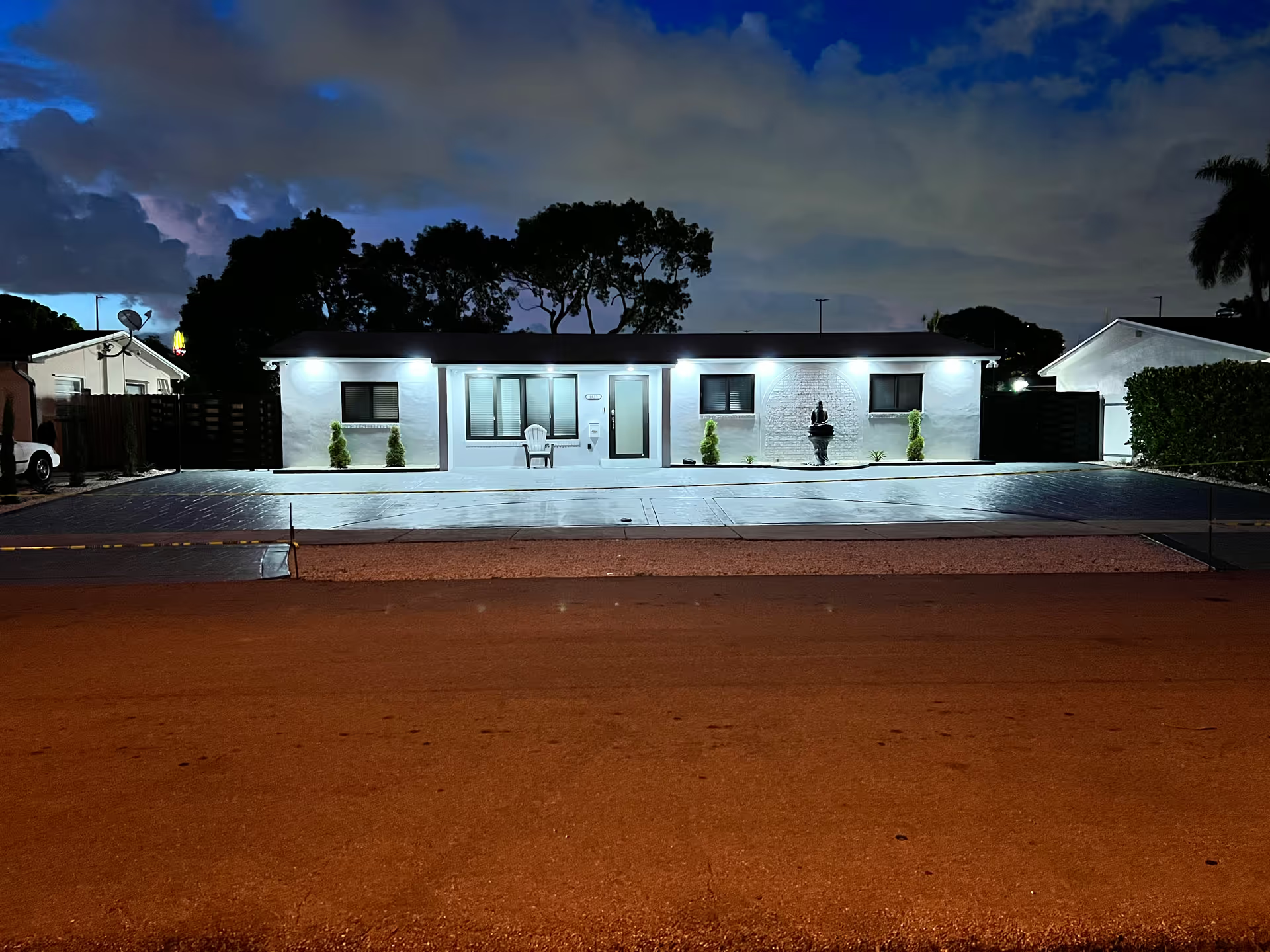
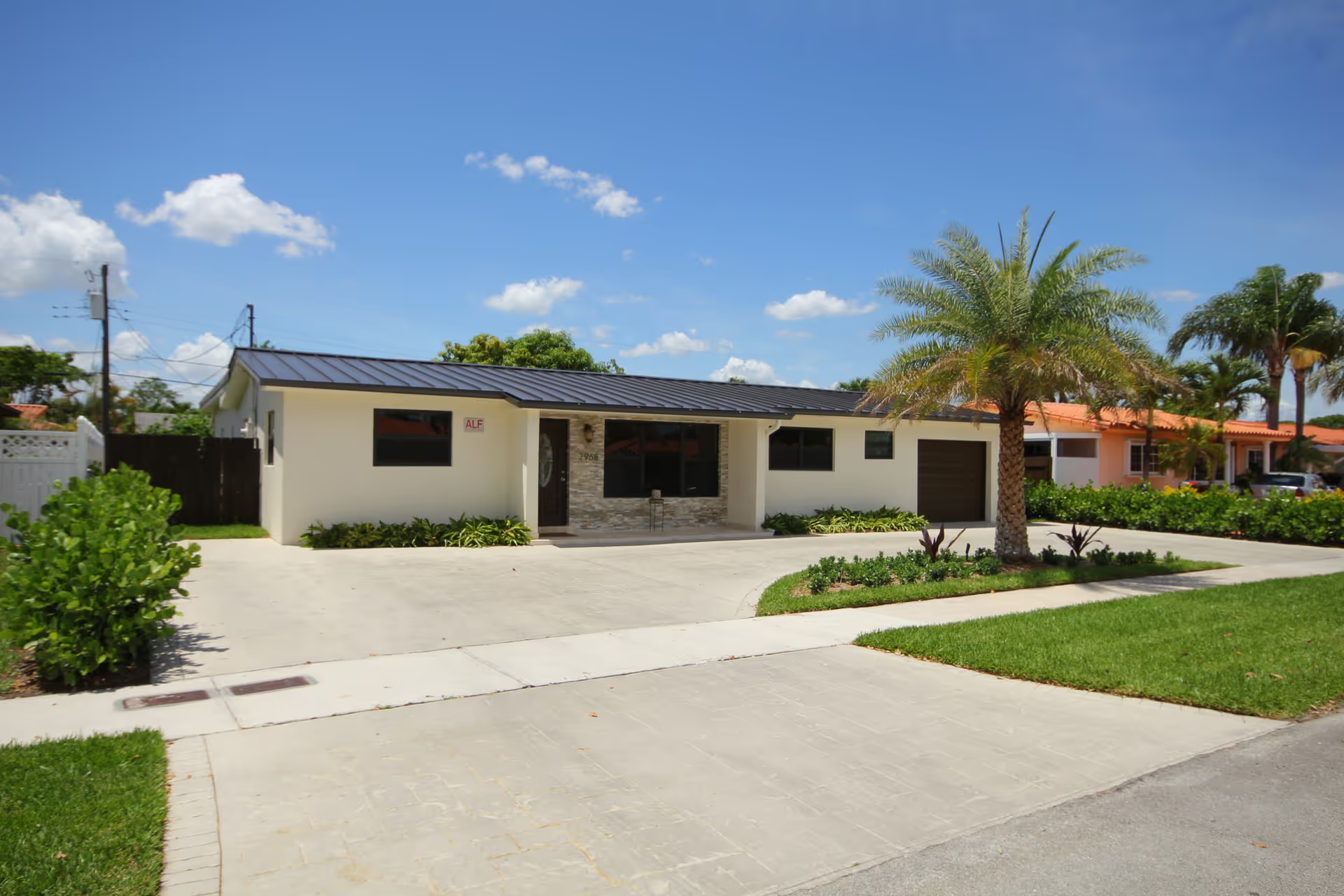
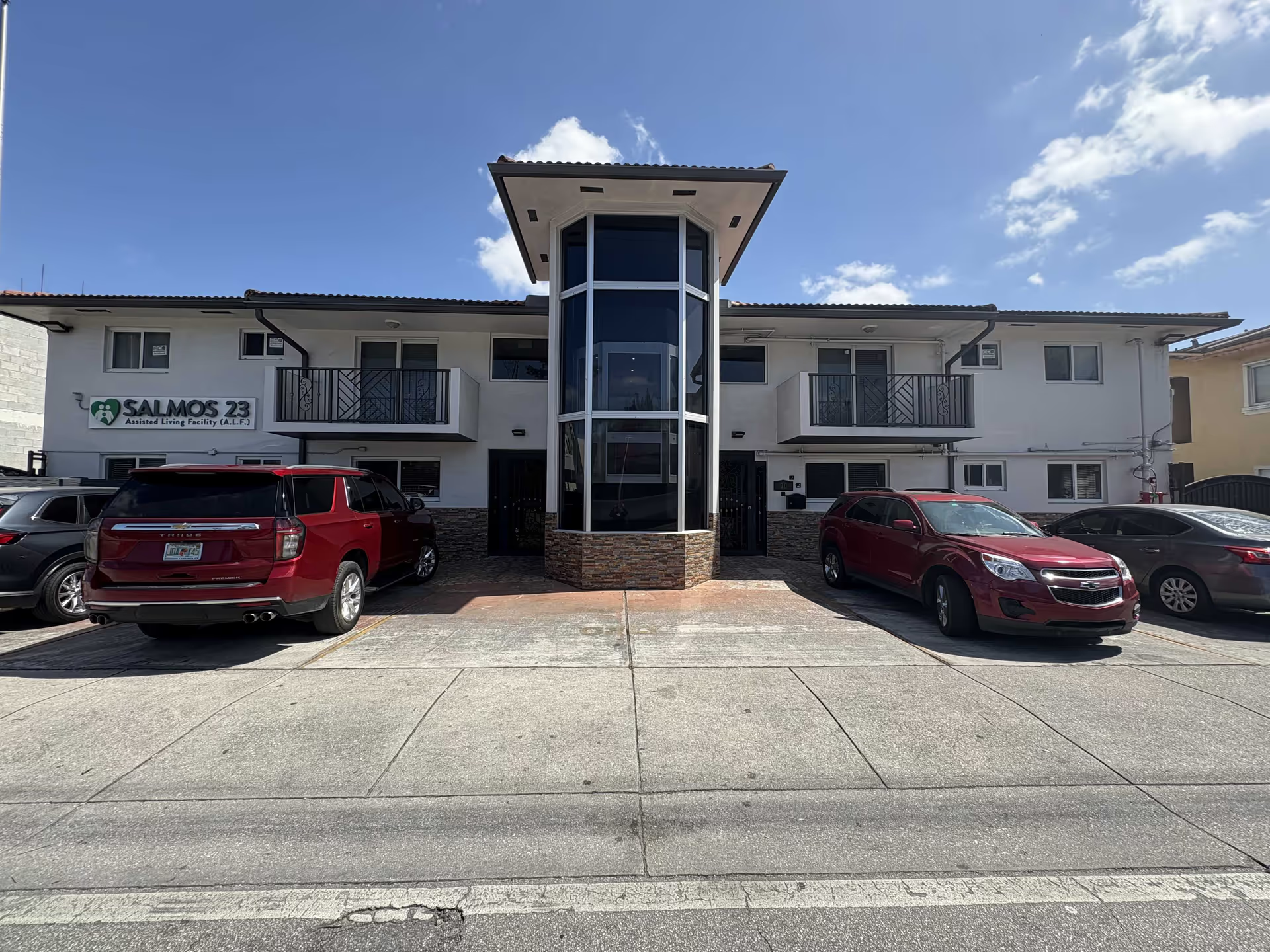
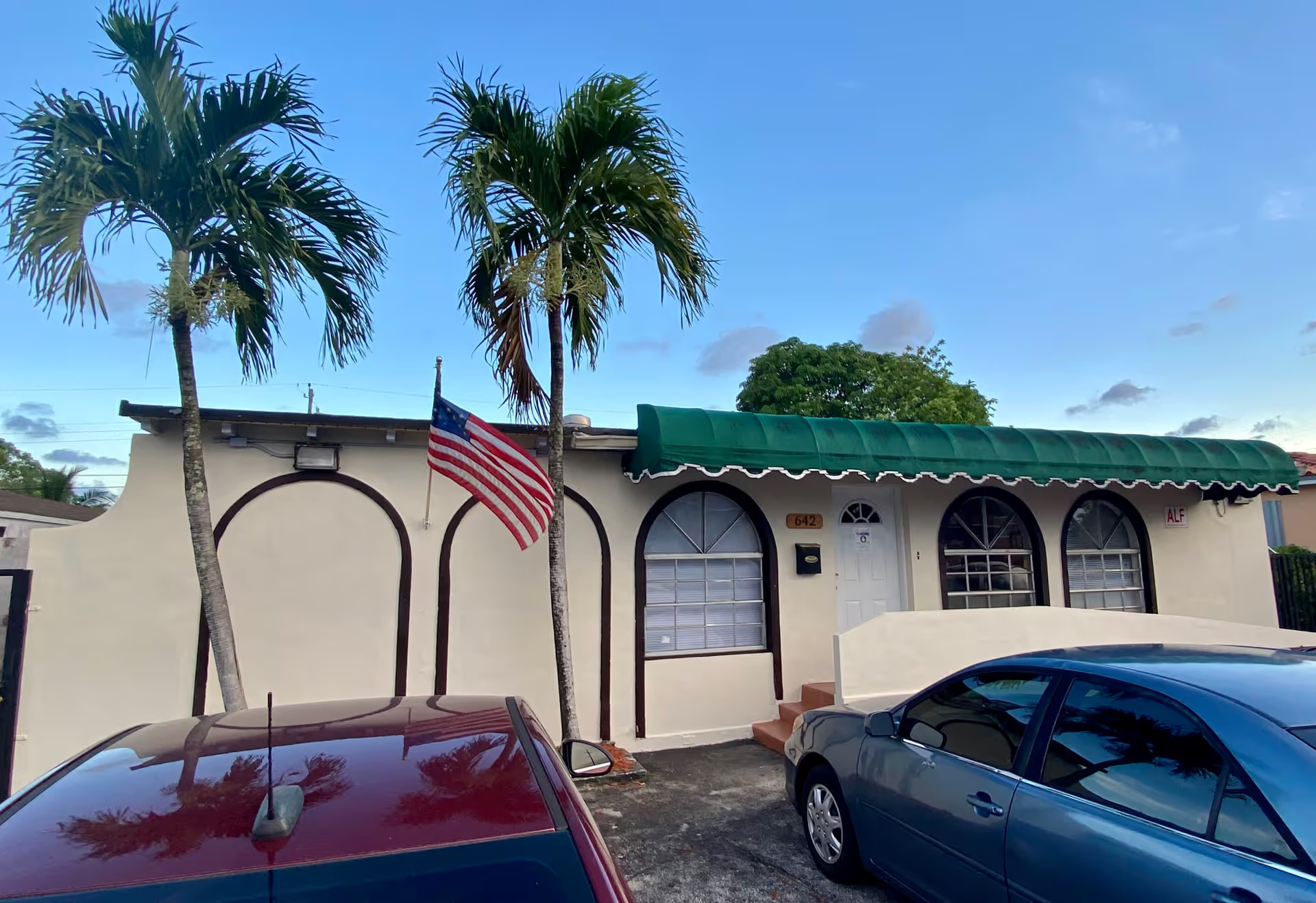
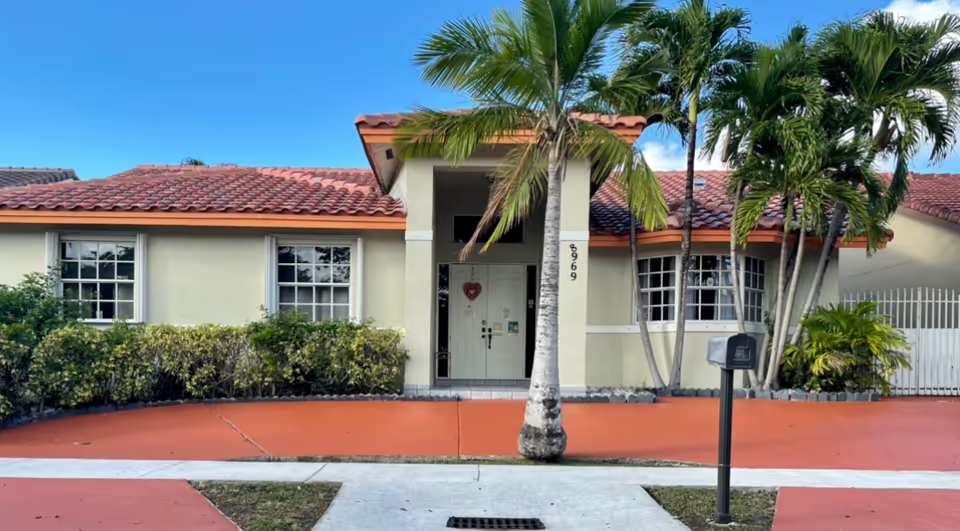
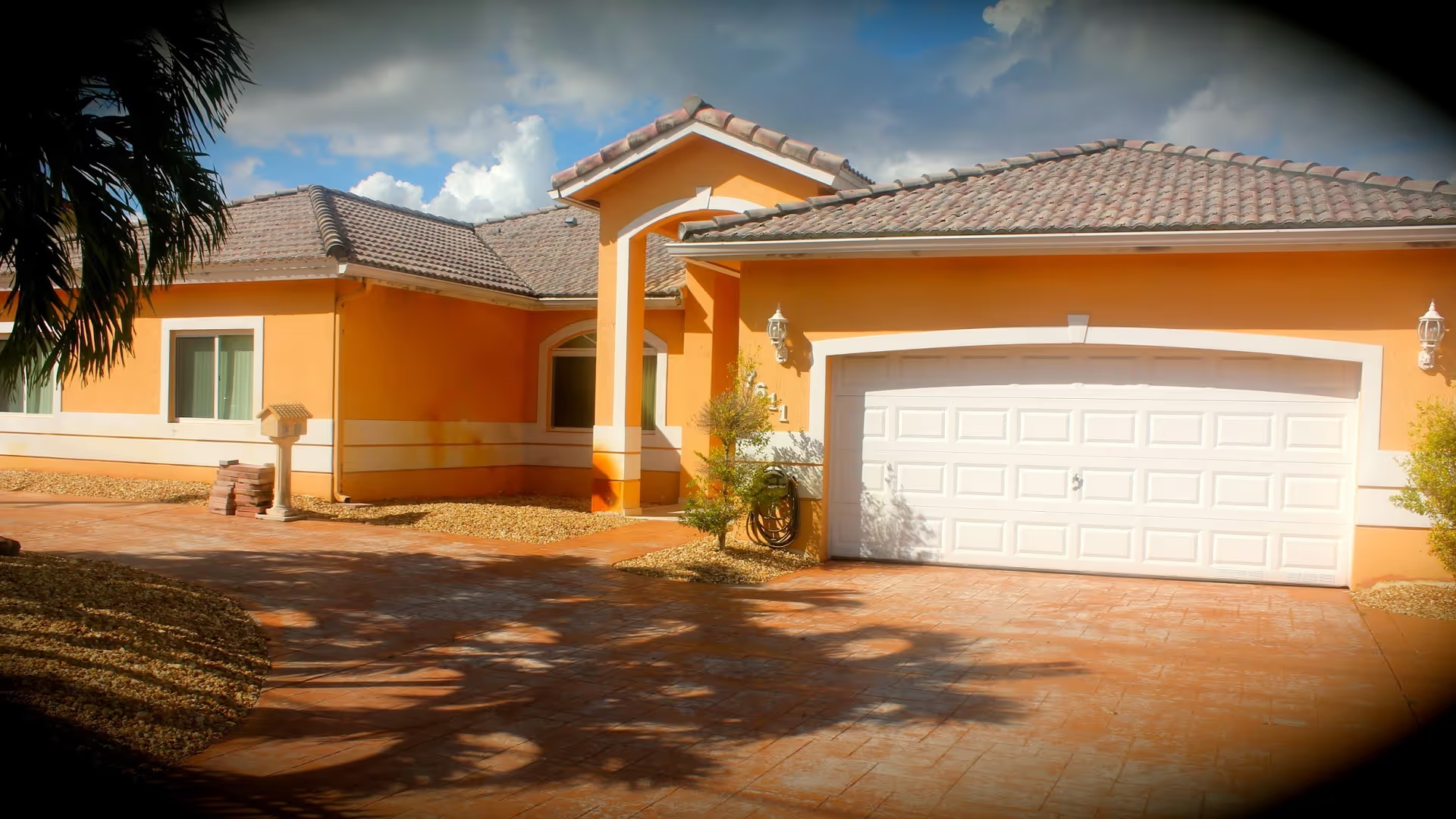
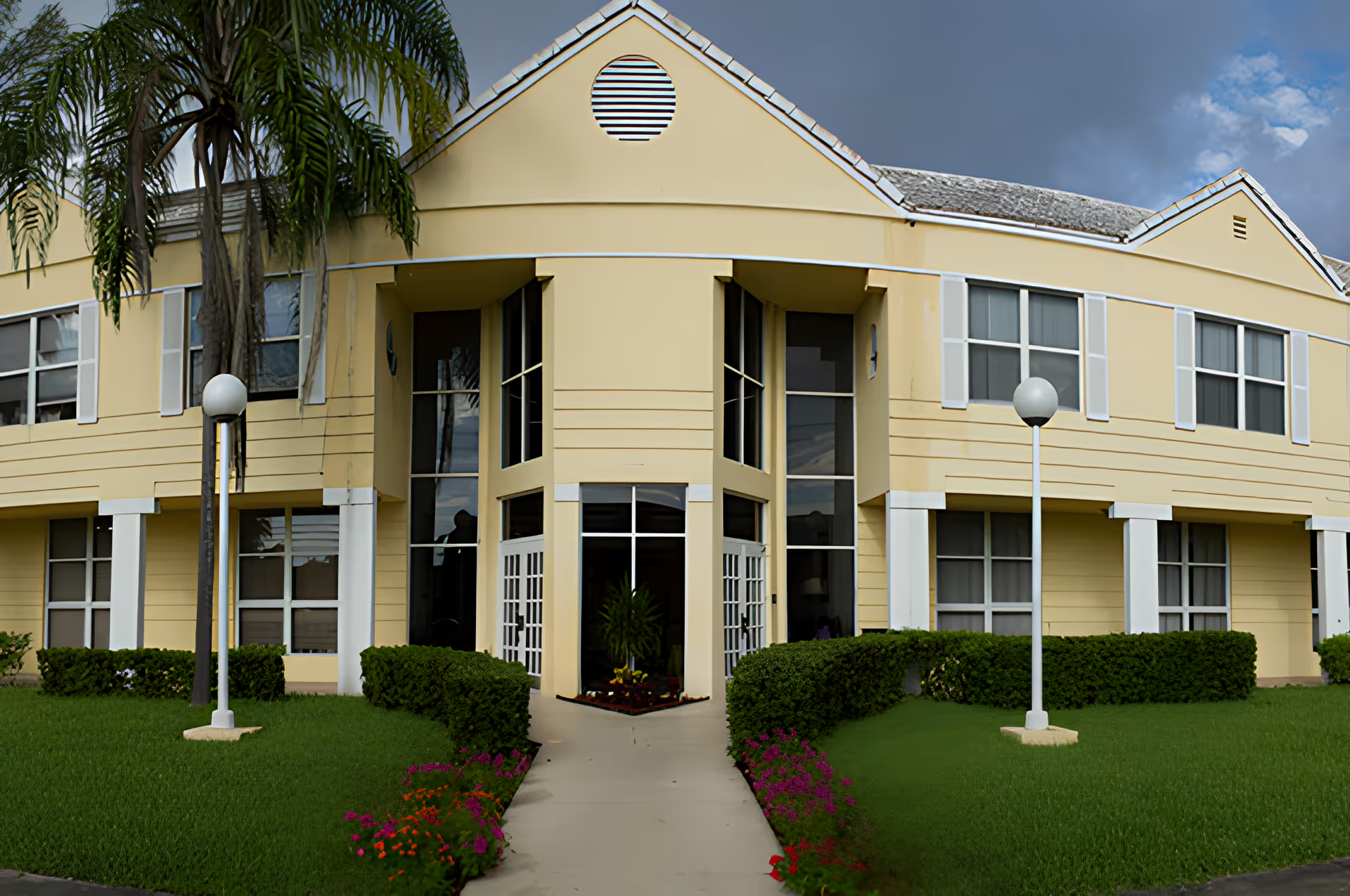
Overall impression: The compiled summaries portray a small residential facility that emphasizes a home-like, respectful environment with a strong focus on individualized, compassionate care. Families frequently describe the setting as clean, organized and peaceful; reviewers use terms that indicate residents appear comfortable, socially engaged and well supervised. The facility is consistently characterized as welcoming and family-oriented.
Care and staff: Staff are repeatedly described as caring, patient, and respectful, with an owner who is actively involved and attentive. Many comments highlight family-style interactions, warm greetings at admission, and staff behaviors that address both physical and emotional needs. End-of-life care is described as comfortable and compassionate, with reviewers expressing gratitude for the support provided during final days.
Dining and facilities: Nutrition and meal quality are noted positively — reviewers describe tasty, home-cooked meals and adequate dietary attention. Facility-level impressions focus on cleanliness, organization and a tranquil atmosphere; safety and basic maintenance are presented as strengths. The combination of a tidy interior and a calm setting supports the overall sense of security families report.
Activities and social life: Multiple accounts indicate active social programming and opportunities for engagement (examples mentioned include games, outdoor time and general socialization). However, there is variation in how consistently activities are available; at least one summary cites an absence of activities. Prospective families should verify the current activity calendar and how it is staffed or scheduled.
Notable patterns and cautionary points: While the tone is predominantly positive, summaries also surface operational concerns that merit verification during a visit. Staffing levels and the facility’s capacity to manage higher-acuity clinical needs are identified as potential limitations. These limitations can contribute to inconsistent activity offerings and occasional concerns about responsiveness or communication. For families considering placement, asking for current staffing ratios, examples of care plans for higher-dependency residents, the activity schedule, and protocols for medication administration and family communication will help clarify whether the facility’s operational model matches the prospective resident’s needs.
Bottom line: Angeles Residential Inc. projects a strong culture of warmth, cleanliness and individualized attention with notable owner involvement and generally high family satisfaction. The primary operational risks to confirm in person are staffing adequacy, the facility’s clinical capacity for more complex care needs, and the regularity of scheduled activities and communications with families.