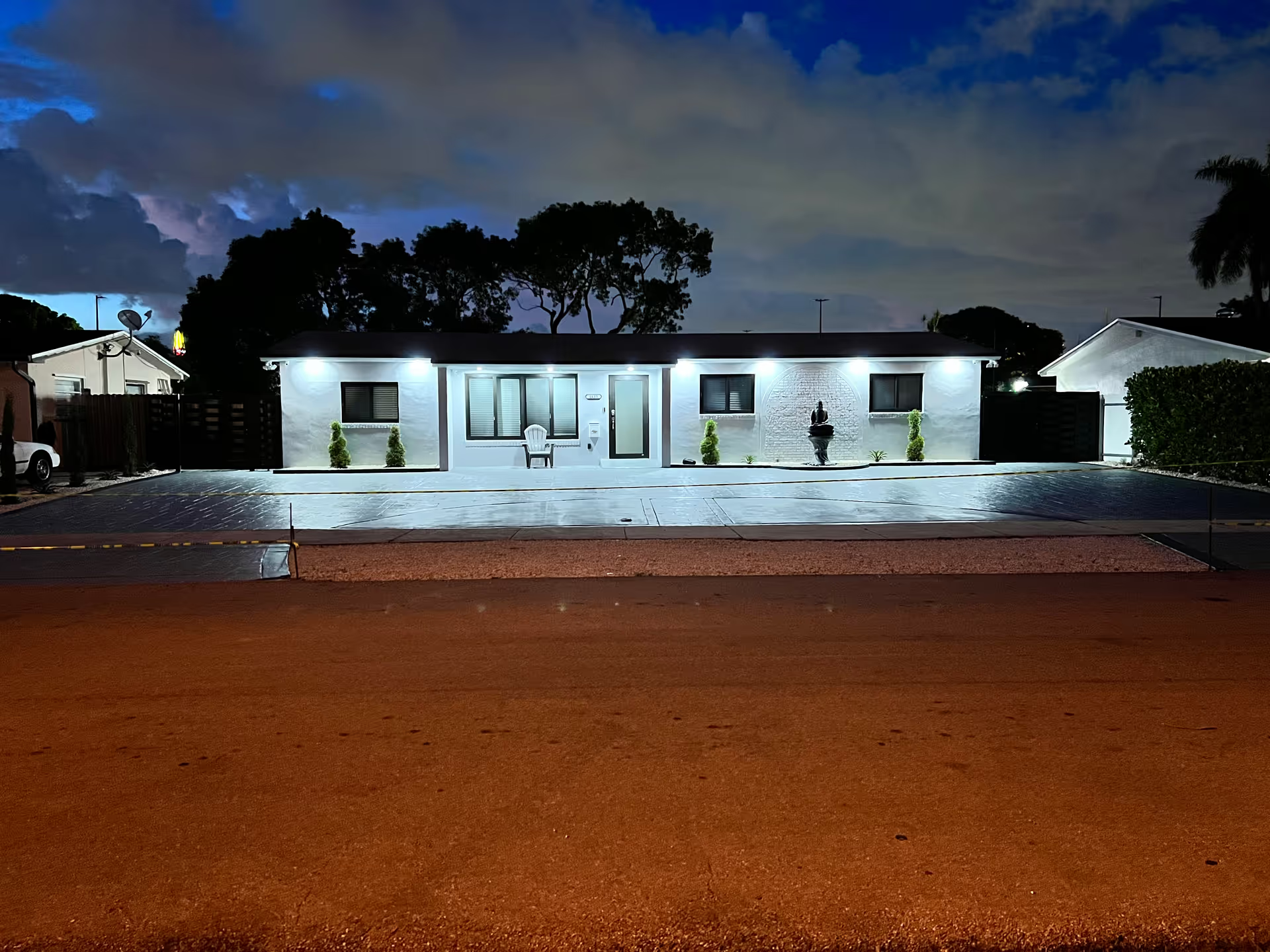
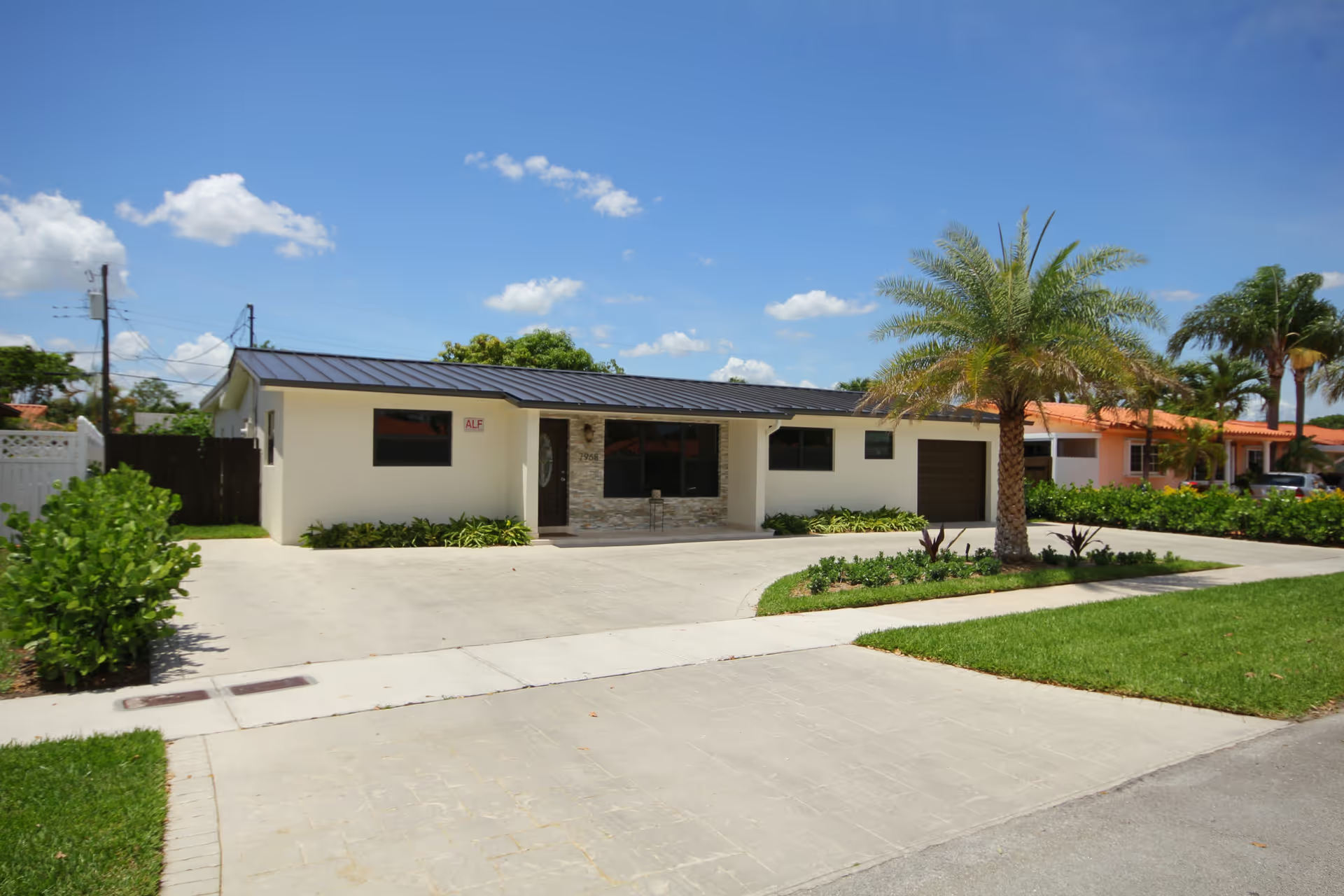
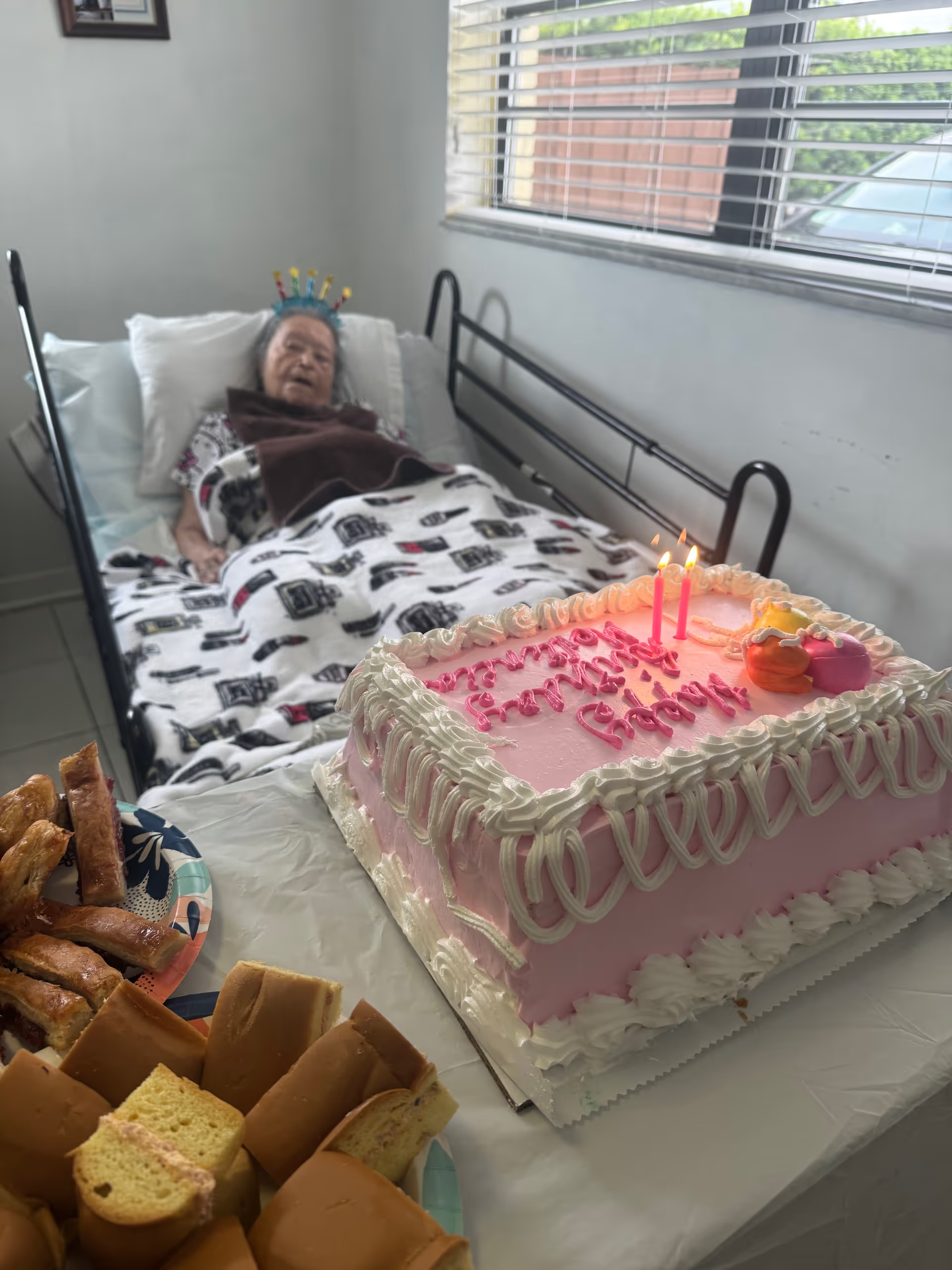
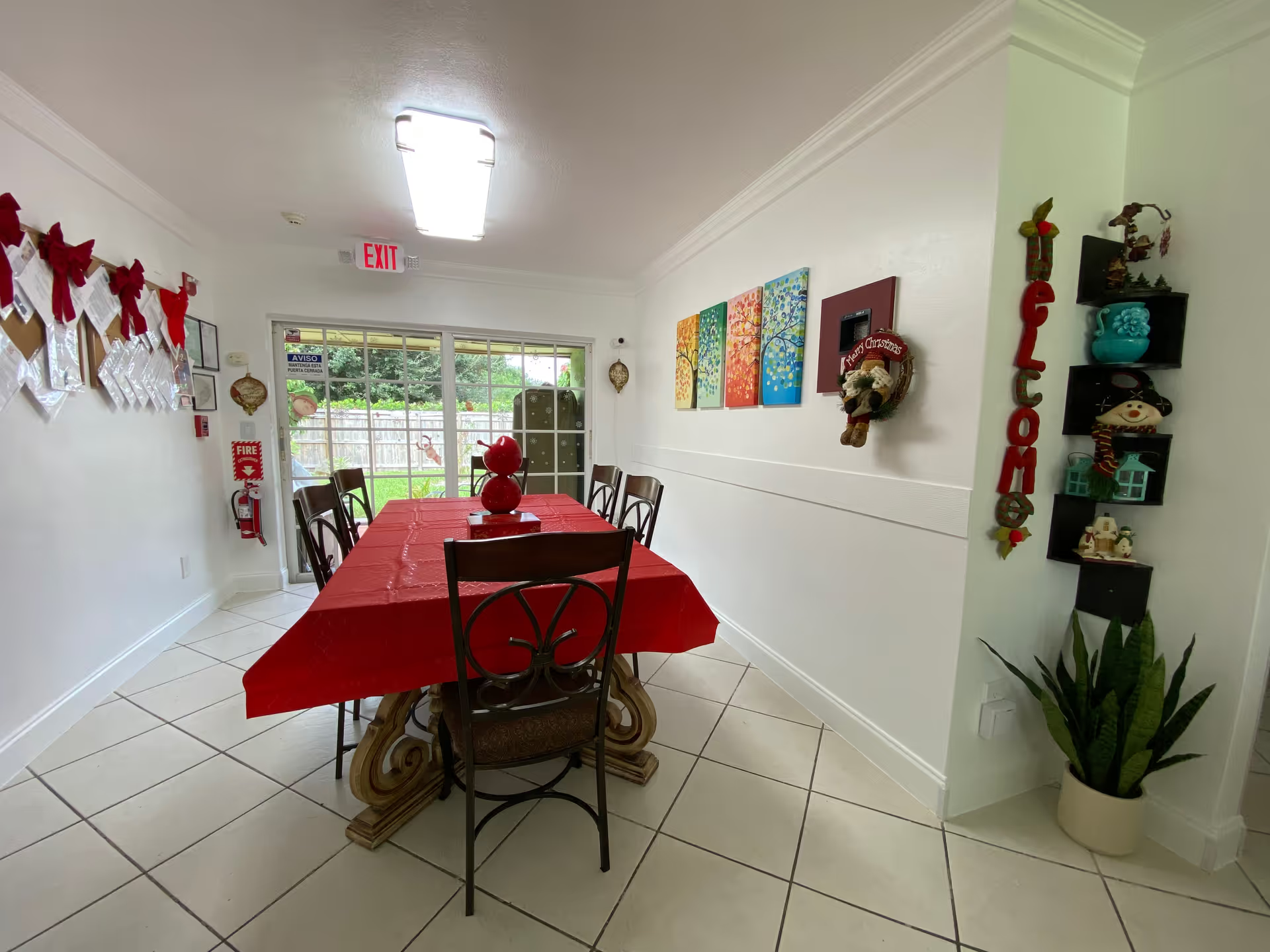
Las Palmas Senior Living elicits strongly mixed impressions. Many families and residents praise the facility’s clean apartments, renovated interiors, and campus improvements such as a new gazebo. Multiple reviews highlight attentive nursing, skilled CNAs, and notable wound‑care expertise; therapy and rehabilitation services also receive frequent positive mention for producing good functional outcomes. Support functions—housekeeping, transportation, social work, and admissions—are often described as helpful and supportive, and the community offers a range of amenities (chapel, beauty salon, gym) and bilingual Spanish‑language programming that many residents find culturally affirming.
At the same time, a substantial portion of feedback points to operational weaknesses that affect care consistency. Common themes include variable staff responsiveness and tone, uneven clinical coordination between nursing, therapy and administrative teams, and apparent understaffing that can lead to delays in assistance and in therapy follow‑through. Reviewers describe episodes that reflect broader process gaps—for example, problems with bed‑transition procedures, discharge coordination, and communication with families—suggesting the facility’s protocols for transitions and family notification may need strengthening.
Dining and housekeeping receive mixed evaluations. While some residents find the meals timely and acceptable, others raise concerns about inconsistent food quality and perceived high dining costs. Cleanliness is generally cited as a strength for living units by many, but there are also referenced sanitation and odor concerns in some common areas and variability in housekeeping responsiveness. Technology and building systems are another area of variability: some reviewers note updated apartments and pleasant common areas, while others cite dated systems (e.g., intermittent elevator reliability, limited Wi‑Fi) that affect daily convenience.
Management and culture present a divided picture. Several accounts praise supportive admissions staff, caring supervisors, and strong weekend leadership; however, others describe declines in service quality and increased rents following ownership changes. There are also serious allegations concerning personal property and financial safeguards that suggest a need to review resident‑property protocols and administrative controls. Language and social integration can be a factor for English‑dominant residents in a largely Spanish‑speaking community; families should consider social opportunities and language match when evaluating fit.
Recommendations for prospective families: Las Palmas appears to offer strong clinical and rehabilitative resources for many residents, particularly those who benefit from active therapy programs and culturally familiar, Spanish‑speaking environments. Invite specific, recent documentation of staffing levels, bed‑holding and discharge procedures, property‑safeguard policies, and food service menus/pricing during tours. Ask about shift‑to‑shift clinical oversight, family communication protocols, and examples of how management has addressed past service breakdowns to assess consistency and fit for a given resident’s needs.