Overall impression: Reviews of Oasis Home for the Elderly are polarized. Many comments praise the facility for its warm, family-like atmosphere, attentive and caring staff, high visible cleanliness, and improvements following a renovation and administrative change. At the same time, several serious concerns appear repeatedly, notably around medication oversight, construction disruption, and management practices. Prospective families are likely to encounter both enthusiastic endorsements and warnings; the following paragraphs summarize the consistent themes.
Care and clinical safety: Positive feedback highlights staff who are kind, attentive, and able to improve residents’ mood and health in some cases. However, there are facility-level concerns about medication management and clinical monitoring. Review content suggests episodes that led to hospital transfers and increased family anxiety, which point toward gaps in transfer protocols and post-incident communication. These are operational patterns to investigate further (medication administration policies, clinical-staffing ratios, and incident-response procedures) rather than one-off occurrences.
Staff and management: Many reviewers describe staff as professional, loving, and helpful, and praise individual caregivers for respectful interactions. Conversely, recurring themes include high staff turnover, inconsistency in staffing levels, and worries about staff conduct and responsiveness in certain situations. Management impressions are mixed: some note improvements under new administration and a luxury remodel that benefited residents, while others describe mismanagement at the leadership level and concerns about value for fees. Additionally, questions about the integrity of online ratings were raised and may reflect uneven transparency.
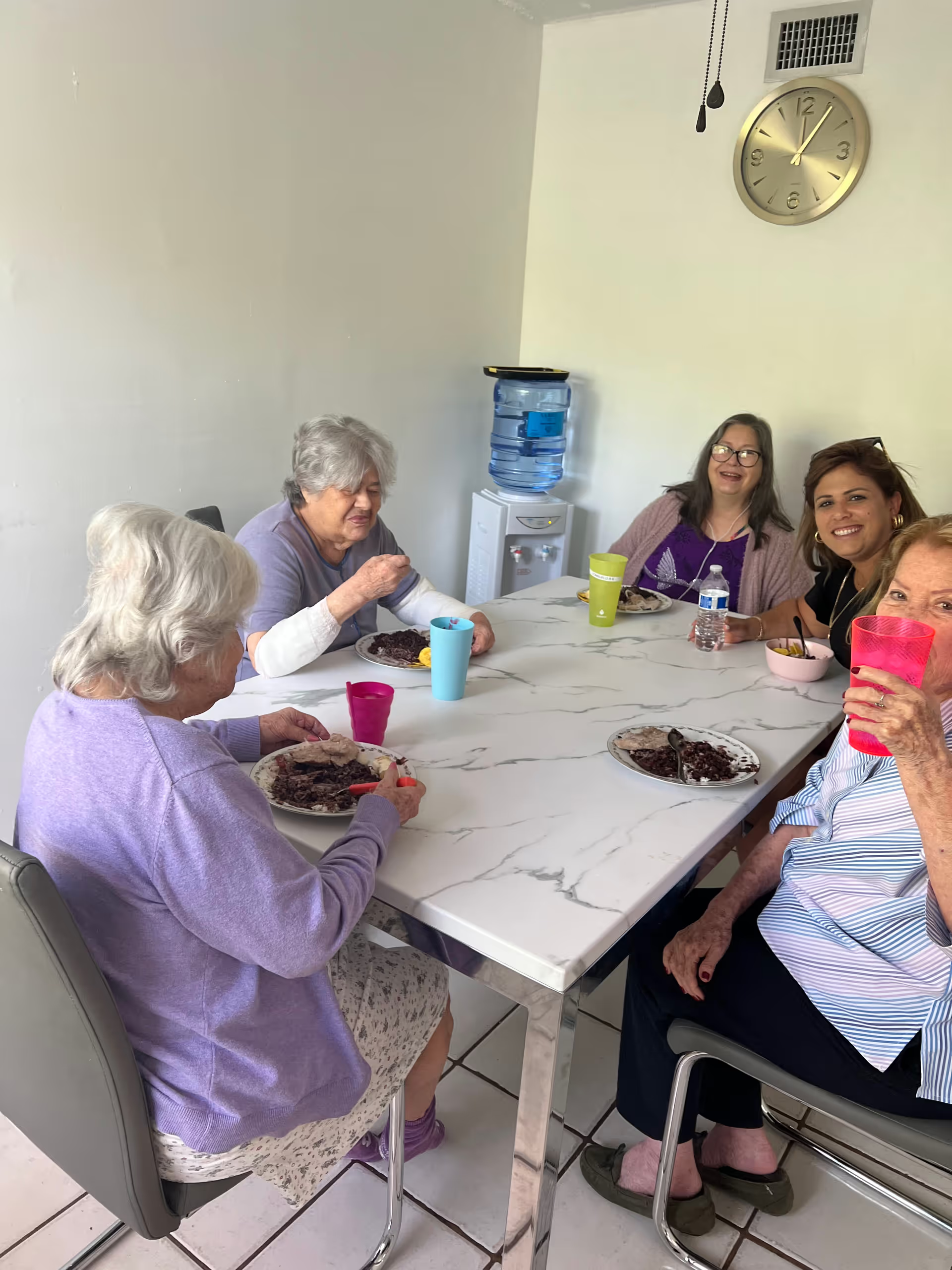
Dining and activities: Dining impressions are inconsistent. Several reviewers commend fresh, tasty meals and improved menus; others report poor meal quality and problematic lunch schedules. Meal-service continuity and scheduling reliability appear to be operating weaknesses. Socially, the facility is often described as having a strong social atmosphere and a family-like environment, but there are also comments about limited formal activities and few exercise or mobility programs, which may matter for residents needing regular physical engagement.
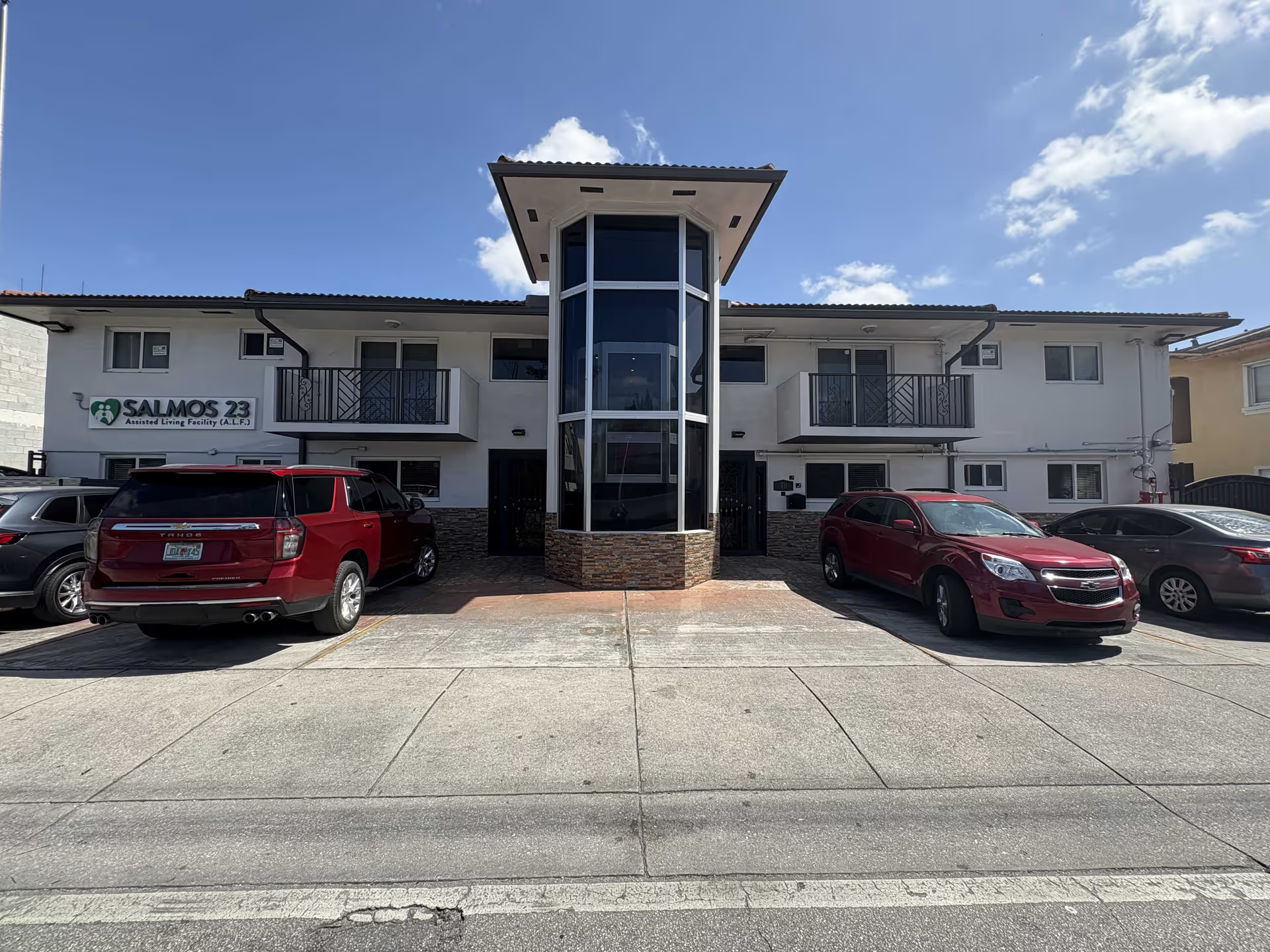
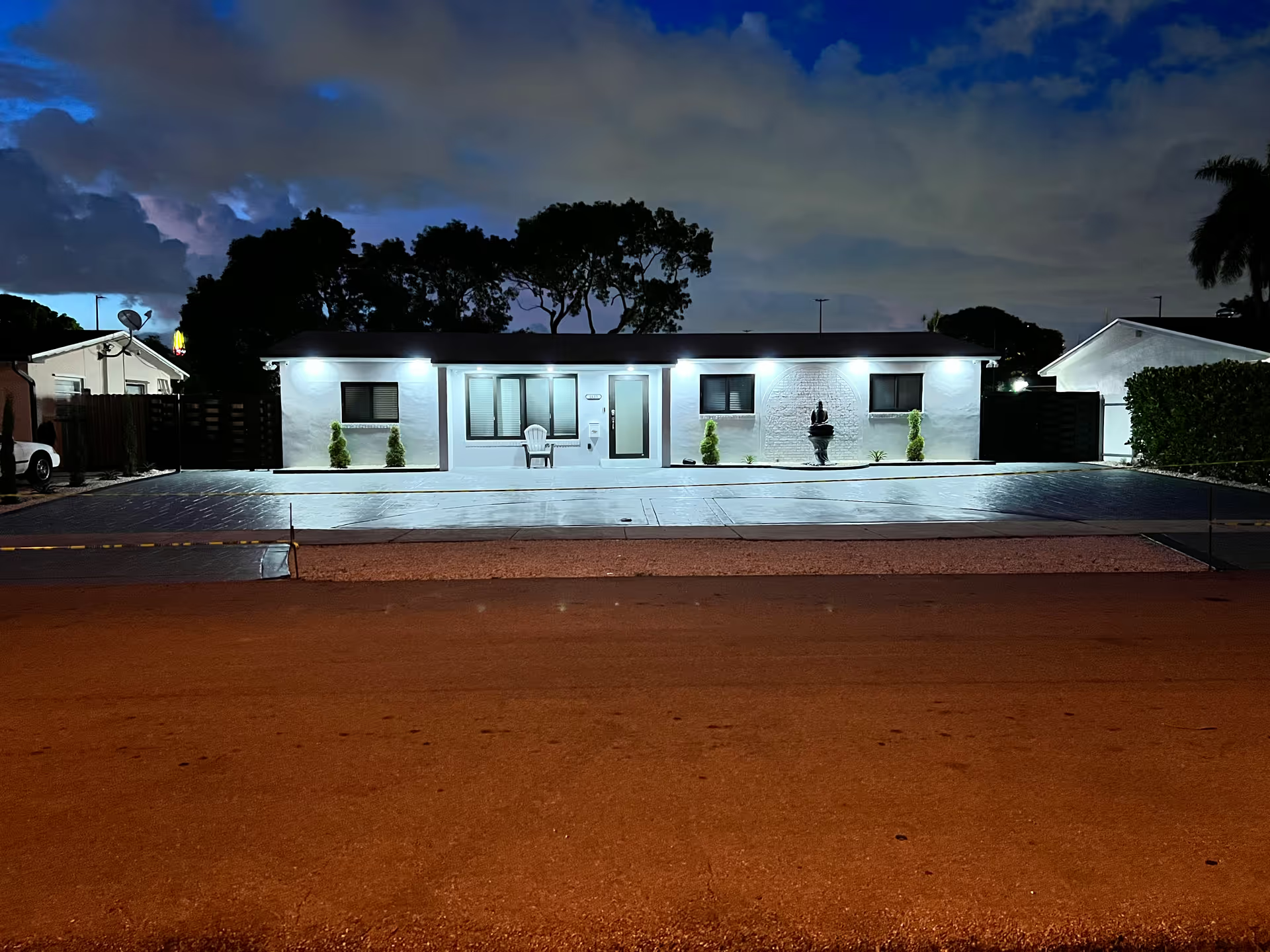
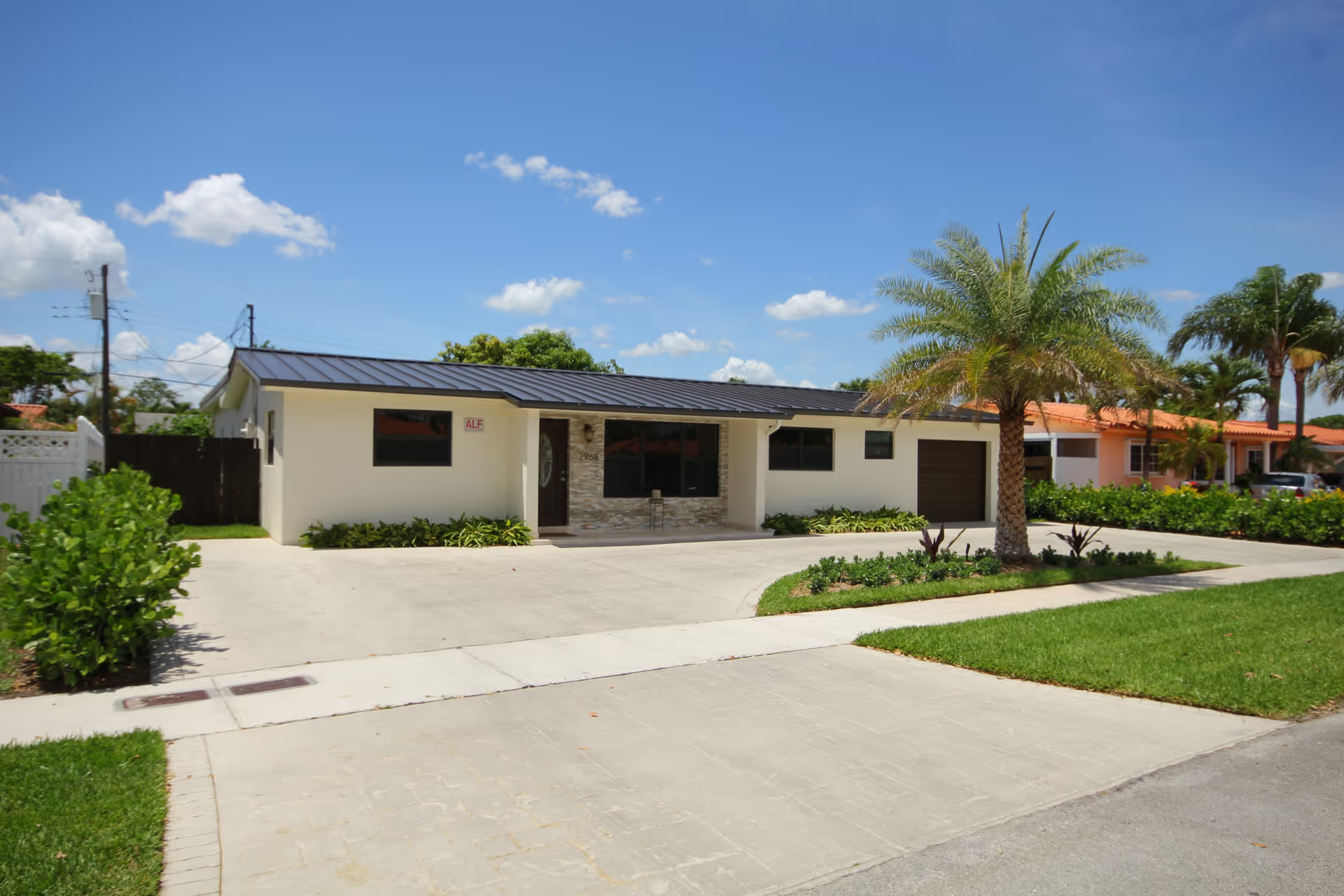
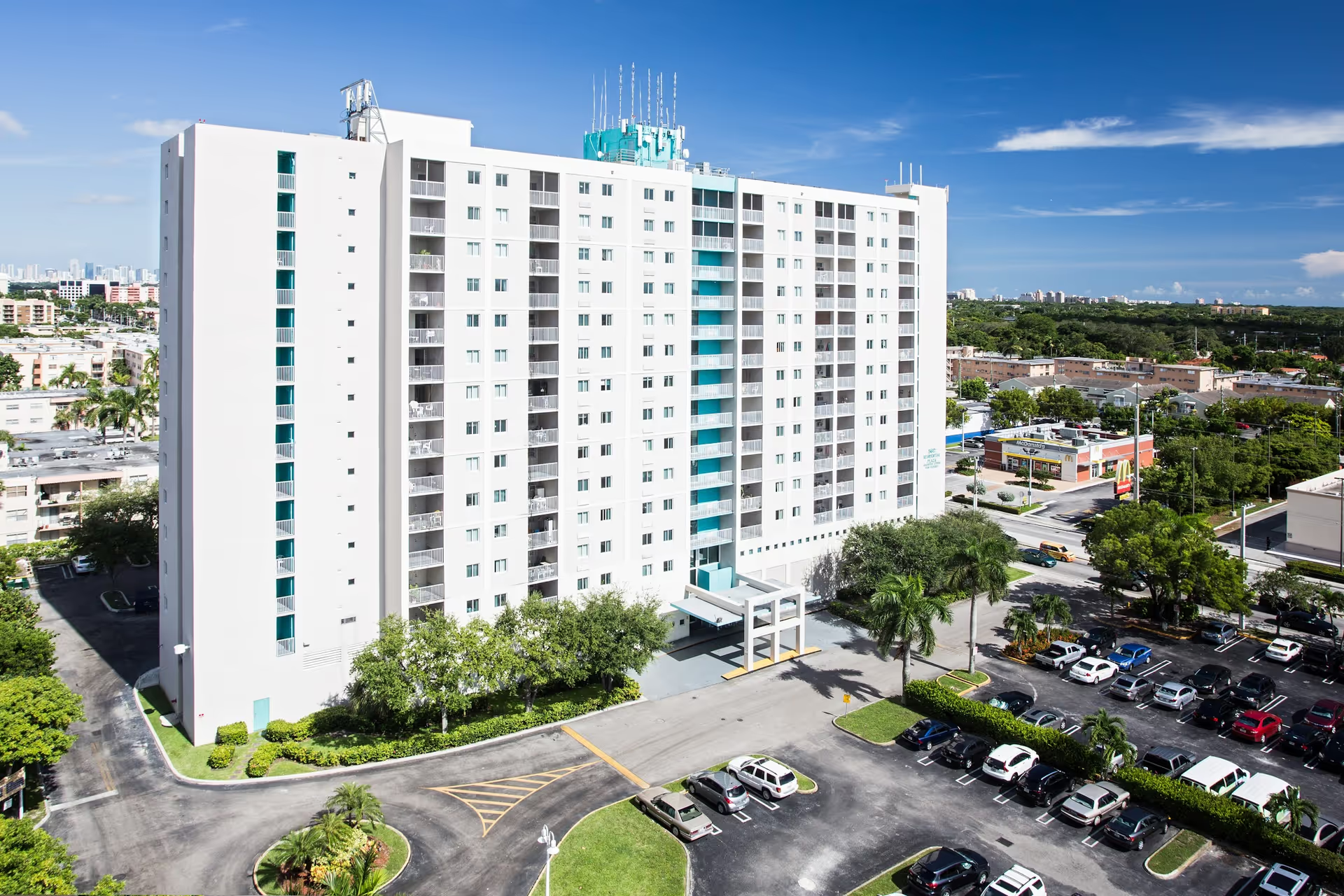
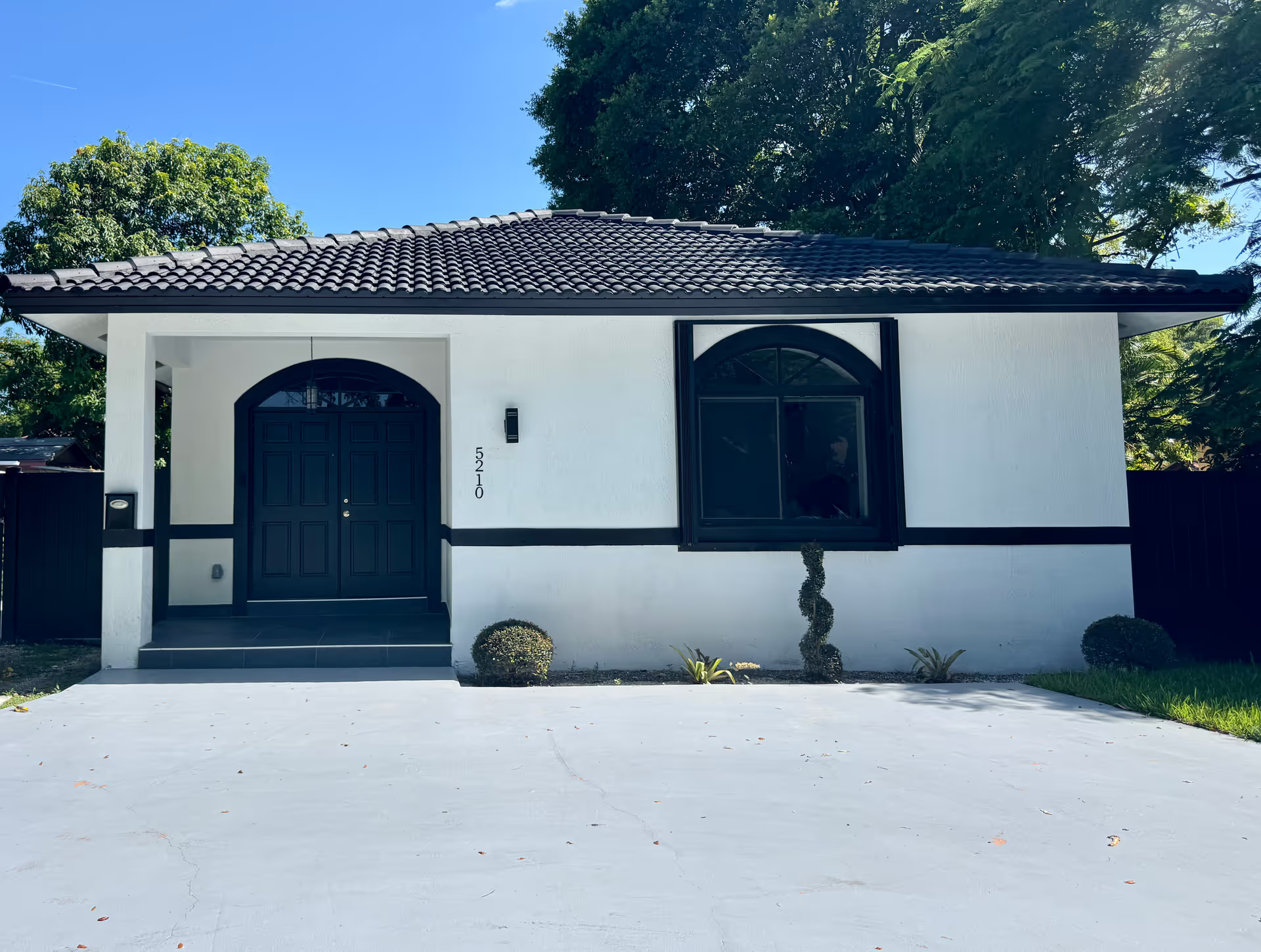
Facilities and construction: The facility has undergone remodeling that some families describe as luxury upgrades and a clear improvement. At the same time, prolonged construction and renovation management are noted as significant disruptors: persistent noise, daily dust, and insufficient mitigation measures reportedly affected residents’ comfort and well-being during the work. Cleanliness and absence of a hospital odor are commonly praised outside of the construction context, but construction-related sanitation-control gaps were specifically cited.
Notable patterns and practical considerations: The reviews show a clear split between families who experienced substantial improvement and supportive care and those who raised operational safety and management concerns. Key areas for follow-up when evaluating the facility in person include: medication-management policies and auditing, staffing levels and turnover metrics, specific construction mitigation plans and air-quality controls, meal scheduling and menu samples, activity and mobility programming, incident-response and family-communication protocols, and transparency about administrative changes and online reputation practices. These targeted questions will help clarify whether the positive experiences or the concerns are most representative for a given prospective resident.