Terrace of Hialeah elicits highly polarized impressions. Many reviewers emphasize compassionate, attentive caregiving, praising nurses, CNAs, supervisors, social workers, and therapy staff for responsive, respectful treatment. The facility is frequently described as clean and well-maintained, with a welcoming reception area, a family-oriented Spanish-speaking culture, and a robust activities program that includes bingo, dominoes, live entertainment, and structured therapy. Several families report confidence in clinical teams, 24-hour coverage, and effective discharge planning and social-work support.
Counterbalancing those positives are recurring operational concerns. Multiple reviewers describe inconsistent care quality between shifts and units, including delays in attending to resident needs and variability in bathing and continence-related care. There are also reports of gaps in medication administration and in clinical follow-up with physicians, as well as instances where infection-control practices and communication around clinical incidents were inadequate. These issues have, in some cases, led families to seek external hospital care.
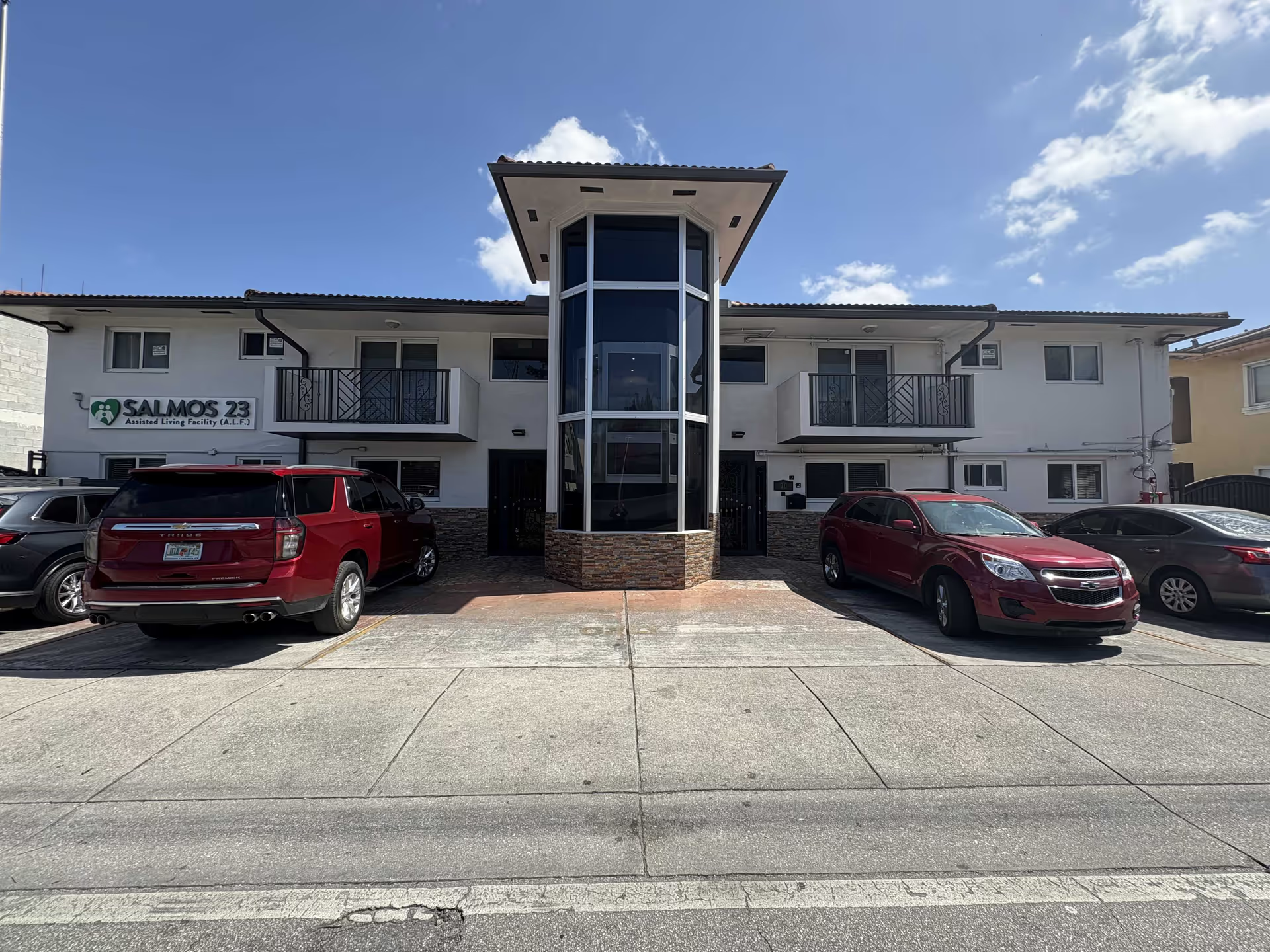
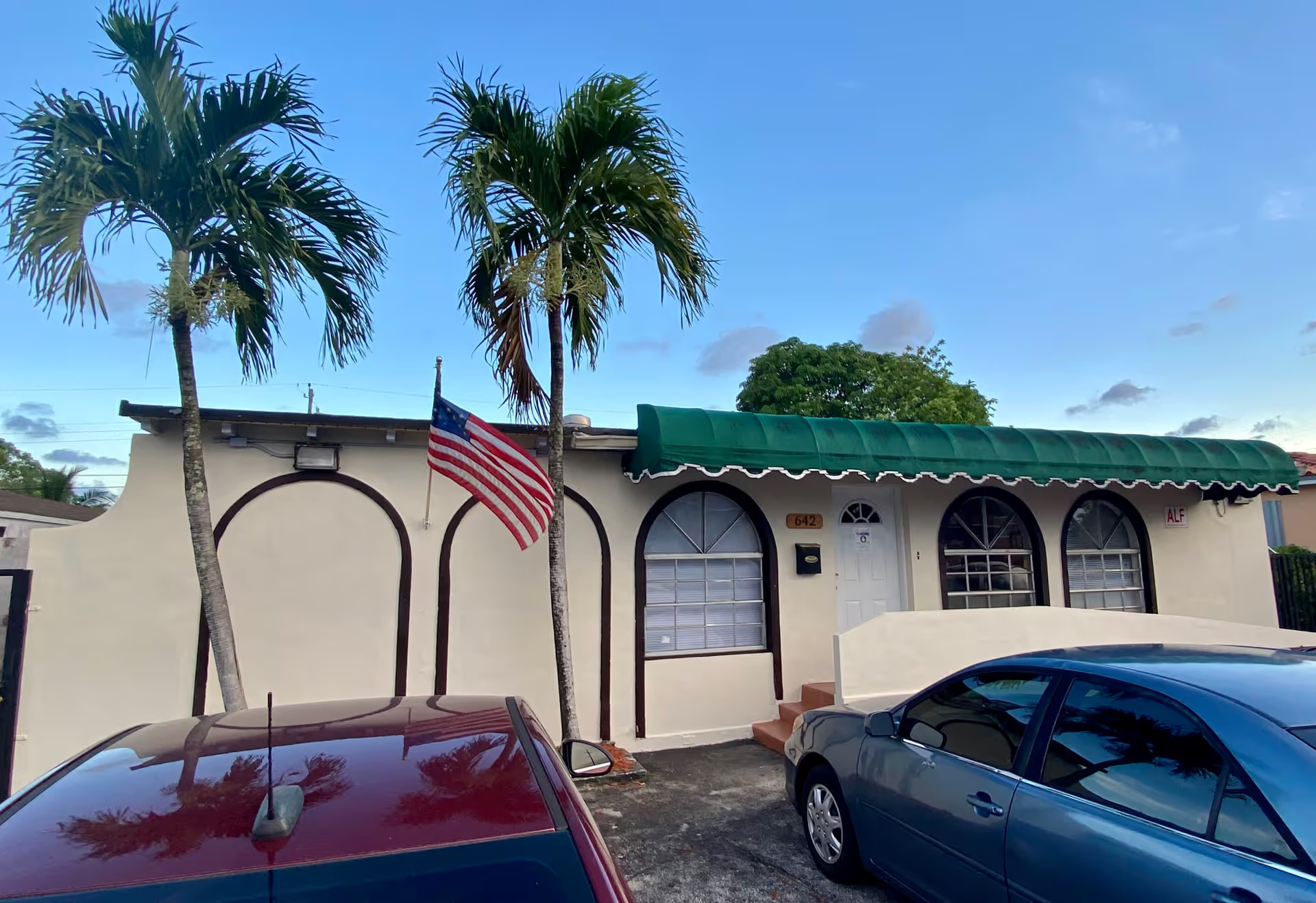
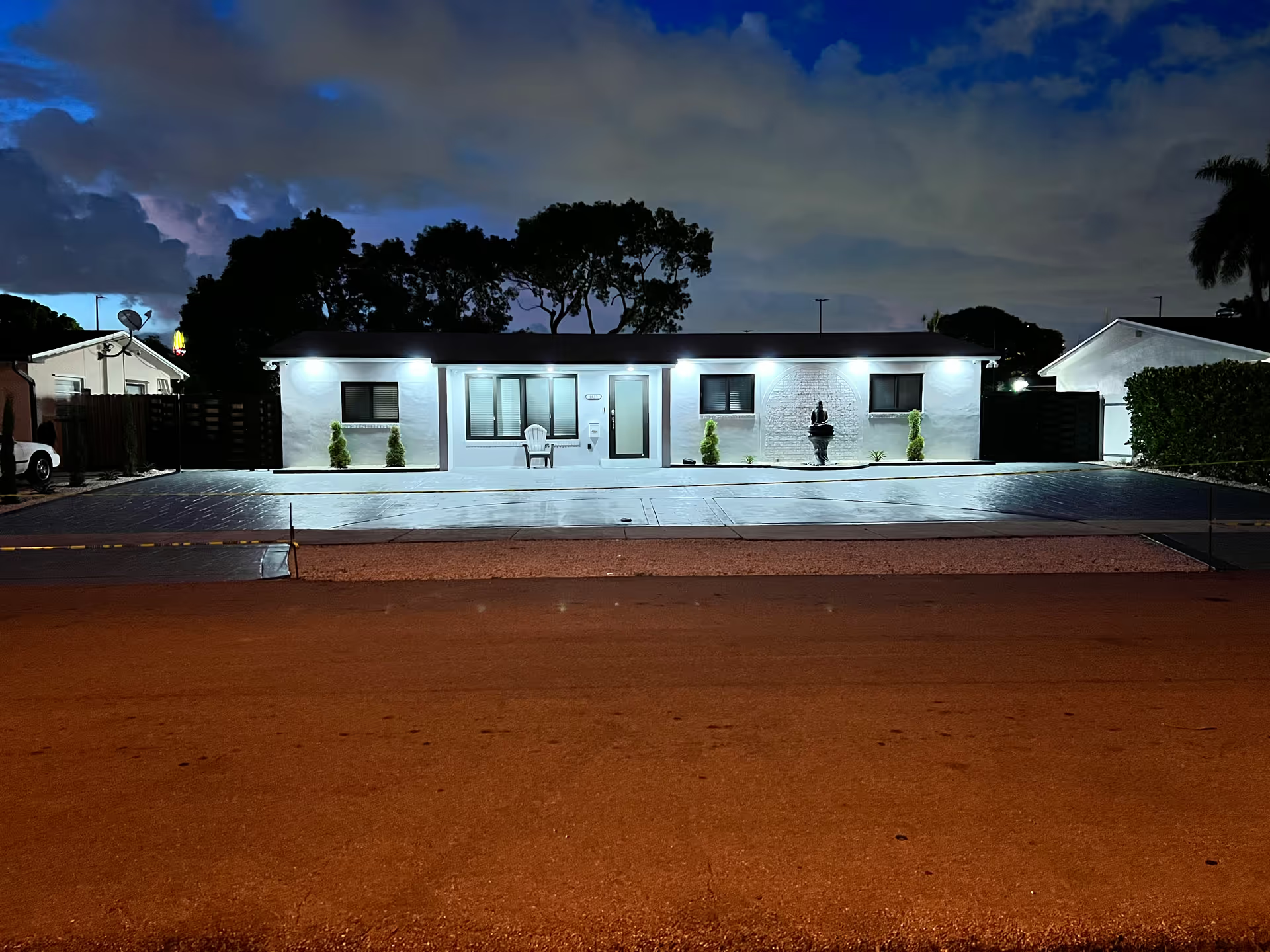
Facility and environmental themes are mixed. While many accounts note clean rooms and pleasant common areas, others cite odor concerns in particular units, overcrowded multi-occupancy rooms that limit privacy, limited outdoor access and natural light, and aging infrastructure (air-conditioning, roof and general maintenance). Wayfinding and signage inside the building have been described as confusing, and parking/drive-access can be challenging. Noise management — especially high TV volume audible across rooms — is a recurring nuisance that some families feel is insufficiently enforced.
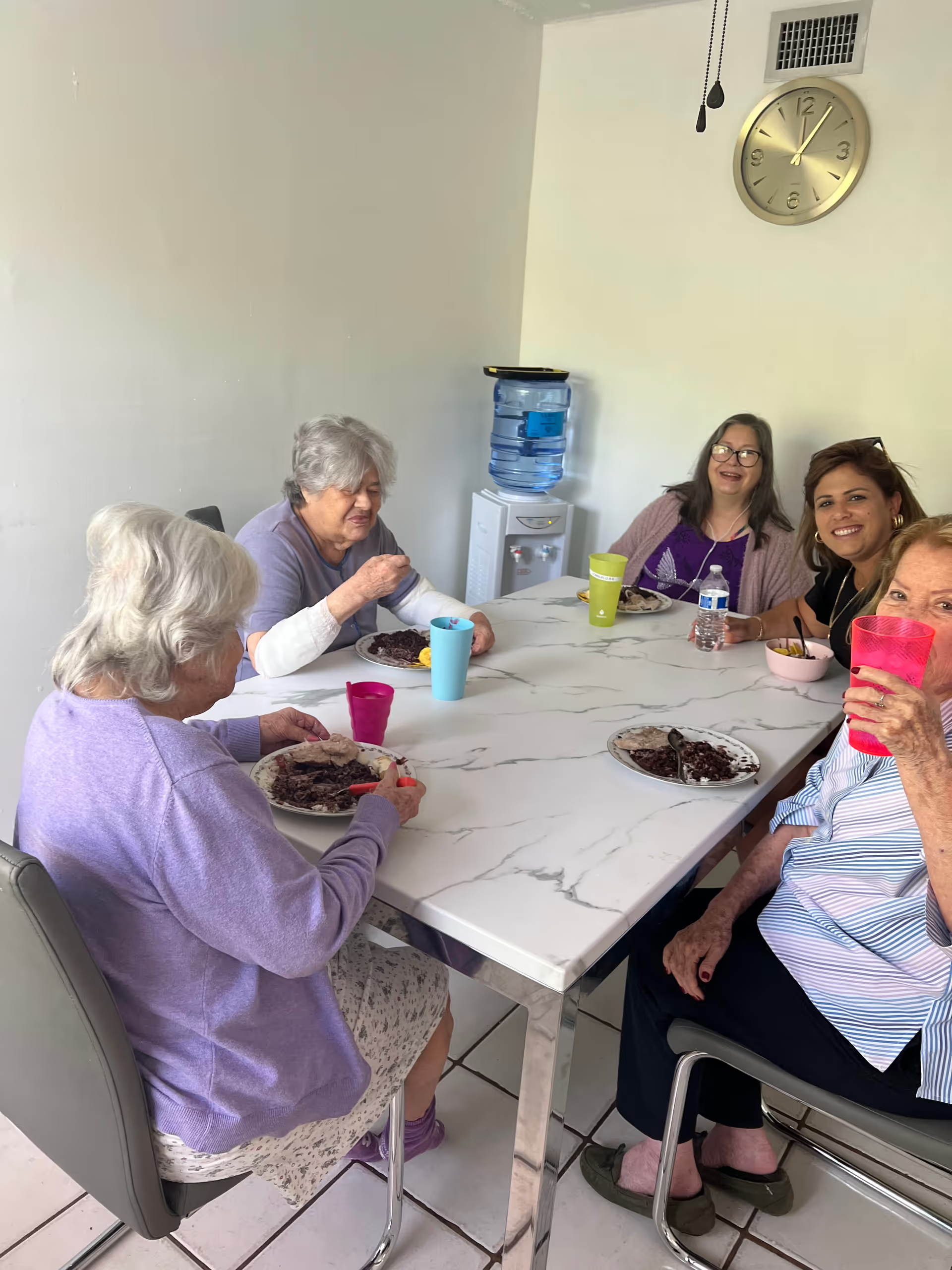
Dining and hospitality show variability: several visitors praise meals and a caring dining staff, while others report cold or plain food and inattentive meal service. Administrative impressions are similarly mixed. Some families praise accessible administrators and an accommodating admissions process; others describe inconsistent professionalism, abrupt interactions, and unclear visitation policies. A strong theme is the center’s bilingual, Latinx-oriented environment, which many families value but which some English-speaking residents find to be a communication barrier.
Notable patterns for prospective residents and families: the site can provide high-quality, compassionate care with active rehabilitation and social supports, particularly for Spanish-speaking elders. However, the experience appears dependent on unit assignment and staff on duty. Visitors should confirm room occupancy (single vs. multi-bed), staffing ratios and supervision, medication and physician-contact protocols, infection-control policies, property-protection procedures, visitation rules, and opportunities for outdoor access during an in-person tour. Asking specific questions about responsiveness during nights and weekends, noise policies, and how the facility addresses sanitation and odor concerns may help set expectations before admission.