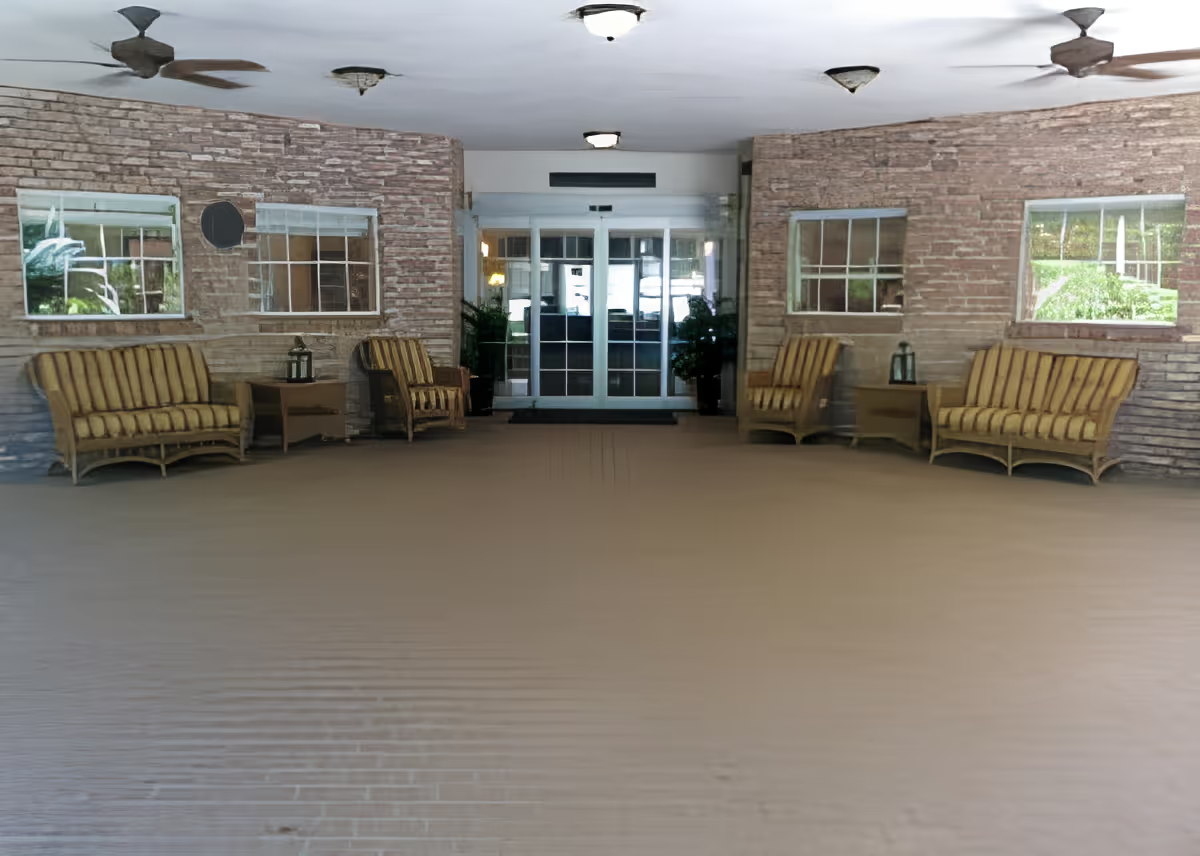
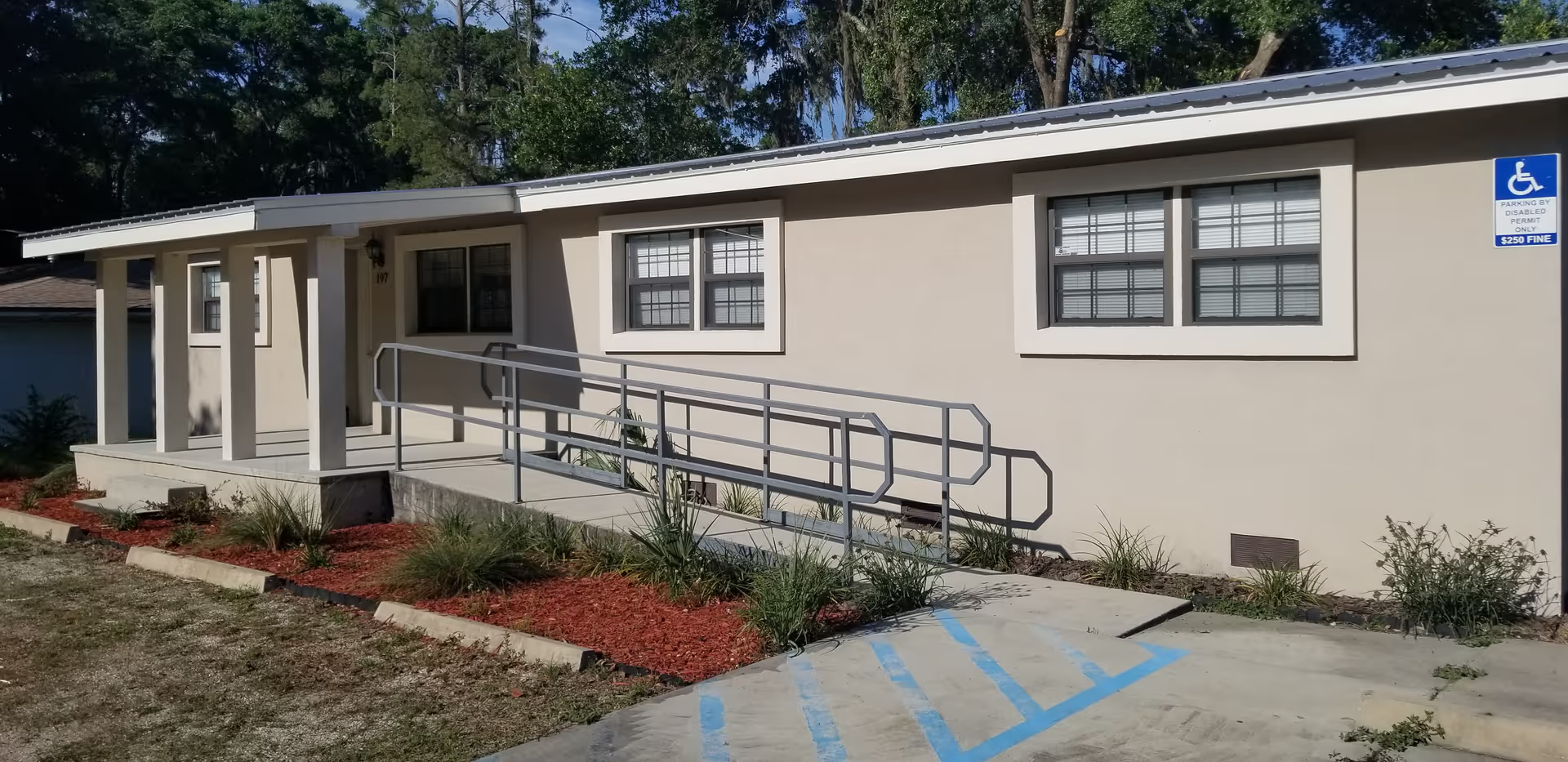
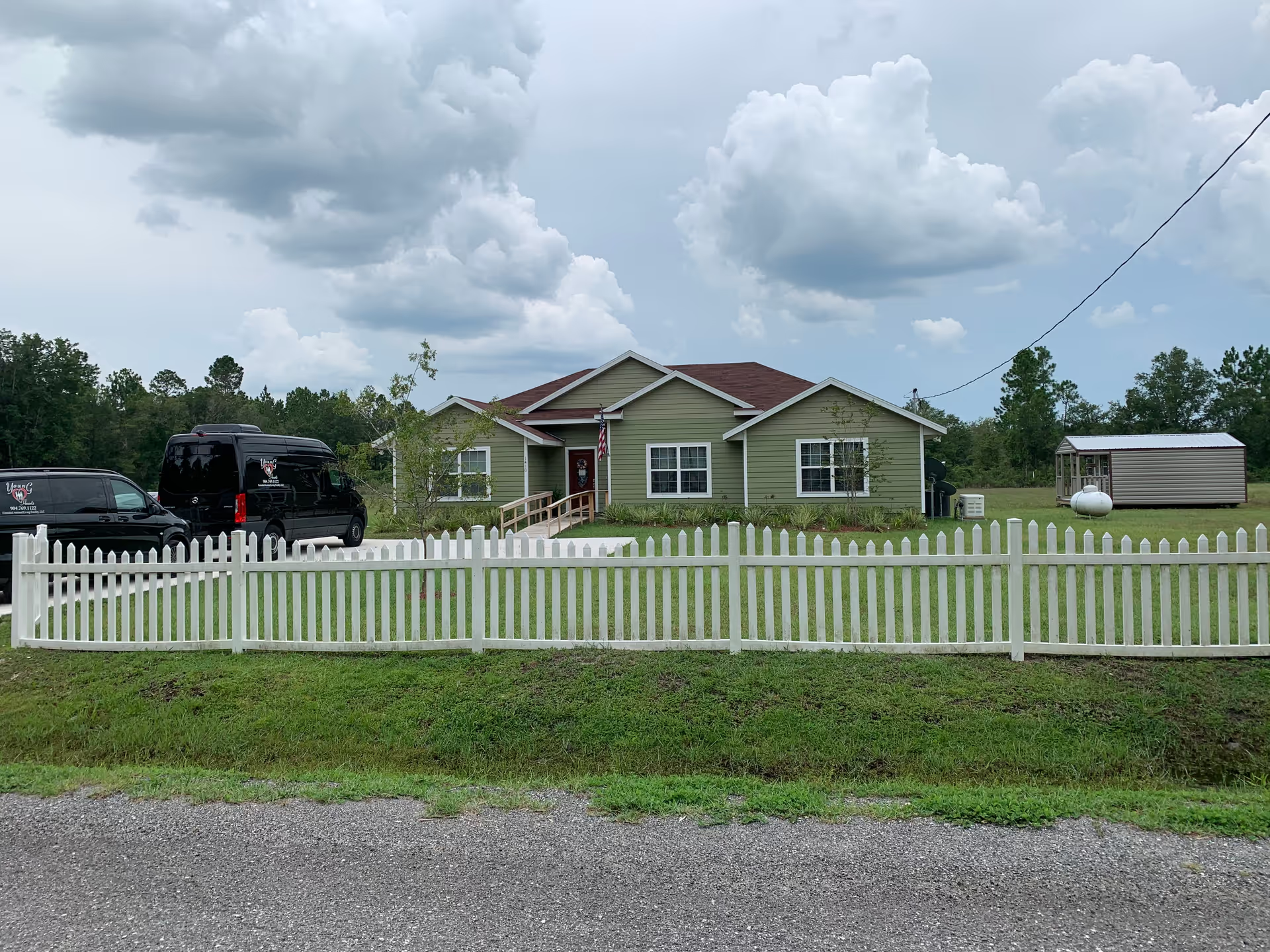
Plantation Oaks Senior Living presents a generally positive picture in several operational areas while also showing recurring operational weaknesses that prospective residents and families should evaluate. Many families praised the facility for its compassionate, welcoming staff, clean and well-maintained interiors, and a visible management presence. The community includes new assisted-living units and a home-like atmosphere, and reviewers often highlighted engaging organized activities (daily walks, crafts, music and dance) and a safe, pleasant environment. Admissions and tour staff are frequently described as informative and helpful, and several families credited leadership and stable caregiver teams for good continuity of care.
Care quality and staffing: Reviewers commonly described caring interactions and stable caregiver relationships, but staffing consistency appears uneven. Accounts of staff shortages and schedule variability suggest the facility may experience periods of understaffing or reliance on temporary coverage. There are also multiple references to clinical-response concerns: families described delays or unsatisfactory communication when medical issues arise, and some noted an automatic emergency-medical-service protocol that can result in EMT calls for falls or ER transfers without clear family consultation. Those patterns point to gaps in clinical-incident response and family communication that deserve direct clarification during a tour or intake conversation.
Dining and activities: Dining receives generally favorable comments for meal quality and variety from many reviewers, and the activities program is consistently noted as robust and resident-focused. At the same time, a subset of reviewers mentioned limited menu variety and occasional dissatisfaction with dining choices. Tour experiences also varied (for example, some guests were not offered food samples). Overall, the facility appears to offer active programming and routine social opportunities, but menu rotation and dining options may be an area to probe further.
Facilities and operations: The physical environment is frequently described as clean, modern, and well maintained, with several reviewers specifically naming new assisted-living units. However, operational issues appear in maintenance and housekeeping workflows: broken blinds or delayed repairs, laundry mix-ups and missing linens or towels, and isolated sanitation or pest-control concerns were noted. These suggest inconsistent responsiveness from maintenance and support departments rather than a uniformly deficient environment.
Memory care and clinical management: Comments about the memory-care neighborhood were mixed to negative. Some families are uncomfortable with the condition or organization of memory-care residents and described that unit as disorganized; others praised staff competence in dementia care. Given the variability, families considering memory care should request specific information on staffing ratios, supervision practices, and unit organization.
Management, communication, and cost: Leadership and front-line management received positive mentions for engagement and communication in many reports, but communication around clinical incidents and emergency decisions is an area of concern for some families. Pricing also emerged as a practical consideration: several reviewers noted that rates can be higher than alternatives in other markets, and some families reported affordability pressures or price hikes that affected perceived value.
Recommendation: Plantation Oaks has many strengths — compassionate staff, clean and modern spaces, active programming, and an organized admissions process — but also exhibits operational inconsistencies that matter for day-to-day care: staffing variability, clinical-response protocols, maintenance and laundry processes, memory-care organization, and pricing stability. Prospective residents and families should tour the community, ask targeted questions about fall-response procedures and family notification, review maintenance and laundry policies, sample the food, and obtain current pricing and contract terms before deciding.