Life Care Center of Hilliard presents a mixed but commonly consistent profile: many families and patients praise hands-on caregivers, therapy services, and a clean, comfortable environment, while others describe operational gaps that affect continuity of care. The facility receives repeated positive comments about the frontline staff — nurses, CNAs and therapists are frequently characterized as compassionate, personable and effective. Physical and occupational therapy are highlighted as strengths, with measurable rehabilitation successes noted by families. Social services and admissions staff are also singled out for helpful case management and transition planning.
Care quality is uneven across accounts. Several reviewers describe prompt, attentive assistance and meaningful clinical progress; however, others cite delayed response times to call lights, inconsistent medication timing, and concerns that medication changes were not proactively reviewed. There are recurring mentions of pressure-injury management and wound care being inconsistent: some individualized clinical interventions are praised, while other accounts indicate gaps in turning and wound oversight. Documentation and handoff processes are another area of variability, with a small number of allegations about inaccurate records and broader comments about inconsistent charting and communication between shifts.
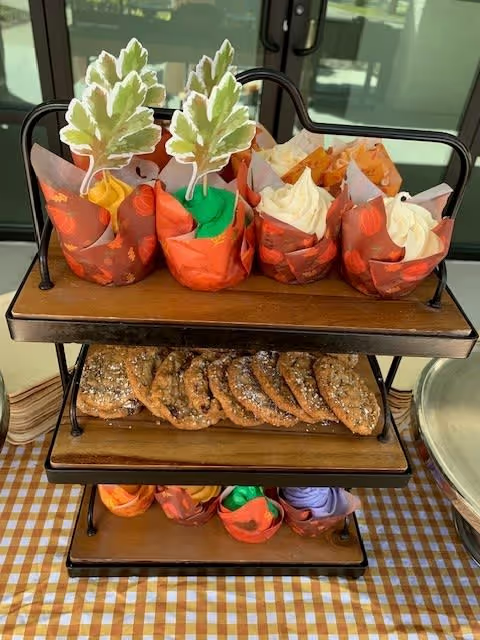
Dining and activities are generally positive features. The center offers on-site meal preparation, daily meal choices, and a wide range of social programming including walks, bingo, musical events, religious services, pet and volunteer visits, and community outings. These programs contribute to a family-like atmosphere and resident engagement. That said, reviewers occasionally noted meal-service issues such as cold entrees or delayed delivery of medications timed with meals, which indicates a need for more consistent food-service timing and temperature control.
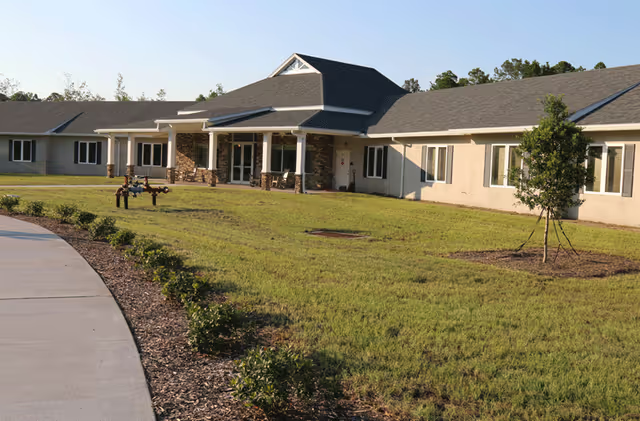
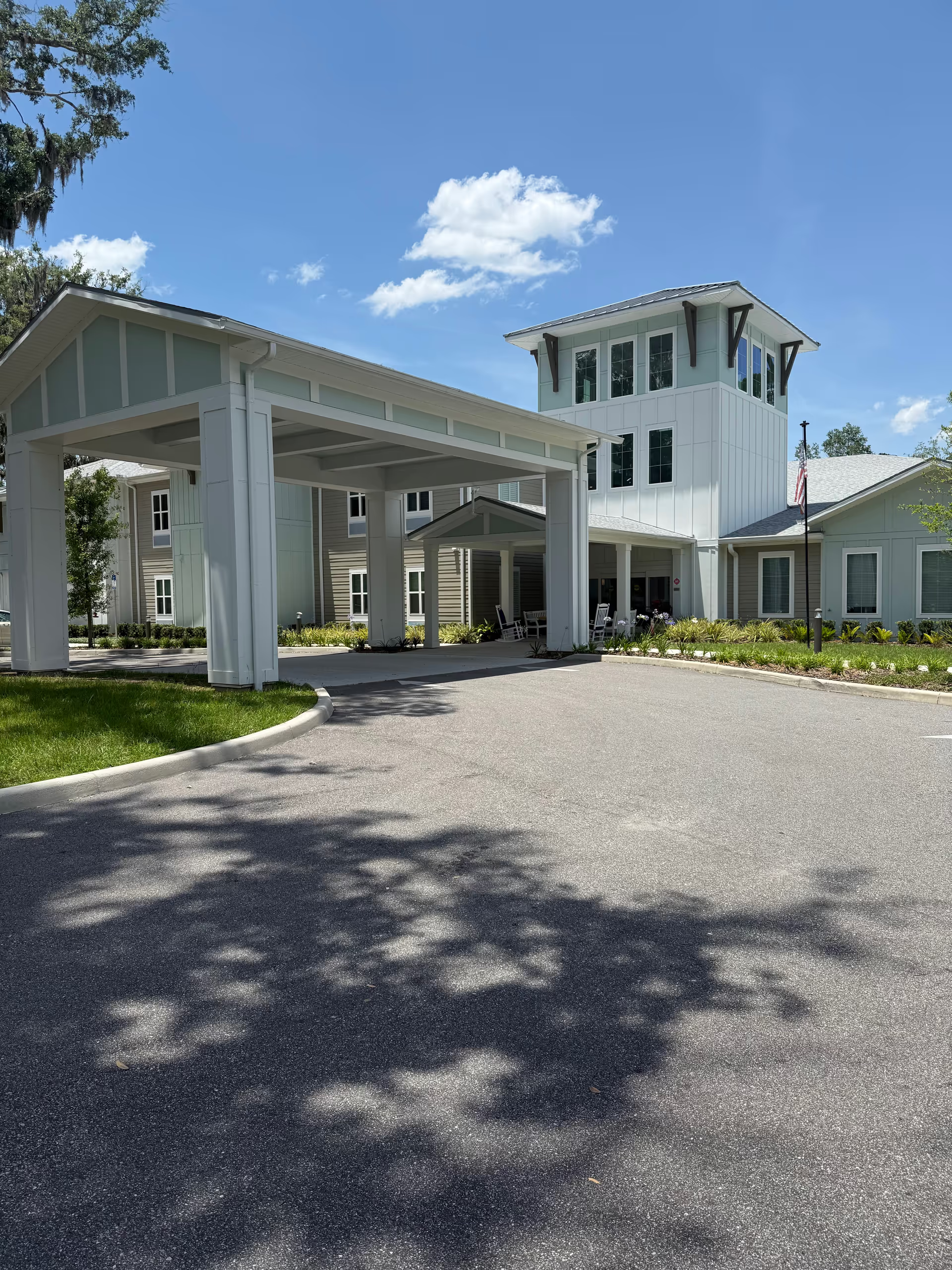
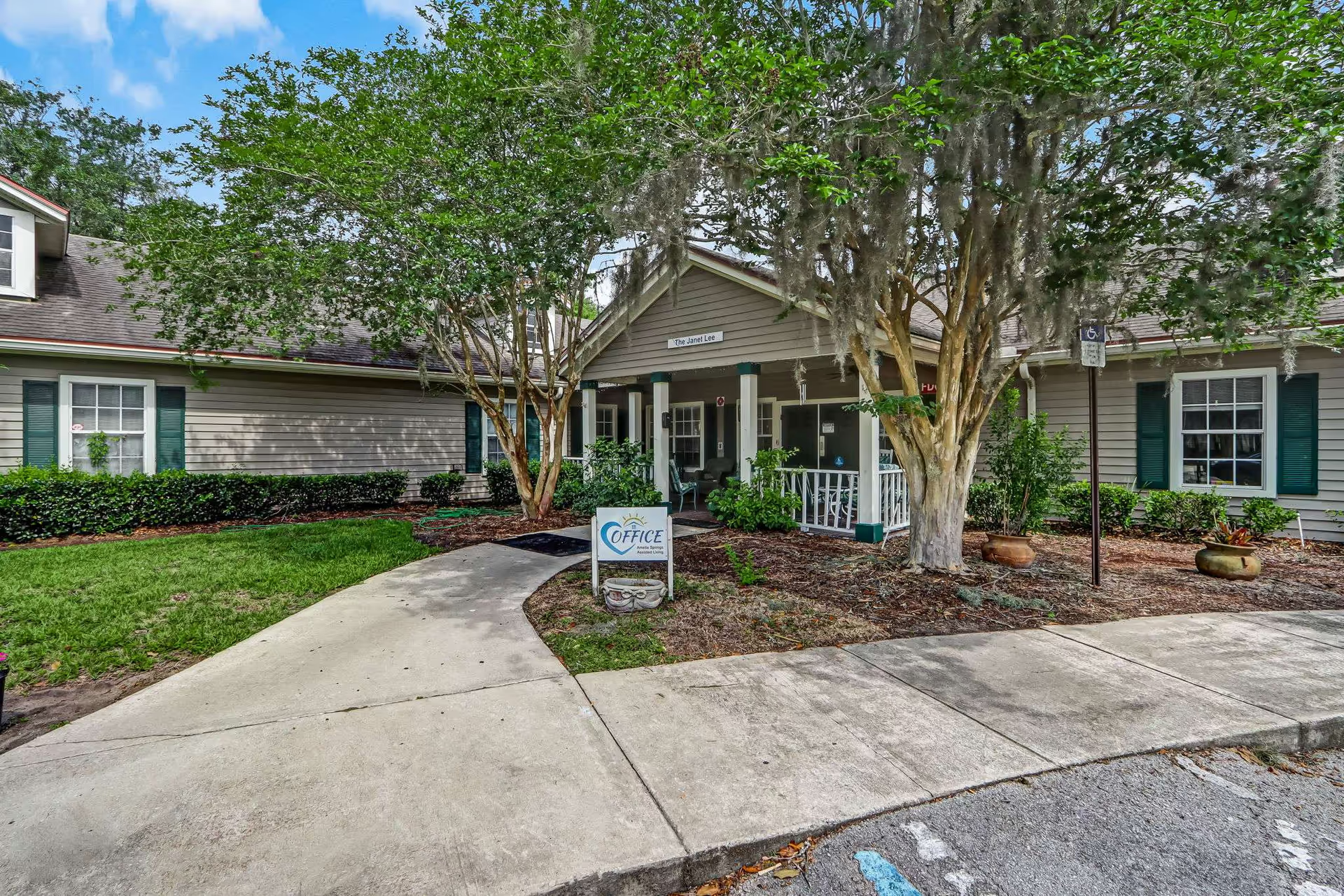
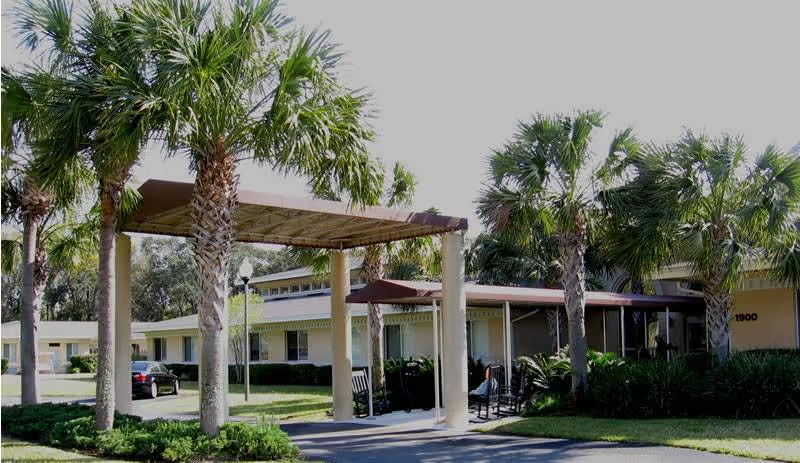
The physical plant and ancillary services show strengths and weaknesses. Many accounts praise cleanliness, efficient laundry services, and pleasant outdoor spaces. At the same time, some reviewers describe dated areas in need of refurbishment and isolated maintenance or equipment-safety concerns. Personal-belongings management and occasional missing items in laundry were noted by some families, pointing to room for improvement in property-handling procedures.
Management and organizational patterns are mixed. Several families praise specific administrators and social-service staff for responsive communication and effective problem resolution, contributing to higher satisfaction. However, other accounts indicate perceived shortcomings in leadership follow-up, unresolved complaints, workforce morale issues, and staff turnover that can exacerbate care inconsistencies. These management-level dynamics appear to influence frontline staffing stability and the consistency of care delivery.
Overall, the facility demonstrates clear operational strengths —especially in therapy, daily programming, and many aspects of frontline caregiving— alongside recurrent operational and management-level issues that can affect individual experiences. For prospective residents and families, visiting at different times of day, observing mealtime and morning care routines, asking about staffing ratios, medication-review protocols, pressure-injury prevention plans, documentation/hand-off practices, and the facility’s complaint-resolution process are practical steps to assess fit. These targeted questions can help distinguish the generally positive aspects that many experience from the variability cited by others.