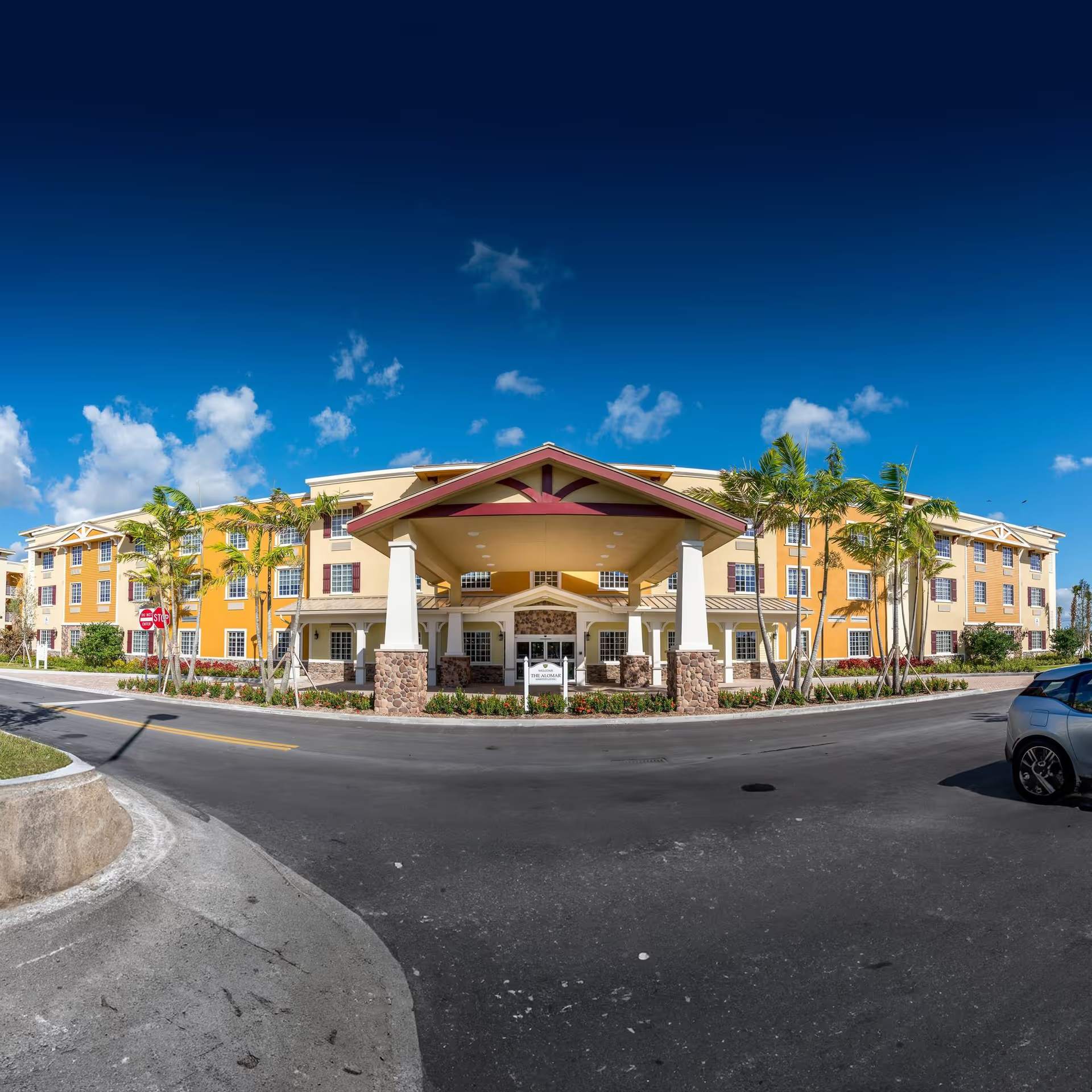
MiCasa Senior Living presents as a new, well‑appointed assisted living and memory-care option with many operational strengths. The facility's physical plant is consistently described as clean, modern, and thoughtfully designed; reviewers highlight contemporary finishes, secure access, well‑maintained dining and kitchen spaces, and pleasant outdoor areas. The small, home‑like scale and active owner involvement are recurrent positives that contribute to a family‑oriented atmosphere.
Care and staffing receive primarily favorable comments: families commonly describe compassionate, patient caregivers, bilingual Spanish–English staff, a dedicated full‑time nurse, and regular physician visits. Communication channels such as text, phone, and FaceTime are often noted as effective for routine updates, and many reviewers expressed confidence in medication oversight and day‑to‑day caregiving. The facility's dining program is another consistent strength — fresh, varied, and well‑rated meals are repeatedly mentioned. Programming for memory care, daily activities, music, and therapy/exercise opportunities are described as engaging and appropriate for residents.
Despite these strengths, several operational patterns merit attention. A number of reviewers identified inconsistent staffing levels, including reliance on agency personnel, which can affect continuity of care. Relatedly, families described occasional lapses in communication between clinical/frontline staff and administration, and some reviewers raised concerns about incontinence‑care delays and associated sanitation issues; these comments point to process gaps in personal‑care routines and documentation. There are also mentions of variability in staff training or clinical competency that could affect higher‑acuity needs, and administrative turnover that has at times disrupted smooth operations.
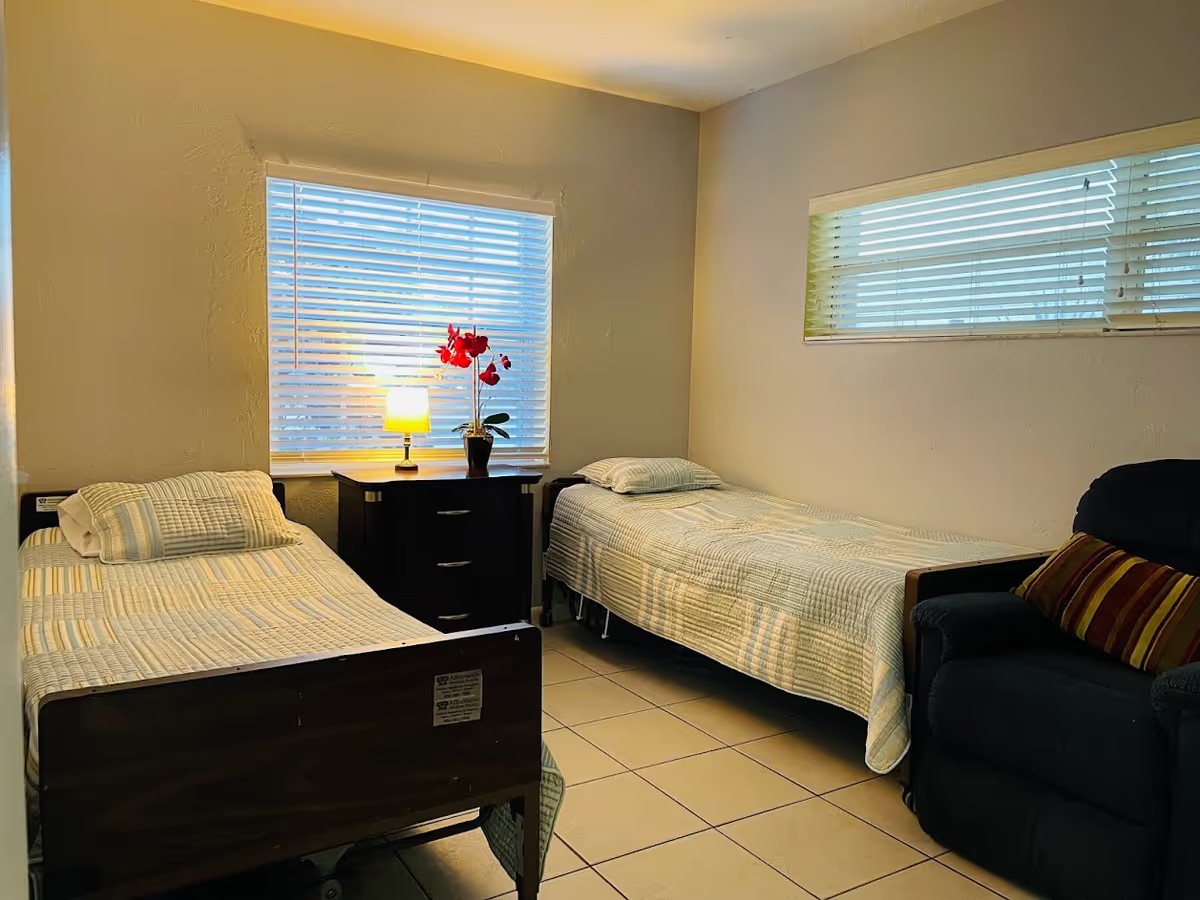
Other practical considerations include shared two‑person rooms with partial partitions and shared bathrooms, which limit privacy for some residents, and a pricing level described as above average. A few families reported pressure or friction around coordinating external medical providers or insurance arrangements; prospective residents should clarify policies on physician choice and third‑party payer coordination. Finally, there are isolated but serious complaints about customer‑service tone and alleged discriminatory conduct; these appear to be individual incidents but are important to raise directly with management during a visit.
Recommendation: MiCasa appears to offer strong environmental and relational strengths — cleanliness, engaged ownership, bilingual staff, good meals, and meaningful activities — that many families find comforting. Prospective residents and their families should tour the facility, inspect room configurations for privacy, ask for current staffing ratios and agency‑staff usage, review clinical training protocols and incontinence‑care procedures, confirm physician/insurance coordination policies, and inquire about how the facility handles complaints and staff conduct issues to ensure its operational practices align with their needs.