Brookwood Gardens elicits strongly polarized impressions: many families describe excellent rehabilitation therapy, engaged activities programming, and compassionate care from specific nurses and aides, while other families report significant operational and clinical concerns. The facility appears to perform well for short-term rehab stays and organized social programming — activities staff, garden initiatives, and therapy teams receive frequent praise. Several named employees and administrators are highlighted for proactive, respectful interactions and individual families describe hospice and end-of-life support delivered with dignity.
Clinical quality descriptions are mixed. Positive accounts emphasize attentive nursing, effective physical/occupational therapy, and good coordination for short-term rehabilitation. Conversely, some accounts describe delays in clinical response, missed or untimely medication administration, limited physician availability, and instances of delayed escalation to higher-level care. There are also serious concerns referenced related to hospital transfers and end-of-life outcomes; these are framed here as concerns following adverse events rather than as established causal conclusions.
Staffing and conduct present a clear pattern of variability. Multiple families praise individual staff members who provide compassionate, personalized care; however, others report inconsistent staff professionalism, slow response to call buttons, and a perception that staff are overworked or understaffed — particularly at night. These staffing patterns appear linked to variability in day-to-day resident experience. Front-desk and administrative interactions are likewise inconsistent: some families commend responsive managers and smooth admissions, while others report rude or unresponsive reception, discharge-planning delays, and poor telephone communication.
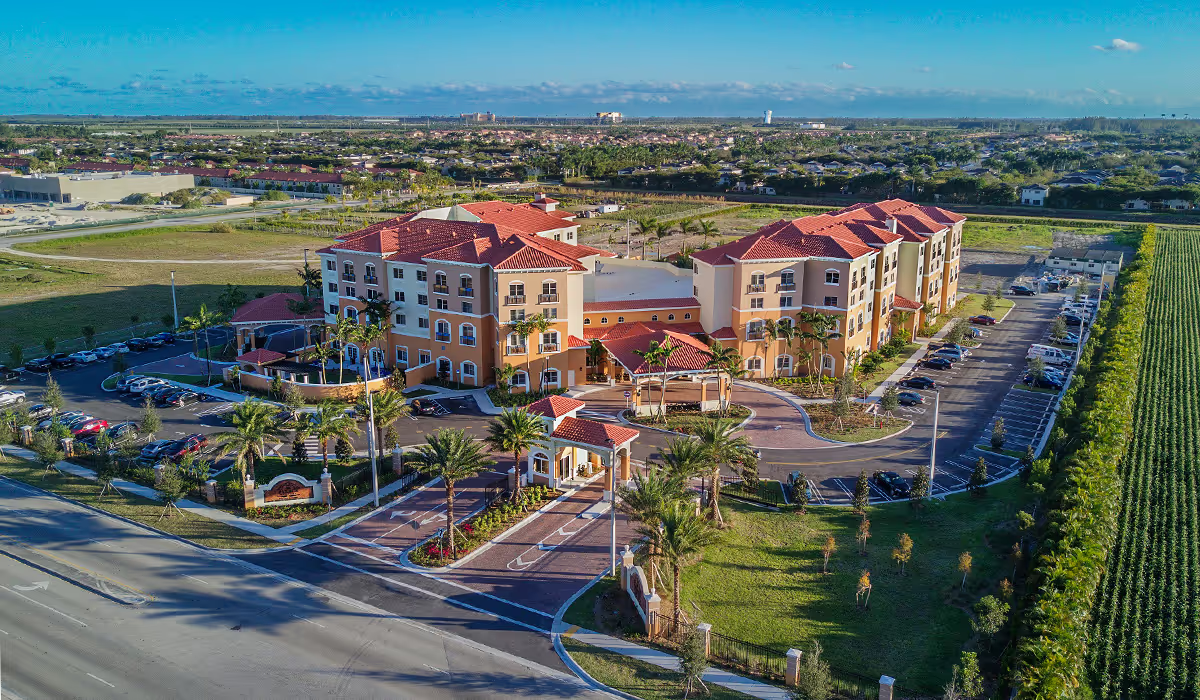
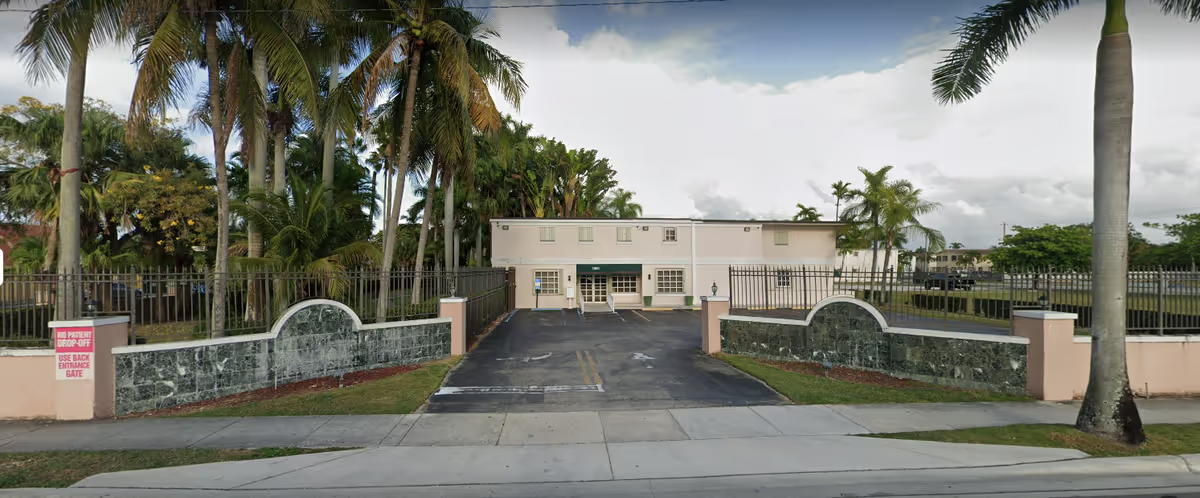
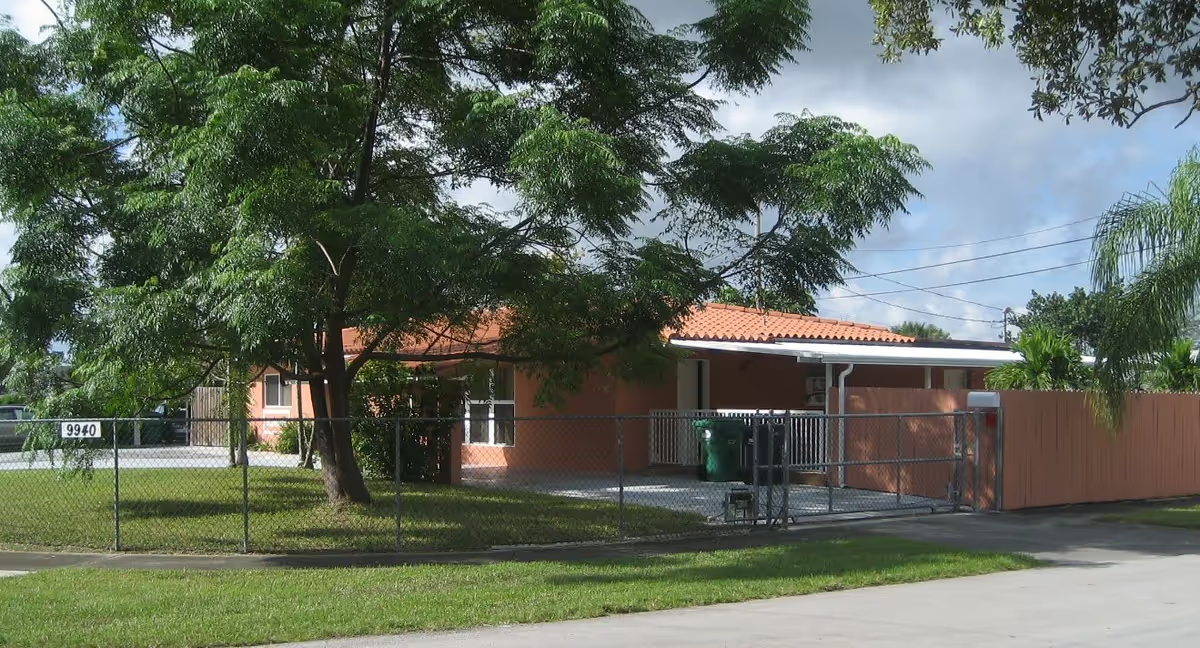
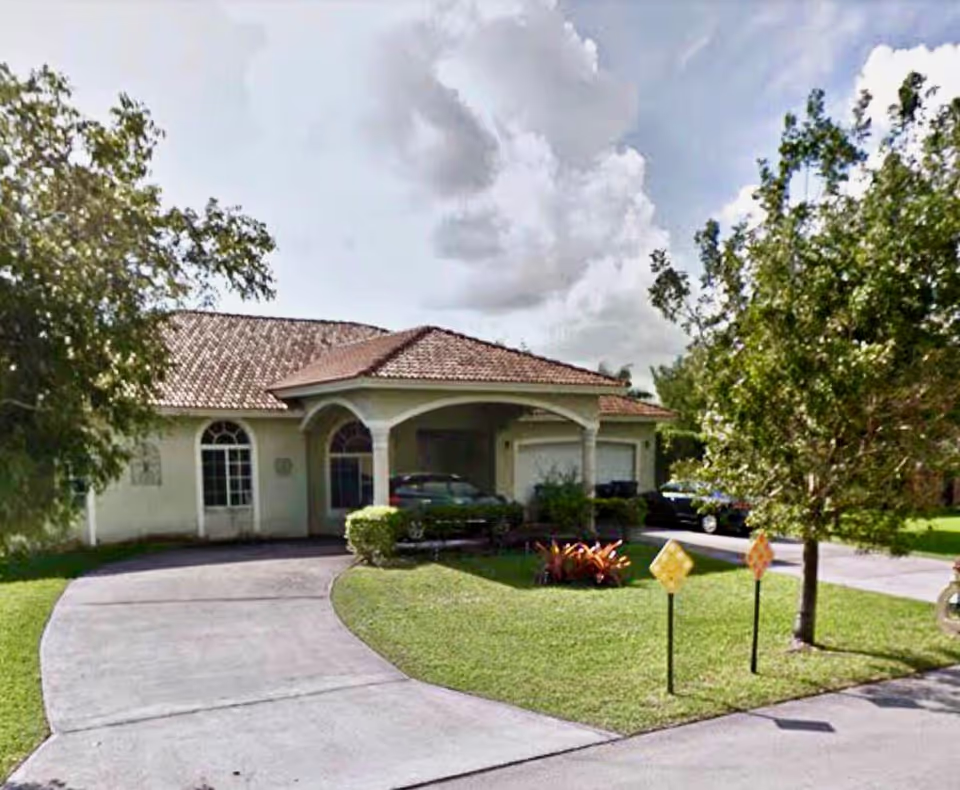
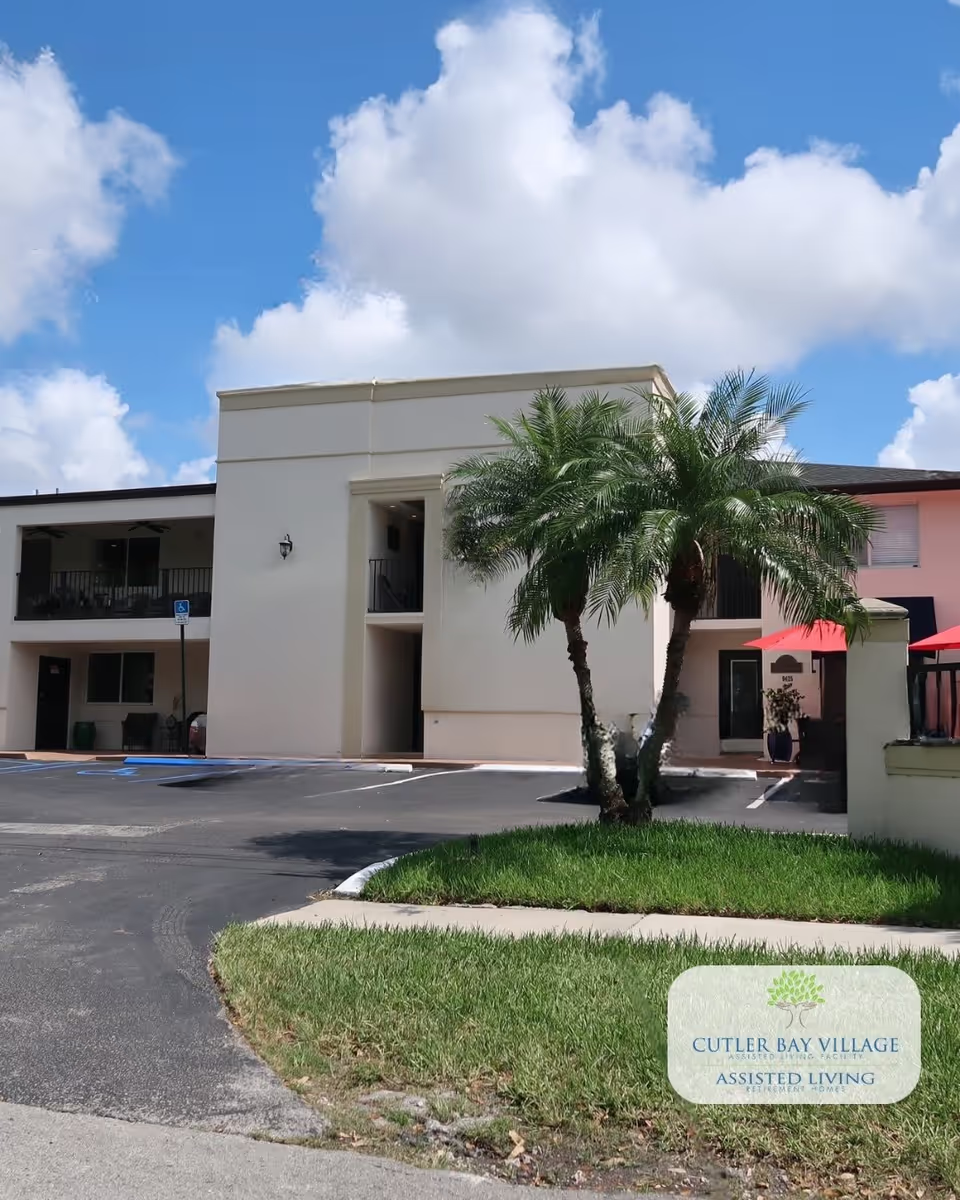
Facilities and operations show both strengths and weaknesses. The campus landscaping and on-site gardens are frequently noted as positive amenities and contribute to residents’ quality of life. At the same time, reviewers describe maintenance deficits — aging furniture and bedding, damaged room fixtures, broken in-room equipment, and uneven cleanliness in bathrooms, laundry, and communal areas. Incontinence-care practices, linen handling, and laundry turnaround are recurring concerns, as are isolated pest-control and odor issues. Allegations of missing personal items and staff handling of resident property raise safety and trust issues that prospective families should verify.
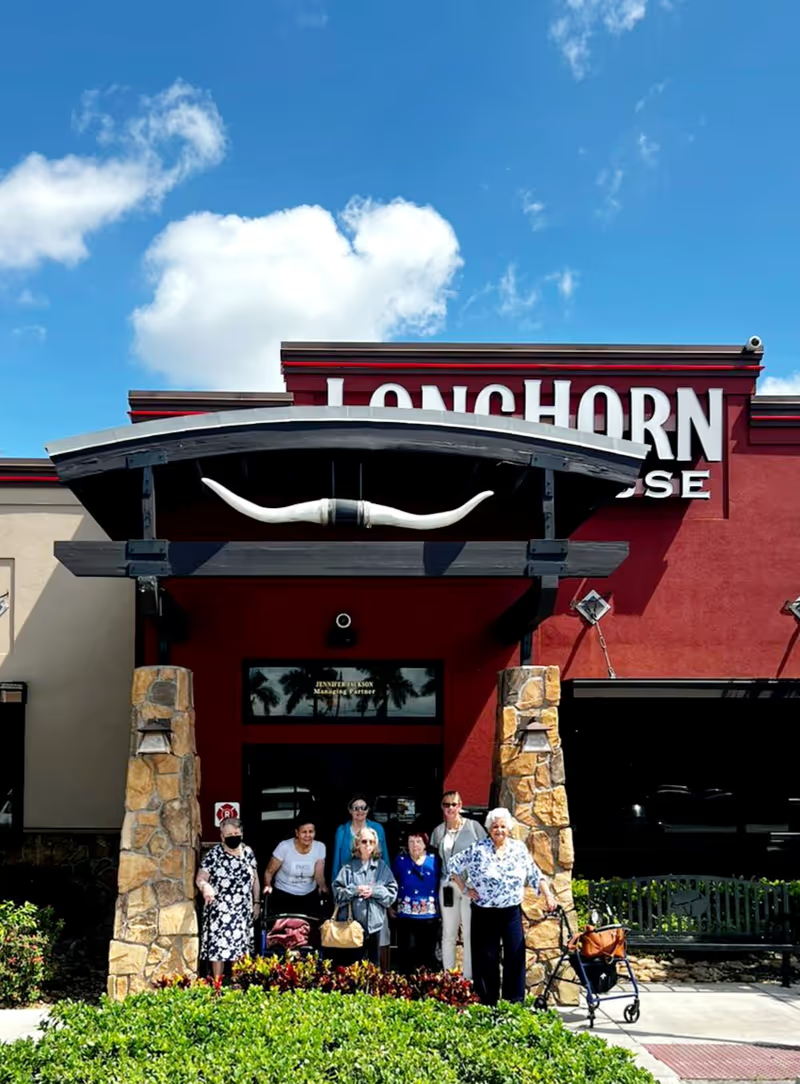
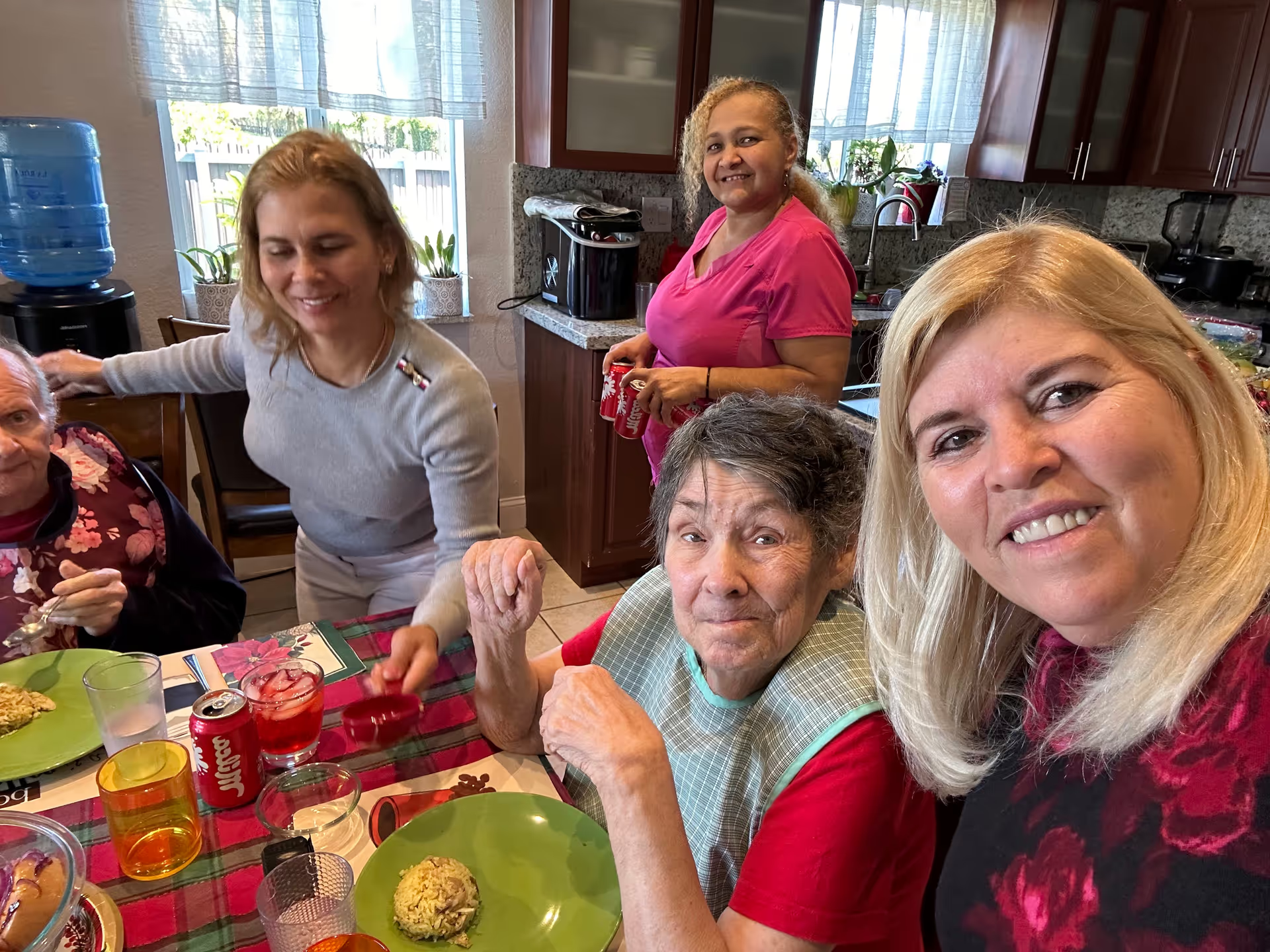
Dining and activities receive mostly favorable comments about meal quality and event programming from many guests, though several families counter that food quality is inconsistent and some residents rely on family-supplied meals. Activities staff and social programming (games, memorial garden, clubs, spiritual offerings) are a consistent strength and reported to boost resident morale.
Management and systems-level concerns focus on communication, billing, and transparency. Multiple accounts mention unclear billing practices, delayed family notifications during clinical changes, and uneven discharge planning. When administrative staff are engaged and communicative, families report a much better experience; when not, care coordination and family trust suffer.
Overall, Brookwood Gardens appears to offer strong rehabilitation services and an active activities program, supported by many compassionate staff and attractive grounds. However, there is notable variability in clinical responsiveness, staffing consistency, sanitation and maintenance, administrative communication, and property safeguards. Prospective residents and families would benefit from inquiring directly about current staffing ratios, physician coverage, medication-administration protocols, laundry/incontinence procedures, property-safeguarding practices, and recent infection-control and maintenance records prior to placement.