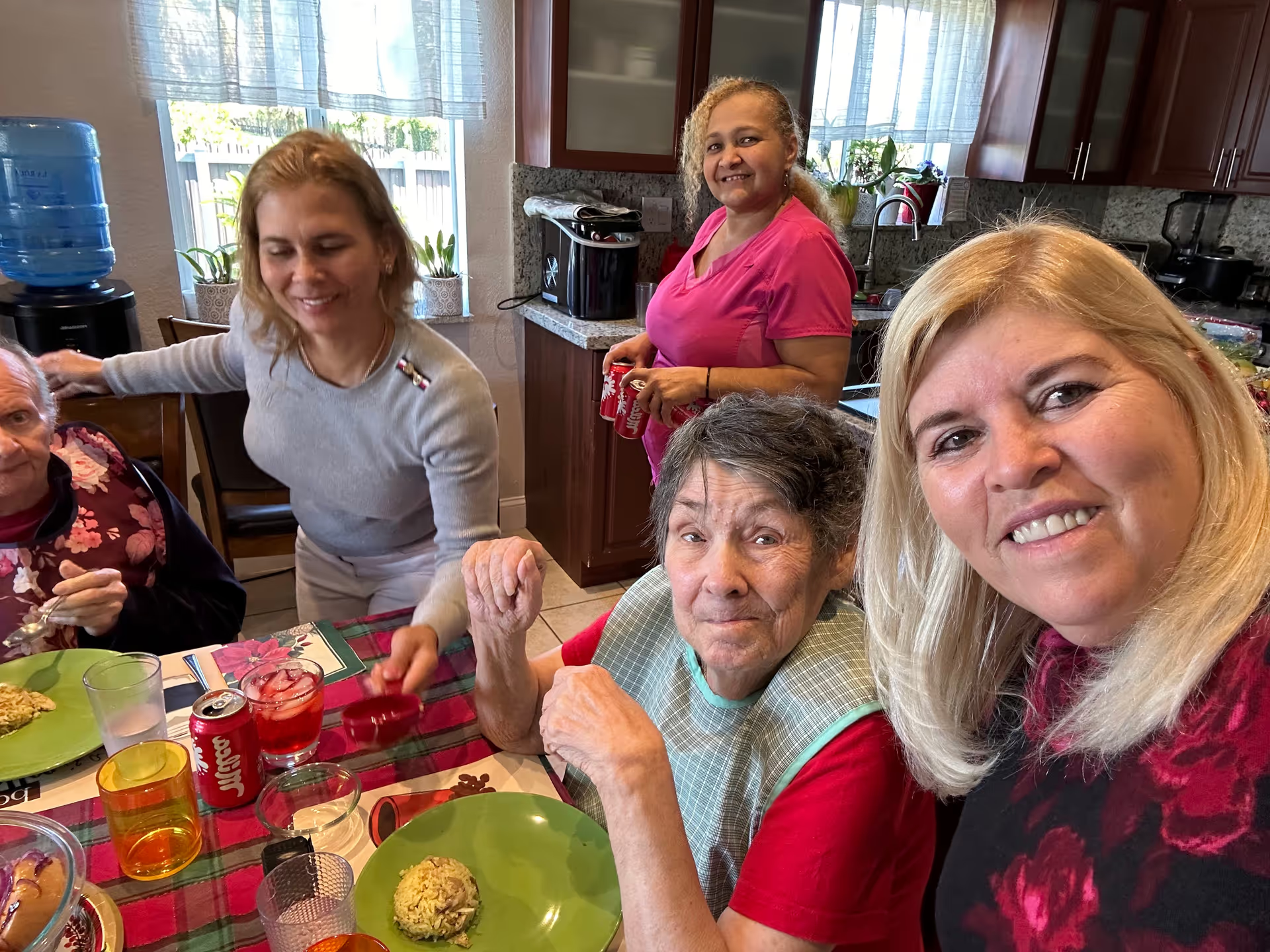
Sunny Hills Assisted Living Homestead is described repeatedly as a staffed, community-oriented assisted living option with clear strengths in direct resident care and day-to-day maintenance. Many families emphasize compassionate, hands-on care from staff who learn residents' names and personal preferences; several comments single out leadership and specific staff members for visible involvement and effective family communication. The facility maintains cleanliness and a generally well-kept interior, and offers private studio options with en-suite bathrooms, emergency call buttons, and supportive services such as housekeeping, laundry, on-site salon services, and hospice support.
Social and recreational programming is a prominent feature of the community. There is a broad activity calendar (bingo, sing-alongs, chair yoga, music, dancing, gardening, special events such as senior prom) and organized opportunities for outings. That said, families describe uneven implementation: schedules and outings are available, but activity frequency and dementia-appropriate engagement are at times inconsistent. Prospective residents who require memory-care–specific programming should verify the availability and regularity of tailored activities and wandering-prevention measures.
Dining and clinical services draw mixed feedback. Several families praise appetizing menus and staff assistance with meals and medication administration; others describe variability in meal quality. Clinical responsiveness is generally characterized as prompt and attentive, with 24-hour assistance and on-site nursing support. However, reviewers also note occasional gaps in communication and follow‑up during specific clinical events, and some mention inconsistent staffing patterns that can affect continuity of care.
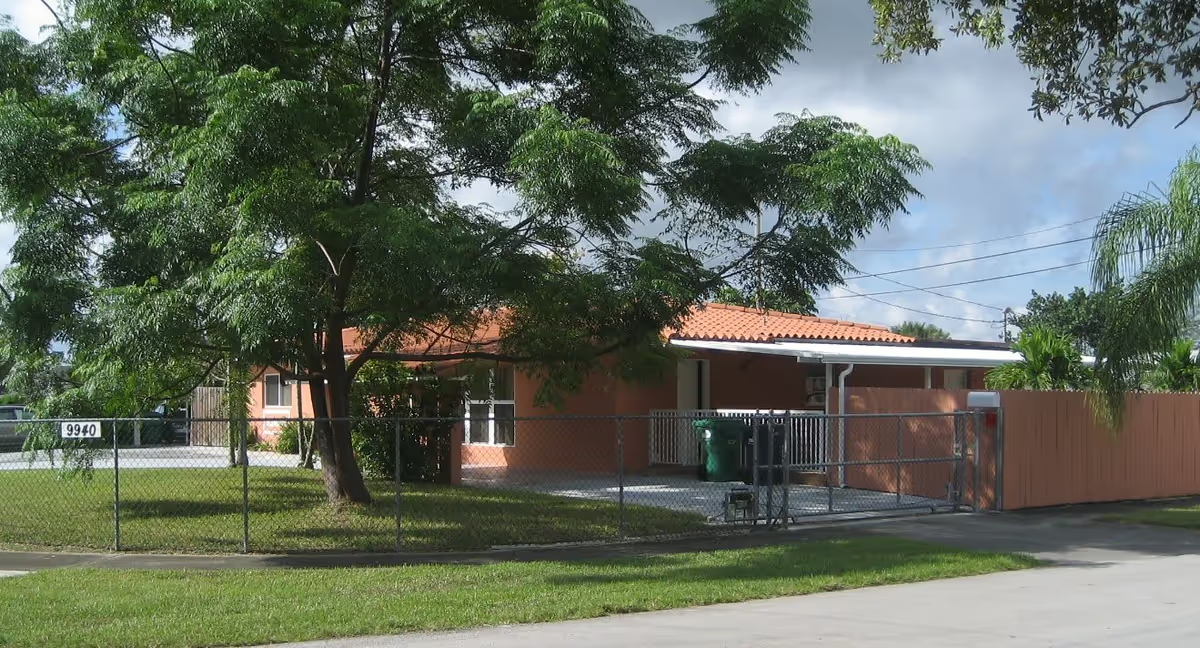
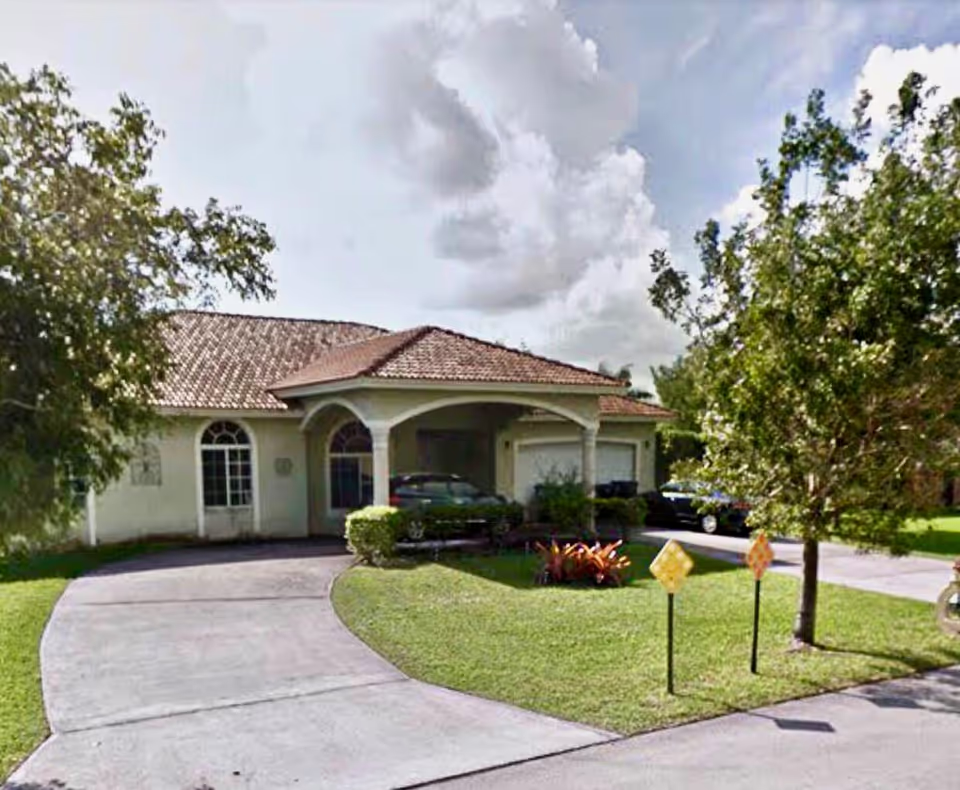
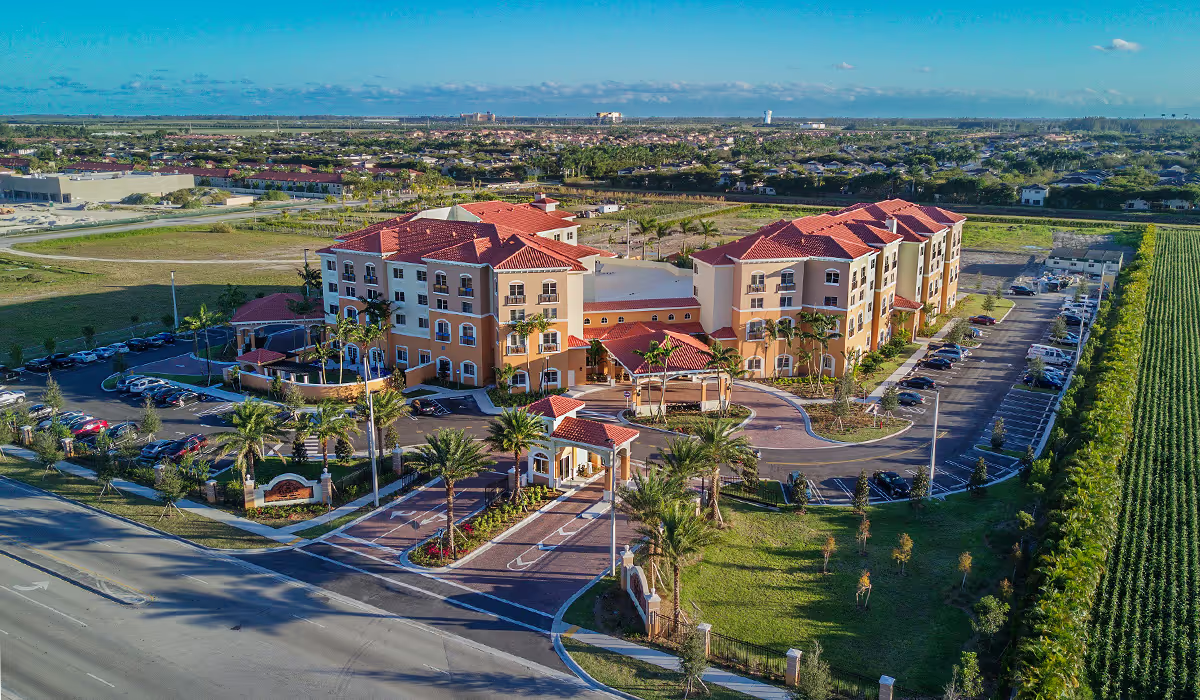
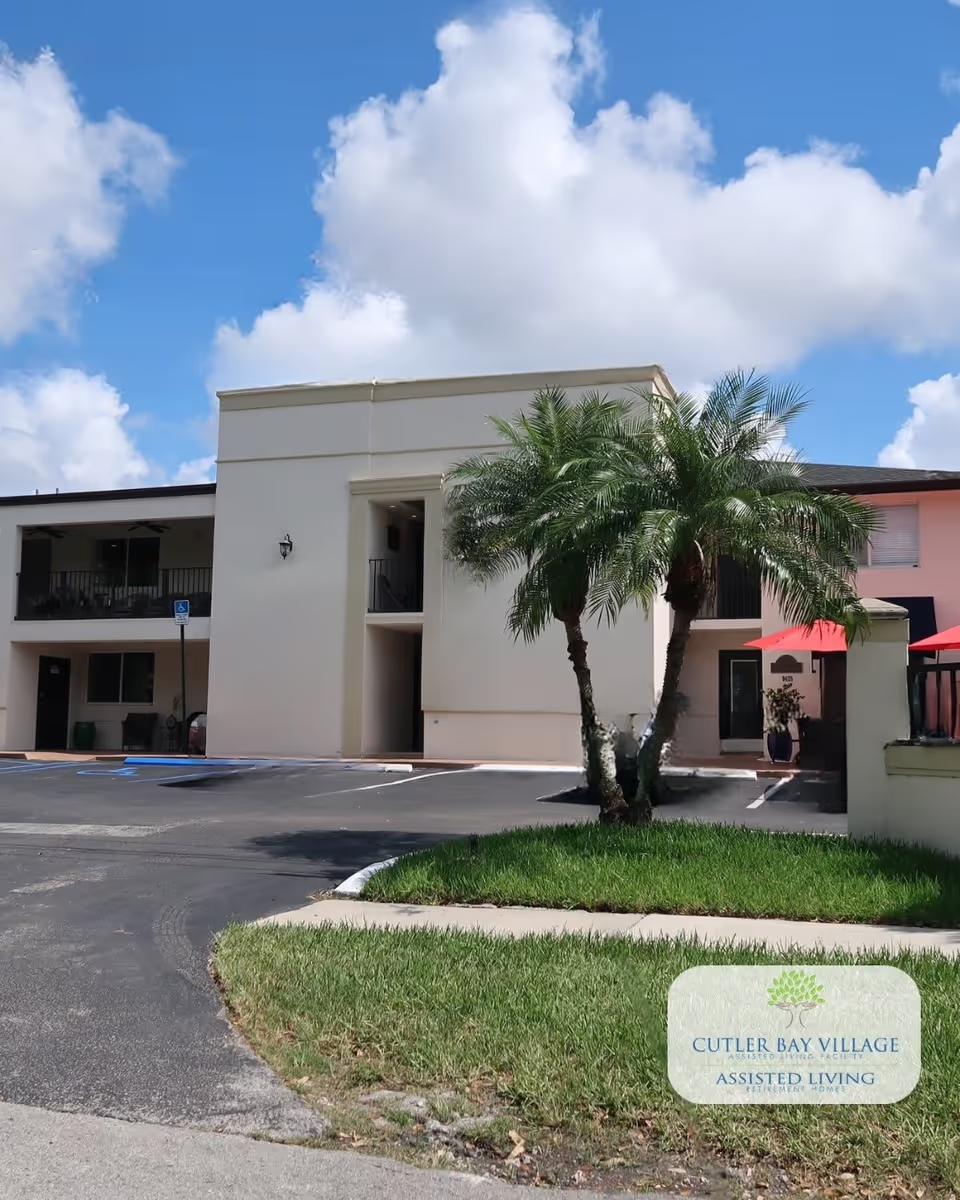
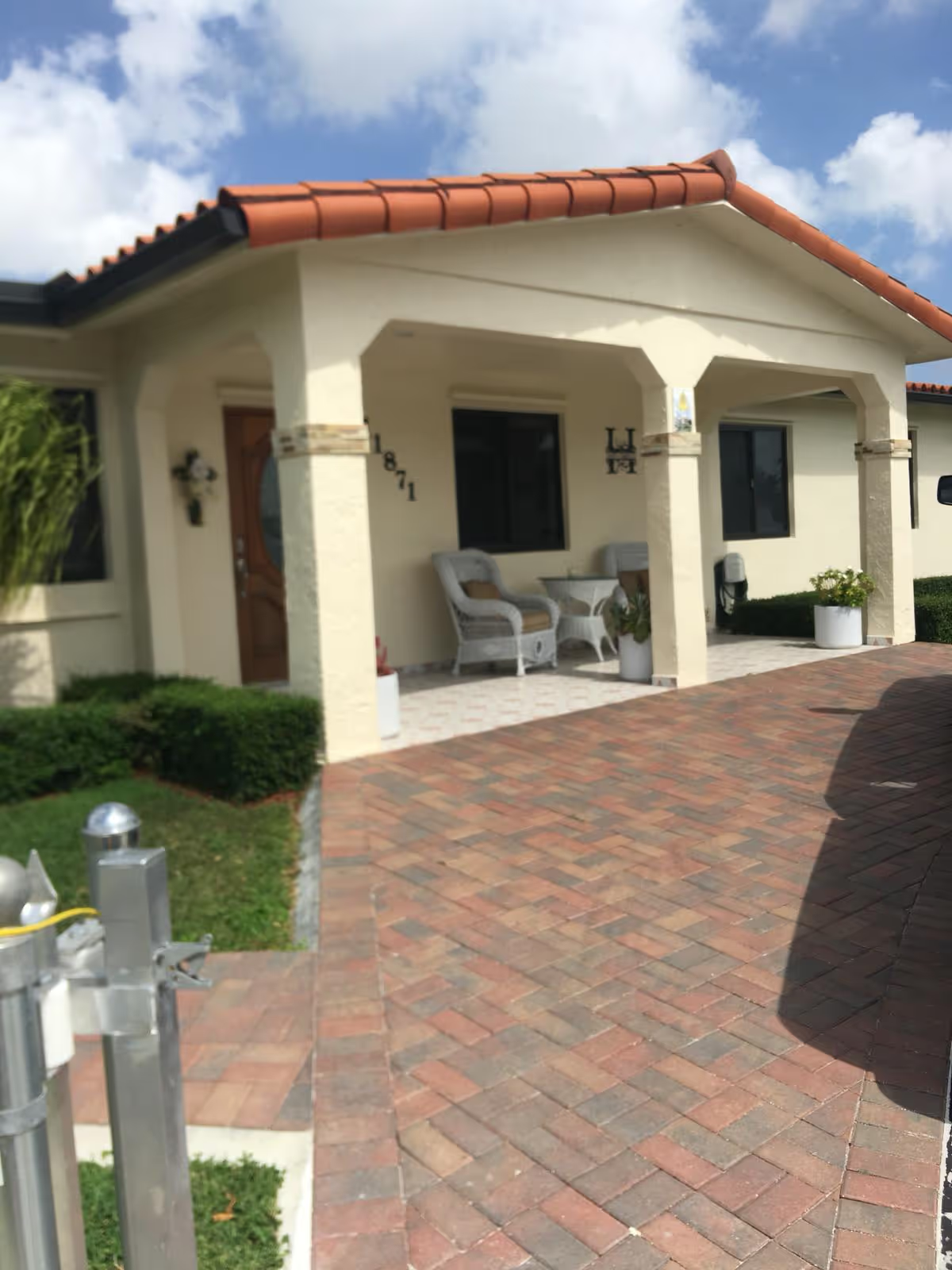
The facility’s physical characteristics are a mix of strengths and limitations. Many note spacious rooms, outdoor walking paths, and a homelike interior. Simultaneously, the building shows signs of aging: certain accessibility features (automatic doors) and in-room modern conveniences (Wi‑Fi, included televisions, furnished rooms) are limited, and additional services such as cable may incur extra charges. A few families raised concerns about neighborhood safety and entrance control practices; it would be prudent for prospective families to confirm security protocols.
Management and workplace dynamics present another pattern. Numerous comments praise attentive administrators who follow up with families and facilitate transitions; conversely, there are isolated but serious criticisms regarding staff-management interactions and employee treatment. These comments suggest asking about staff turnover, staff training, and workplace culture during a tour. Financial transparency is another area to clarify: some families mentioned rent increases that they found inadequately explained.
Overall, Sunny Hills appears to provide warm, individualized care in a clean, community-focused environment, with particular strengths in staff engagement and social programming. Important due-diligence topics for prospective residents and families include staffing levels and continuity, dementia-specific services, activity execution, in-room connectivity and amenity costs, security/entrance procedures, and recent pricing history. Visiting the facility during an activity period, meeting nursing leadership, and discussing contractual terms will help confirm whether the operational patterns align with a prospective resident’s needs.